Rising Edge Digital
Hardware & Embedded Systems for Software Developers
Latest issues
All issues →
Mini Monster Box
The Mini Monster Box is a fun Halloween project designed to entertain kids, especially those who may not appreciate traditional scary decorations. Created by Øyvind Nydal Dahl, this interactive box features a little monster that pops out when someone knocks on it. The setup includes a microphone to detect the knock, a one-transistor amplifier to boost the signal for an Arduino, and a servo to control the lid's movement.
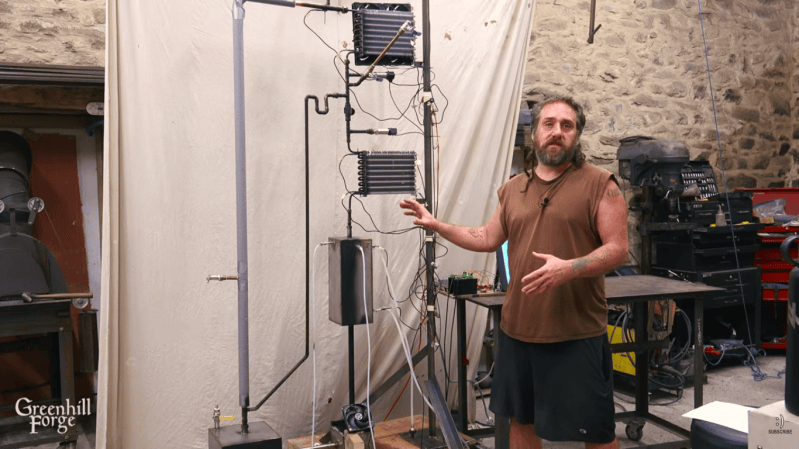
Off-Grid Refrigeration Using Fire and Salt
[Greenhill Forge] has developed an innovative off-grid refrigeration system that utilizes just fire and salt, minimizing reliance on electricity. This approach leverages a technology called absorption cooling, where water acts as the refrigerant. The system works by boiling this saltwater solution at low pressure, allowing it to absorb heat from the environment as it changes from liquid to vapor. The vapor is then condensed back into liquid in a separate section, releasing the absorbed heat.
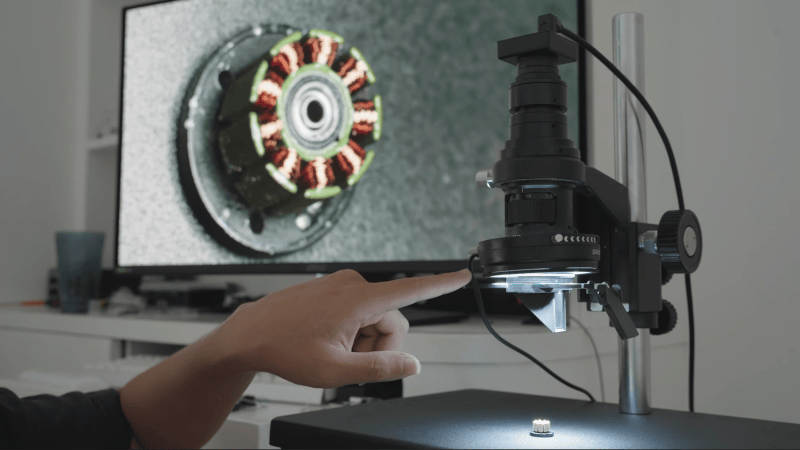
Building a Microscope with a 3D View
[Corebb] developed a custom microscope that offers a unique rotating side-angle view, addressing the limitations of traditional top-down models, particularly useful for inspecting solder joints on electronics. The setup utilizes a commercial C-mount microscope lens assembly combined with a USB camera, allowing for magnification up to 200x. It includes an LED ring light and two polarizing filters to combat glare from reflective surfaces.
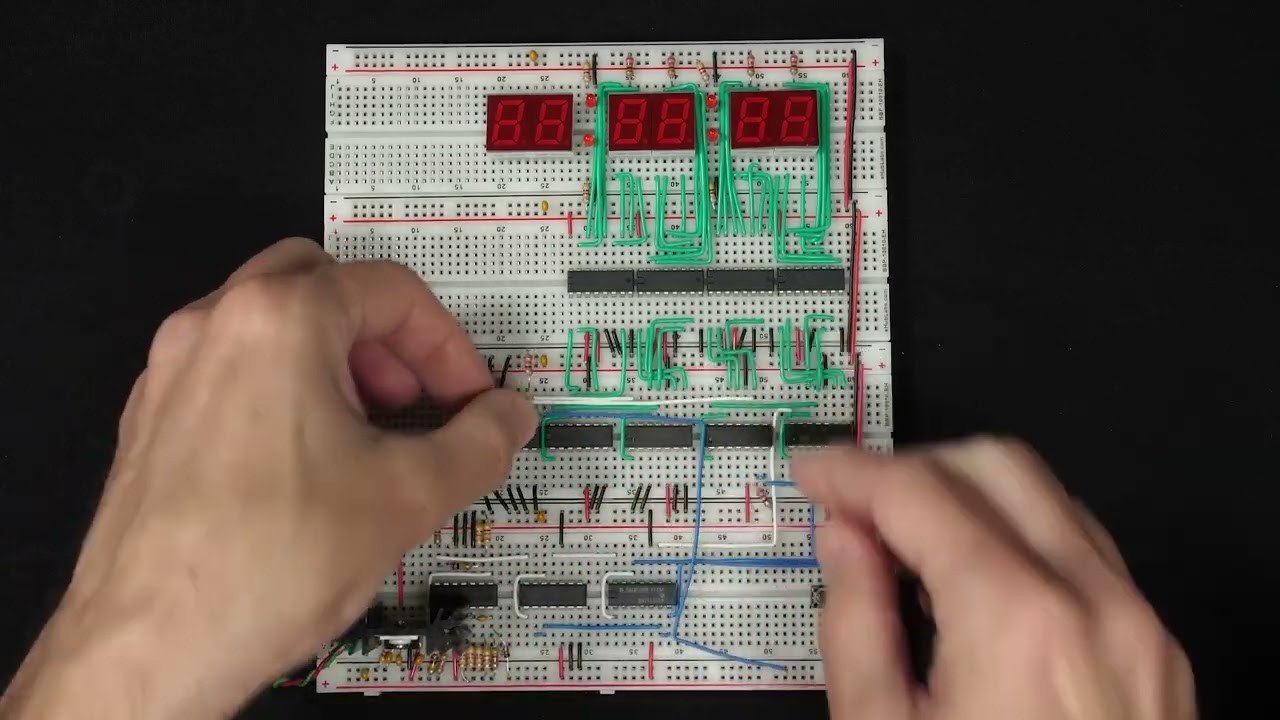
Setting the time on my breadboard clock: Breadboard clock part 5
In this video, the creator shares the process of setting the time on a homemade breadboard clock. This is part five of a series where he walks through various aspects of building the clock, focusing specifically on the clock-setting method and the associated circuitry.

Plenty of Fish in the AI Sea
Jim Bruges has created an intriguing project called "This Fish Does Not Exist," which generates fictional fish species using an Arduino UNO Q. This device mimics the look of a 19th-century ichthyology textbook, producing detailed illustrations and scientific descriptions for fish that don't actually exist. Every few minutes, it reveals a new species on a 7.5-inch monochrome E Ink display, complete with a scientific name, classification, and a description of its habitat and characteristics.
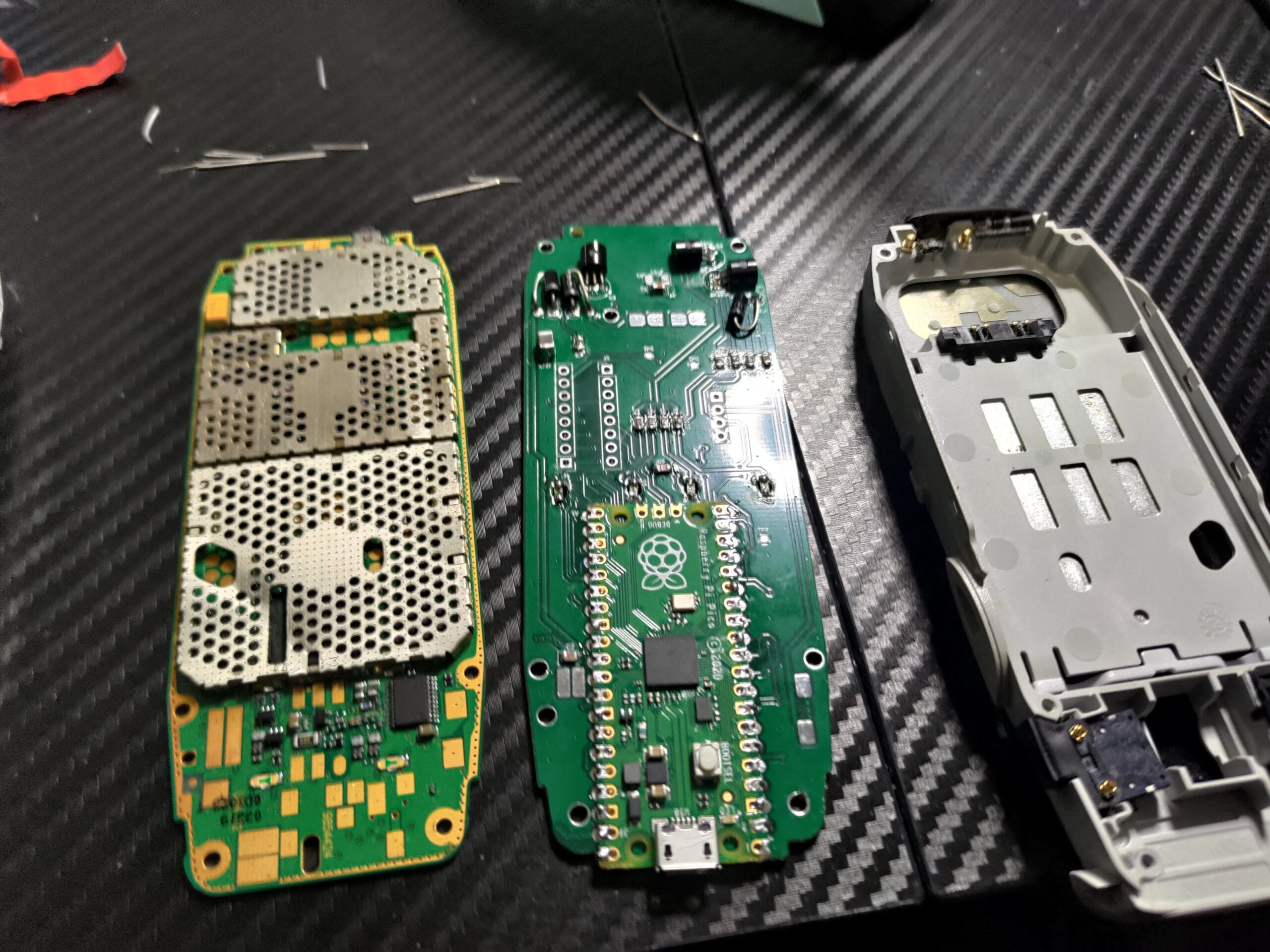
Nokia 3310 Upgraded with A Custom PCB
Hoani Bryson has upgraded a classic Nokia 3310 by creating a custom printed circuit board (PCB) to support his game, "Trick Shot II," which won first place in the Nokia 3310 Jam. The challenge was to develop a game that adhered to the constraints of the original Nokia 3310, including a monochrome display with a resolution of 84x48 pixels and audio limited to a single buzzer.
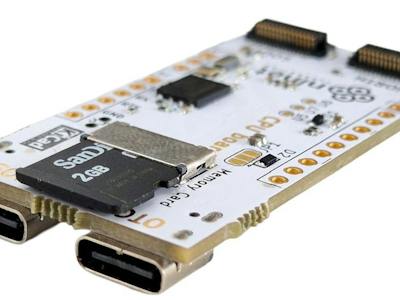
HD Graphics for Microcontrollers
CuprumFlow Graphics is a new platform designed for driving high-resolution graphical interfaces in microcontroller projects without the overhead of a full operating system. It consists of two small boards—one based on a CPU and the other on an FPGA (Field-Programmable Gate Array)—both measuring 50×26 mm. The CPU version can support resolutions up to 1920×1080, while the FPGA model can handle 1366×768, both with 24-bit color and alpha transparency.

STM32F407 RT-Spark Music Player Using FreeRTOS
The article discusses a project where John Paul Maluya, Karl Vincent Remo, and Amer Patrick Lauma created an eight-song music player using the STM32F407 RT-Spark board, which features an STM32F407 microcontroller. This project, developed for an Embedded Systems Programming course, utilizes FreeRTOS, a real-time operating system, to manage multiple tasks like playing melodies, displaying song information, and responding to button inputs.
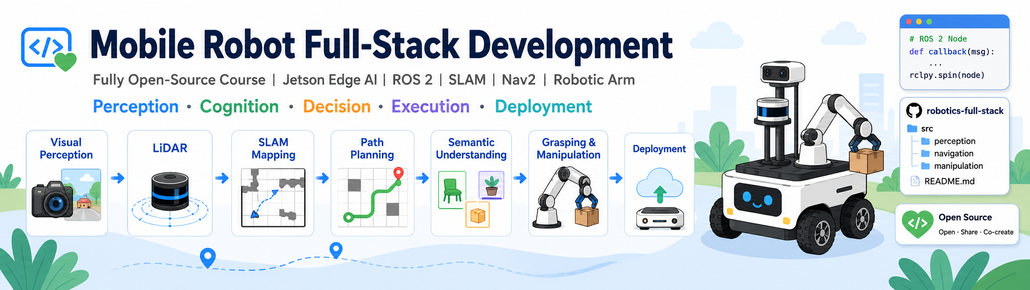
Mobile Robot Full-stack Development In Practice Ⅱ: Give the Robot Its Eyes — GMSL2 Multi-Camera, Calibration, and BEV Surround View
The article delves into the practical aspects of equipping a mobile robot with vision capabilities using a GMSL2 (Gigabit Multimedia Serial Link) multi-camera setup. It builds on the foundation laid in the previous installment of the "Mobile Robot Full-stack Development In Practice" series, where a Jetson-powered platform was established to facilitate robotics development. Now, the focus shifts to ensuring that the robot can accurately perceive its environment through effective sensor fusion and calibration techniques.
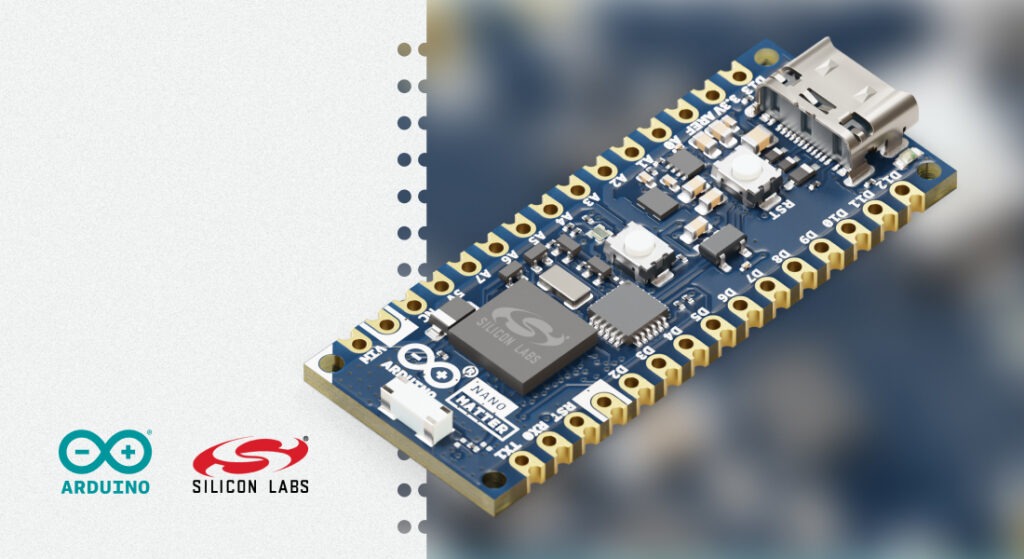
Your Arduino Nano Matter board now speaks Zigbee
The Arduino Nano Matter board has added support for Zigbee, a popular wireless communication protocol for smart home devices. With this update, users can now choose Zigbee from the Arduino IDE menu and compile their sketches with the Zigbee 3.0 stack. This makes it easy to integrate the Nano Matter board into existing smart home networks alongside other devices like bulbs and sensors.

NEW GUIDE: Fruit Jam Face Detection
Adafruit has released a new guide for a project called Fruit Jam Face Detection, which leverages a USB webcam and CircuitPython to perform local face detection using OpenCV, a popular computer vision library. This setup allows users to run the face detection model entirely offline, meaning you don’t need to connect to the internet or rely on cloud services. When a face is detected, the system outlines it with a green box on the camera feed, which can be displayed over a DVI (Digital Visual Interface).
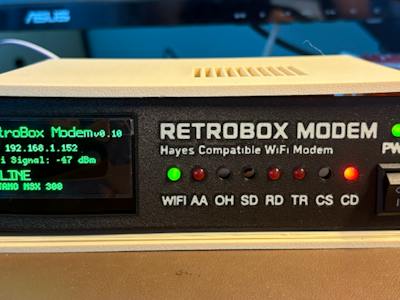
Relive the Dial-Up Era with This Raspberry Pi Modem
Xavi Paz has created the RetroBox Modem, a Raspberry Pi-powered device that recreates the nostalgic experience of using a dial-up modem. This modem allows both vintage and modern computers to connect to actual Bulletin Board Systems (BBSs), mimicking the sounds and behaviors of traditional dial-up connections. It operates using a Raspberry Pi Zero 2 W and supports Hayes-compatible commands, translating them into TCP/Telnet connections over Wi-Fi.
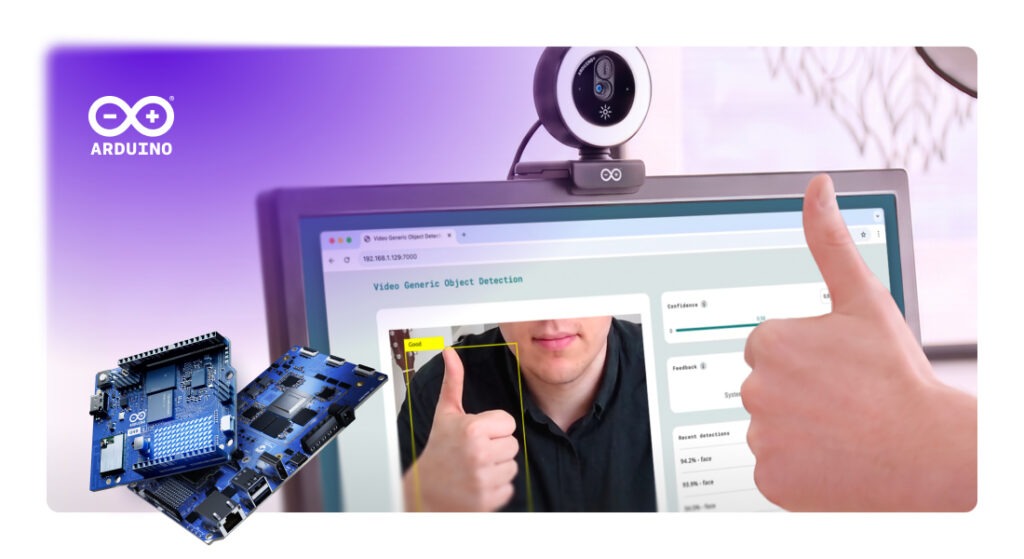
Bring USB-connected AI vision to your projects with the new Arduino® USB Camera
The Arduino ecosystem has introduced a new USB-connected accessory known as the Arduino USB Camera, designed to streamline edge AI and computer vision projects. This camera is not just any standard device; it integrates seamlessly with single-board computers like the Arduino UNO Q and VENTUNO Q, allowing users to harness real-time visual perception and audio processing without the hassle of complex setups or troubleshooting.
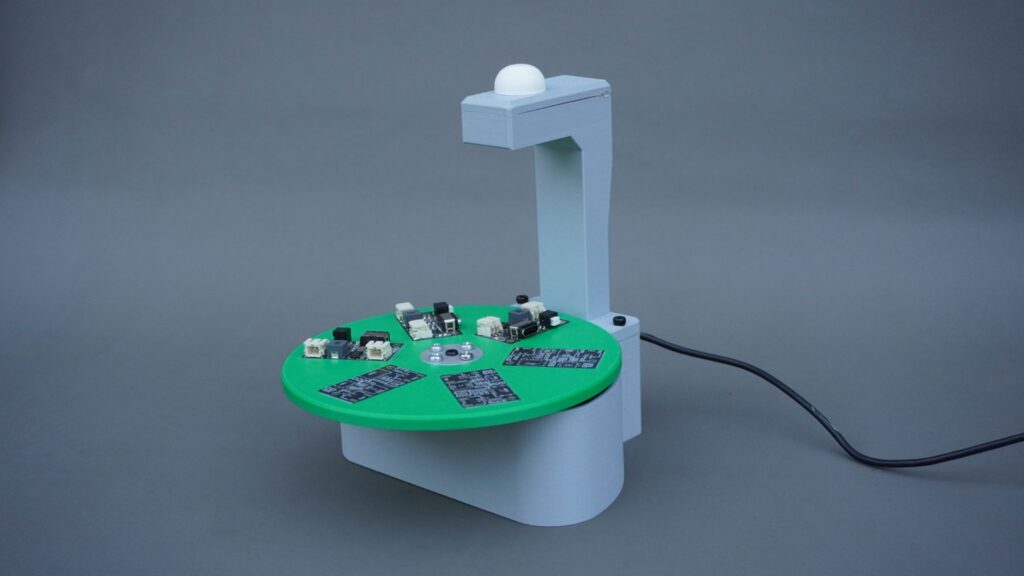
Building a super-affordable automated PCB inspection system
Mukesh Sankhla has developed an affordable automated PCB inspection system designed for small-scale production environments. This desktop-friendly setup features a turntable with six stations that rotates to allow a camera to inspect multiple PCBs in a single run. Using YOLO (You Only Look Once) vision models and Edge Impulse for processing, the system can identify components, detect missing parts, and spot defects.

Adafruit_Stemma_Detect: detect selected Adafruit STEMMA QT sensors on a Raspberry Pi
Adafruit Industries has introduced STEMMA Detect, a Python tool designed for Raspberry Pi that scans the I²C (Inter-Integrated Circuit) bus to identify compatible STEMMA QT sensors and install their respective CircuitPython drivers. This tool is focused specifically on recognizing devices that include a bundled probe module, rather than serving as a general-purpose I²C device identifier.
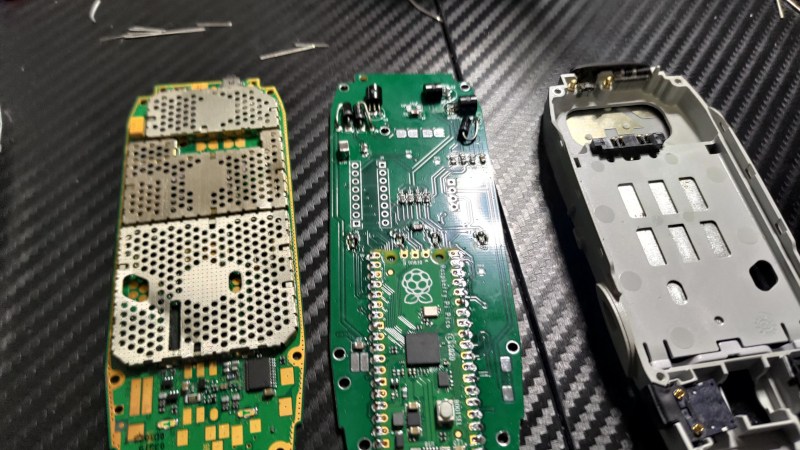
Taking A Nokia 3310 Game Jam To The N’th Degree
Hoani recently participated in a game jam focused on developing games for the classic Nokia 3310, a phone known for its simple user interface and durability. His entry, "Trick Shot II," is a ball-bouncing game that runs on a custom game engine he created. What sets this project apart is that he designed a custom printed circuit board (PCB) to fit inside a gutted Nokia 3310 case, utilizing a Raspberry Pi Pico, the original phone's LCD, and the keypad layout.

60 Hz “hello” on Metro RP2350
The article showcases a project featuring the Metro RP2350 microcontroller, which is running CircuitPython 11 and capable of outputting video at a resolution of 640×480 pixels at 60 Hz. The author used a new browser-based circuit design tool to create a wiring diagram that effectively combines visual elements with the recorded output. This allows for a more comprehensive way to visualize projects, as it can display both the circuit connections and the corresponding screen behavior in real time.
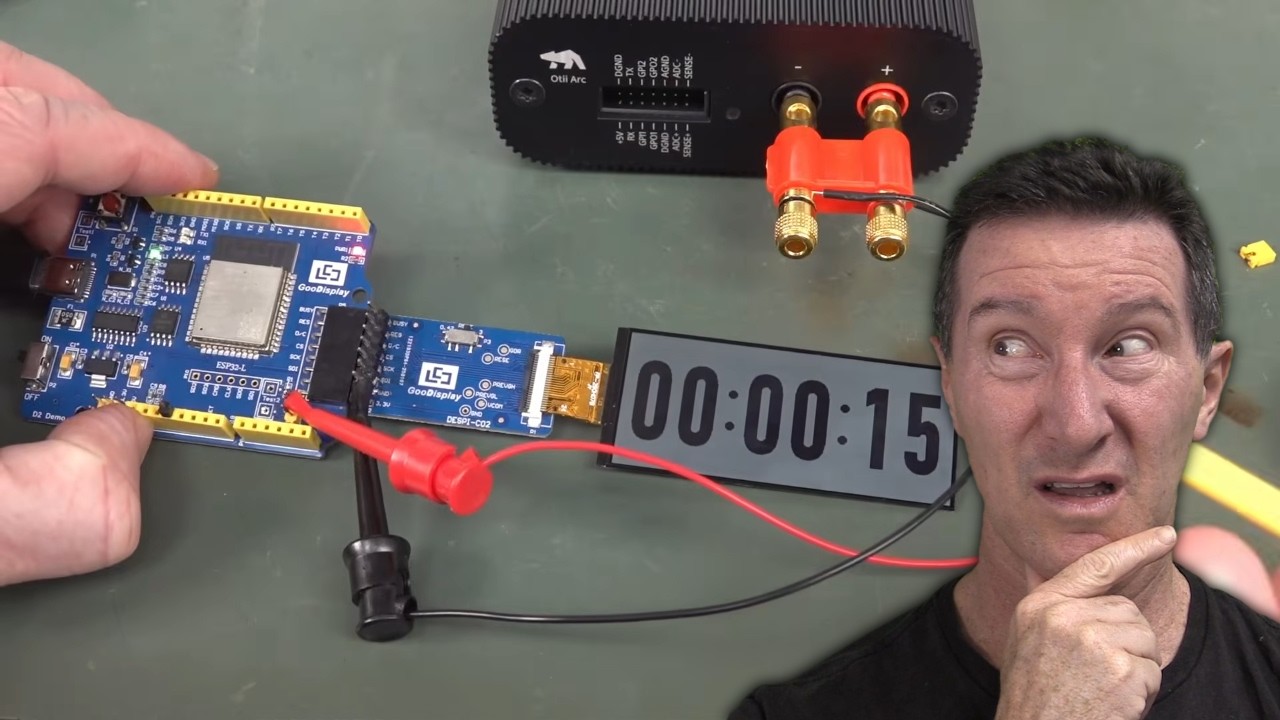
EEVblog 1778 – Product Power Measurement Masterclass (µTimer Part 3)
Part 3 of the µTimer project dives into the intricacies of measuring power consumption for an LCD display, serving as a masterclass in power measurement techniques and common pitfalls. The video starts with a discussion about the LCD's manufacturer, noting that it was previously GoodDisplay and is now Osptek. It highlights the importance of accurate power measurement, particularly using the Otii Arc power profiler, which helps track power usage effectively, even in scenarios where the display may not have a dedicated power pin.
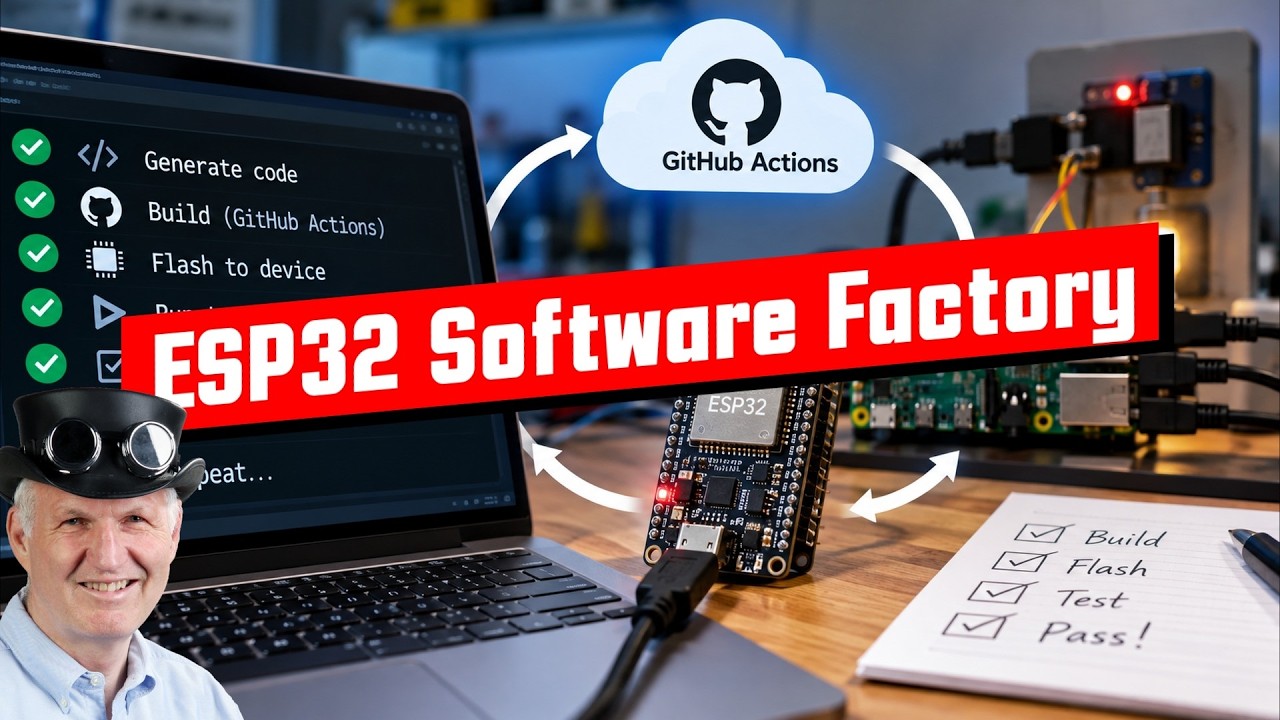
From Idea to Working ESP32 — AI Does Everything!
This video showcases how an AI agent can autonomously create complete applications for the ESP32 microcontroller. Instead of the traditional trial-and-error approach where you flash code, debug, and fix issues manually, this setup allows the AI to handle everything from writing the firmware to flashing it on the hardware, running tests, and even troubleshooting failures—all at impressive speed.
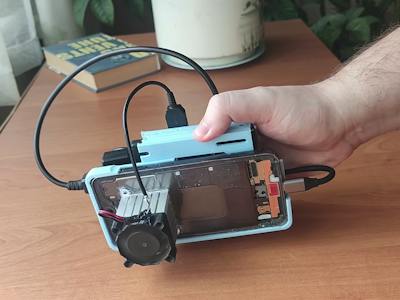
The $40 Gaming PC Built From a Broken Smartphone
YouTuber LastComputer has transformed a damaged Samsung Galaxy S23 smartphone into a gaming PC for just $40. With flagship smartphones boasting powerful processors and GPUs, repurposing an old device like this can be a cost-effective way to create a gaming rig, especially since the resale value of older models drops significantly as new ones are released.
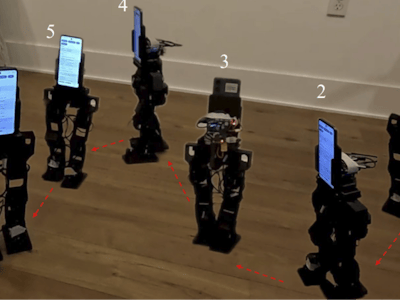
Don't Throw Away Your Old Phone — Build a Robot Instead
Researchers at UCLA have developed PhoneBot, an open-source humanoid robot that utilizes an old Android smartphone as its brain. Instead of relying on expensive electronics typically needed for robotics, PhoneBot leverages the powerful capabilities of smartphones, including processors, cameras, and motion sensors. Standing about 19 inches tall and weighing four pounds, it can walk on two legs, track objects with its camera, and right itself after a fall, all while costing around $400 to build, excluding the smartphone.
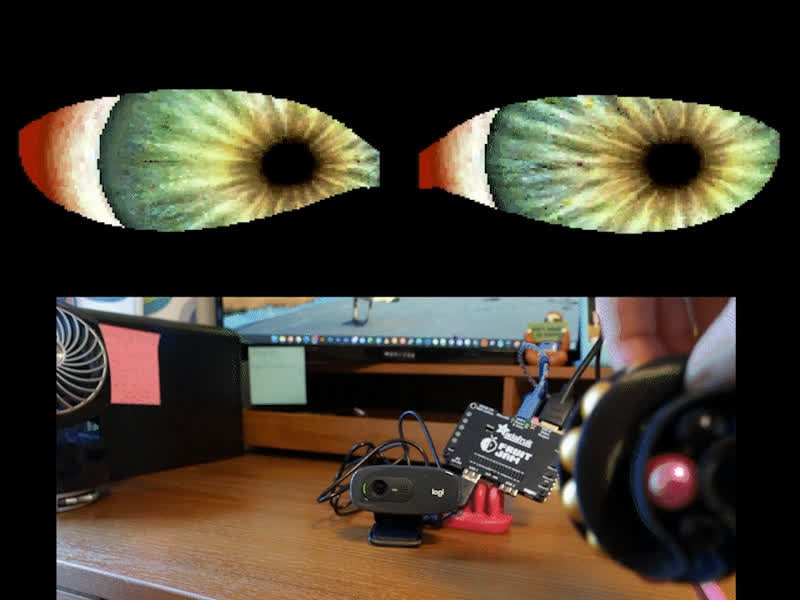
NEW GUIDE: Fruit Jam Motion Tracking Eyeballs
The article introduces a project that combines a USB webcam with a Fruit Jam board running CircuitPython to create motion-tracking eyeballs. As the webcam detects movement, the eyes visually track that motion, giving the illusion that they're watching whatever moves in front of them.

LED Bubble Hair Extensions with Motion Controlled Effects
The article discusses the creation of LED Bubble Hair Extensions, a unique wearable project that combines colorful LED seed pixels with bubble-braid hair extensions. Designed by Erin St Blaine, these extensions react to head movements using an LIS3DH accelerometer, producing dynamic light animations. When you shake your head, the LEDs change from a gentle falling-rain effect to a more intense storm, complete with flashes of lightning.
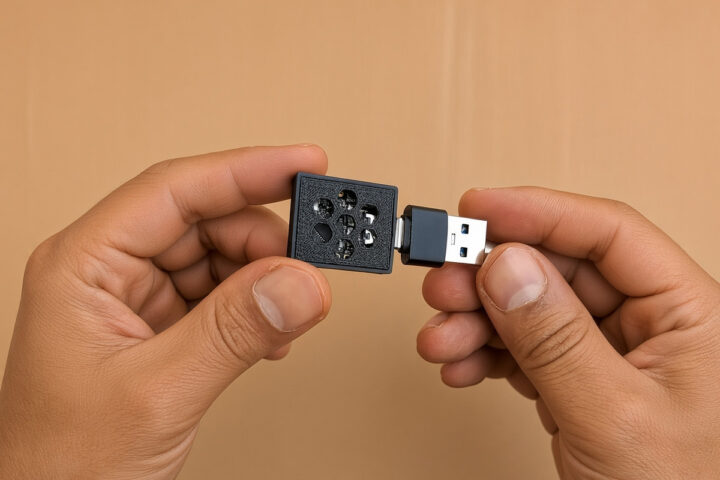
Open-source ESP32-C3 DNS ad blocker supports up to over 500,000 domains without PSRAM
The article discusses the esp32-c3-adblock, an open-source DNS ad blocker created by Zed (M-Abozaid) that operates on the inexpensive ESP32-C3 microcontroller. This device can filter out ads and tracking domains for devices connected to a home or small office network without needing additional PSRAM (Pseudo Static Random Access Memory). Instead of using traditional RAM for storage, it cleverly utilizes flash memory to store sorted 40-bit FNV-1a hashes of domain strings, allowing it to handle over 500,000 domains effectively.
The making of a very fast SPI flasher
This article details the creation of a high-speed Serial Peripheral Interface (SPI) flasher designed to program NAND flash memory quickly and efficiently. The author breaks down their approach, focusing on optimizing the hardware and software aspects to achieve impressive speeds. They utilize a combination of custom firmware and an FPGA (Field-Programmable Gate Array) to handle the flashing process, significantly reducing the time required compared to traditional methods.
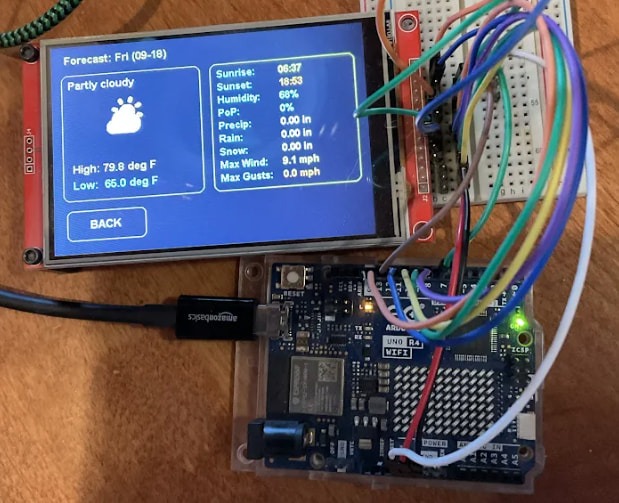
Porting a weather station app from the Arduino® GIGA™ R1 to the Arduino® UNO™ R4 boards
KurtE and Merlin513 successfully ported a weather station application from the Arduino® GIGA™ R1, which features a powerful dual-core STM32H747XI microcontroller, to the more limited Arduino® UNO™ R4 WiFi board. The original app, built on ZephyrOS, showcased local weather data through a graphical user interface (GUI) on a touchscreen. The GIGA R1's robust processing capabilities allowed for a rich feature set, but the transition to the UNO R4 required significant optimization due to its single-core Renesas RA4M1 microcontroller, operating at just 48 MHz with only 32 kB of RAM.
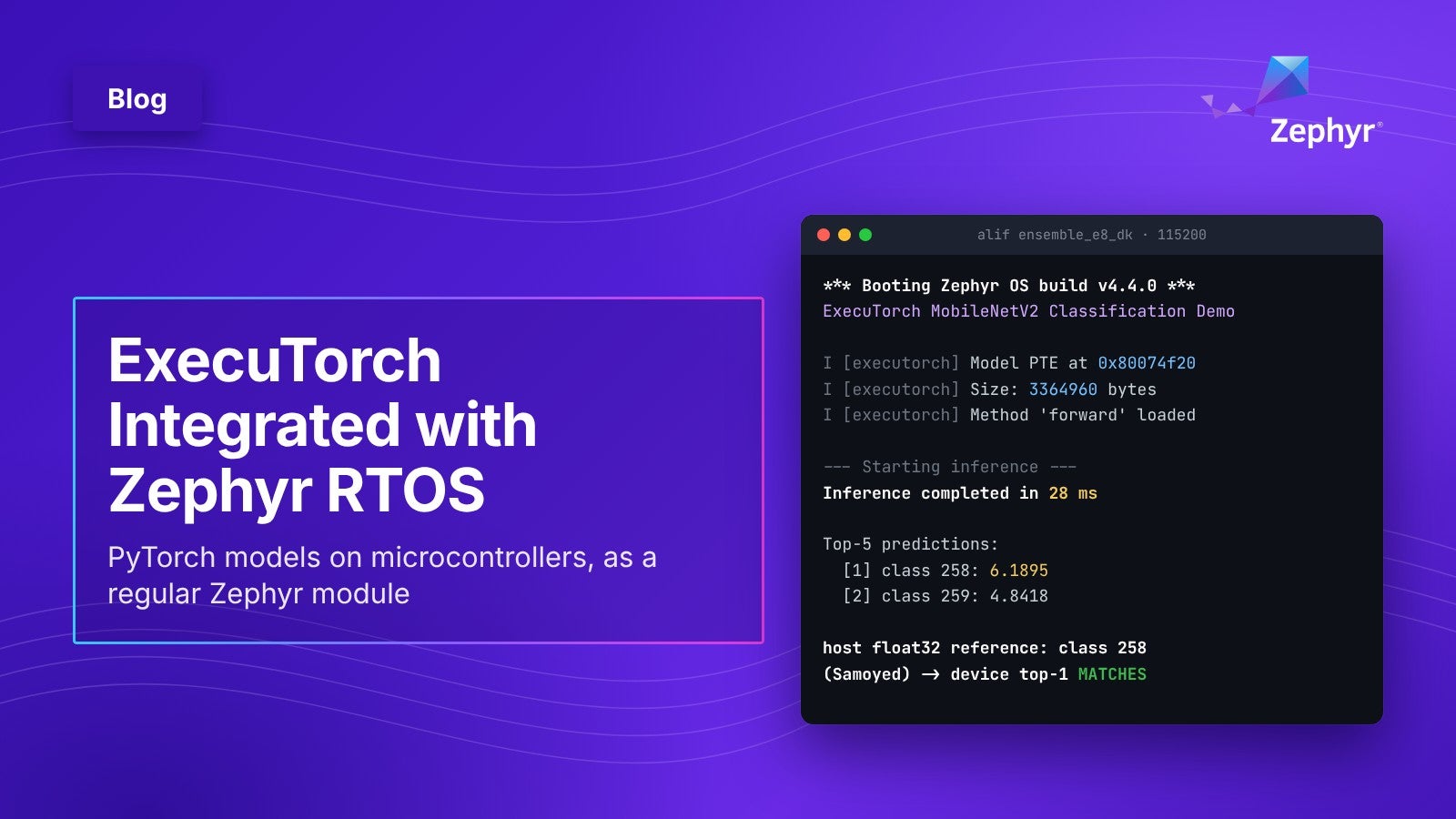
ExecuTorch Integrated with Zephyr RTOS
ExecuTorch has been integrated as an official module within the Zephyr Real-Time Operating System (RTOS). This open-source runtime stack from PyTorch allows developers to run AI models locally on edge devices, which can range from smartphones to microcontrollers. Now, by simply adding ExecuTorch to your project manifest and configuring it in the `prj.conf` file, you can easily deploy PyTorch models on small devices with minimal effort.
Jetson Won’t Boot? From Power-On to Ubuntu — A Real Boot Log Walkthrough
This article provides a detailed walkthrough of the boot process for the Jetson Orin, specifically focusing on analyzing a real UART boot log. It builds upon the previous discussion about the Jetson software stack and addresses a common issue faced by users: troubleshooting boot failures. The author, an application engineer from Seeed, guides readers through the various stages of the boot process, explaining what happens from the moment the power button is pressed until Ubuntu loads.

Fed Up with Kindle? Check Out This DIY eReader Alternative
A Reddit user known as No-Macaron4341 is developing a DIY eReader called the OctoFox Book, which aims to provide an alternative to Amazon’s Kindle devices. Frustrated by the limitations of Kindle, the creator has built a compact eReader using a LilyGo T4 ESP32-S3 development board and a 4.7-inch e-paper screen, housed in a translucent green resin 3D-printed case. This device features physical buttons for navigation and runs custom firmware that allows users to read ebooks stored on a microSD card.
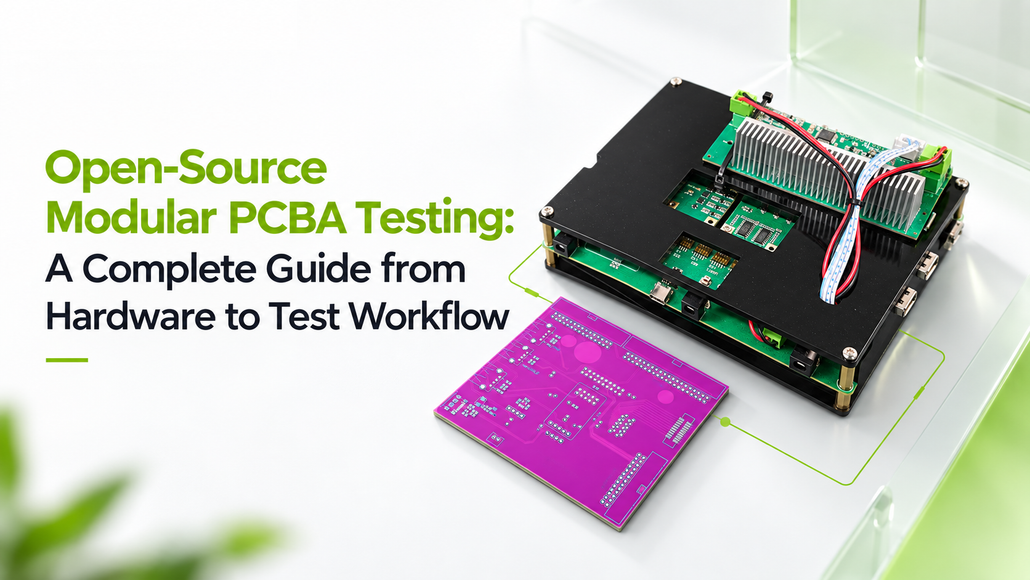
Open-Source Modular PCBA Testing: A Complete Guide from Hardware to Test Workflow
This article outlines a modular approach to testing Printed Circuit Board Assemblies (PCBA) using an open-source framework. The system consists of three main components: a Universal Test Box, product-specific Adapter Boards, and configurable test software. This setup allows engineers to create a reusable testing architecture, significantly reducing the time and effort required for hardware and software development for different products.
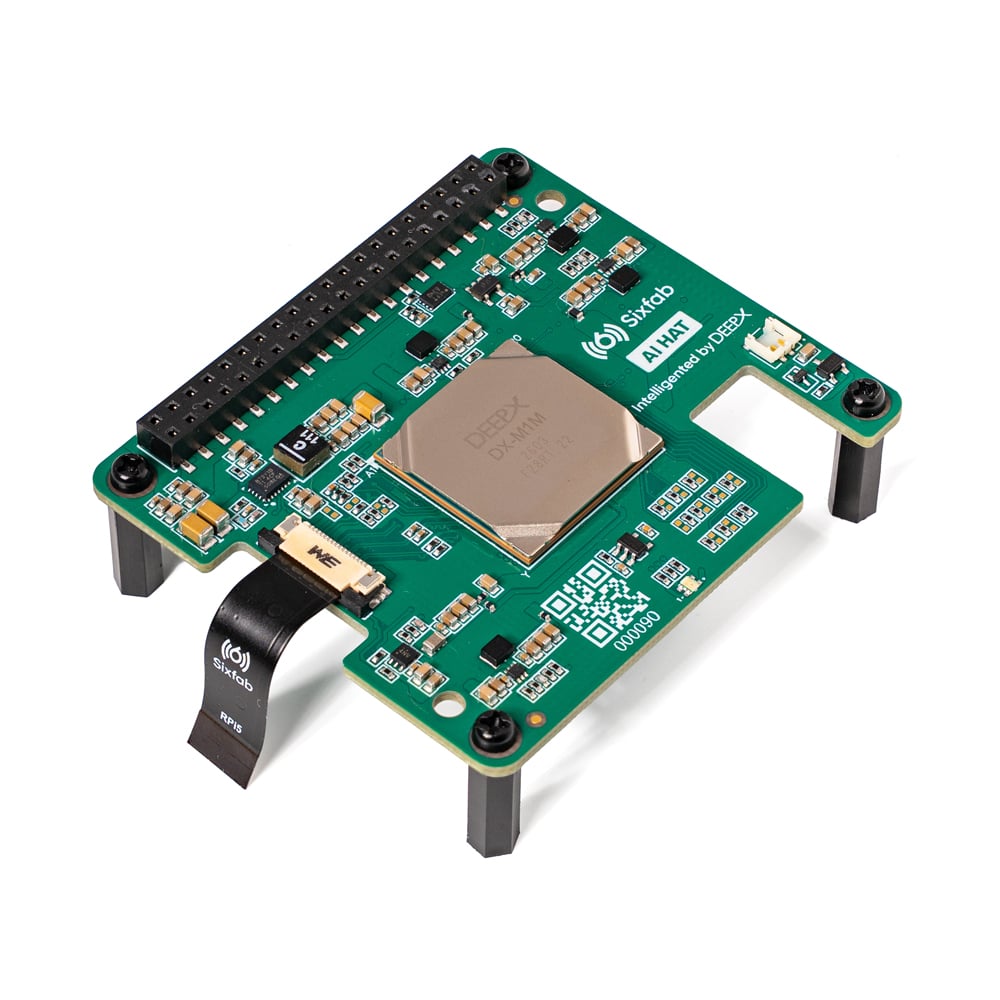
Seeing, understanding, and responding: low-power CNN, VLM and SLM workloads on Raspberry Pi 5
The article discusses the capabilities of the Raspberry Pi 5 when paired with the Sixfab AI HAT+, an AI accelerator that utilizes the DEEPX DX-M1M Neural Processing Unit (NPU). This combination enables efficient execution of low-power Artificial Intelligence (AI) tasks, including computer vision and language processing, all without relying on a constant cloud connection. The NPU delivers 25 trillion operations per second (TOPS) while maintaining a power consumption of around 3 watts, which is crucial for running AI at the edge in applications like smart cameras and robotics.
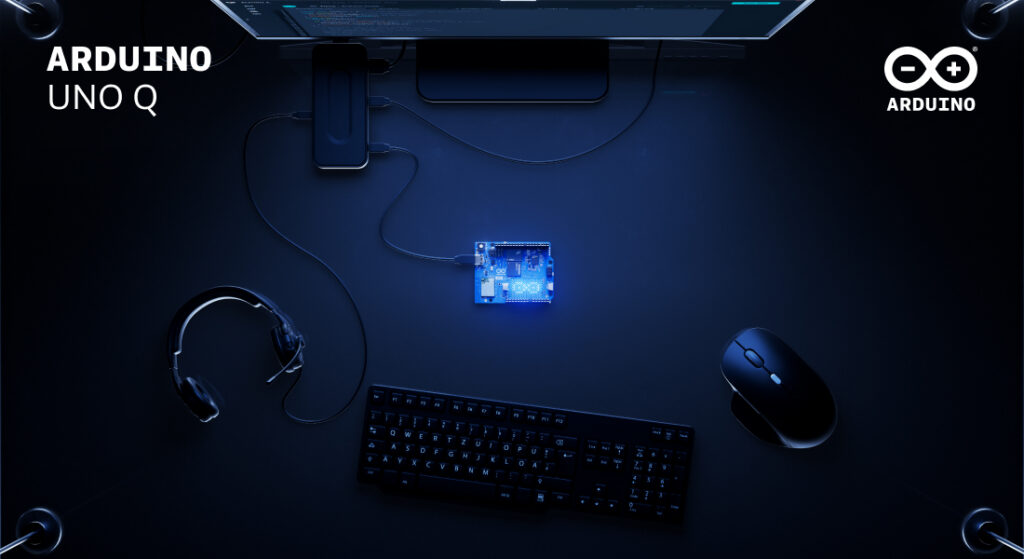
From Home Assistant to AI agents: what Linux unlocks on the Arduino® UNO™ Q board
The Arduino UNO Q board combines a powerful dual-brain architecture with a microcontroller for high-performance computing and real-time hardware control. It features a Linux environment on the microprocessor unit (MPU) side, allowing users to run familiar open-source software, while the STM32H5 microcontroller operates on Zephyr Real-Time Operating System (RTOS) to manage time-sensitive tasks. This setup opens up a range of possibilities for developers looking to create advanced projects.
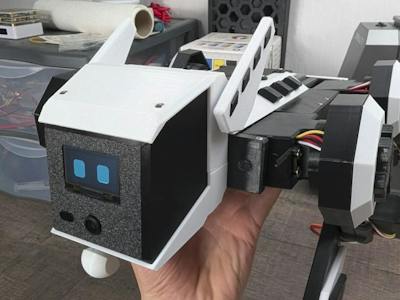
Paul Loisil's TNY-360 Is an Open-Hardware Espressif ESP32-S3-Powered Robot Dog for Everyone
Paul Loisil has introduced the TNY-360 v2, a second-generation open-hardware quadrupedal robot dog designed to make robotics more accessible. The TNY-360 is powered by an Espressif ESP32-S3 microcontroller, which utilizes its dual cores to manage both kinematic calculations and user interface functionalities while simplifying assembly and wiring. Loisil's aim was to create a robot that balances functionality with ease of use, addressing common frustrations faced by newcomers in robotics.
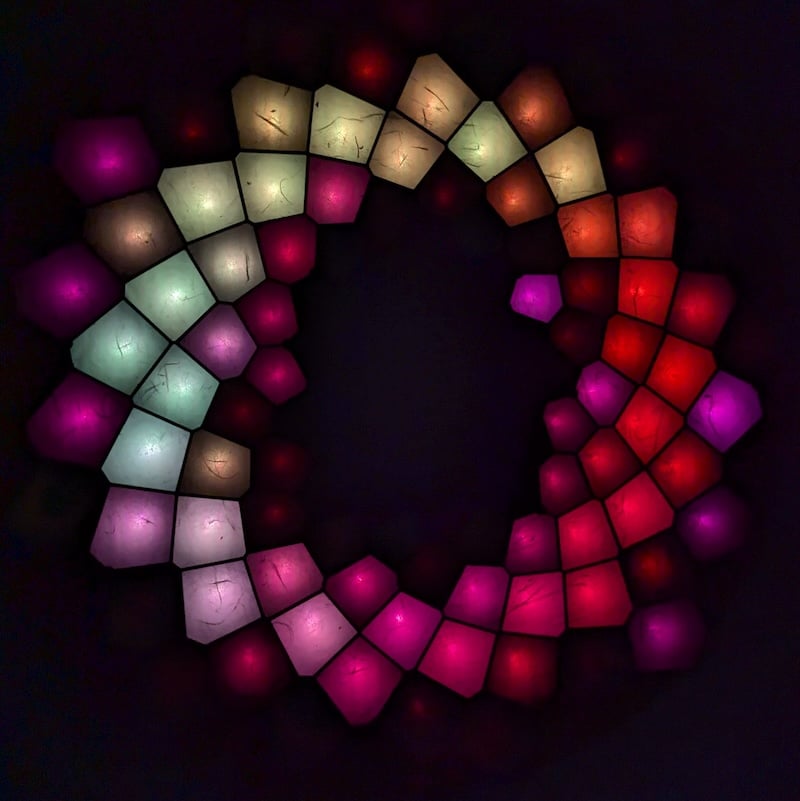
Phyllotaxis: An audio-reactive LED display
The article showcases a project by Jagi Natarajan that combines nature-inspired design with technology by creating an audio-reactive LED display based on the concept of phyllotaxis. This term refers to the arrangement of leaves on a plant, often resulting in beautiful spiraling patterns. Natarajan's display features 89 individual cells, each equipped with an addressable LED, and responds dynamically to audio inputs, creating a visually striking experience that evolves with sound.
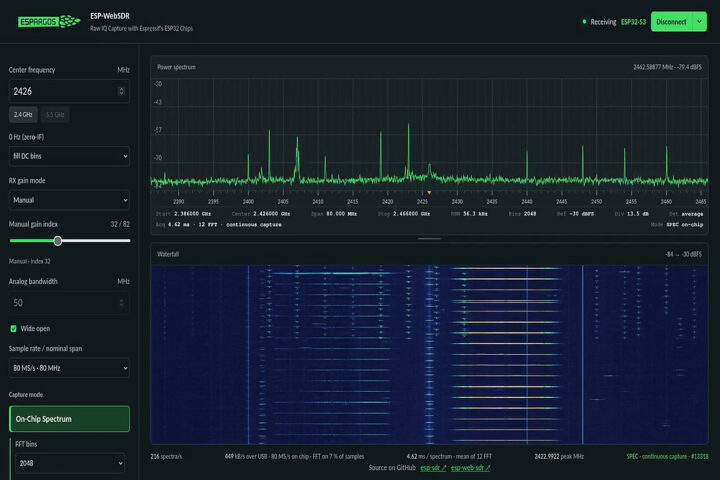
ESP-SDR firmware turns ESP32 into a 2.4/5 GHz Software-Defined Radio (SDR)
ESP-SDR firmware transforms the ESP32 microcontroller into a Software-Defined Radio (SDR) capable of receiving signals in the 2.4 GHz and 5 GHz frequency bands, all without needing extra hardware. This open-source firmware allows users to access the internal Analog-to-Digital Converter (ADC) of the ESP32 to capture raw In-phase and Quadrature (I/Q) samples, which can then be processed on a computer via USB or UART. It supports various ESP32 chips, including the ESP32-C3, ESP32-C5, and ESP32-S3, among others.
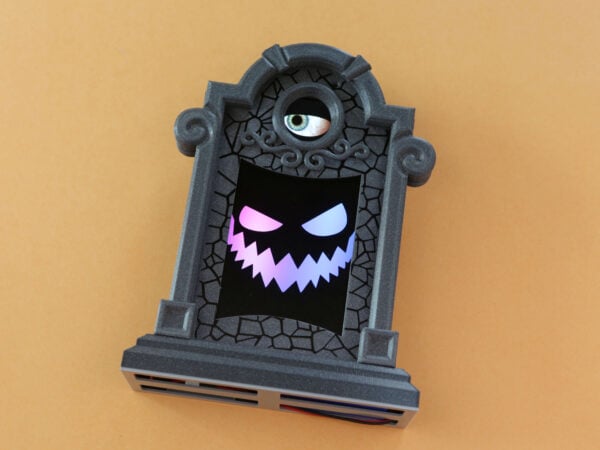
HalloWing M4 Tombstone
The HalloWing M4 Tombstone project involves creating a 3D printed, light-up tombstone that features an animated eye. This project uses the HalloWing M4 microcontroller and NeoPixel LED strips, allowing you to display a custom message or spooky face on your tombstone. It’s a fun and festive way to add some flair to your Halloween decorations.
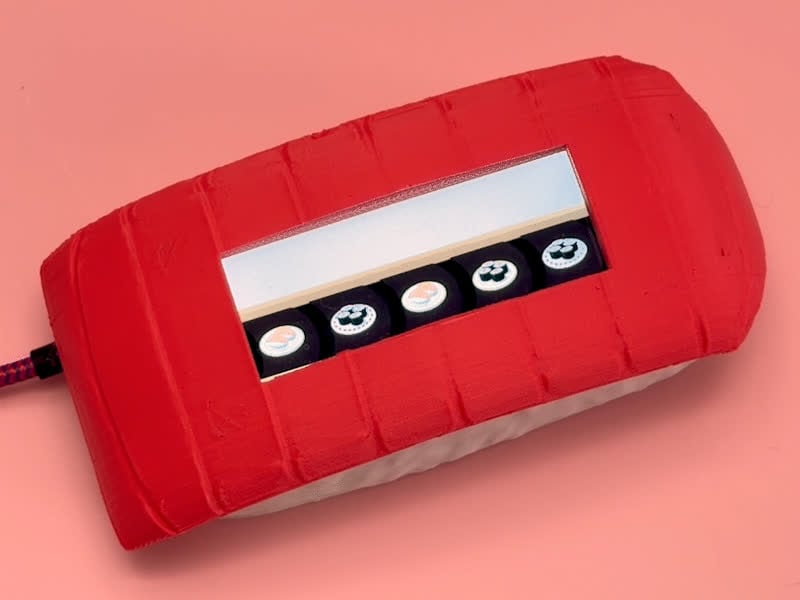
NEW GUIDE: CircuitPython Turbo Sushi Conveyor Belt
Adafruit has released a new guide for creating a CircuitPython-powered sushi conveyor belt animation using the Qualia S3 long bar display. Initially, the project was attempted using Arduino with PlatformIO due to performance issues in CircuitPython. However, the recent Turbo update in CircuitPython has significantly improved performance, allowing the sushi animation to run smoothly on the display.
How to Design a Capacitive Sensor for Liquid Level Measurements
The article explains how to create a capacitive sensor for measuring liquid levels using fringing field capacitance, specifically leveraging the AnalogPAK integrated circuit (IC) for this purpose. The design focuses on a non-contact method, which means it can accurately measure liquid levels without physically touching the liquid, making it suitable for a variety of applications where contamination or wear is a concern.
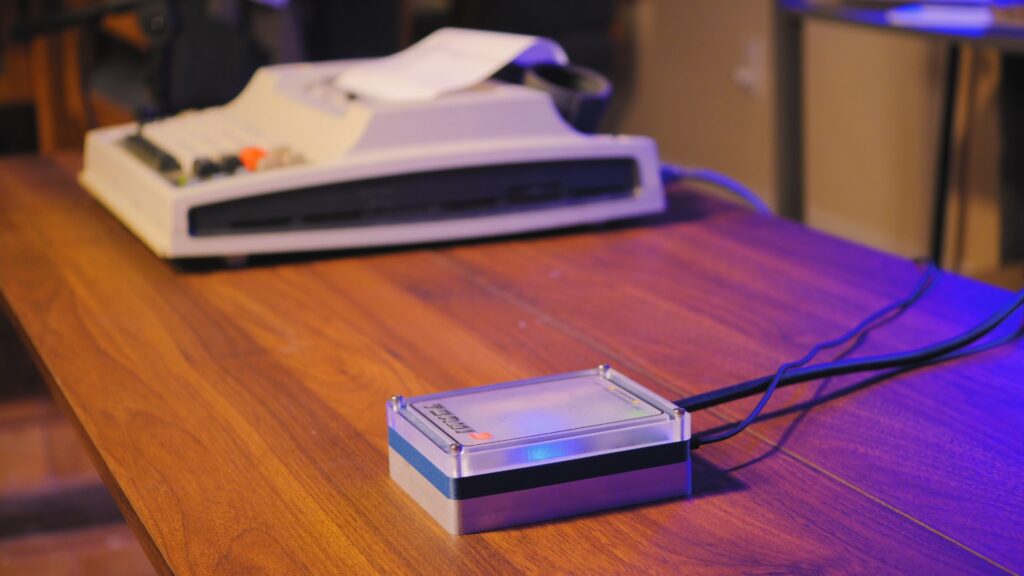
An Arduino® UNO™ Q lets this vintage terminal answer questions without internet access
Cameron Coward has created an interesting project where he connects an Arduino UNO Q to a vintage Texas Instruments Silent 700 terminal, allowing it to answer questions without needing an internet connection. This retro terminal, originally used in the 1970s for input/output tasks, now gets a modern twist with Coward's setup, named Termi3. Users can type their questions, and the terminal prints the responses.
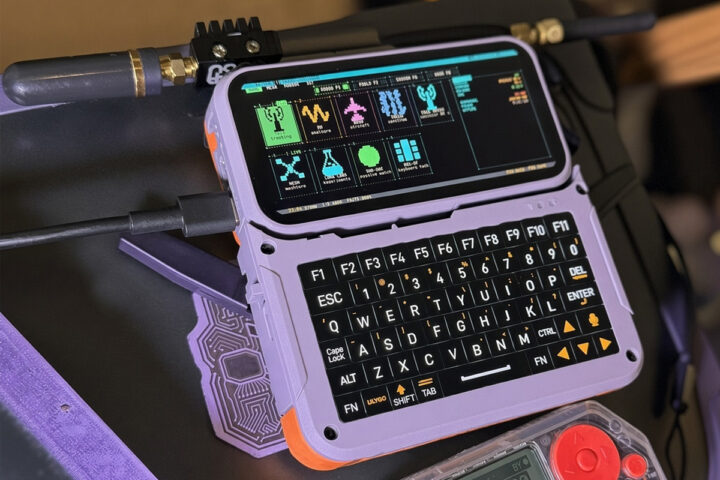
LakeShark firmware turns LilyGO T-Display P4 into a handheld ESP32-P4 SDR scanner
LakeShark is an open-source firmware developed by Samuel Reynolds (SAMS0N1TE) that transforms the LilyGO T-Display P4, powered by the ESP32-P4 chip, into a portable Software Defined Radio (SDR) scanner. By connecting it with an RTL-SDR Blog V3 or V4 dongle, users can decode various radio signals, including P25 Phase I trunking, analog FM/AM, POCSAG pager messages, and 1090 MHz ADS-B data without needing a separate computer or mobile device.
An RS-485 Pressure Sensor Interface Board Compatible with Arduino
This article explains how to create an interface board for an RS-485 pressure sensor that works with Arduino. The board allows users to read pressure data from the sensor and transmit it over an RS-485 network, which is useful for long-distance communication in industrial settings.
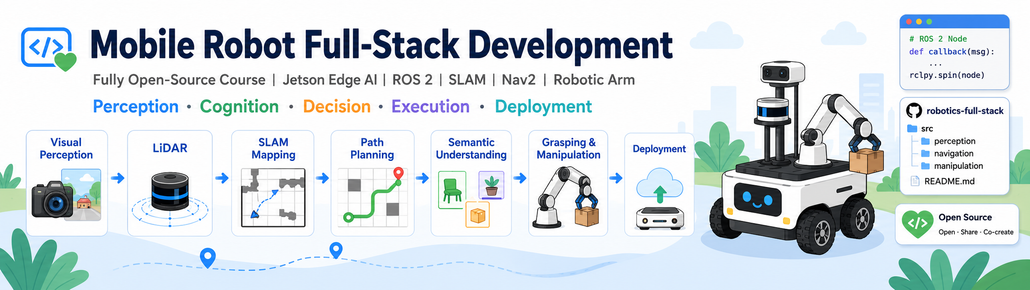
Mobile Robot Full-stack Development In Practice Ⅰ: Build the Robot Brain First — Jetson, ROS 2, and the Development Foundation
The article introduces the first part of a hands-on course called "Mobile Robot Full-stack Development in Practice," which focuses on building a mobile robot's core systems before diving into its algorithms. Instead of treating robotics as a series of disconnected tasks, the course emphasizes understanding how various components work together, starting from the computing platform and extending through perception, sensor fusion, and navigation.
New Learn Guide: PixelDust Digital Sand for CircuitPython
Adafruit has released a new guide for PixelDust Digital Sand, which allows users to create simulated sand particle effects using CircuitPython. This is a significant shift from previous demos that required platforms like Arduino or Raspberry Pi, making it easier for users to implement these visual effects on microcontrollers. Thanks to recent enhancements in CircuitPython, particularly with the introduction of Turbo modules and the Picogame library, you can now run these particle simulations more efficiently.

CircuitPython POV Bike Wheel
The article describes a project that transforms a bicycle wheel into a vibrant persistence-of-vision display using CircuitPython. Created by Erin St Blaine, this setup utilizes six high-speed LED strips mounted on three spokes, controlled by a Feather microcontroller. As the wheel spins, the microcontroller displays colorful patterns and images while a magnetic sensor adjusts the timing based on the wheel's speed.
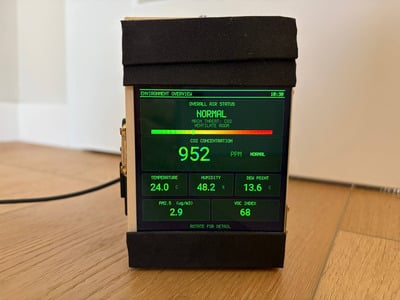
AIR PRO: a Pip-Boy style air quality monitor with Qualia S3 and SEN66
Edgar S has created the AIR PRO, a stylish air quality monitor reminiscent of the Pip-Boy from Fallout. This device features a Qualia S3 display driving a round screen and uses a Sensirion SEN66 sensor module to measure various air quality metrics. It tracks CO2 levels, particulate matter (PM1.0 to PM10), volatile organic compounds (VOCs), nitrogen oxides (NOx), temperature, and humidity, updating every two seconds.
Animate a Halloween skeleton — Raspberry Pi Book of Making 2027
The article discusses a fun Halloween project from the *Raspberry Pi Book of Making 2027*: animating a glow-in-the-dark skeleton using a Raspberry Pi Pico microcontroller. The project is timely for October, allowing you to create your own animated decorations, perfect for the spooky season.
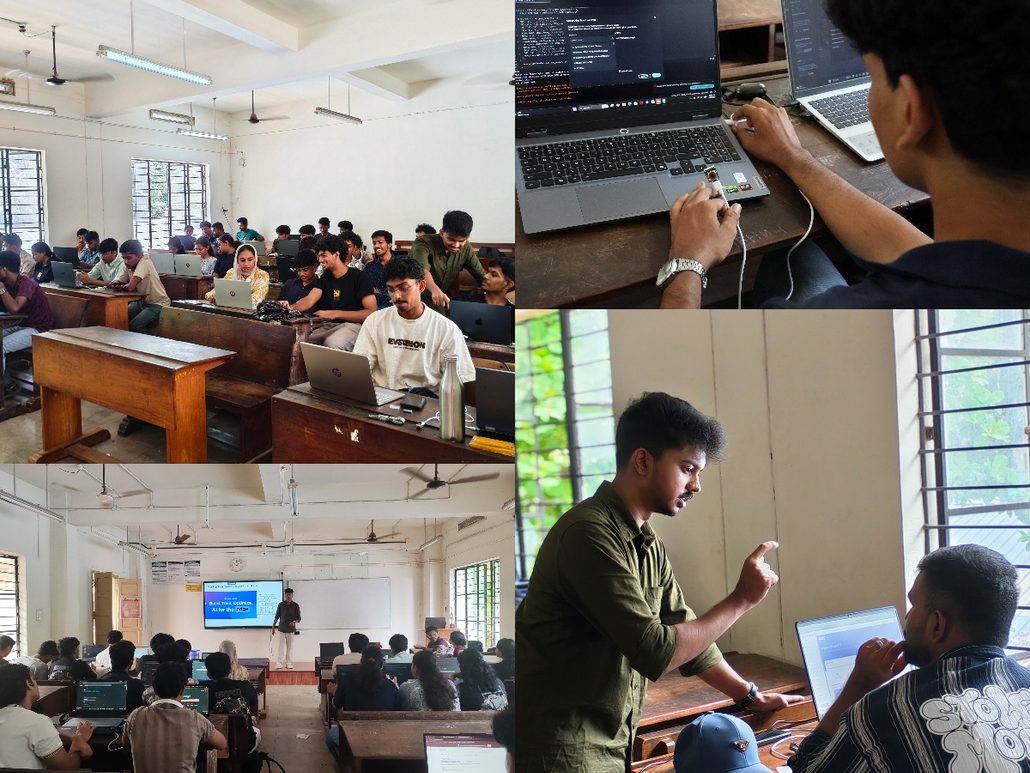
From Zero to Edge Intelligence: A TinyML Workshop at CET
The article covers a hands-on workshop titled "TinyML: From Zero to Edge Intelligence," held at the College of Engineering Trivandrum (CET) during their tech fest, Drishti ’26. Over two days, 56 participants learned to create and deploy machine learning models for edge devices, going from zero experience to developing functional AI applications. The workshop was organized by IEEE student branches and aimed to provide practical skills in edge AI technologies.
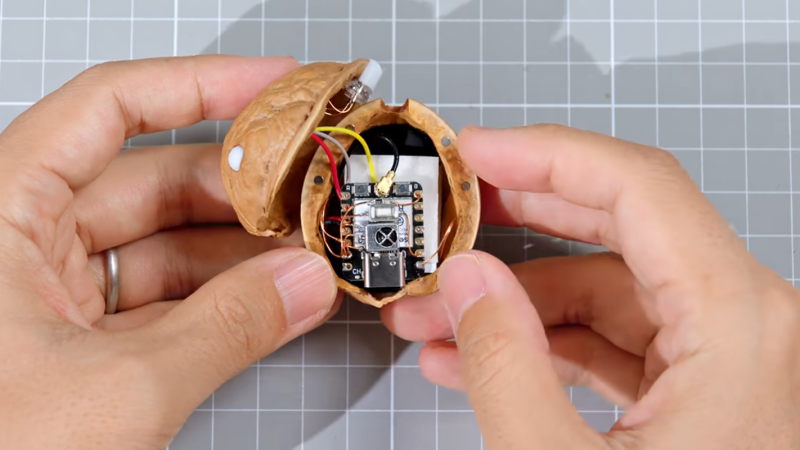
An IR Blaster Project, in a Nutshell
This article showcases a creative project where a maker has turned a walnut shell into an infrared (IR) blaster. The project utilizes a tiny ESP32-C3 microcontroller, which is small enough to fit inside the walnut, along with strategically placed LEDs. After enjoying the walnut as a snack, the maker sealed the shell with neodymium magnets and set up the electronics to control the LEDs.
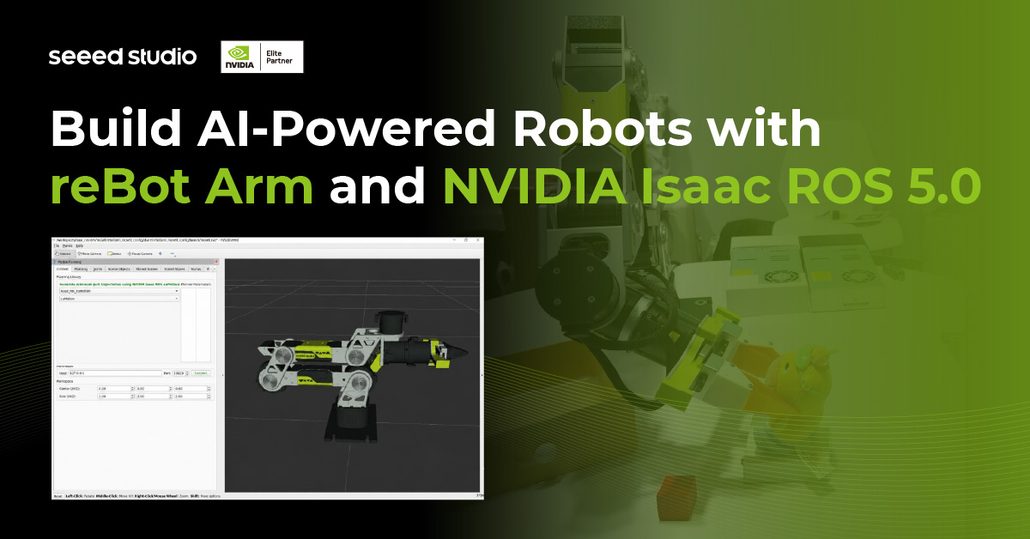
Build AI-Powered Robots with reBot Arm and NVIDIA Isaac ROS 5.0
NVIDIA's Isaac ROS 5.0 is a significant update to their robotics software, designed to enhance the capabilities of robots by enabling them to perceive, reason, plan, and act in dynamic environments. This version introduces new features for developers, including GPU-accelerated packages that integrate seamlessly with the open-source Robot Operating System (ROS). The update also supports ROS 2 Lyrical and Ubuntu 24.04, allowing developers to leverage the latest tools while benefiting from NVIDIA's accelerated computing.
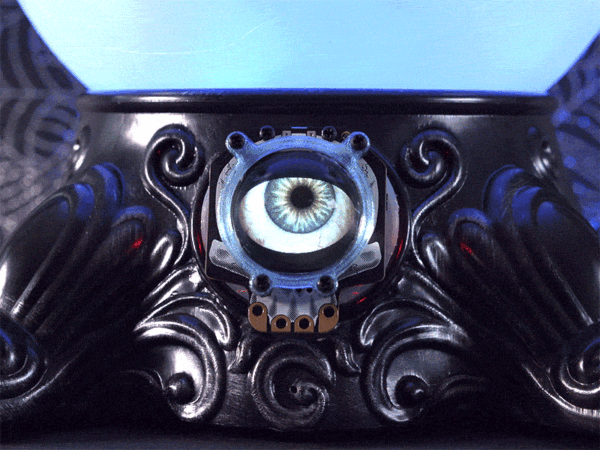
HalloWing M4 Animated Eye Candy Bowl
The HalloWing M4 Animated Eye Candy Bowl is a fun Halloween project that combines an Adafruit HalloWing M4 microcontroller with NeoPixel LEDs to create an interactive candy bowl. It features touch-sensitive pads that let you change the LED animations, making it a visually engaging piece for trick-or-treaters.