Rising Edge Digital • Hardware & Embedded Systems for Software Developers
Gluing 8192 MCUs Together to Make a GPU · Cyberdeck Raspberry Pi 4/5 · Game Boy Advance Dev
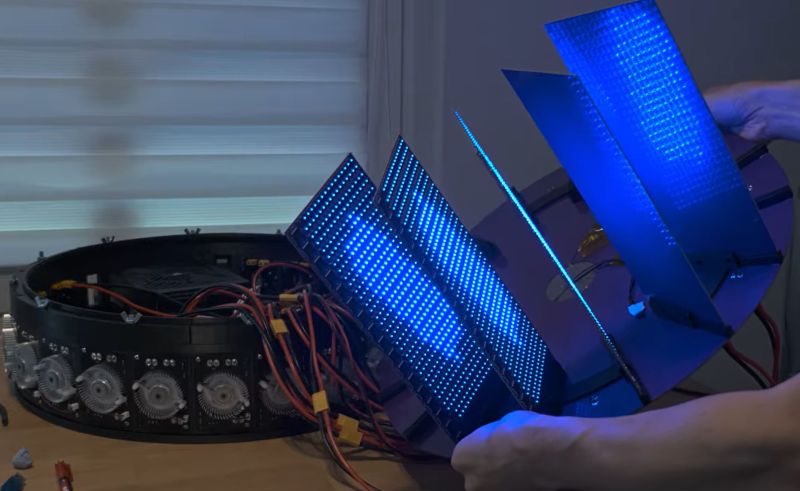
Gluing 8192 MCUs Together to Make a GPU
Bitluni's latest project involves assembling a staggering 8,192 CH570 microcontrollers (MCUs) into a functioning graphics processing unit (GPU) prototype. Each MCU houses a QingKe 32-bit RISC-V core, operating at a maximum clock speed of 100 MHz. The idea is to dedicate one MCU per pixel, but scaling this up leads to significant hardware costs and power requirements, reaching around $2,000 for the components and consuming approximately 2 kW of power for a resolution close to QVGA (320x200).
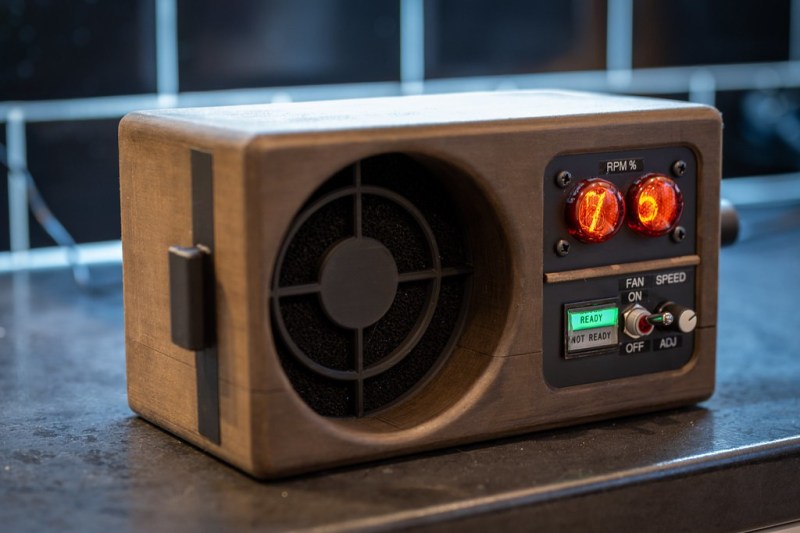
Extract Fumes in Midcentury Style With Nixie Tubes and Military Surplus
This article showcases a unique fume extractor designed by George Conneely, which combines functionality with mid-century aesthetics, featuring Nixie tubes for a retro touch. Instead of using a typical industrial fan-and-filter setup, George opted for a visually appealing solution that also serves as a conversation piece in any workshop.
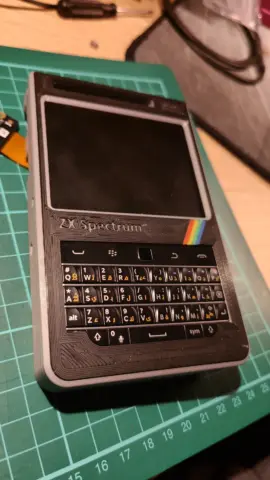
Blackberry Pi Handheld Cyberdeck
The article features a compact, retro-style handheld device called the Blackberry Pi, designed by IMBalENce. This unique gadget is powered by a Raspberry Pi and mimics the form factor of a classic Blackberry phone, making it an ideal platform for portable Linux tinkering. The design emphasizes ergonomics, inspired by the Blackberry keyboard, which enhances the user experience for those interested in DIY electronics projects.
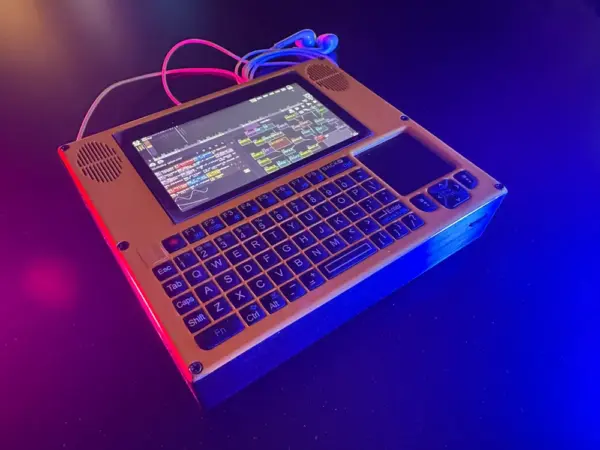
Cyberdeck Raspberry Pi 4/5 – Mini Music Workstation
The project featured is a Raspberry Pi 4-powered cyberdeck designed to serve as a mini music workstation. It integrates a Teensy 4.1 microcontroller, which runs the M8 tracker in a headless mode, making it a portable solution for music production. The setup includes a Raspberry Pi 4, a 10,000mAh battery for extended usage, an 800×480 Waveshare DSI screen, and a Rii Mini X1 keyboard that can double as piano keys.
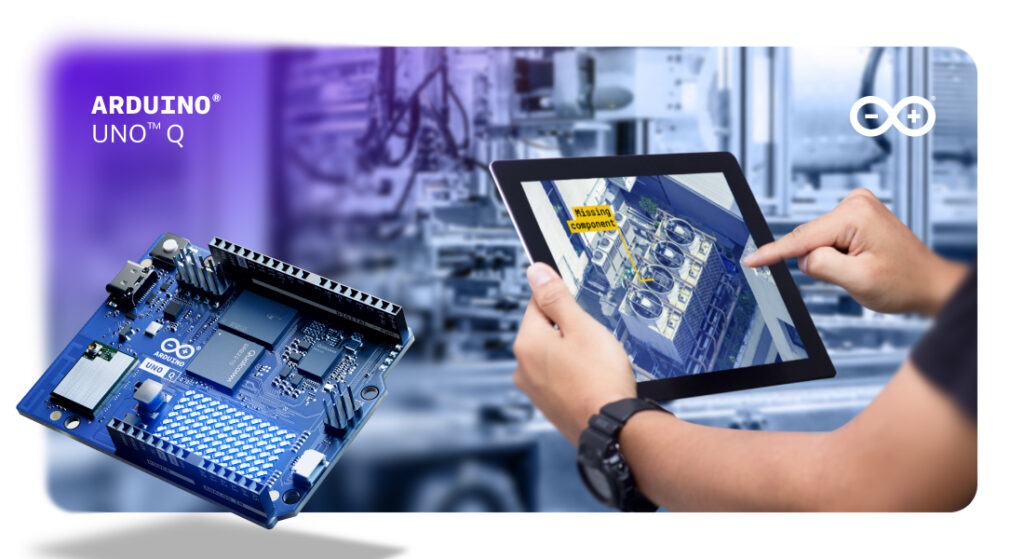
How to achieve cost-effective predictive maintenance with the Arduino® UNO™ Q board
The article discusses how to utilize the Arduino® UNO™ Q board for cost-effective predictive maintenance in machinery. It highlights the importance of monitoring vibration signals from rotating equipment, as these signals can reveal early signs of potential failures before they cause breakdowns. The UNO Q serves as a versatile platform that can gather vibration data and run local machine learning models to detect anomalies without relying on complex cloud infrastructures.
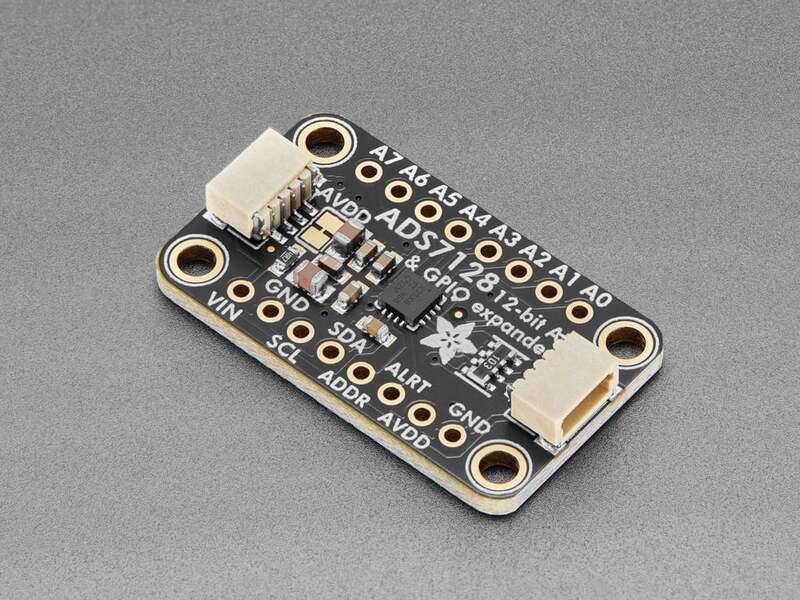
NEW GUIDE: Adafruit ADS7128 8-Channel ADC and GPIO Expander
The Adafruit ADS7128 is an 8-channel Analog-to-Digital Converter (ADC) and General Purpose Input/Output (GPIO) expander that combines the functionality of both types of devices. It can operate on either 3.3V or 5V logic, and each of its eight I/O pins can be configured individually. This means you can set them up for 12-bit Successive Approximation Register (SAR) analog input, as well as push-pull or open-drain digital output, or digital input.
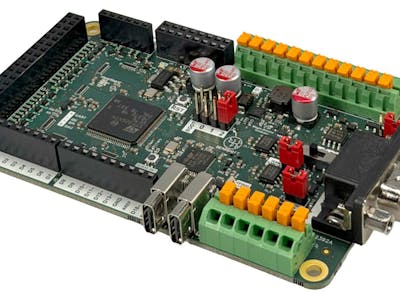
ARDEP Takes the Pain Out of Automotive Electronics
ARDEP (Automotive Rapid Development Platform) is an open-source hardware and software platform designed to streamline the development of automotive electronics. It integrates essential features like dual CAN-FD channels, LIN connectivity, and automotive-grade power protection into a single board, eliminating the need for multiple interface boards and expensive proprietary tools. ARDEP is built around an STM32G474VE microcontroller running Zephyr Real-Time Operating System (RTOS), making it easy for developers to start communicating with vehicle electronic control units without the hassle of assembling a complex setup.
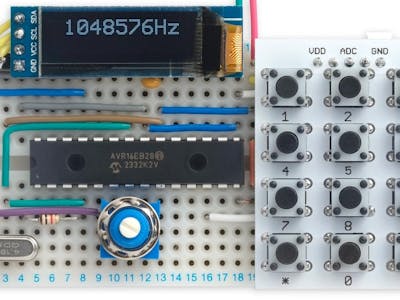
This DIY Signal Generator Replaces Your Entire Collection of Oscillators
David Johnson-Davies has created a versatile DIY Digital Signal Generator that can replace a whole collection of oscillators. This device can generate frequencies ranging from 2 Hz to 33.5 MHz in precise 2 Hz increments, making it a handy tool for anyone working with microcontrollers, FPGAs, or even vintage CPUs. Instead of relying on traditional timer circuits, Johnson-Davies utilizes the Numerically Controlled Oscillator (NCO) feature of Microchip Technology's AVR EB-series microcontrollers, which allows for accurate frequency generation across a broad range.
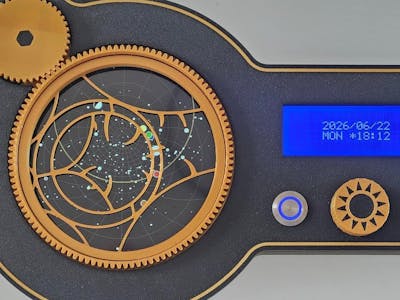
This Astrolabe Is Digital, Electronic, and Mechanical
This project showcases a modern take on the ancient astrolabe, a mechanical device historically used for navigation and astronomy. Redditor chu-bert has created a hybrid astrolabe that combines digital, electronic, and mechanical elements, enhancing the traditional design with contemporary technology. This new version features a mechanical wheel for intuitive adjustments, making it both functional and engaging to use.

Game Boy Advance Dev: Logging to the console
The article discusses a method for logging output to the console while developing for the Game Boy Advance (GBA). The author, Matt Greer, provides insights on how to implement console logging in GBA development, which can be particularly useful for debugging and analyzing game performance. He explains how to set up a simple logging system that writes messages to the GBA's debug console, making it easier to track down issues and understand the game's behavior.
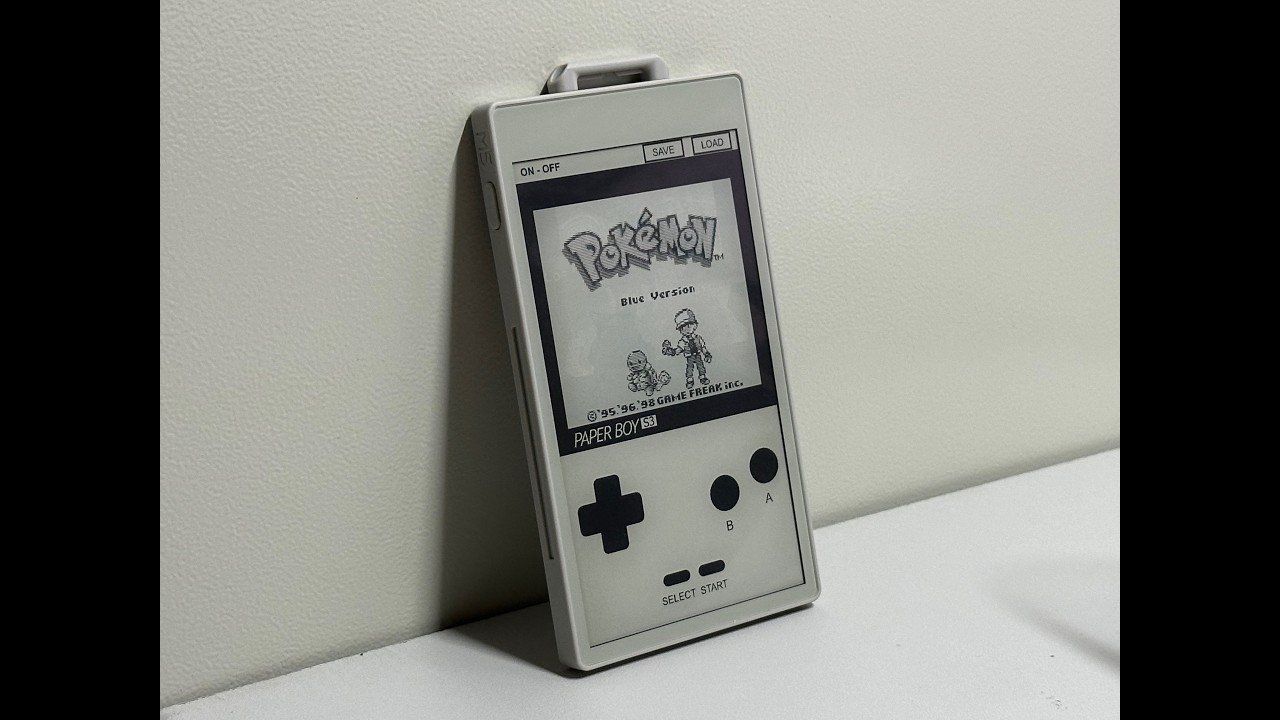
GameBoy Emulator on ESP32 + Eink
The article covers a project where an engineer has created a GameBoy emulator using the ESP32 microcontroller and an E Ink display. This combination allows for a low-power, portable gaming experience reminiscent of the classic handheld console. The ESP32 is a versatile chip known for its Wi-Fi and Bluetooth capabilities, making it suitable for various DIY electronics projects.
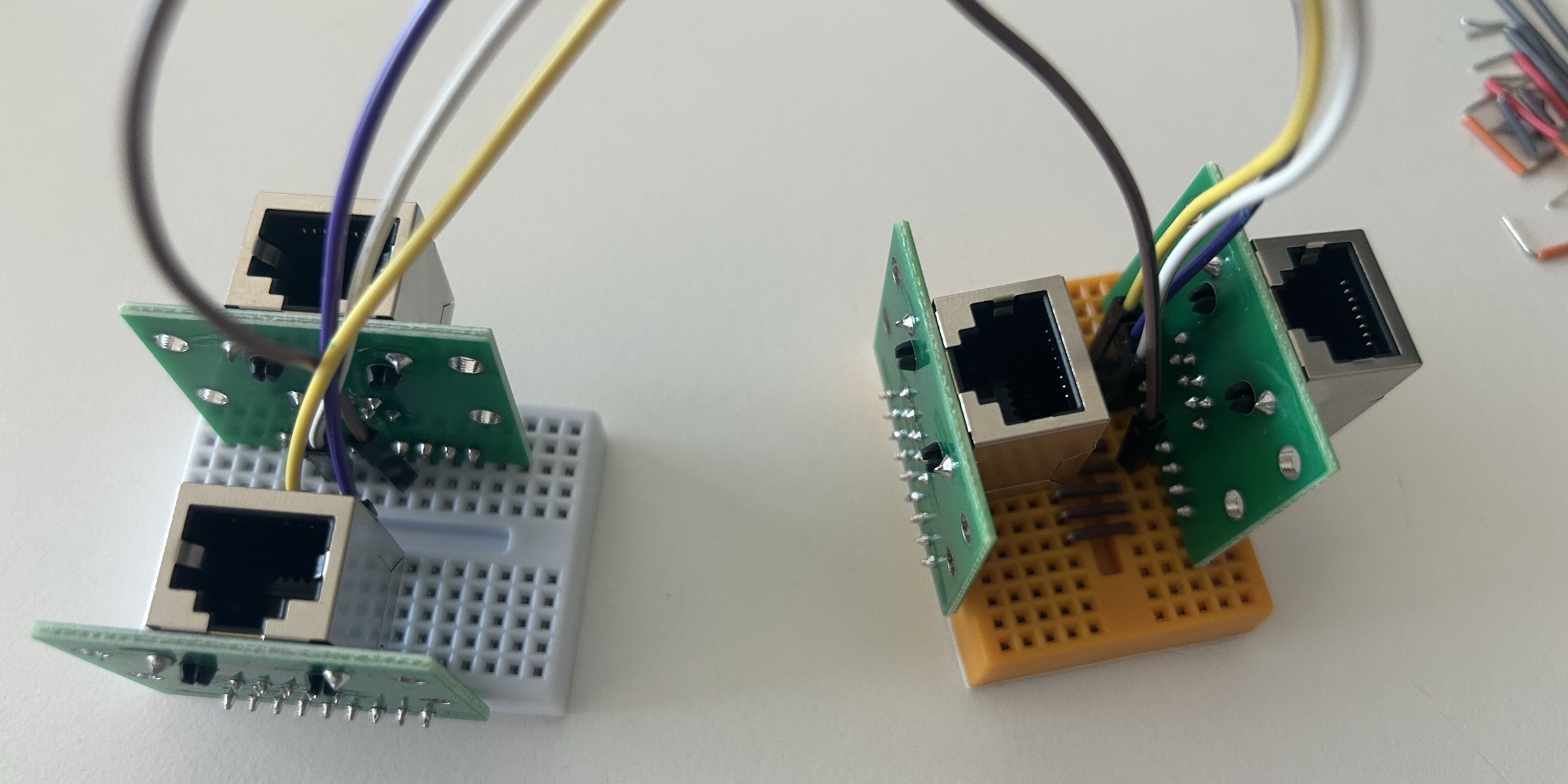
Building a passive Ethernet tap
The article details the construction of a passive Ethernet tap, a device designed to monitor Ethernet traffic without actively interfering with the network. This tap allows for data to be captured from an Ethernet connection by simply splitting the signal, making it useful for network analysis and troubleshooting.
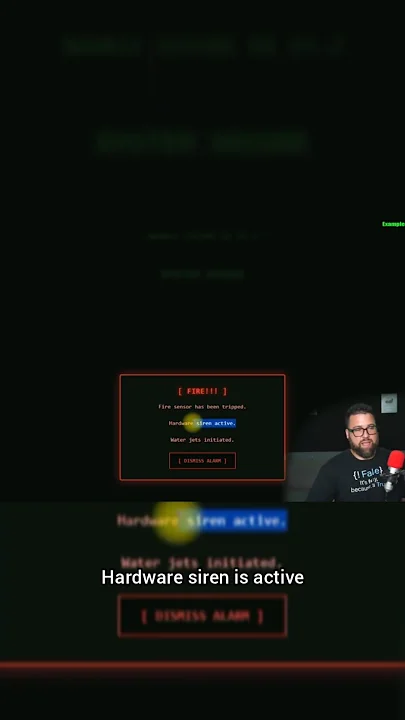
Sensor alarm with ESP32 and webpage
This article covers a tutorial on creating a sensor alarm system using the ESP32 microcontroller and a web interface. The project enables users to set up an alarm that triggers based on specific sensor inputs, offering a practical application for hobbyists interested in IoT (Internet of Things) projects.

Modern Box RGB Lamp – Bambu RGBW Puck Compatible
The Modern Box RGB Lamp is a stylish 115mm cube-shaped lamp designed to work with the Bambulab Remote Controlled 16-color RGBW Puck (KC007). This compact lamp offers vibrant RGB ambient lighting options, making it perfect for a nightstand or desk setup. It features full remote control capabilities, allowing users to easily switch between colors and lighting modes to create the desired ambiance.

AI Rocky from ‘Project Hail Mary’
Leviathan Engineer has created an impressive robotic build named Rocky, inspired by the AI character from Andy Weir's sci-fi novel and upcoming film *Project Hail Mary*. This project utilizes a Raspberry Pi 5, a PCA9685 servo driver HAT, an internal microphone and speaker, and seven servos to enable Rocky's movement. An additional power supply supports the servos, which can be a bit too demanding for the Raspberry Pi alone.