Rising Edge Digital
Hardware & Embedded Systems for Software Developers
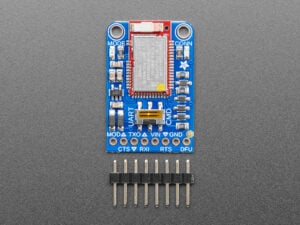
Adafruit Bluefruit LE UART Friend
The Adafruit Bluefruit LE UART Friend is a compact module that simplifies adding Bluetooth Low Energy (BLE) connectivity to various electronic projects. It interfaces easily with any hardware or software serial port, making it a versatile choice for connecting to microcontrollers like Arduino or for debugging via an FTDI cable. The inclusion of hardware flow control helps ensure that data integrity is maintained during communication, which is crucial for reliable operation.
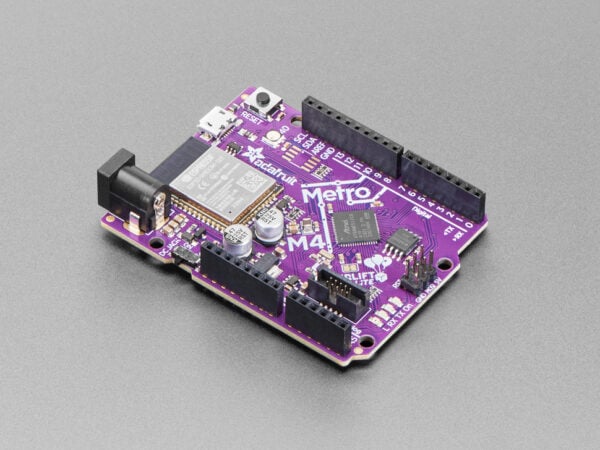
UPDATED GUIDE: Adafruit Metro M4 Express AirLift Lite
The article provides an updated guide for the Adafruit Metro M4 Express AirLift Lite, a powerful microcontroller featuring the Microchip ATSAMD51, which operates at 120MHz and supports floating-point operations. This board comes with a built-in WiFi module that simplifies wireless connectivity, as it handles TLS and socket connections, complete with pre-loaded root certificates. It maintains compatibility with existing Metro shields, making it easy to integrate into various projects.
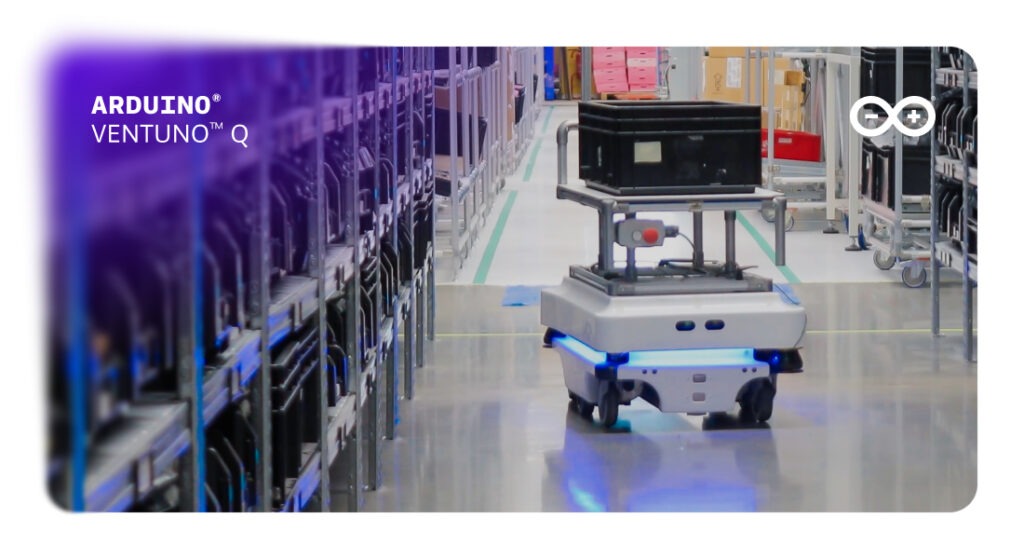
Building smarter AMRs with the Arduino® VENTUNO™ Q board
The Arduino VENTUNO Q board integrates two types of computing—Linux and a microcontroller unit (MCU)—on a single platform, making it ideal for building smarter autonomous mobile robots (AMRs). This dual architecture allows for high-level tasks like navigation and computer vision to be handled by the Linux-capable microprocessor unit (MPU), while the MCU manages time-sensitive operations such as motor control and sensor feedback. This setup simplifies development by reducing the need for multiple boards and complex integration tasks.
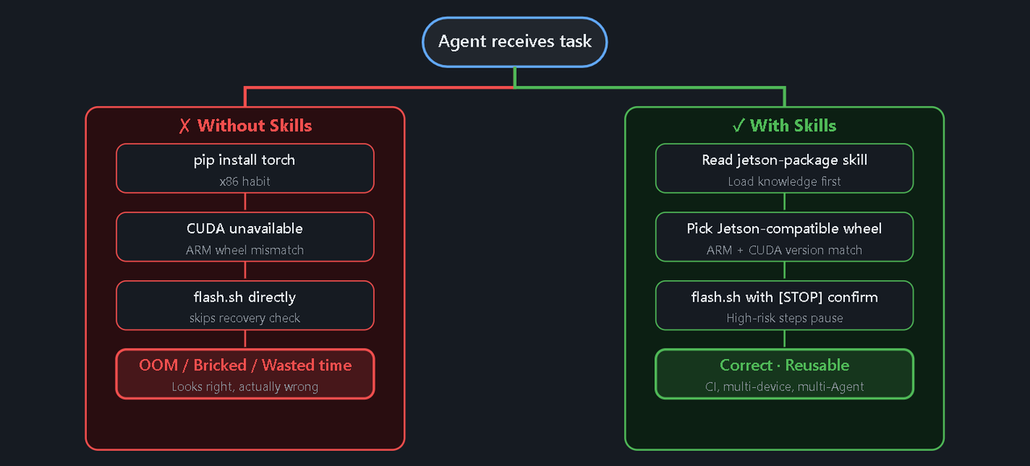
Build, Audit, and Ship on Jetson with NVIDIA Skills + JetPack 7.2: Why Your Coding Agent Hallucinates on Jetson (and How NVIDIA Skills Fixes It)
The article discusses the challenges of using AI coding agents to develop applications for NVIDIA's Jetson platform, particularly when building projects like a vehicle-speed detector. Often, coding agents provide generic commands that can lead to unexpected failures due to the unique hardware environment of Jetson devices. Problems can arise from using CPU-only libraries, mismatches in software versions, and varying memory availability based on the specific Jetson model and its configuration.

What Is LoRa Mesh? A Practical Guide to Networks, Modules, and Meshtastic Devices
LoRa mesh networking is a system that allows low-power radios to communicate across multiple nodes, enabling messages to be relayed even if a direct connection isn't available. This is particularly useful in areas where traditional communication methods like cellular and Wi-Fi fail. The mesh functionality is achieved through specific firmware and protocols, such as Meshtastic, rather than the LoRa technology itself, which primarily handles long-range radio transmission.
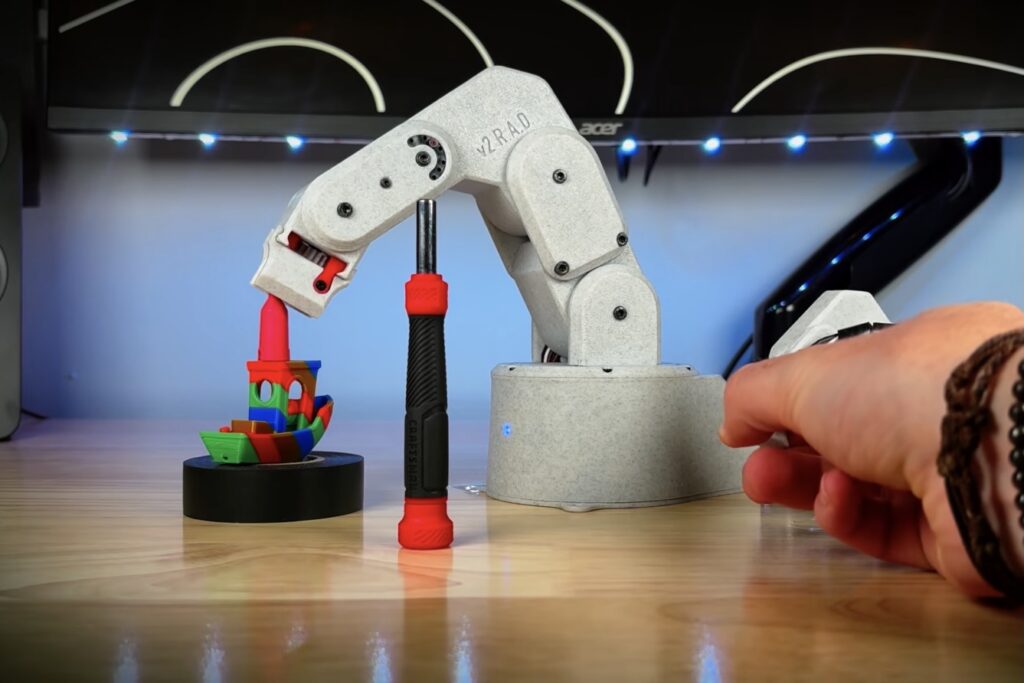
Redesigning a popular robotic arm
Kelton Serra has redesigned a popular robotic arm that simplifies control using a puppet-style interface. This design allows users to move a special input device that mimics the arm's movements, making it more intuitive than traditional programming methods. The new version retains the original's basic concept but incorporates several enhancements for better performance and ease of assembly.
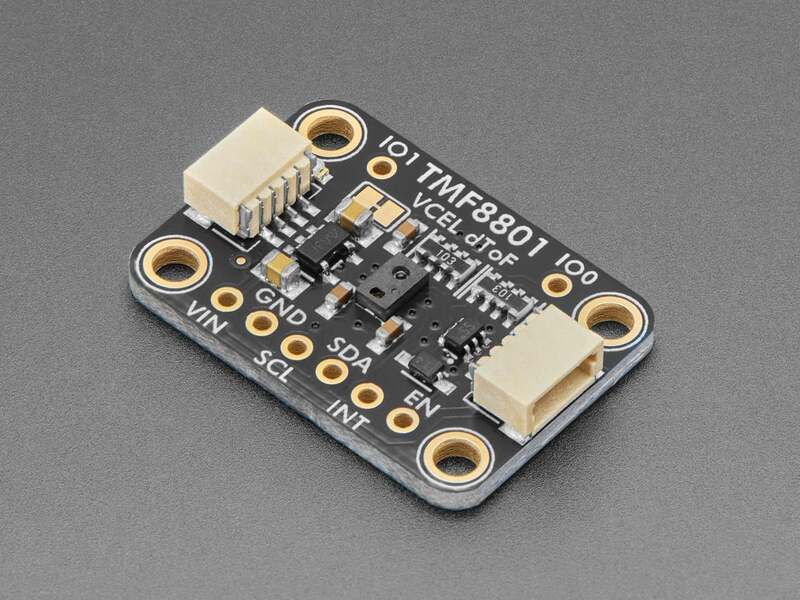
NEW GUIDE: Adafruit TMF8801 Time of Flight Distance Sensor
The Adafruit TMF8801 Time of Flight Sensor is a compact distance measurement device from ams Osram, capable of measuring distances from 20mm to 2.5 meters at a 33 Hz update rate. This sensor uses an invisible laser for distance measurement, which provides a narrow sensing cone and avoids common issues found in other distance sensing technologies, like non-linearity and double imaging.
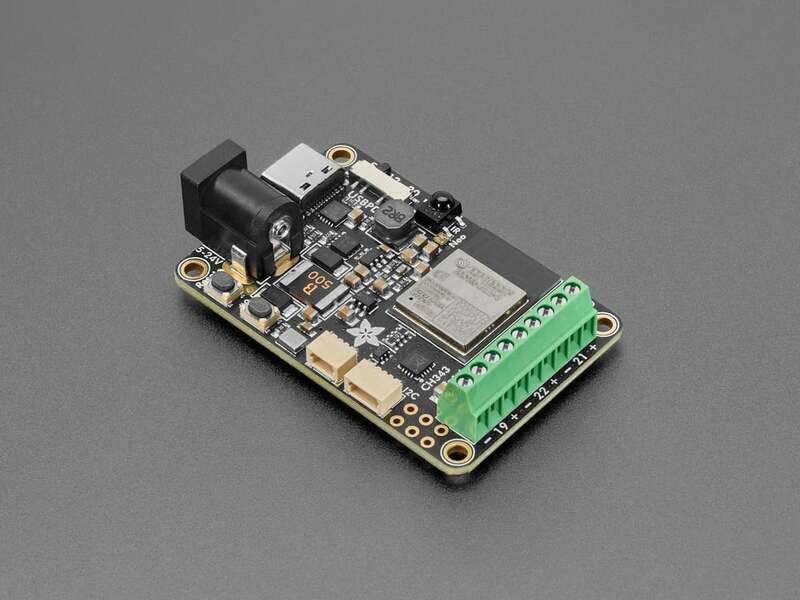
UPDATED GUIDE: Adafruit Sparkle Motion
The Adafruit Sparkle Motion is a small, WLED (WiFi-enabled LED) friendly smart LED driving board, designed to make LED projects easier and more accessible. The updated guide for this board includes comprehensive information on getting started, now incorporating the Adafruit WipperSnapper platform, which allows for no-code control of your LED projects.
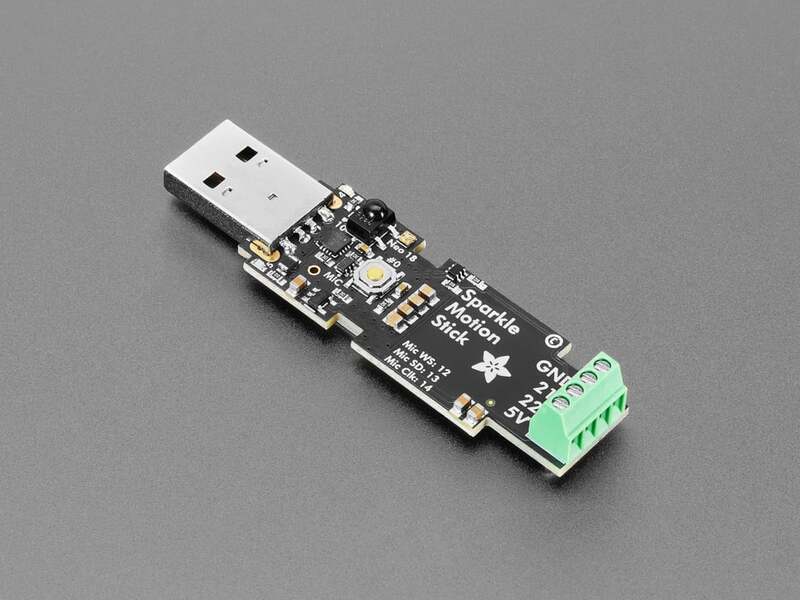
UPDATED GUIDE: Adafruit Sparkle Motion Stick
The Adafruit Sparkle Motion Stick is a compact and user-friendly smart LED driving board designed for WLED (a popular LED control library). This USB Stick version is a simplified iteration of the full-featured Sparkle Motion board, making it easy to integrate into projects. It supports USB Type A power input up to 5V 2A, allowing for portable use with standard USB battery packs.

This smart boxing band takes advantage of the new Arduino Nesso N1
Manivannan has created a Smart AI Boxing Band using the Arduino Nesso N1, a powerful development board that features a full-color touchscreen and a variety of sensors. This wearable device is designed to help boxers improve their performance by tracking both their physical movements and biometric data, such as heart rate. While the Nesso N1 can handle most of the functionality on its own, Manivannan added a pulse sensor to monitor the user's heartbeat in real time.
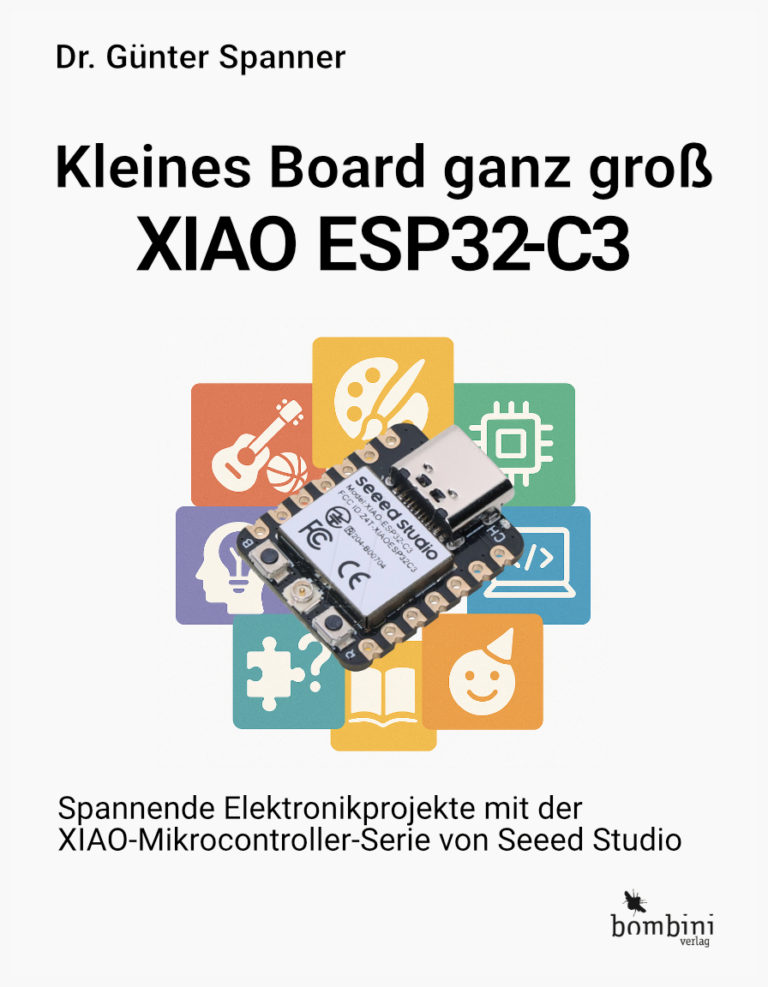
The XIAO ESP32-C3 Book Is Now Available in English
The XIAO ESP32-C3 handbook, originally published in German, is now available in English. Written by Dr. Günter Spanner and published by Elektor, this comprehensive 245-page guide walks users through the fundamentals of the XIAO ESP32-C3 development board, advancing to complex, real-world projects.
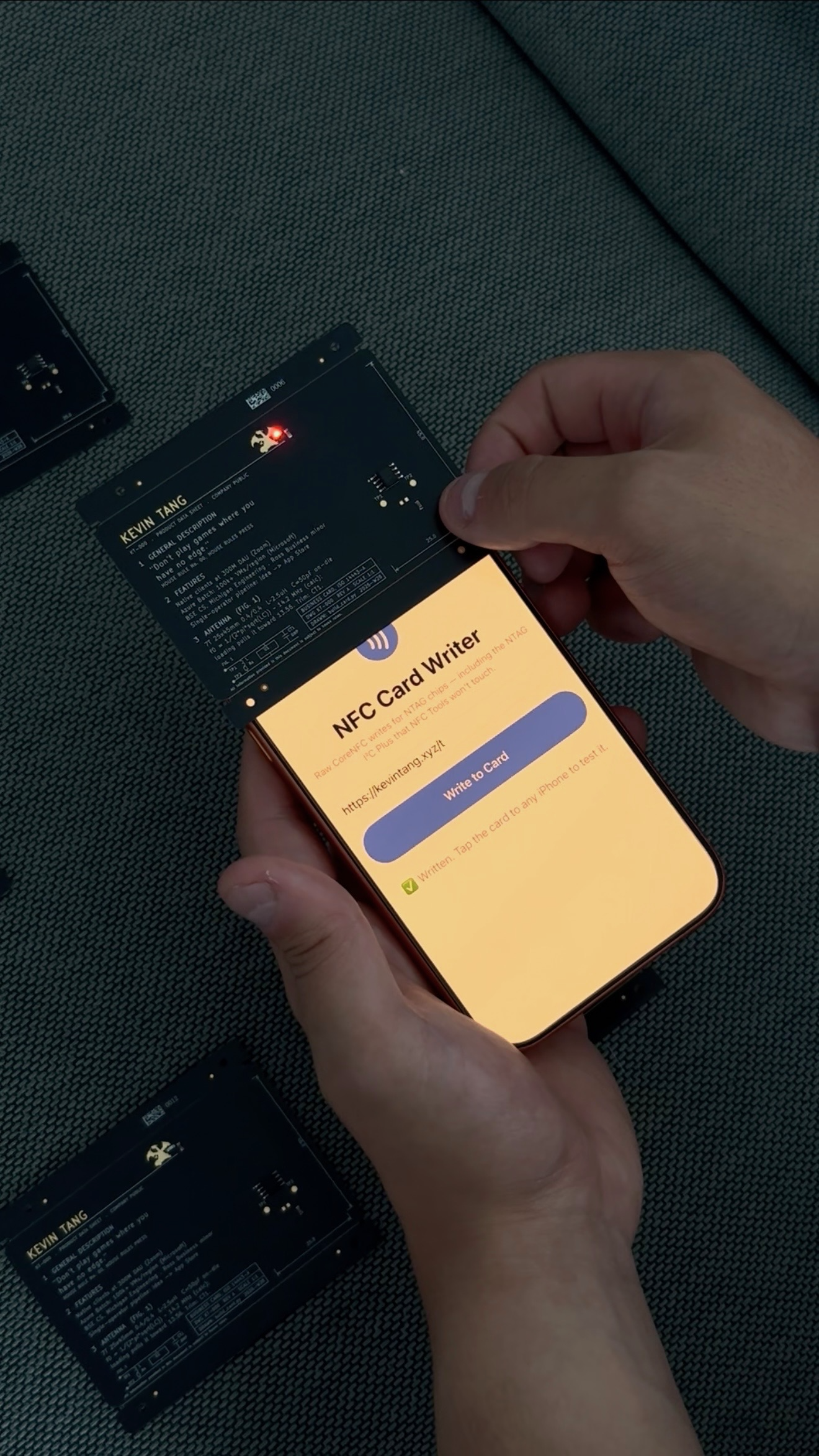
The Business Card That Lights Up Without Batteries
Kevin Tang created an innovative business card that incorporates a circuit board, an NFC (Near Field Communication) chip, and LEDs, all without the need for batteries. When you tap the card against a compatible phone, it not only transfers your contact information but also draws power from the phone’s NFC field to light up its LEDs.
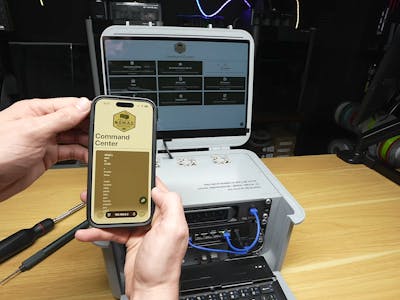
This Mini PC Cyberdeck Runs Its Own Self-Contained Internet
Michael Klements has created a compact and portable server that provides an offline version of the internet, packaged into a rugged cyberdeck. This project leverages the open-source Project NOMAD software stack, which includes offline maps, a local copy of Wikipedia, media servers, and AI models, all accessible through a web browser without needing an internet connection.
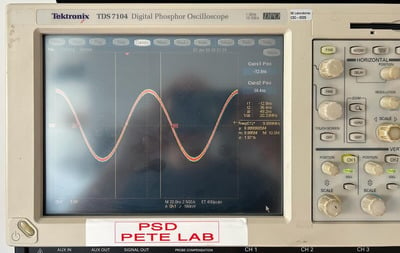
Refurbishing a Tektronix TDS7104 oscilloscope
The article details the refurbishment of a Tektronix TDS7104 oscilloscope, a high-performance 4-channel, 1 GHz device that the author purchased for $300 at a flea market. The scope runs on Windows 2000 Pro Embedded and features a RadiSys NLX motherboard with an 850 MHz Celeron processor. Upon receiving it, the author encountered a CMOS battery error that was resolved by replacing the CR2032 battery, allowing the scope to boot properly.
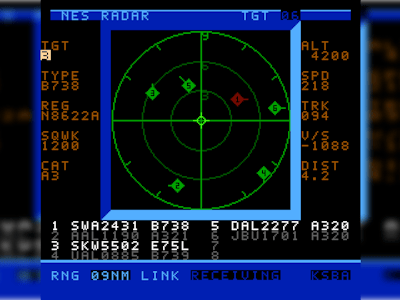
Turn Your NES Into a Live Flight Tracker
Levi Maaia created NES Radar, a unique flight tracking device that turns a classic NES console into a live display of airplane traffic. By using a custom game cartridge, users can input an airport's ICAO code via the NES controller, and the system presents a radar-like view of aircraft flying within nine nautical miles of that airport. The display can show up to eight aircraft simultaneously, making it suitable for smaller airports, though busier hubs may present challenges.
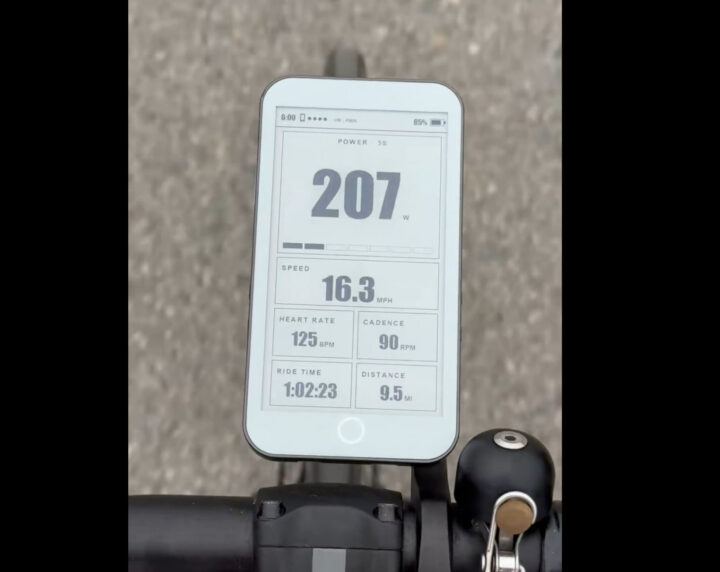
OpenTrailPaper transforms LILYGO T5 E-Paper S3 Pro devkit into a DIY e‑paper bike computer
OpenTrailPaper is an open-source project that turns the LILYGO T5 E-Paper S3 Pro development kit into a DIY e-paper bike computer. It features firmware compatible with the ESP32-S3-based T5 E-Paper devkit and includes companion apps for Android and iOS. The system displays ride data, supports offline maps, and can follow GPX (GPS Exchange Format) routes. It also records FIT (Flexible and Interoperable Data Transfer) files and connects to various Bluetooth sensors for heart rate, power, and cadence.
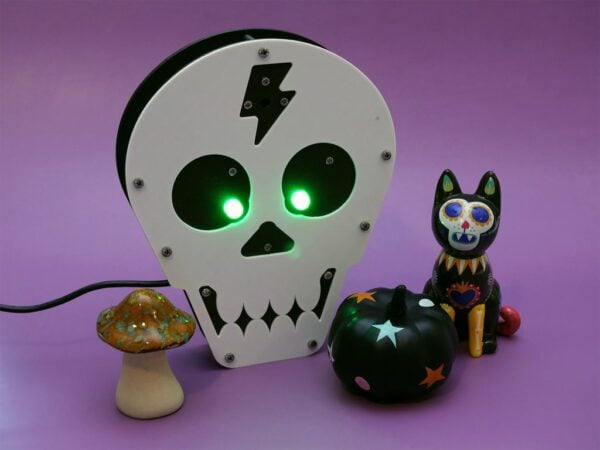
Halloween Costume Detector Pi
This article details a fun Halloween project that combines a Raspberry Pi 5, a NoIR PiCamera, and a speaker bonnet to create a costume detector. The setup features a skull that acts as a master of ceremonies at your Halloween party. It uses a Python script along with OpenCV, a computer vision library, to detect when someone walks by.

JetPack 7.2: What’s New, Performance, Migration, and AI Deployment on NVIDIA Jetson
JetPack 7.2 is the latest software release from NVIDIA for their Jetson platform, featuring a significant update to the software foundation that includes Jetson Linux 39.2, Ubuntu 24.04, Linux kernel 6.8, and CUDA 13.2.1. This version marks a shift for Jetson Orin and Jetson Thor into a unified software ecosystem, which is not just a simple upgrade but a change that impacts how developers will work on their projects.
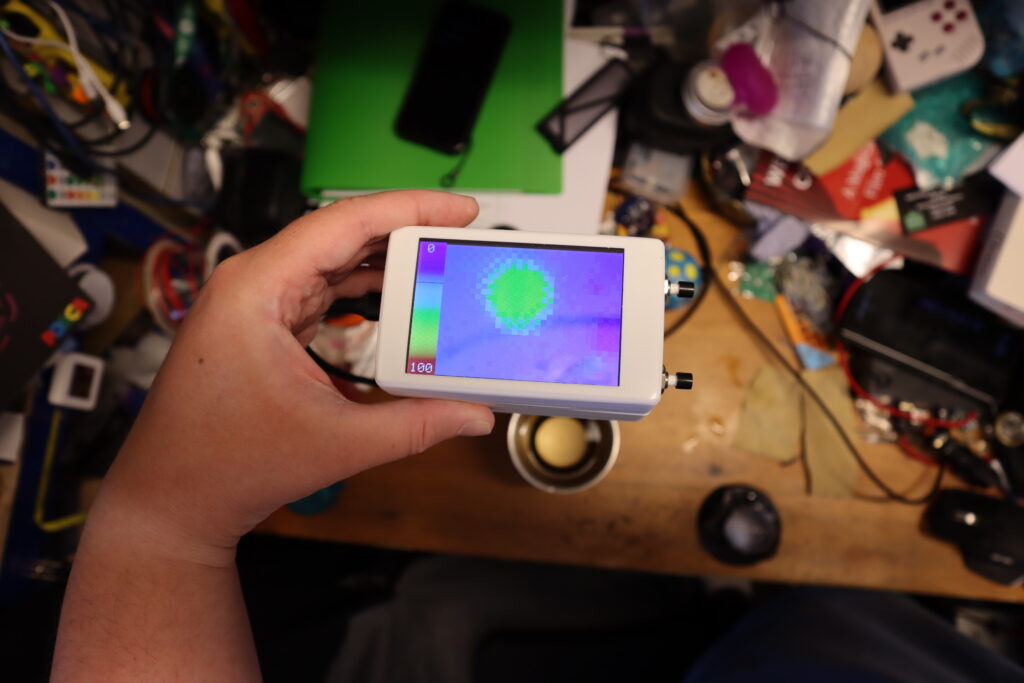
Building a DIY handheld thermal camera for work and play
Katie Dumont created a DIY handheld thermal camera using an Arduino UNO R4 Minima board and a Seeed Studio MLX90640 thermal imaging sensor. The MLX90640 features a 32×24 pixel grid that detects infrared radiation, allowing the camera to visualize temperature differences. Dumont utilized the I2C interface to transmit data from the sensor to the Arduino, which processes this data to generate thermal images.
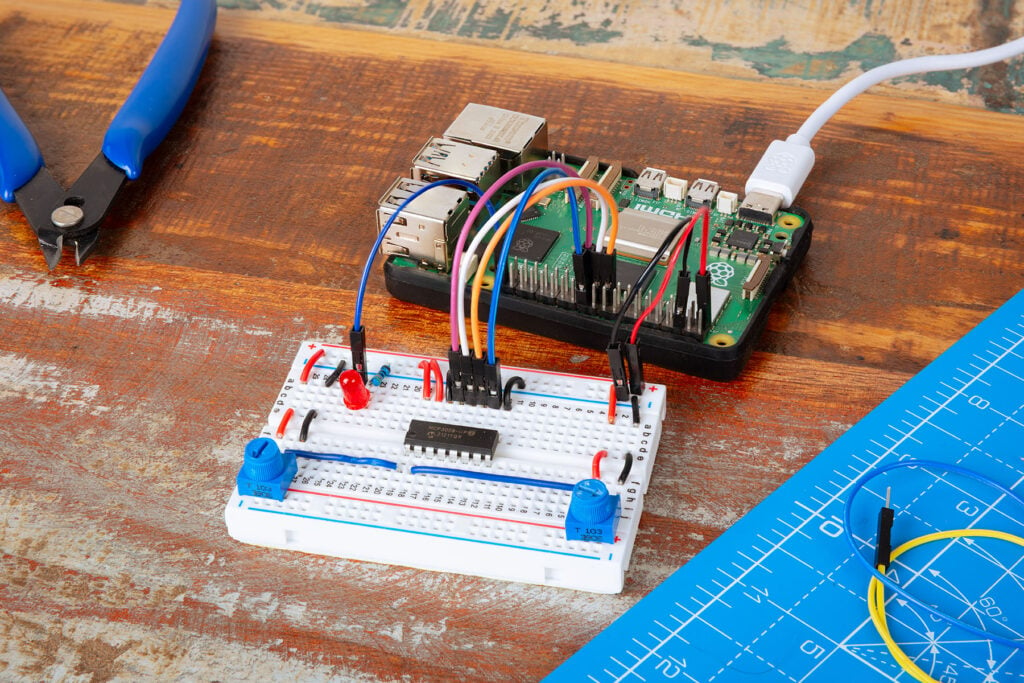
Build an internet radio
This article outlines a tutorial for building an internet radio using a Raspberry Pi and an analog-to-digital converter (ADC) chip, specifically the MCP3008. The project involves connecting two potentiometers to the MCP3008: one to control the radio station and the other to adjust the volume. This setup allows for a hands-on way to learn about interfacing analog components with a Raspberry Pi.
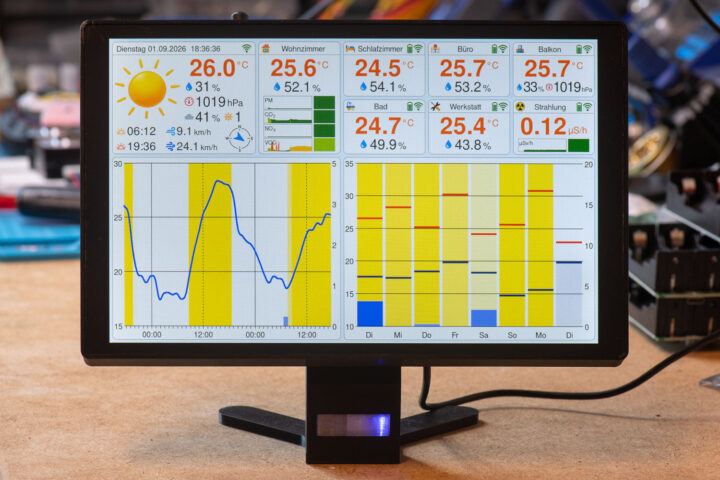
DIY ESP32-P4 weather station & air quality monitor connects to LoRa and ESP-NOW sensors, various weather APIs
Harald Kreuzer has created a DIY weather station and air quality monitor using the ESP32-P4 microcontroller. The setup includes a 10.1-inch dashboard display and a Sensirion SEN66 sensor to measure particulate matter, carbon dioxide (CO2), volatile organic compounds (VOCs), and nitrogen oxides (NOX). It connects wirelessly to LoRa (Long Range) and ESP-NOW sensors, making it versatile for gathering environmental data.
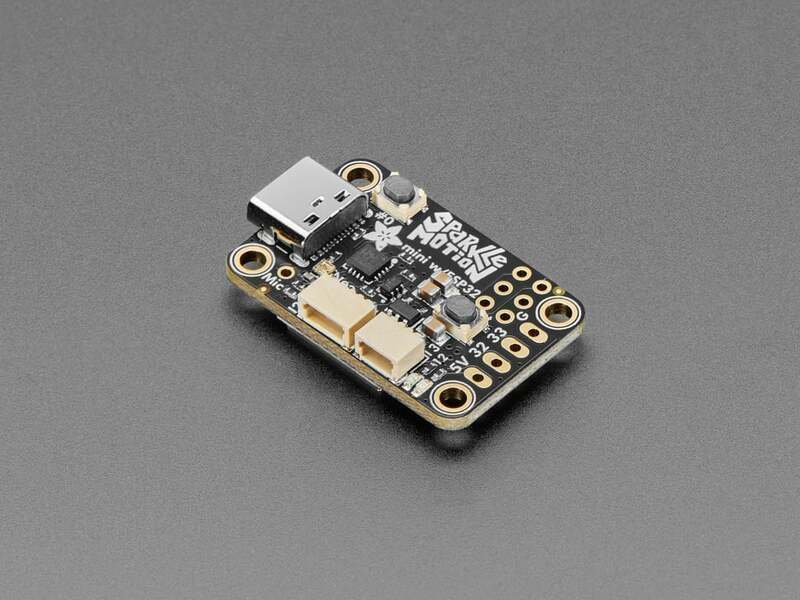
UPDATED GUIDE: Adafruit Sparkle Motion Mini
The Adafruit Sparkle Motion Mini is a compact smart LED driving board designed to work seamlessly with WLED, which is popular for creating colorful lighting effects. This updated guide provides all the necessary information to get started, including details on pinouts, connecting LEDs, and using it with different platforms like CircuitPython and Arduino.

Building a 5 V Single-Supply Electret Microphone Preamp
This article outlines how to build a compact, single-supply preamplifier module specifically designed for electret microphones. The goal is to convert the low-level audio signals from the microphone into a stronger line-level audio signal that can be used for various audio applications.

Pi-Sky flight-tracking dashboard
The Pi-Sky flight-tracking dashboard is a project that allows you to create your own local flight-tracking system using a Raspberry Pi and an ADS-B (Automatic Dependent Surveillance Broadcast) receiver. This setup enables you to decode signals from nearby aircraft broadcasting information like their position, altitude, and speed, all while visualizing the data on live maps.
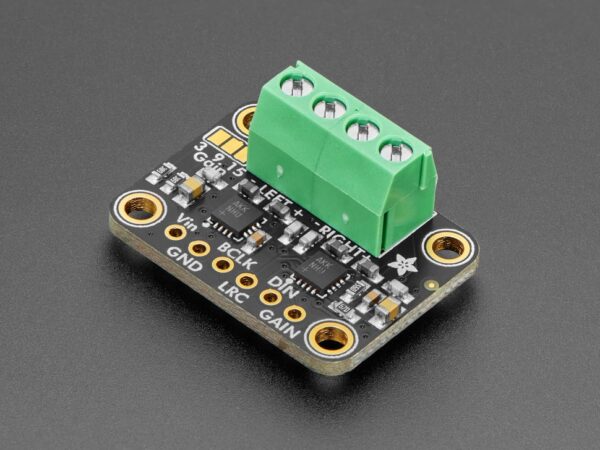
UPDATED GUIDE: Adafruit MAX98357 I2S Class-D Amps – Stereo and Mono
The article discusses the updated guide for the Adafruit MAX98357 I2S Class-D amplifiers, highlighting the new Adafruit Stereo I2S 3W Amplifier Breakout, which features dual MAX98357A chips. This update allows users to take advantage of stereo audio output while using the same drivers and examples previously available for the mono version.
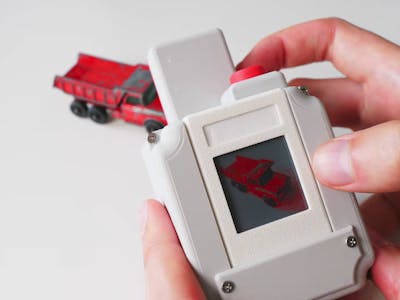
A Film-Free Instant Camera Powered by E Ink Cartridges
Strange Inventions has created a unique instant camera that uses E Ink cartridges instead of traditional film. This DIY project aims to capture the nostalgic experience of instant photography while eliminating the costs and waste associated with disposable film. Users can take photos, process them, and then transfer the images to removable E Ink cartridges that display the pictures permanently without needing power after the initial transfer.
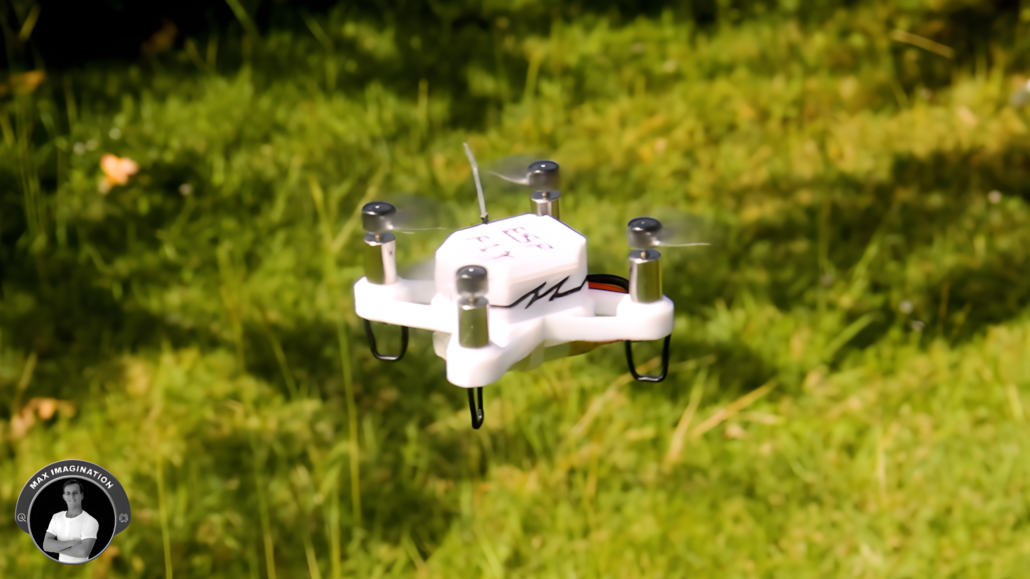
DIY Drone: From Electronics Bench to Flying ESP32 Quadcopter
The article outlines the intricacies of building a DIY quadcopter, focusing on the various components and systems that enable it to fly. While a small quadcopter might seem straightforward, it involves a complex integration of motors, sensors, firmware, and control algorithms that must work in harmony. If even one element—like a weak solder joint or a misaligned propeller—is off, the drone's performance can suffer significantly.
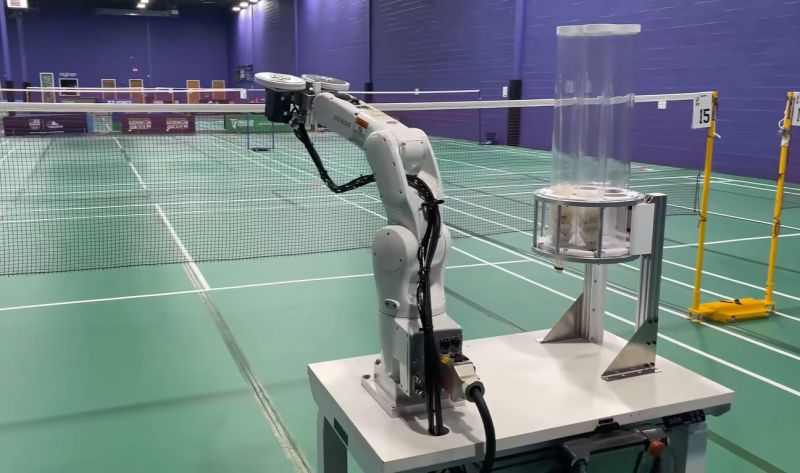
Making a Robot to Serve Some Mean Badminton Shuttlecocks
[Travis Mitchell] developed a badminton shuttlecock serving robot by repurposing a Denso VS050 industrial robotic arm. The project aims to automate the serving process in badminton, a sport that typically requires at least two players. The robotic arm is designed to pick up shuttlecocks from a hopper using a pneumatic grabber and then launch them using high-speed discs.
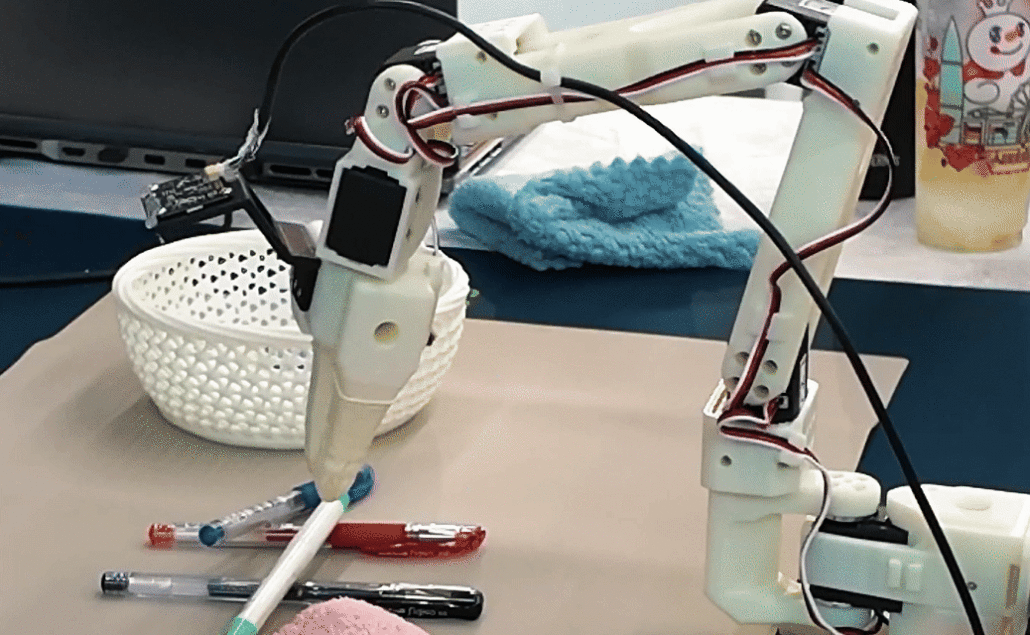
Cool SO-ARM101 Projects to Try Now: From Grasping to Imitation Learning
The article covers six hands-on projects focused on the SO-ARM101 robotic arm, which is part of the LeRobot platform. It offers a progression from basic tasks like teleoperation and dataset collection to more advanced concepts such as imitation learning and reinforcement learning, making it suitable for various skill levels. Each project is ranked by difficulty, helping you choose where to start based on your experience.
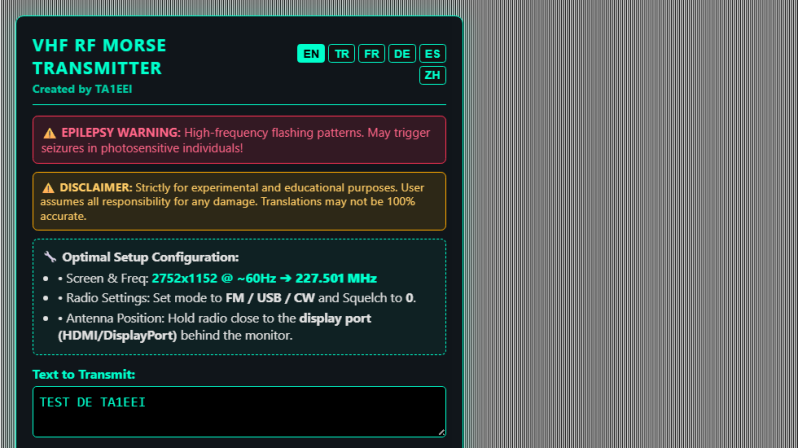
Get Your Monitor Transmitting VHF with a Browser Tool
A developer named Efe created a browser-based tool that enables your computer monitor to transmit VHF (Very High Frequency) signals. Instead of using traditional ham radio equipment, this tool leverages the graphics hardware in your computer by manipulating pixel clocks to generate signals. The concept involves calculating the transmission frequency based on the monitor's resolution and refresh rate, allowing the display of specific patterns to emit weak Morse code signals.
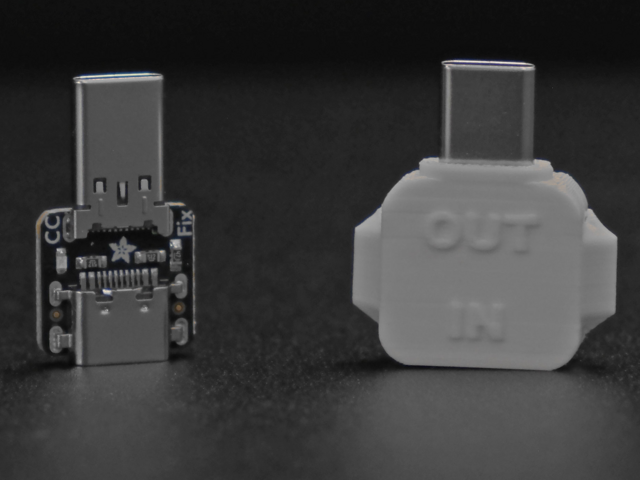
USB C CC Resistor Fixer Case
The Adafruit USB Type C CC Resistor Fixer is a handy solution for USB-C devices that fail to power up when connected to a USB-C Power Delivery port. This issue often arises from manufacturers neglecting to include the necessary 5.1K ohm configuration resistors, which can lead to inconsistent device behavior—some computers may not recognize the connection at all.

Set Up A VPN On Your Raspberry Pi
This article outlines how to set up a Virtual Private Network (VPN) on a Raspberry Pi, focusing on two popular options: WireGuard and Tailscale. WireGuard is highlighted as a fast and efficient VPN protocol that connects within a tenth of a second, making it an attractive alternative to the more traditional OpenVPN. The article links to a tutorial from PiMyLifeUp for those interested in implementing WireGuard on their device.
John Park’s CircuitPython Parsec: Fruit Jam Infrared IR Receiver
John Park's latest project introduces an infrared (IR) receiver that can control a Fruit Jam device using an IR remote control. This setup leverages CircuitPython, which is a user-friendly version of Python designed for microcontrollers, making it accessible for hobbyists and makers alike.

How to Deploy Local LLMs for Embedded Software Development: The Inference Stack and Honest Comparison
This article discusses the deployment of local Large Language Models (LLMs) specifically for embedded software development. The author outlines the advantages of using self-hosted LLMs, such as maintaining client confidentiality, ensuring data sovereignty, providing offline reliability, and controlling costs related to token usage. In the first part, the article sets the stage by explaining the motivations behind these models and the relevant terminology.
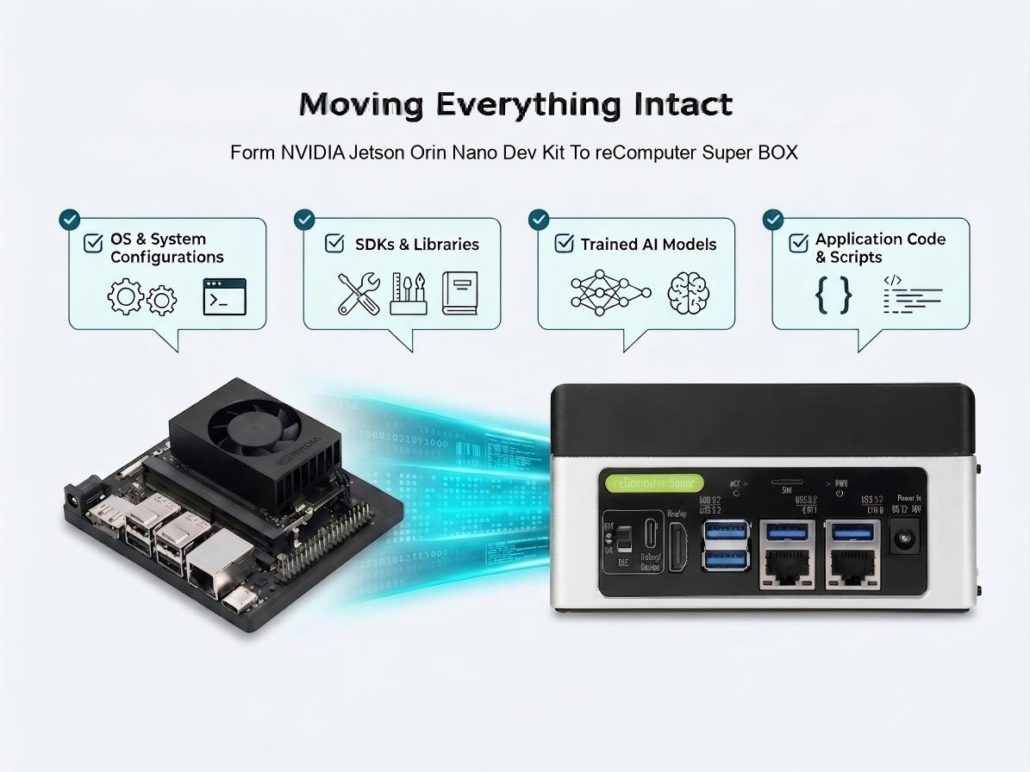
Moving Everything Intact: From Orin Nano Dev Kit to reComputer Jetson
The article discusses a new tutorial from Seeed that addresses a common challenge faced by developers using the Jetson Orin Nano Super Dev Kit: how to transition their projects smoothly to the reComputer Jetson hardware. Typically, developers have to either reflash the entire system or manually migrate only their code, which can be tedious and error-prone. The new tutorial offers a third option, allowing for complete preservation of the application's environment during the transition.
Shorten Hardware Development Cycles by Parallelizing Firmware and PCB Design
The article discusses a method for speeding up hardware development by parallelizing firmware and printed circuit board (PCB) design using a Board Support Package (BSP). This approach allows engineers to separate the application logic from the physical routing of the hardware, which can significantly streamline the prototyping process.
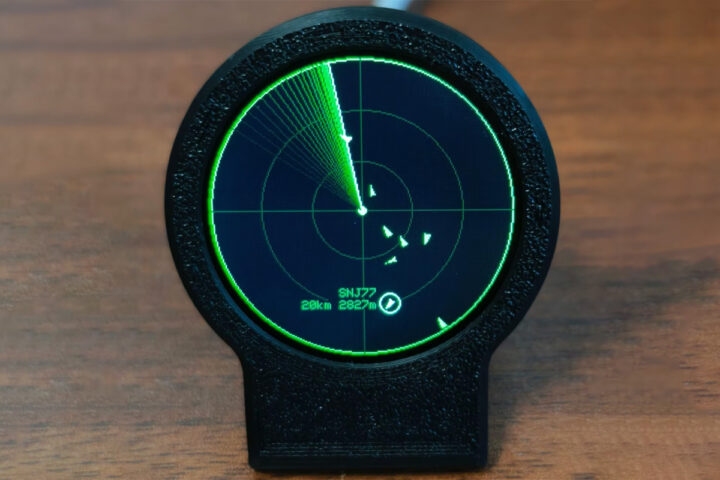
USB-C Deskradar – An ESP32-C3 ADS-B flight tracker with a 1.28-inch round display
The USB-C Deskradar is a compact ADS-B (Automatic Dependent Surveillance–Broadcast) flight tracker built around the ESP32-C3 microcontroller. It features a 1.28-inch round display that shows live aircraft positions on a sonar-style circular grid. This setup allows users to monitor flights in real-time from a specific location. The device is designed within a 3D-printed enclosure and connects via a USB Type-C port for programming.
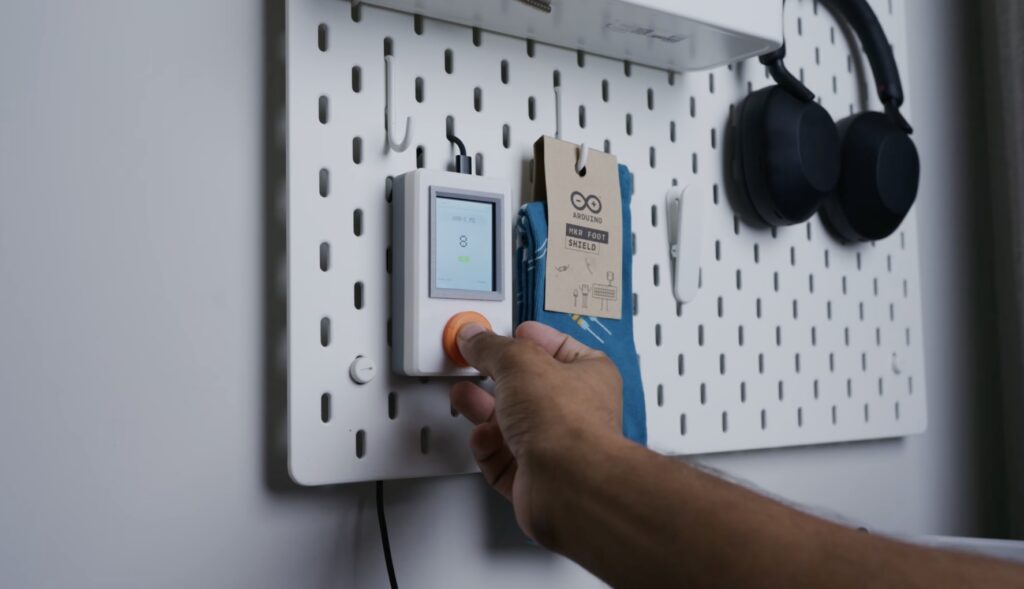
A mini inventory management system perfect your electronic components
Akashdeep Singh created a mini inventory management system tailored for electronic components, addressing the common problem of accumulating excess parts. This compact device is designed to help hobbyists and small businesses keep track of their components without the complexity of commercial systems.
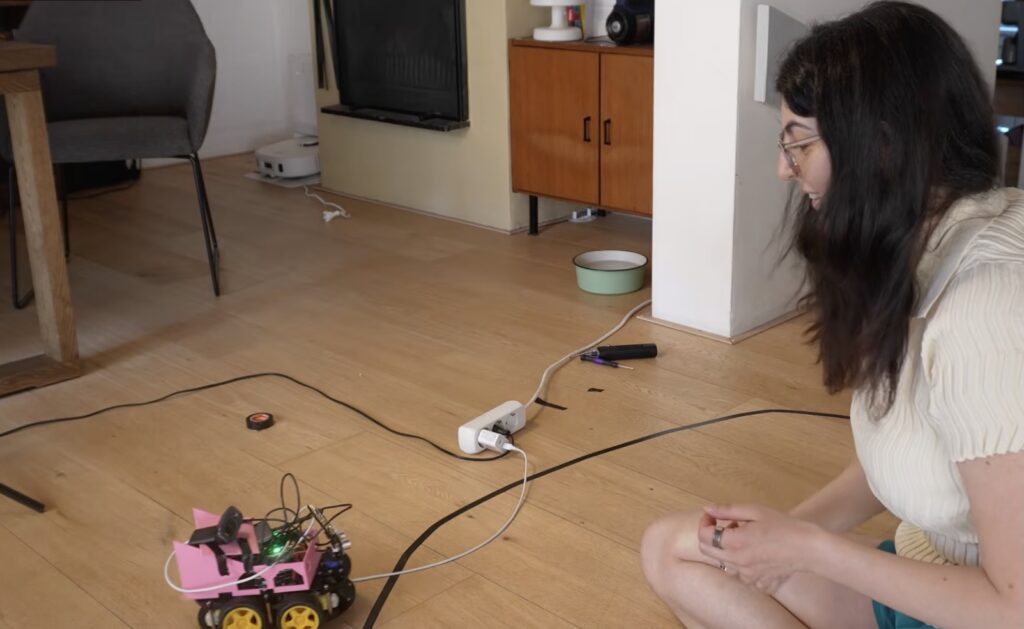
Affordable robot car kit becomes an intelligent creator-chaser
Iulia Feroli transformed a basic Elegoo robot car kit into an intelligent face-tracking robot using an Arduino UNO Q. Originally, the kit featured an Arduino UNO Rev3, which allowed for simple tasks like obstacle avoidance and line-following. However, Feroli upgraded to the UNO Q, which has a more powerful STM32 microcontroller running Linux, vastly improving the robot's capabilities.
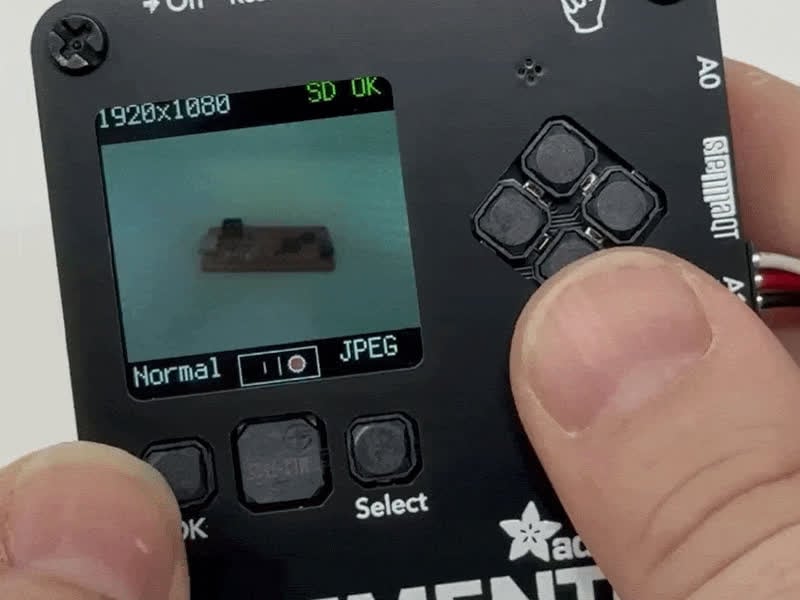
NEW GUIDE: Adding a Bubble Level to the MEMENTO Products
The article introduces a new guide for adding a customizable bubble level to the MEMENTO Python-programmable camera, making it easier to take level photos. By leveraging the built-in accelerometer in the MEMENTO camera, users can ensure their shots are straight, whether they're capturing horizontal images or top-down views. This is especially useful for preventing that annoying tilt that can ruin a perfectly good photo.
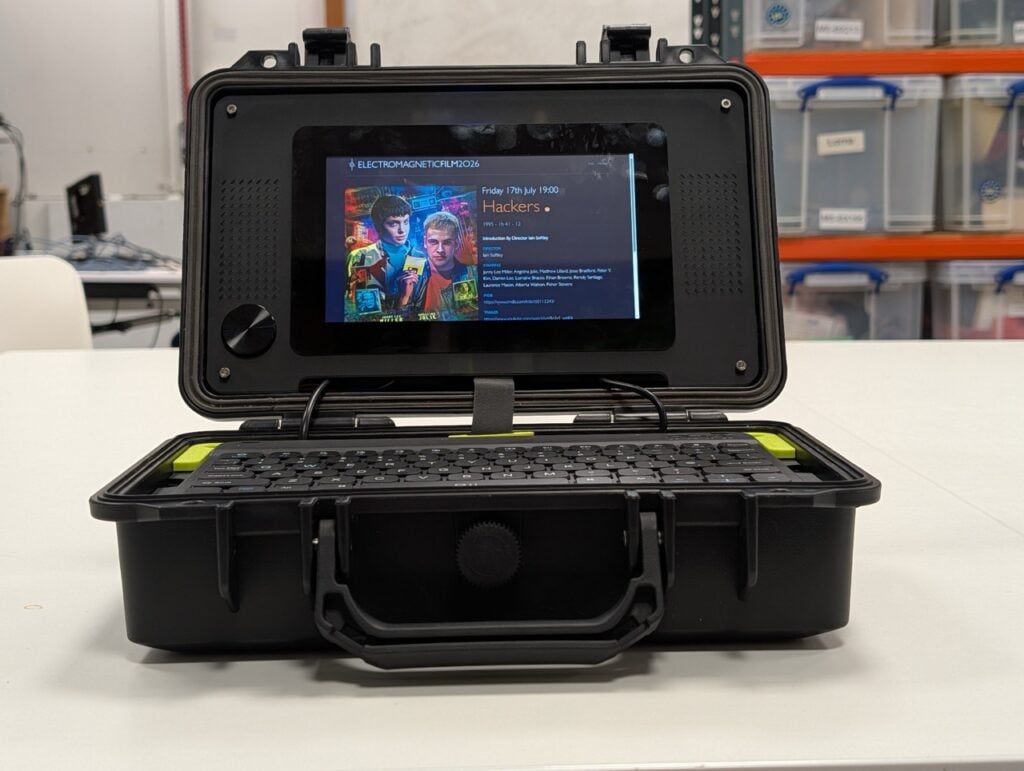
Create your own cyberdeck
Cyberdecks are custom-built portable computers that serve a variety of functions, from wearable tech to specialized devices for specific tasks like monitoring rockets or even preparing for hypothetical situations like a zombie apocalypse. The idea is to create a machine tailored to your needs that standard tablets or laptops can’t fulfill.
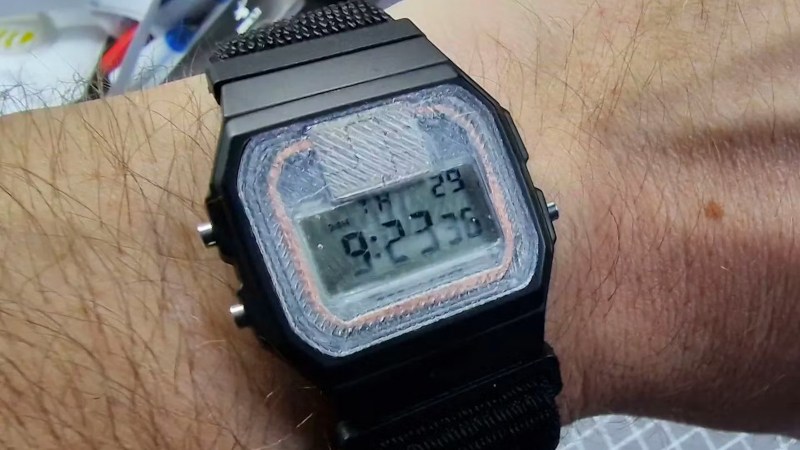
The Casio F-91W As A Contactless Payment Device.
The article discusses a project where a maker named Matteo P modified a classic Casio F-91W digital watch, transforming it into a contactless payment device using Near Field Communication (NFC) technology. The F-91W is widely recognized for being a reliable and affordable timepiece for decades, which has led to a substantial community of enthusiasts and projects built around it.
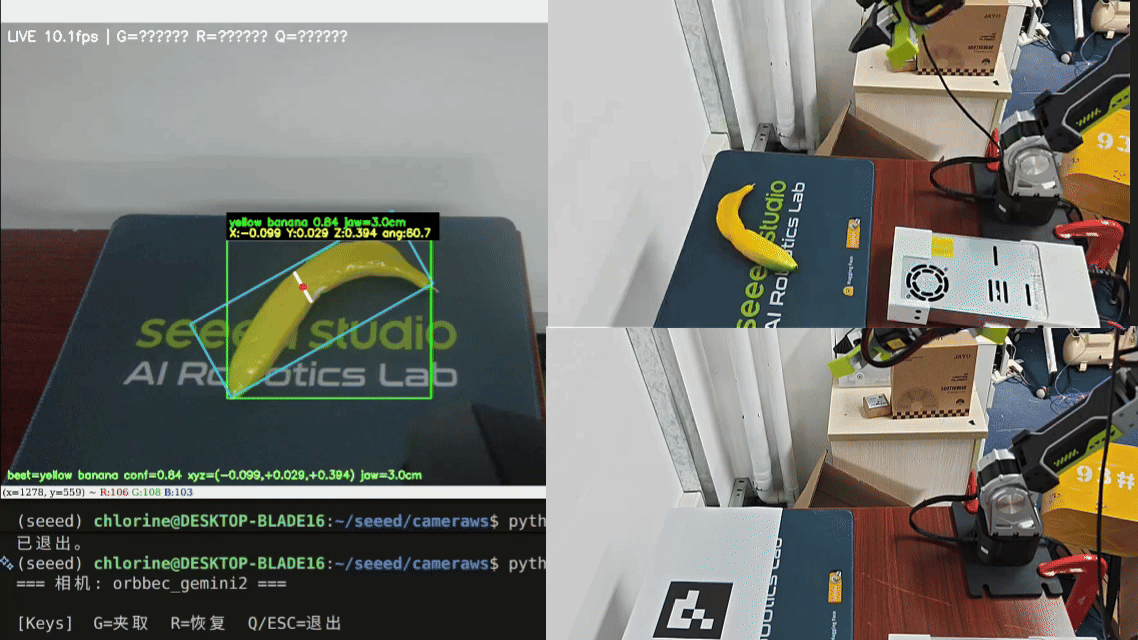
Orbbec Gemini 2 + reBot Open-Source Robotic Arm: A Low-Cost Embodied AI Development Kit
The Orbbec Gemini 2 combined with the reBot open-source robotic arm offers a cost-effective and fully customizable kit for those looking to explore embodied AI. This setup is ideal for hobbyists and developers who want to dive into robotics without breaking the bank. The article includes a hands-on demo showcasing the robotic arm's visual grasping capabilities, highlighting how these components work together in practical applications.

Pixel Quest
Pixel Quest is a handheld game console that transforms into a USB MIDI control surface for photo and video editing software. Designed by Martina, this device features three original mini-games, a 2-inch screen, eight knobs, and a joystick. When powered on normally, it functions as a gaming console, but if you hold the blue button while connecting it to power, it switches to a control surface mode.
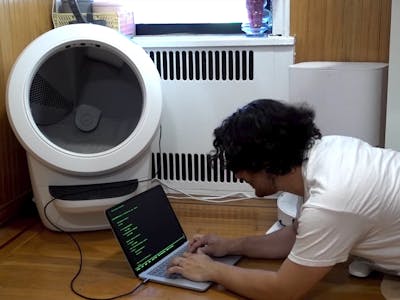
Open Source Firmware Frees the Litter-Robot 4 From the Cloud
Joseph DiGiovanni has created an open-source firmware for the Litter-Robot 4 that replaces the device's reliance on cloud services with local control using ESPHome. This project allows users to connect the automatic litter box directly to Home Assistant over their local network, ensuring that all data remains within the home and reducing the risk of losing functionality if the manufacturer’s cloud services go offline.
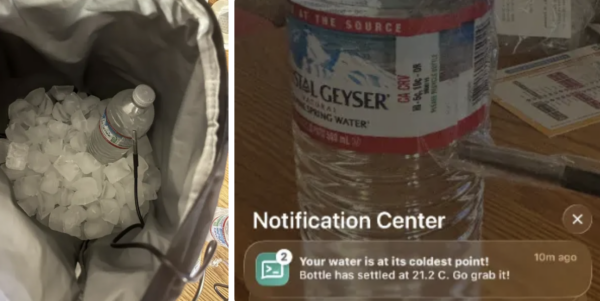
The Perfect Cold Water
Ethan Lin created a cool project using a Raspberry Pi that notifies him when his water reaches the perfect cold temperature. Tired of constantly checking his fridge for cold water, he attached a temperature sensor to his water bottle and programmed the Raspberry Pi to monitor the temperature for him. This setup eliminates the guesswork and allows for a more convenient way to enjoy cold drinks.
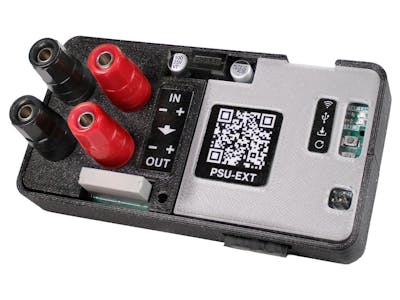
Make Any Bench Power Supply Programmable with PSU-EXT
PSU-EXT is an open-source project that allows you to make any conventional bench power supply programmable without opening its case. It acts as an external control and measurement system that connects between your power supply and the device you're powering. This setup provides remote control capabilities, real-time data visualization, and customizable protection features via a browser interface.

Deep Sleep with CircuitPython
Deep sleep functionality in CircuitPython allows you to significantly extend battery life for your projects by putting the microcontroller into a low-power state when it's not performing tasks. This is particularly useful for applications that only require occasional sensor readings or updates, like monitoring temperature or periodically refreshing a display. For example, if you’re using an e-ink display, the device can sleep between updates, which helps conserve energy.
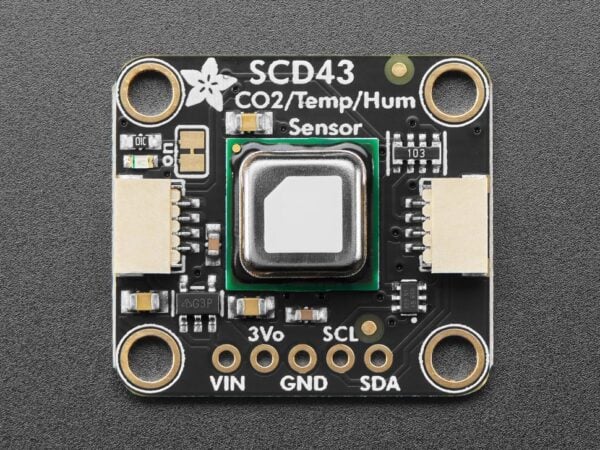
UPDATED GUIDE: Adafruit SCD-4x – True CO2 Temperature and Humidity Sensors
The updated Adafruit guide focuses on the SCD-4x series of sensors, particularly highlighting the new SCD-43 sensor breakout. These sensors are designed to measure carbon dioxide (CO2) levels, temperature, and humidity accurately, making them useful for a variety of environmental monitoring applications.
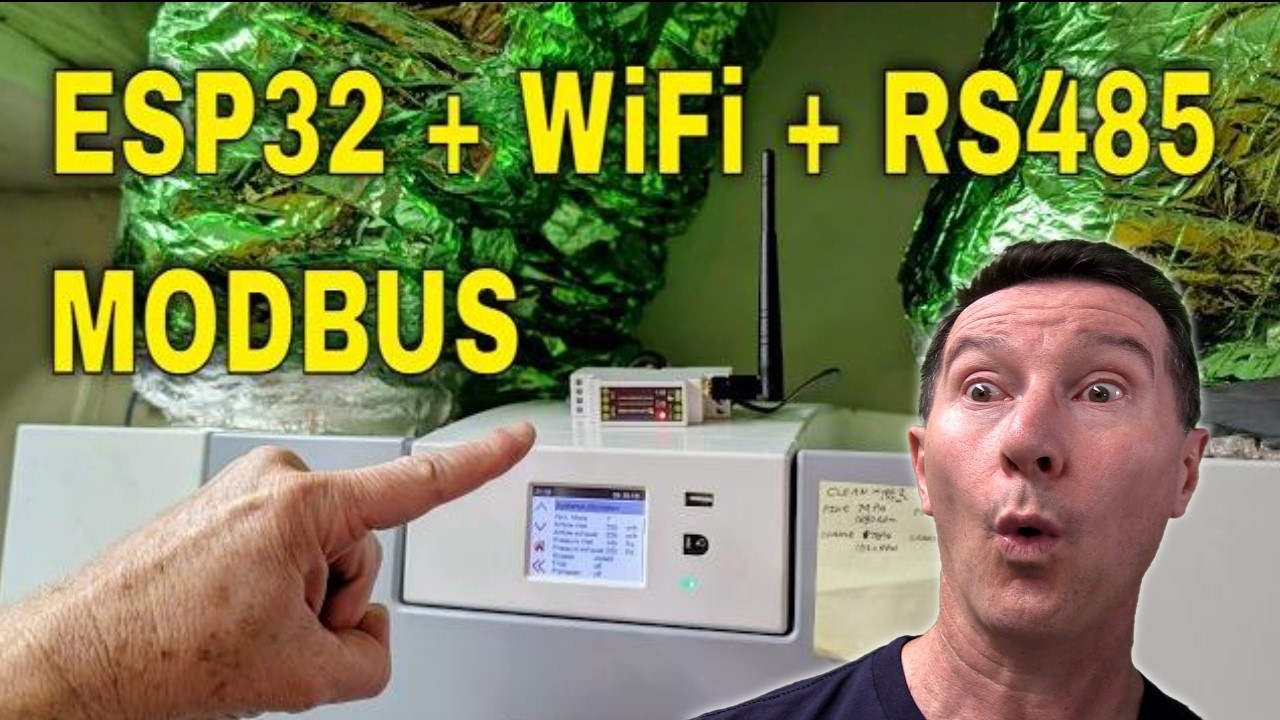
EEVblog 1765 – This $19 ESP32 Makes Home Automation EASY
The article discusses a project using the Waveshare ESP32-S3-RS485-CAN module to enhance home automation by monitoring a Brink Flair 400 home air ventilation system. The setup is designed to send email alerts when the inlet pressure exceeds 400 pascals, making it easier to keep track of the system’s performance. The author uses Claude AI to generate the necessary Arduino code, streamlining the coding process for the project.