Rising Edge Digital
Hardware & Embedded Systems for Software Developers

Running Local LLMs on the Arduino® UNO™ Q Board: a Practical Guide
The article discusses how to run local large language models (LLMs) on the Arduino® UNO™ Q board, providing a practical guide for enthusiasts and engineers. The UNO Q board is a compact microcontroller featuring improved processing power and memory, making it a suitable platform for experimenting with LLMs that are typically resource-intensive.
Arduino-Compatible RS485 Linear Hall Sensor Board for Magnetic Field Sensing
The article outlines a project for building an Arduino-compatible board that utilizes a linear Hall-effect sensor to measure magnetic fields and transmit these readings over an RS485 bus. This setup is particularly useful for applications requiring long-distance communication in noisy environments, thanks to the robustness of the RS485 protocol.
RetroMeshDevice: A Phone-Free Meshtastic Handheld Built in Public
The RetroMeshDevice is a handheld communication device designed to operate independently of a smartphone while using the Meshtastic firmware. Unlike traditional Meshtastic setups that rely on a phone as the interface, this device features its own small OLED display, a rotary control, and a twelve-key T9-style keypad. This design allows users to compose and read messages seamlessly without needing to pair with a phone, making it a practical option in situations where smartphones are cumbersome or unavailable.
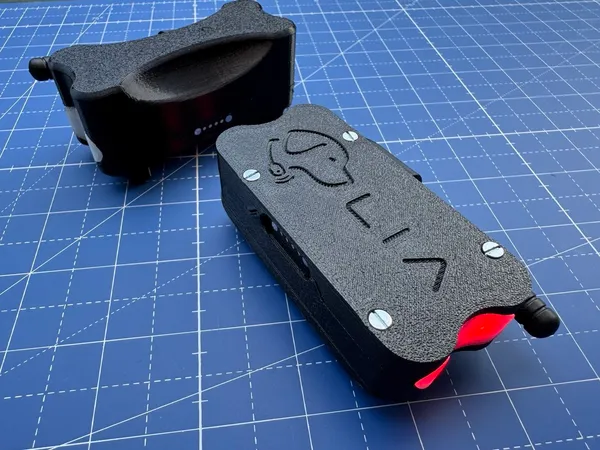
LIA: An Open Meshtastic GPS Tracker Built for Off-Grid Use
LIA is an open-source GPS tracker developed by J. G. Aguado, designed specifically for off-grid use and built around the Meshtastic platform. It originated from the need for a reliable tracking solution that doesn’t rely on cellular networks or subscriptions, especially for pet owners. The device can send location updates through a community-owned radio mesh network, making it a practical alternative to conventional trackers.

ICYMI: Python on Microcontrollers Newsletter: openbricks your ESP32 robot, CircuitPython Day, Python Guitar Pedal and More!
This week's Python on Microcontrollers Newsletter highlights some exciting developments in the world of microcontroller programming, particularly with Python. The newsletter features a new open-source firmware called openbricks for the ESP32-S3, which offers a Pybricks-style robotics API. This firmware supports low-cost components like $15 serial-bus servos and includes features like a drivebase controller and trajectory planner. It allows for cross-compilation and uploading programs over Bluetooth Low Energy (BLE), making it accessible for hobbyists looking to create their own robotics projects.
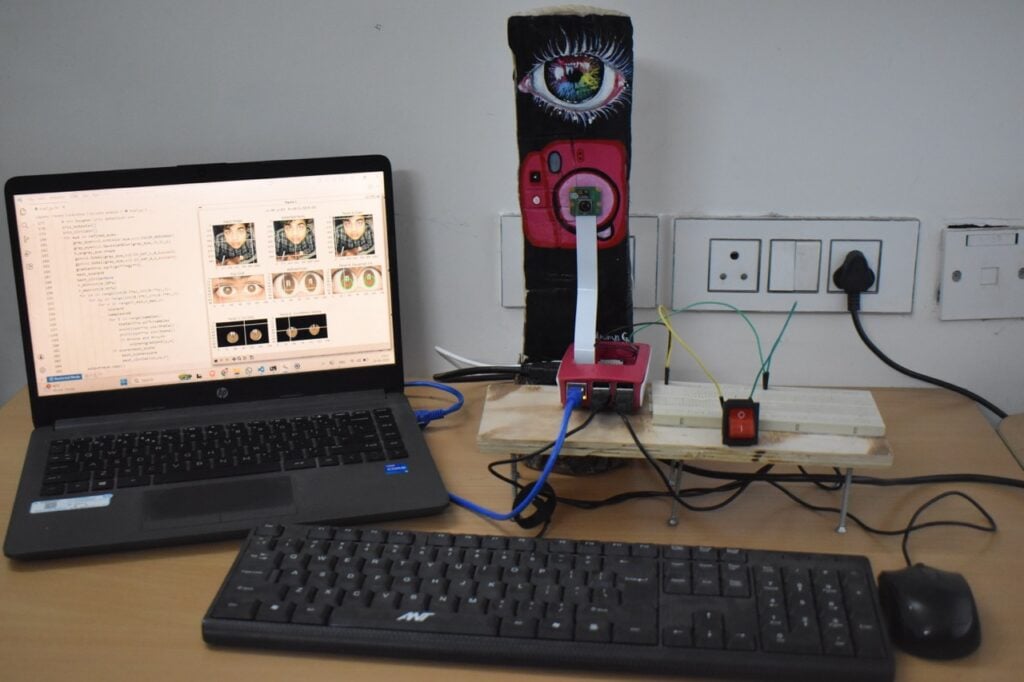
Iris colour detection with Raspberry Pi
A recent project showcased on Maker Monday involves using a Raspberry Pi 3 Model B+ and a Raspberry Pi Camera Module 3 to detect iris color. The system utilizes OpenCV, a computer vision library, to process images and identify the color of a person's iris as they look into the camera. This project was developed by Srikrishna Karthick, a student working with the Indian Space Research Organisation (ISRO), who aimed to create a more engaging demonstration for a National Science Day event.
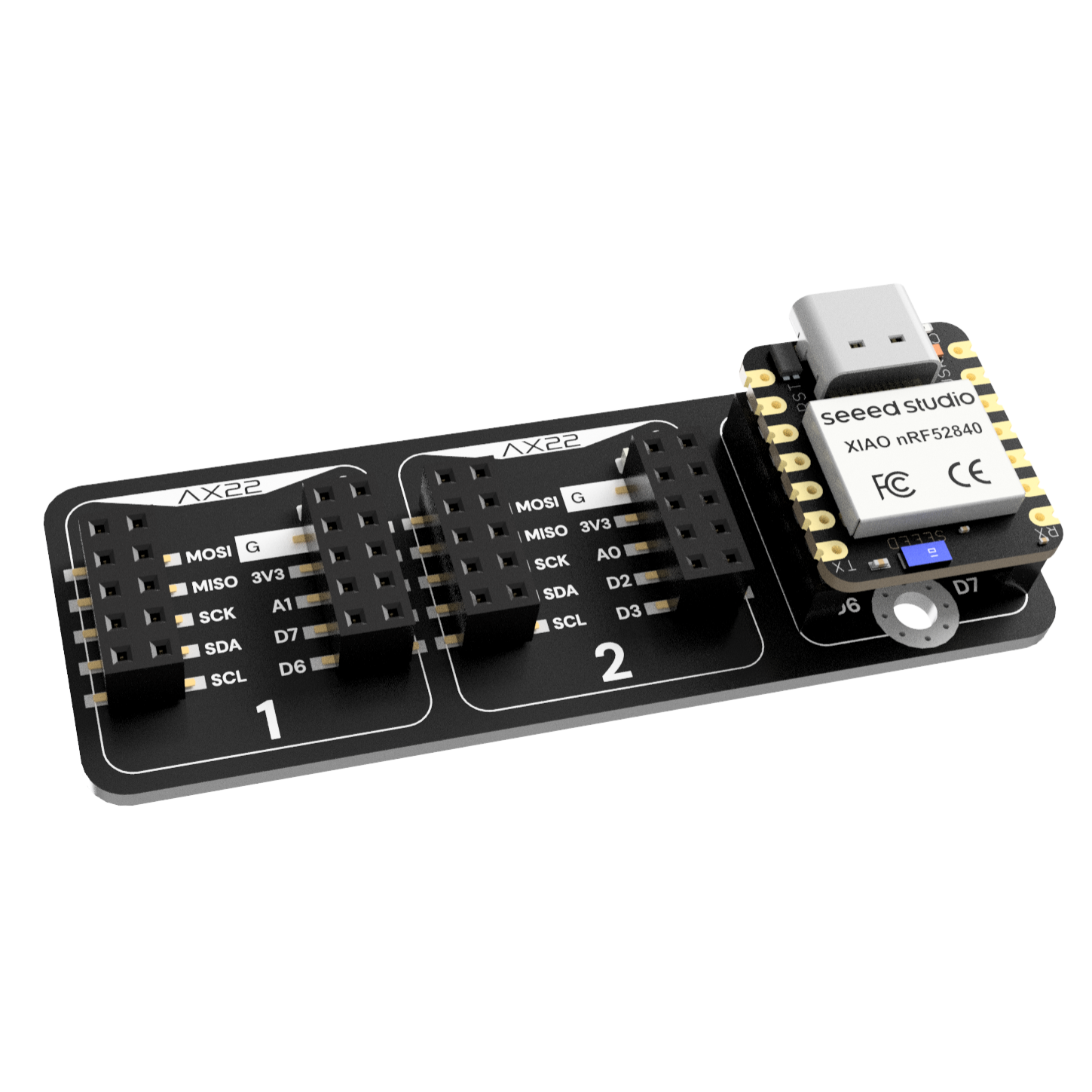
Axiometa Genesis XIAO Shield: Build Real Devices Without the Wiring
The Axiometa Genesis XIAO Shield is a modular hardware platform designed to simplify the process of building electronic devices. By connecting a Seeed Studio XIAO board and plugging in various AX22 modules, users can create functional hardware without the hassle of wiring, breadboards, or complex pin mapping. This approach allows for quick prototyping and experimentation, making it accessible even for those new to electronics.
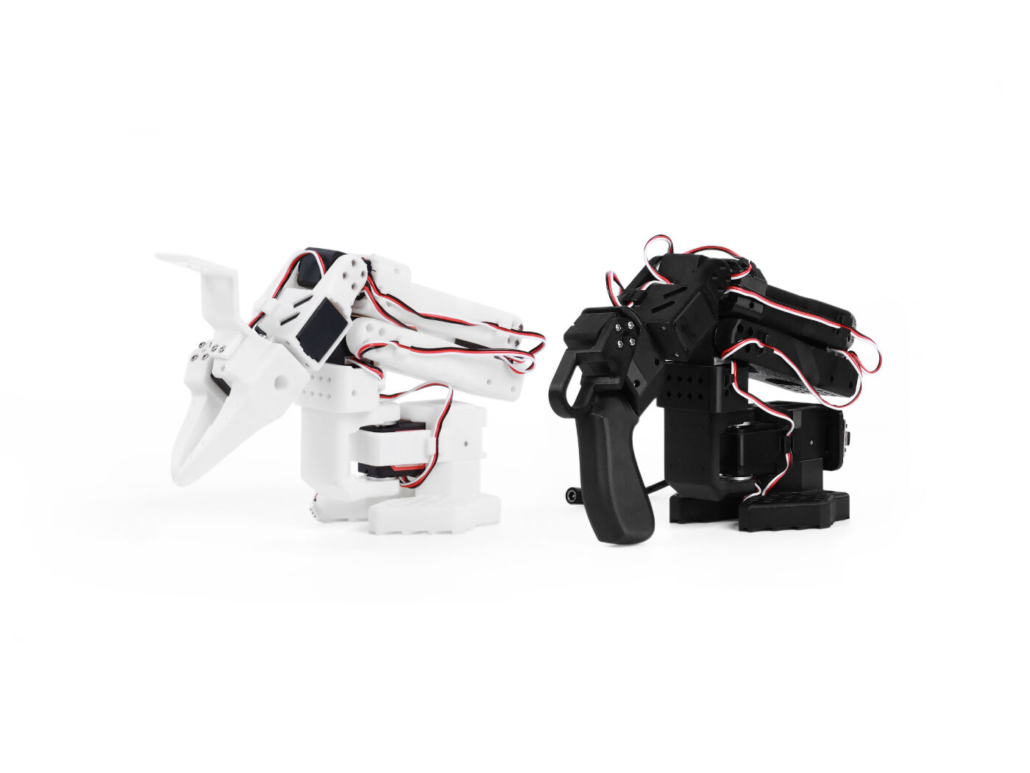
How Low‑Cost Teach a Robot Arms to Work on Their Own ?
This article explores the process of teaching a robotic arm to perform tasks autonomously through a method called Imitation Learning. It outlines a comprehensive workflow that includes calibration, teleoperation, dataset collection, training with Action Chunking with Transformers (ACT), and finally, deploying the robot in real-world scenarios. The focus is on a specific project using the SO-ARM101 robotic arm, which can complete pick-and-place tasks without human intervention after training.
How to Build a Low-Power Asset Tracking System for Large-Scale Plantations
The article discusses the challenges of tracking assets on large-scale plantations using traditional cellular GPS systems and presents a low-power alternative using LoRaWAN (Long Range Wide Area Network). Large plantations, such as those for palm oil or timber, often span thousands of hectares, making it difficult to maintain reliable connectivity. Cellular signals can be spotty, especially in remote areas far from infrastructure, leading to unreliable tracking of equipment and personnel.
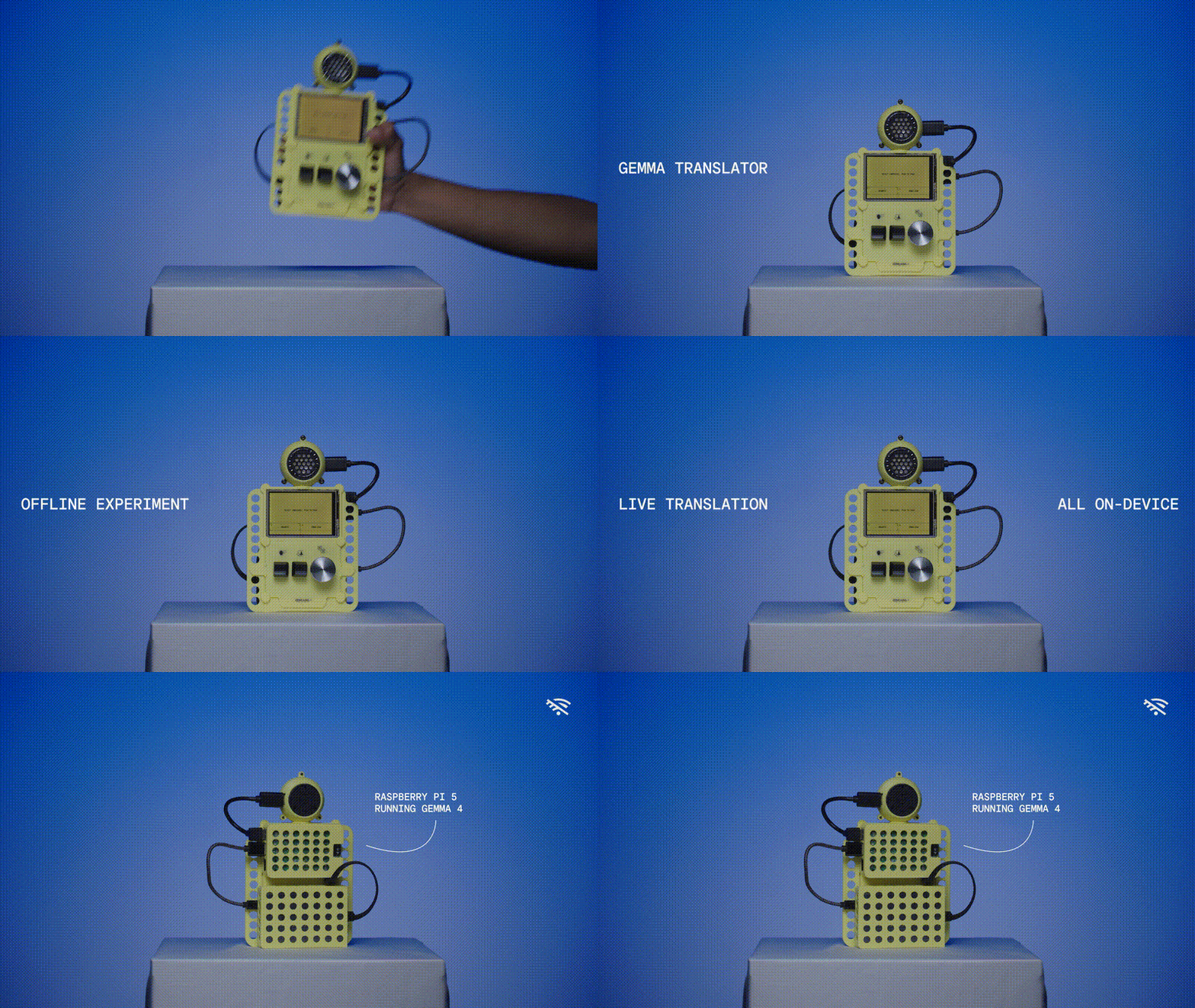
Gemma Translator – Live Translating Offline on a Raspberry Pi 5
The Gemma Translator is an open-source offline translation tool developed by a Google team, designed to run on a Raspberry Pi 5. This project combines several off-the-shelf components, including a portable battery pack, a tiny touchscreen display, a mini speaker, and a micro keyboard, all housed in a custom 3D-printed case.
John Park’s CircuitPython Parsec: Fruit Jam Library – NeoPixels
John Park's latest project showcases the Fruit Jam Library, which allows you to control on-board NeoPixels using CircuitPython. This library is designed to make it easier for makers to light up their projects with colorful LED displays. You can find the library on GitHub, along with some handy code examples to help you get started.
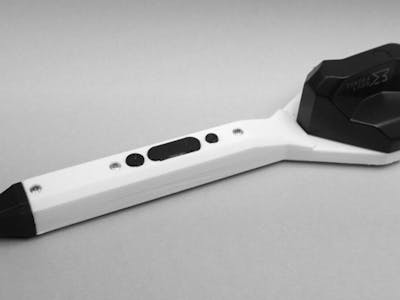
Build Your Own 6-DoF Spatial Stylus for $155
Aalto University has introduced an open-source project called the Lighthouse Stylus, a six-degree-of-freedom (6-DoF) spatial stylus designed for projection-based interfaces. This device aims to provide an affordable alternative to costly motion capture systems, achieving better than 1 mm positional accuracy for around $155 in parts. It utilizes Valve's Lighthouse tracking technology through the Tundra Tracker ecosystem, but while the stylus's design and software are open source, it still relies on proprietary components for tracking.

How To: Develop Edge AI on a Raspberry Pi with LiteRT and Gemma
This article discusses a project that showcases how to develop Edge AI applications using a Raspberry Pi, utilizing LiteRT and Gemma. LiteRT is a lightweight real-time operating system designed for low-power devices, while Gemma is a microcontroller platform ideal for small projects. The combination of these tools allows engineers and hobbyists to create efficient AI applications that can run directly on the Raspberry Pi without needing a constant internet connection.
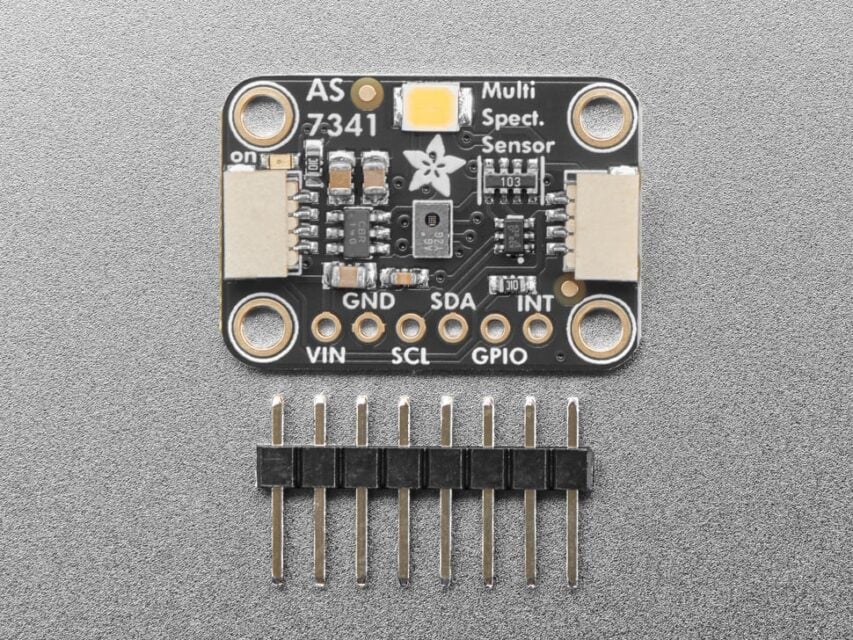
Make a LEGO Synthesizer or a Color Sensing Music Player with our AS7341 10-Channel Light / Color Sensor Breakout
The Adafruit AS7341 10-Channel Light/Color Sensor Breakout is a powerful multi-channel spectrometer capable of detecting light intensity and specific wavelengths. This sensor can discern colors beyond the capabilities of the human eye, making it a versatile tool for various projects involving light detection and color recognition.
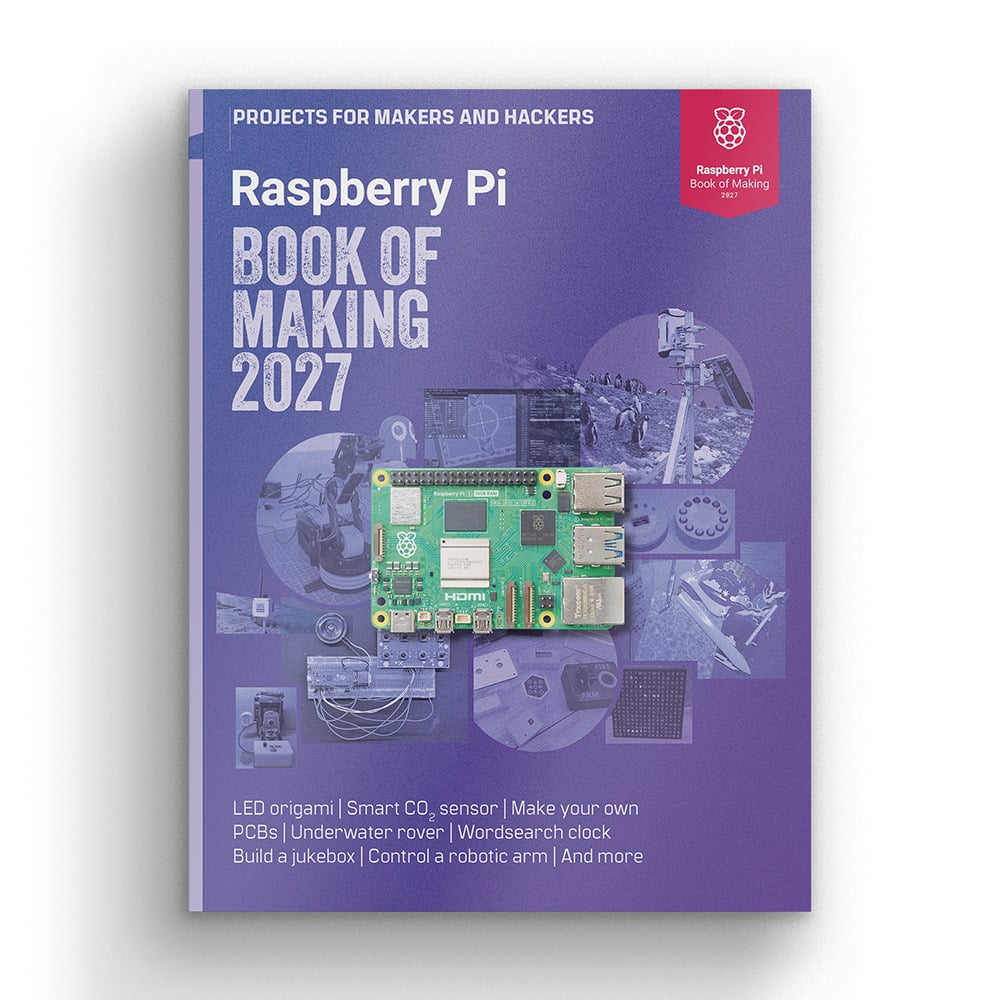
Just released: Raspberry Pi Book of Making 2027
The newly released *Raspberry Pi Book of Making 2027* is a collection of exciting DIY electronics projects featured in the *Raspberry Pi Official Magazine*. This edition offers a mix of creative ideas, from simple paper circuits to more complex builds like underwater rovers, aimed at both beginners and those looking to enhance their electronics skills.
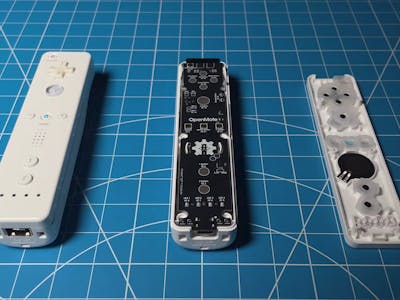
Your Old Wii Remote Can Now Control Your Smart Home
The OpenMote is a modern circuit board designed to fit inside the shell of a classic Nintendo Wii Remote, transforming it into a versatile controller for smart home devices and custom electronics projects. Built around an ESP32-S3-WROOM-1 module, the board features a dual-core processor, built-in Wi-Fi, and Bluetooth 5 LE, making it capable of handling various tasks beyond gaming.

Get started with LiteRT on Raspberry Pi
This article provides a step-by-step guide for installing LiteRT, a tool from Google that allows you to run high-performance on-device AI models on a Raspberry Pi. It highlights the importance of LiteRT in enhancing the performance of AI applications on this platform, making it easier for hobbyists and developers to leverage machine learning capabilities directly on their devices.

A Practical Guide to Embedded Linux Logging
This article provides a comprehensive overview of various logging platforms for embedded Linux systems, focusing on their practical applications and trade-offs. It discusses how different logging methods can impact resource budgets, with considerations for storage media, data compression, and the verbosity of logs. The aim is to enhance debugging capabilities while being mindful of the limited resources common in embedded systems.
A 60 W Class-AB Audio Amplifier: A TDA7296-Based Single-Channel Power Amp
The article details the construction of a 60 W Class-AB audio amplifier using the TDA7296 integrated circuit. This single-channel power amplifier is designed for driving 4 or 8-ohm loads, making it suitable for various audio applications, whether you're working on a custom stereo system or powering speakers for a project.
Siemens and ASU Launch Online Certificate Program for PCB Design
Siemens has teamed up with Arizona State University (ASU) to launch an online certificate program focused on Printed Circuit Board (PCB) design. This program is geared toward helping learners gain practical skills using industry-standard software. The curriculum is self-paced and covers essential topics such as schematic capture, layout design, and Design for Manufacturing (DFM) verification.
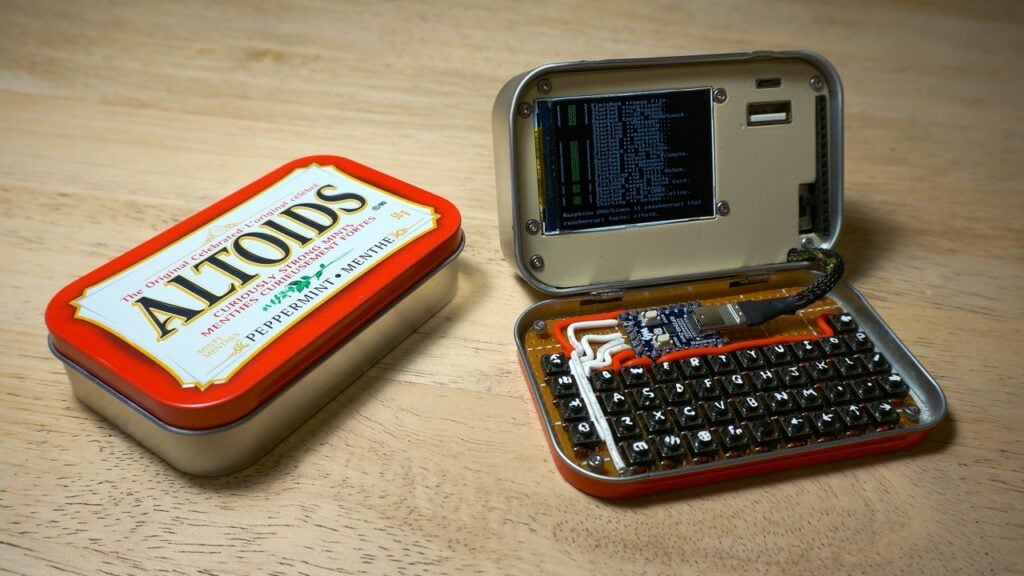
Curiously minty Raspberry Pi Zero cyberdeck
The article highlights a creative project by Mason from Exercising Ingenuity, who built a compact cyberdeck using a Raspberry Pi Zero, all cleverly housed in an Altoids tin. This project is part of the broader trend of miniaturizing electronics into small, portable devices. The build features a custom dot-matrix keyboard, a 2-inch LCD display, a UPS HAT for power management, and even a USB hub for external connectivity.
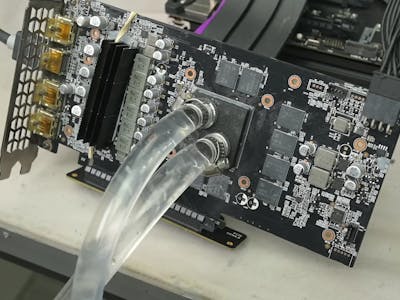
Water Cooling a GPU Without a Cold Plate
Matt from the TrashBench YouTube channel has developed a unique water cooling system for GPUs that eliminates the need for a traditional cold plate. In high-performance computing, managing heat is critical, and while water cooling is effective, the thermal interface can present challenges. Matt's solution involved flowing water directly over the GPU die, which is typically risky due to electrical components, but he cleverly insulated them using nail polish.
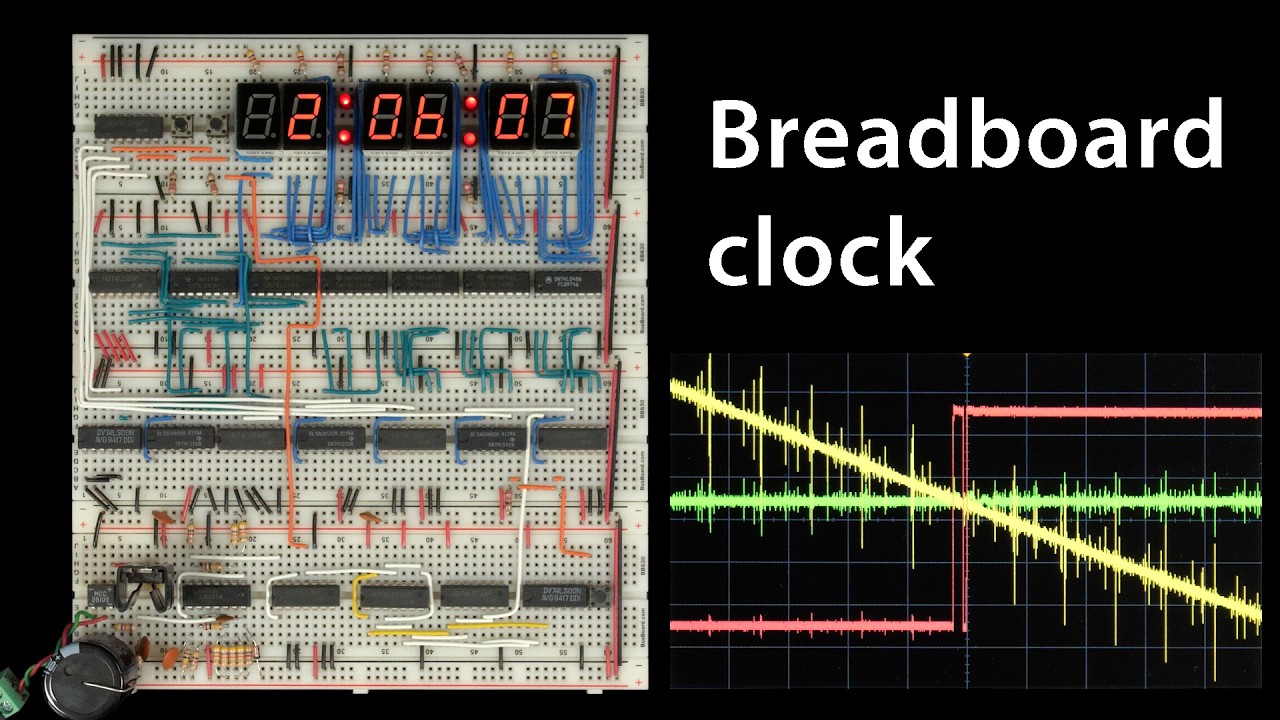
Let's build a digital clock!
This article outlines a project where the creator builds a digital clock using basic electronic components and a microcontroller. The project is designed to be accessible, even for those who might be new to hardware and electronics, and the video tutorial provides step-by-step guidance on the assembly and programming of the clock.
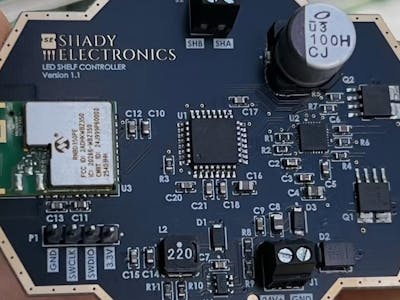
Stop Whining!
Aaron Shady tackled the annoying flickering and whine of low-quality LED light bulbs by designing a custom controller board. Many LED bulbs suffer from these issues due to poor electronic filtering, especially when dimmed, making them less appealing despite their energy efficiency. Shady's project started when he reverse-engineered the original controller of his shelf's built-in LED lighting, discovering that it operated at a low 2 kHz frequency, which produced harmonics in the audible range.
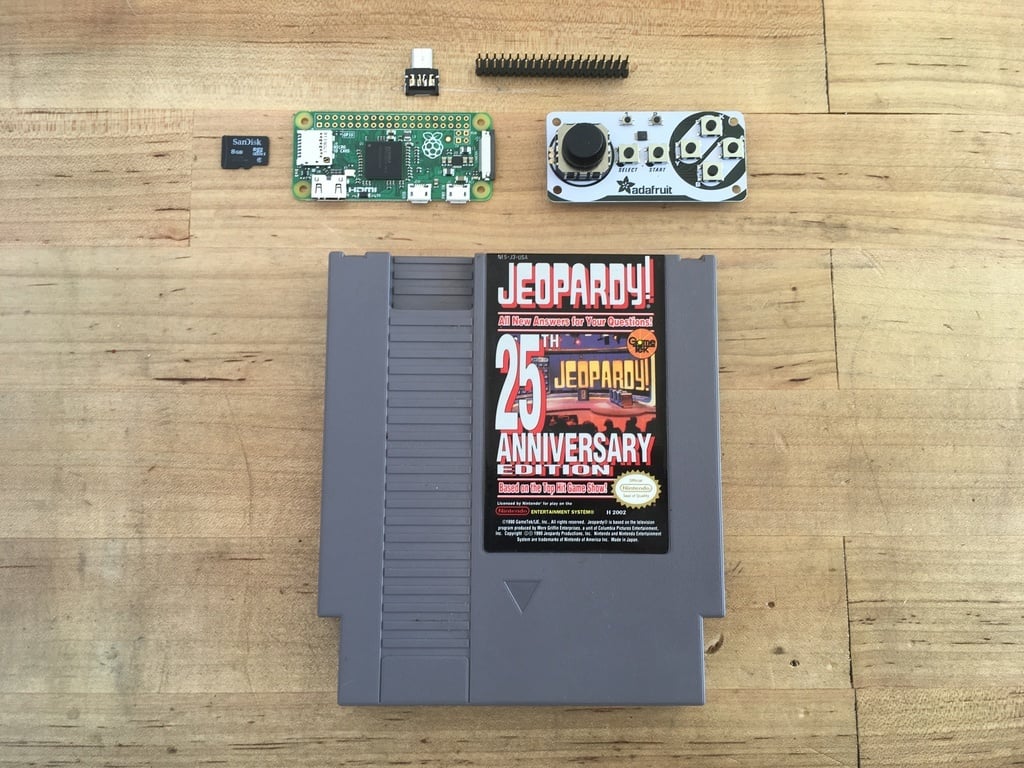
Is Now the Right Time to Build Your Own Raspberry Pi-Powered Retro Video Game Console
Building your own retro video game console using a Raspberry Pi is becoming increasingly appealing, especially as modern game prices rise and physical media disappears. A guide by Will Greenwald and Jason Cohen from PCMag suggests this is a great time to explore the extensive library of classic games. While they recommend using a Raspberry Pi 5 for optimal performance, older models will also work well and are more budget-friendly.
John Park’s CircuitPython Parsec: Fruit Jam Library – Buttons
John Park's article introduces the Fruit Jam Library, a handy tool for working with buttons in CircuitPython projects. This library simplifies the process of detecting button presses, making it easier to integrate user input into your designs. The article provides a link to the library on GitHub, allowing users to access the code and documentation directly.
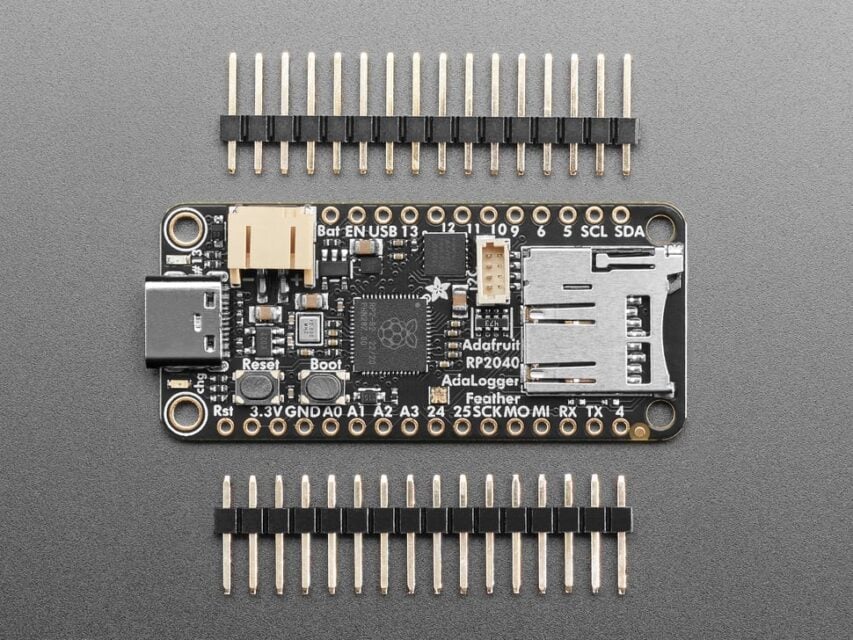
What to Make with Adafruit Feather RP2040 Adalogger
The Adafruit Feather RP2040 Adalogger is a compact and versatile data-logging platform based on the RP2040 microcontroller. It features built-in USB for easy connectivity, a microSD card holder for data storage, and a STEMMA QT / Qwiic connector for quick I2C sensor integration. The board comes pre-assembled and tested, although you'll need a soldering iron to attach the headers for stacking additional FeatherWings if desired.
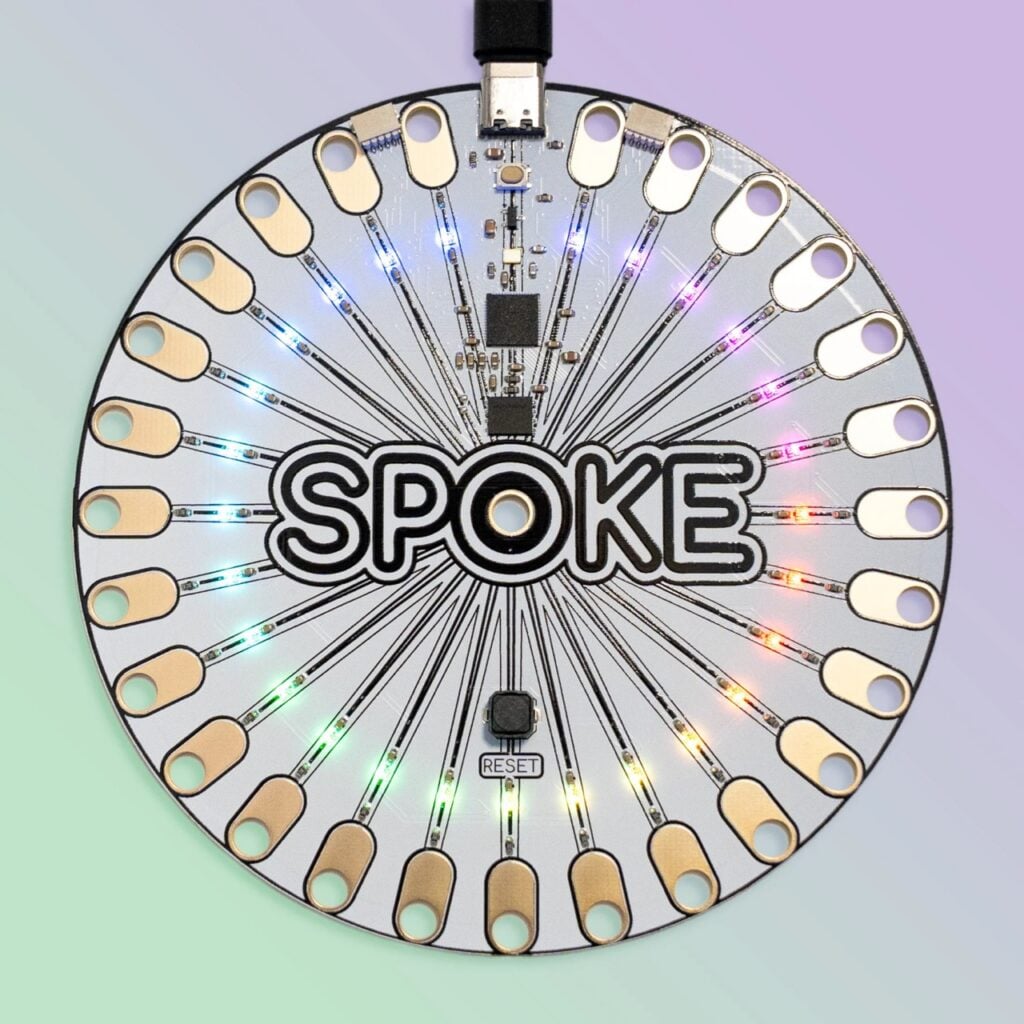
SPOKE: An RP2040-powered touch controller
The SPOKE is a capacitive touch controller powered by the RP2040 microcontroller, designed in a CD-sized disc format. It features 27 touch pads around its edge, each connected to a GPIO pin, making it a versatile input device. With a USB-C port and a reset button, it's designed for easy connectivity and use in various projects.

The Mini Fridge That Runs Away From You
Dorian Todd has created a unique mini fridge that can move around, playfully evading its owner while also offering cold drinks when needed. This innovative project takes inspiration from the classic prank about chasing after a running fridge and turns it into a functional robot. The fridge is built on a tank-style drivetrain powered by Repeat Robotics Ultra Mk2 brushless gear motors, originally designed for combat robots, ensuring stability and mobility.
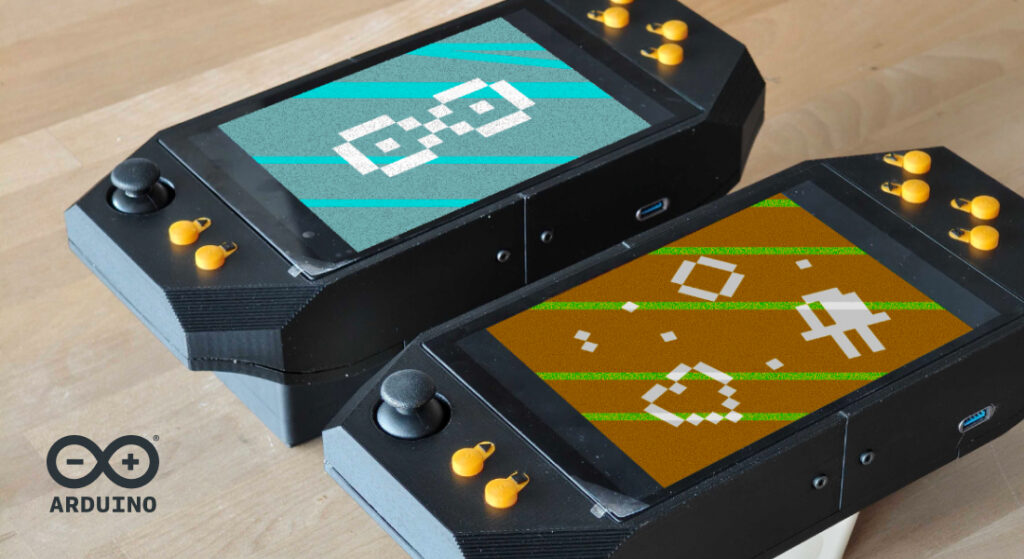
Build your own handheld retro console with the Arduino® UNO™ Q board
The article discusses a DIY project for creating a handheld retro gaming console using the Arduino UNO Q board. Unlike many previous projects that require specialized hardware, this build is accessible because all components can be purchased from standard online retailers, and it primarily uses pre-made cables, eliminating the need for any soldering. The main components include the UNO Q board, an Arduino UNO Media Carrier for connections, and various input modules like buttons and a joystick.
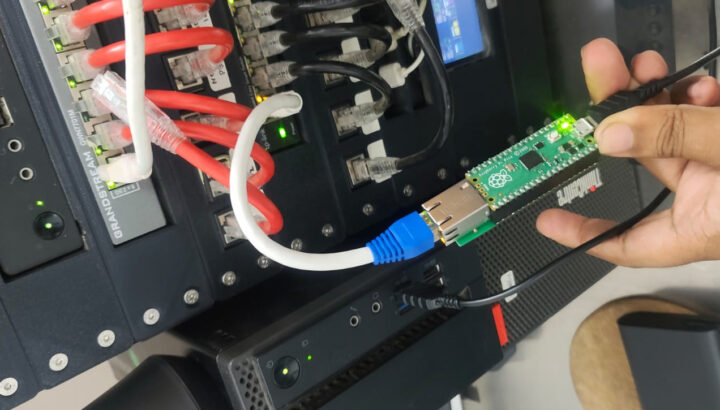
PICOTTY project enables multi-target serial remote management through Raspberry Pi Pico boards and Pi Zero 2 W SBC
The PICOTTY project is an open-source initiative that enables serial-based remote management using Raspberry Pi hardware. It employs a Raspberry Pi Zero 2 W as a central hub, running a web server for a dashboard, while multiple Raspberry Pi Pico boards are connected to control and monitor various targets over a serial interface. This setup functions similarly to a multi-target IP KVM (Keyboard, Video, Mouse), but it focuses solely on keyboard input, making it an efficient solution for managing headless systems.
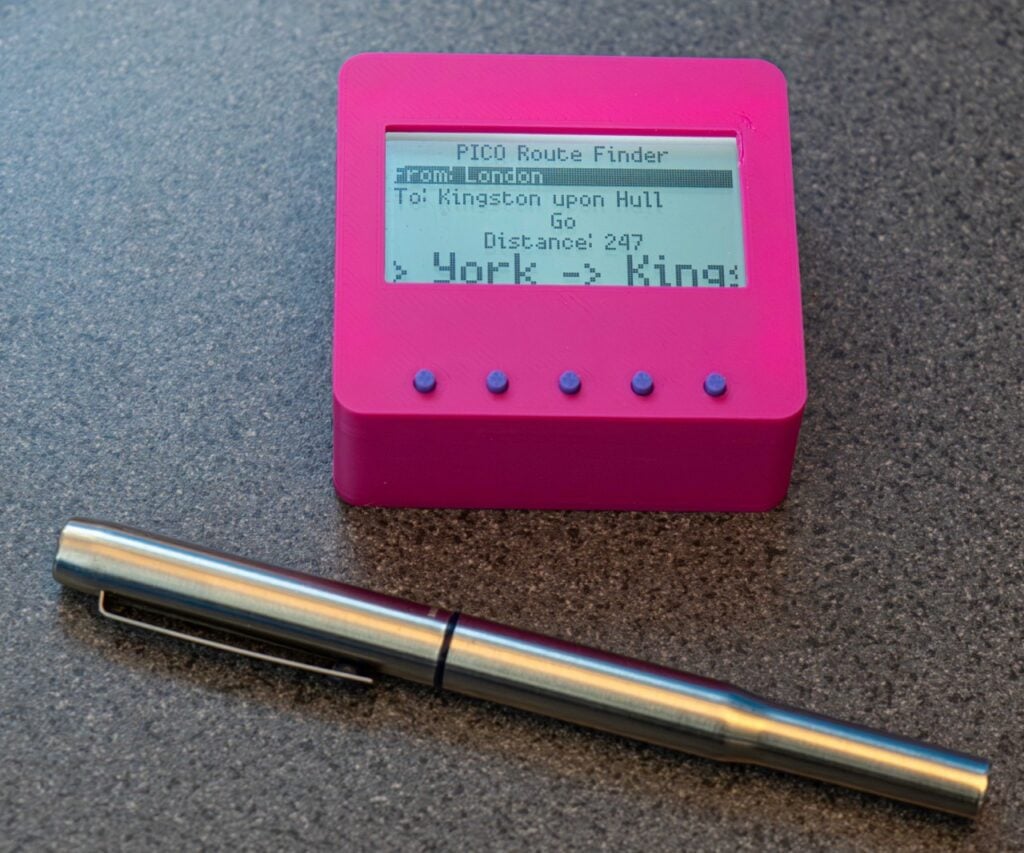
Build a Raspberry Pi Pico route finder using Dijkstra’s algorithm
The article covers the creation of a Raspberry Pi Pico route finder that implements Dijkstra's algorithm, a well-known method for finding the shortest path in a graph. Developed by Edsger Dijkstra in the 1950s, the algorithm is fundamental in navigation systems, data packet routing, and robotics. The project utilizes the Raspberry Pi Pico microcontroller running MicroPython to calculate and display the most efficient routes between locations, such as those in the UK.

Polka Dot Electro-Swing Dress with NeoPixels Pixels
The article showcases an innovative project where Erin St Blaine integrates NeoPixel LED lights into a classic polka dot swing dress, creating a dynamic and visually striking costume that reacts to movement. This intermediate-level guide details how to embed individually addressable NeoPixels behind each polka dot, allowing the lights to twinkle gently when still and to animate with vibrant flares during dance moves.
Pocket Audio Deck: Web Radio and MP3 Player for M5StickS3
The Pocket Audio Deck is a compact web radio and MP3 player built using the M5StickC S3 microcontroller. The project leverages the ESP32 chip, which provides built-in Wi-Fi capabilities, allowing users to stream internet radio stations and play MP3 files stored on a microSD card. The device features a small display that shows the current track and station information, along with buttons for playback controls.
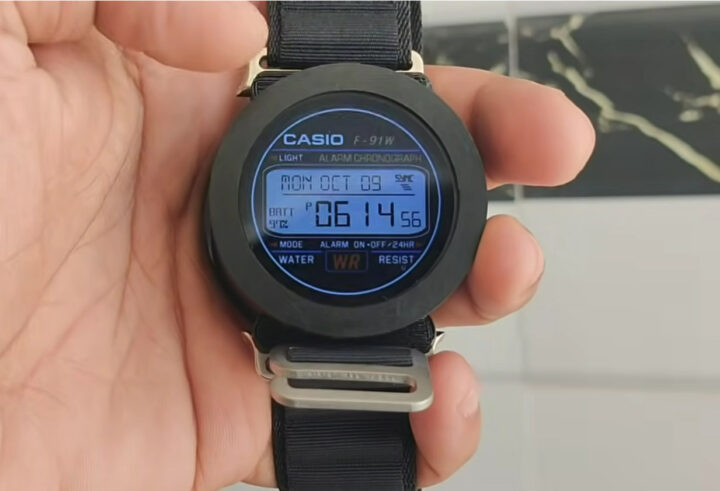
ChronoWatch X2040 – A DIY watch with off-the-shelf Raspberry Pi RP2040 round display, 3D printed case, and custom firmware
The ChronoWatch X2040 is a DIY watch project that utilizes a Raspberry Pi RP2040 microcontroller and a Waveshare RP2040-Touch-LCD-1.28 round display. Designed by Vishal Soni, the project simplifies watch building by using off-the-shelf components, including a 3D-printed case and a 3.7V lithium polymer (LiPo) battery. Instead of creating a custom circuit board, Soni opted for the Waveshare display board, which is cost-effective and allows him to focus on programming the watch's firmware using the Pico C/C++ SDK.
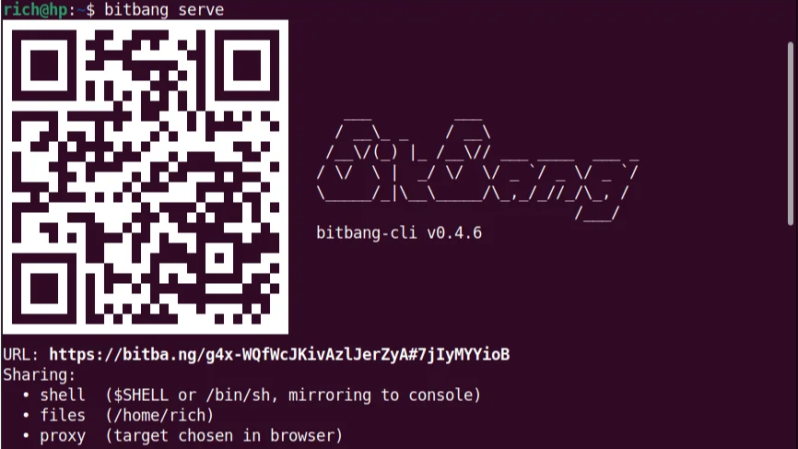
Get a Remote Terminal With One Binary, One URL, and Zero Config
BitBang is a remote terminal solution that allows users to establish an encrypted peer-to-peer connection without the need for complex configurations like VPNs or port forwarding. With just a single static binary executable, users can generate a QR code or URL to share, enabling remote access to a terminal in a web browser. This framework, created by Rich LeGrand, also supports file transfers and access to web applications on the target machine's network.
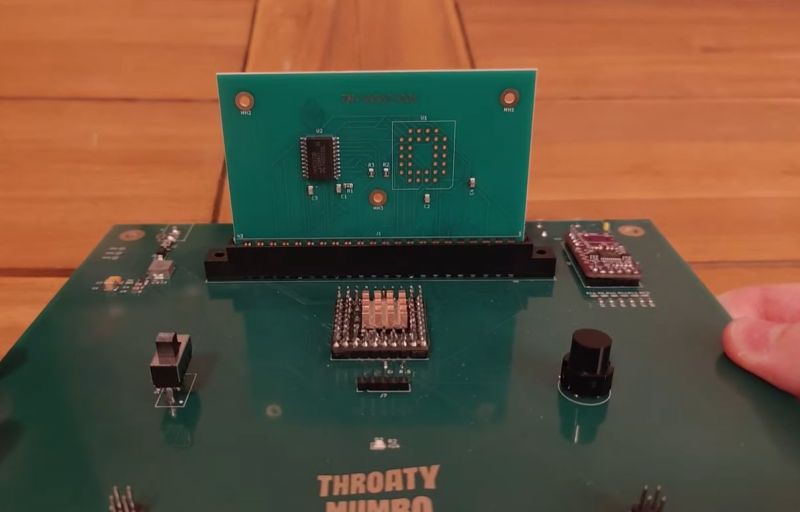
Making a Retro(ish) Game Console From Scratch
[Throaty Mumbo] has embarked on an interesting project to create a retro-style game console, dubbed the Game Console V2. This build focuses on traditional gaming hardware, using modern microcontrollers but intentionally avoiding contemporary features like SD card support or VGA output. Instead, it utilizes proper cartridges with ROMs and outputs composite AV signals, reminiscent of classic gaming setups.
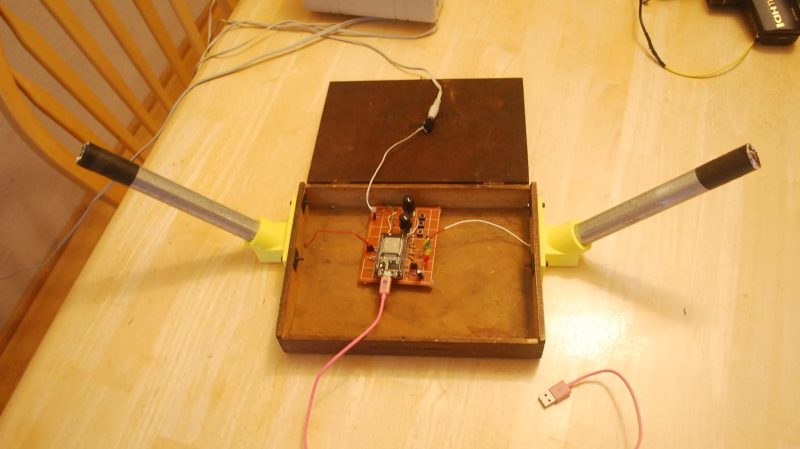
Easy Theremin Uses ESP32
The article discusses a modern approach to building a Theremin, the iconic electronic musical instrument known for its eerie sounds featured in classic sci-fi films. The project, created by [ericCycles], primarily utilizes an ESP32 microcontroller, which simplifies the construction by minimizing additional circuitry.
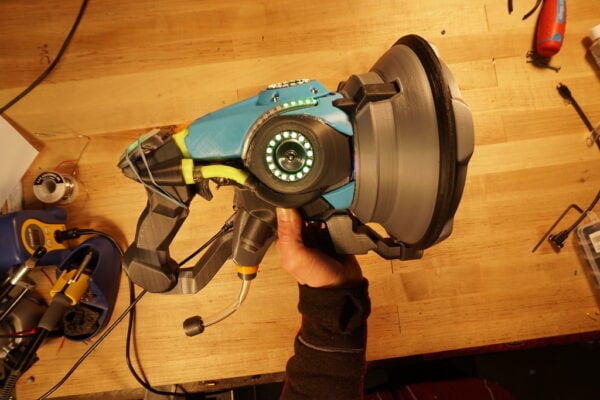
Overwatch Prop Gun: Lucio’s Blaster
The article details a comprehensive guide for building a prop replica of Lucio's Blaster from the game Overwatch. It’s broken down into three parts, focusing on different aspects of the construction process, including circuit design, integration, and final assembly. Each section is crafted by John Park and includes specific steps to help you create a fully functional prop with lights, sound effects, and music.

How to Deploy Local LLMs for Embedded Software Development: Hardware Selection and Trade-offs
This article focuses on deploying local Large Language Models (LLMs) for embedded software development, specifically addressing how to choose the right hardware and the trade-offs involved. The author builds on previous discussions about key terms related to LLMs, like parameters and quantization, and illustrates how these concepts influence hardware decisions.

I Tried to Clone My Car Key… But It Didn’t Go to Plan!
The video explores the process of cloning RF (Radio Frequency) remotes, focusing on practical applications like duplicating a car key. Using tools such as a Software Defined Radio (SDR), a Flipper Zero—a versatile hacking tool—and an ESP32 microcontroller, the creator embarks on a hands-on journey to understand how these devices communicate and whether it's feasible to replicate their signals.
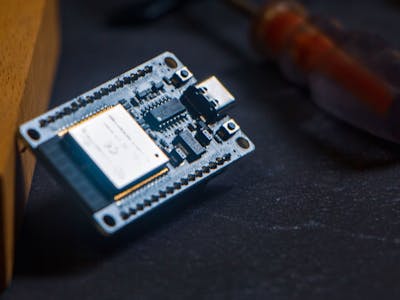
Running a 28.9M Parameter LLM on an $8 Microcontroller
A developer has successfully run a 28.9 million parameter language model on an ESP32-S3 microcontroller, which costs just $8. This impressive feat challenges the typical notion that powerful GPUs are necessary for operating large language models (LLMs). The ESP32-S3 features only 512KB of SRAM, 8MB of PSRAM, and 16MB of flash storage, yet the entire model operates locally without any cloud support. It generates text at about 9.5 tokens per second, displayed on a small screen connected to the board.
That Project: A Standalone Rubik’s Cube Solver
That Project has created a standalone Rubik's Cube solver using an ESP32-S3 microcontroller. This device is completely handheld and offline, meaning it doesn't require a phone, cloud service, or PC to operate. It features a built-in camera that scans the Rubik's Cube and uses OpenCV, a computer vision library, to detect the colors on each side.
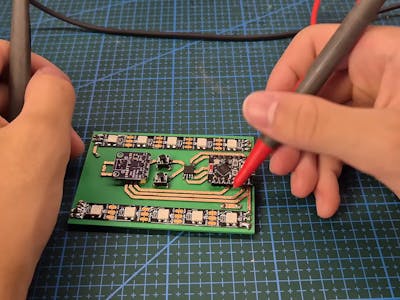
This 3D Printing Method Might Be the Easiest Way to Get a Functional PCB
Mecharonix has developed a straightforward method for 3D printing functional printed circuit boards (PCBs) at home. This approach focuses on creating operational PCBs rather than high-quality ones, making it accessible for hobbyists without requiring specialized equipment beyond a 3D printer. Notably, it allows for the creation of double-sided PCBs and includes the option for vias.
Installing Docker on the Raspberry Pi
The article details the process of installing Docker on a Raspberry Pi. Docker is a tool that enables OS-level virtualization, allowing developers to run software in isolated environments called containers. This setup enhances security and resource management since the software inside a container can only access what the Docker runtime permits.
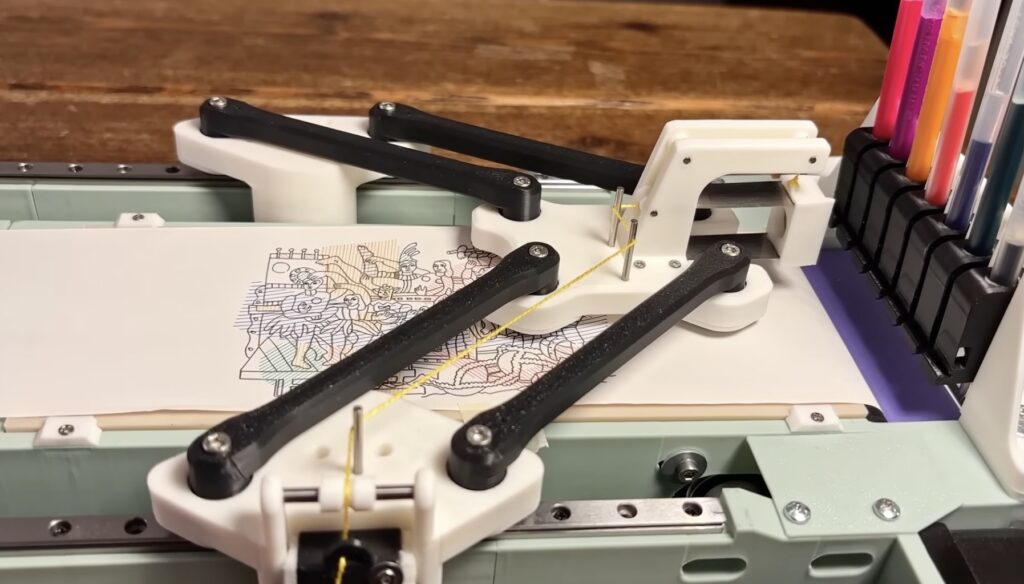
This DIY pen plotter has delta kinematics and a tool changer
This article covers a unique DIY pen plotter created by András Vujovits that utilizes delta kinematics instead of the more common Cartesian movement. Delta kinematics employs two parallel arm linkages that allow for precise positioning by moving carriages relative to one another, enabling the pen plotter to draw anywhere within its defined workspace with some clever math.

PCB Copper Pours 101 - Phil's Lab #176
The video "PCB Copper Pours 101" by Phil's Lab dives into the fundamentals of copper pours, also known as polygon fills, in printed circuit board (PCB) design. It covers essential design rules, the importance of thermal relief to manage heat dissipation, and how to maintain copper balance across different layers of a PCB. Phil breaks down the pour order, explaining how to prioritize fills to avoid potential design issues.
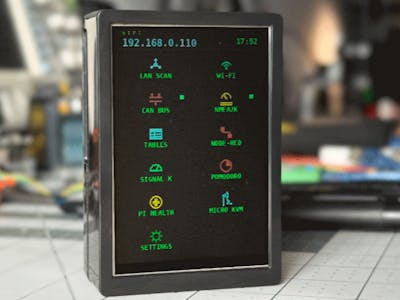
The Pocket-Sized Panel Built to Simplify Your Workbench
Scott McLeslie has developed a compact device called Scottina, designed to streamline the diagnostic process for engineers. Built around a Raspberry Pi 5 and featuring a 3.5-inch touchscreen, this pocket-sized panel provides a simplified interface that focuses on only the essential controls and information needed for various tasks, eliminating the clutter of traditional diagnostic tools.
A Dual 38W Power Amplifier: A Compact STA540-Based Stereo Audio Board
This article outlines a project to create a compact dual-channel power amplifier module using the STA540 audio amplifier integrated circuit (IC) from STMicroelectronics. The amplifier is capable of delivering 38 watts per channel into 4-ohm speakers, making it suitable for various audio applications where space is at a premium.

Make a Smart Home – The Raspberry Pi Official Magazine, Issue 167
The article in the Raspberry Pi Official Magazine, Issue 167, focuses on building a smart home using Raspberry Pi as a central controller. It outlines how to automate various electronic devices, integrating both off-the-shelf hardware and custom creations powered by the Raspberry Pi Pico W. The approach emphasizes creating a unified platform for home automation.