Rising Edge Digital
Hardware & Embedded Systems for Software Developers
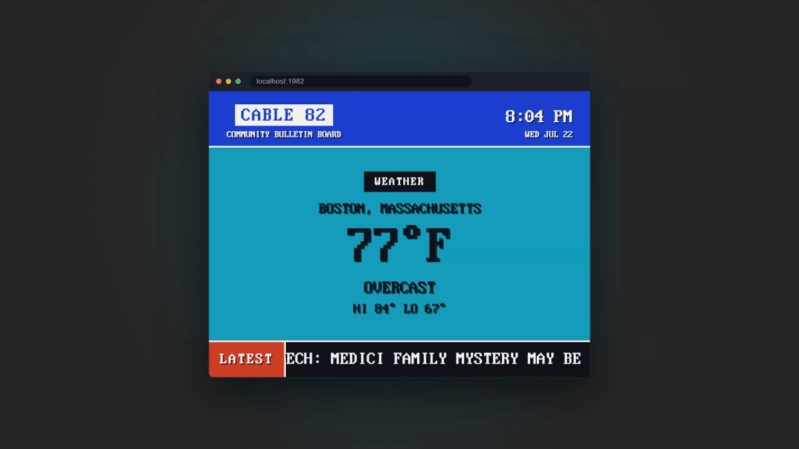
Neighborhood Bulletin Boards, circa 1982
CABLE 82 is a project by Hans that revives the concept of neighborhood bulletin boards from the 1980s, using modern technology to create a community-focused video channel. Instead of the old character generators, he employs a Raspberry Pi running custom software to manage the video feed and content for the bulletin board. This setup allows users to utilize older televisions with yellow composite video outputs, bypassing the need for HDMI to RF converters, which is a nice touch for those wanting to keep things authentic.
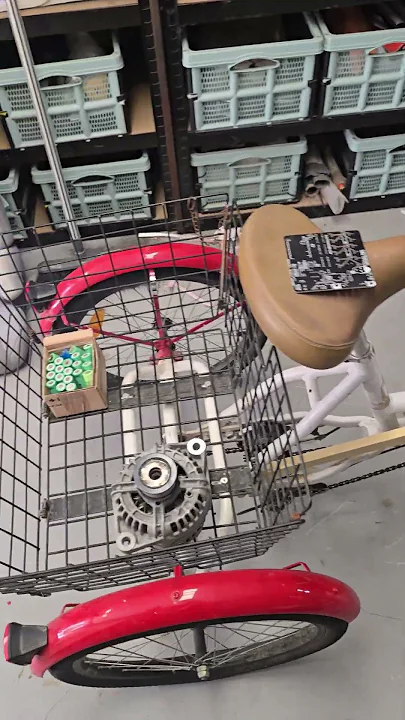
Next Project - Homemade electric bike
This article showcases a DIY project where a homemade electric bike is built, featuring a unique combination of components and innovative design choices. The creator, using readily available materials, demonstrates how to convert a traditional bicycle into an electric one. Key aspects include the integration of an electric motor, a battery pack, and a simple control system that allows for easy operation.
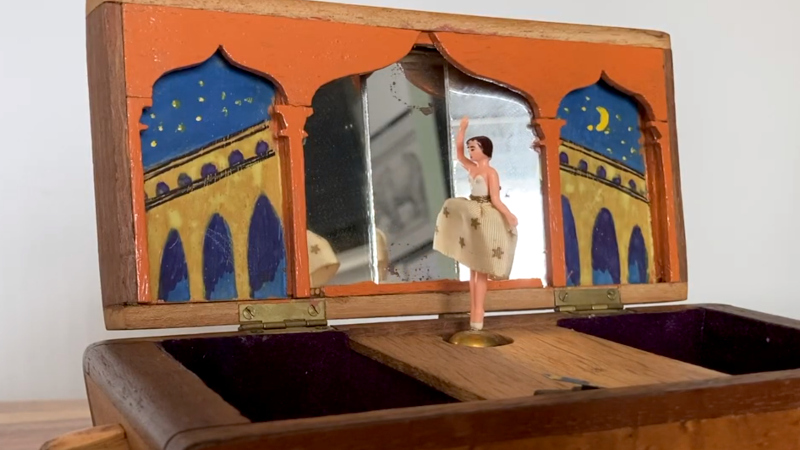
A Music Box With A Very Modern Heart
Shiela Dixon has taken a traditional ballerina music box and transformed it into a modern marvel by integrating a microcontroller and audio playback system. The original music box used a simple clockwork mechanism with a comb and drum to produce sound, but Dixon replaced the comb with her new setup, allowing for a much larger repertoire of music. Instead of just playing pre-recorded tracks, her system samples each note from the original mechanism and plays them back in a way that mimics the traditional music box experience.
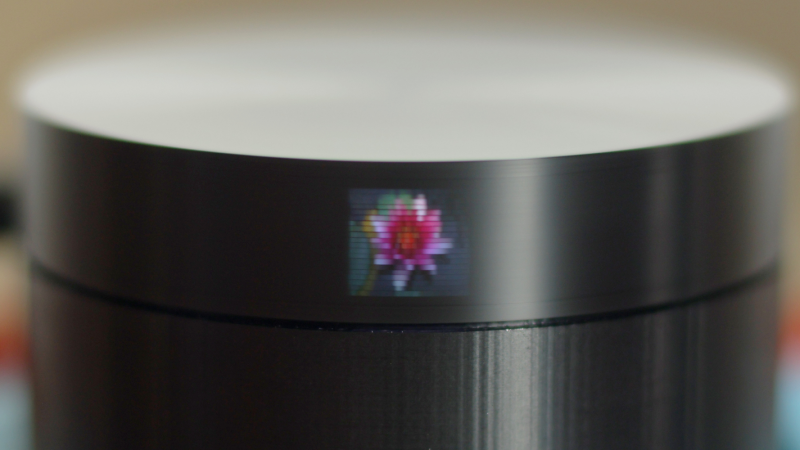
Scanwheel: A Pocket-Sized POV TV
The Scanwheel is a pocket-sized television that uses the persistence of vision effect to display images. Created by a maker known as Ancient, this innovative project combines a spinning disk and LEDs to generate visuals in a compact form. Instead of the traditional bulky screens we're used to, the Scanwheel leverages a Raspberry Pi Pico microcontroller to manage motor speed and LED timing, along with a small stepper motor and motor driver.
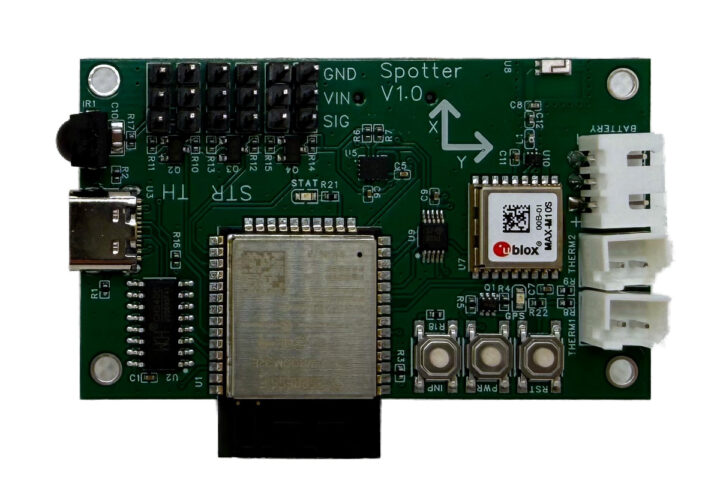
Open RC Spotter is an open-source ESP32 telemetry and data logger for RC cars and toys
Open RC Spotter is an open-source telemetry and data logging system specifically designed for remote-controlled (RC) cars and toys. Created by Jake Wachlin from Energy Labs, it utilizes the ESP32 microcontroller to log various performance metrics, including GPS position, acceleration, gyroscopic data, steering, throttle, battery voltage, temperature, and lap timing. This data is stored on a microSD card, and it also supports live telemetry via Wi-Fi and ESP-NOW, enabling real-time monitoring of your RC vehicle’s performance.

Scanwheel: a drum style mechanical television you can build yourself
Scanwheel is a DIY mechanical television project that uses a drum-style design to create images. The project is hosted on GitHub, where you can find all the necessary resources to build your own version. At its core, Scanwheel employs a rotating drum with slits and light sources to produce a moving image, reminiscent of early 20th-century mechanical televisions.
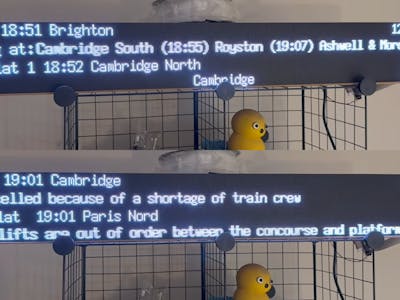
Build Your Very Own UK Train Departure Schedule Display
This article outlines a project by Jon Morris Smith to create a functional train departure board using a Raspberry Pi and an LED matrix display. The setup pulls live data from the UK’s Rail Data Marketplace to show train schedules, making it useful for both train enthusiasts and daily commuters.
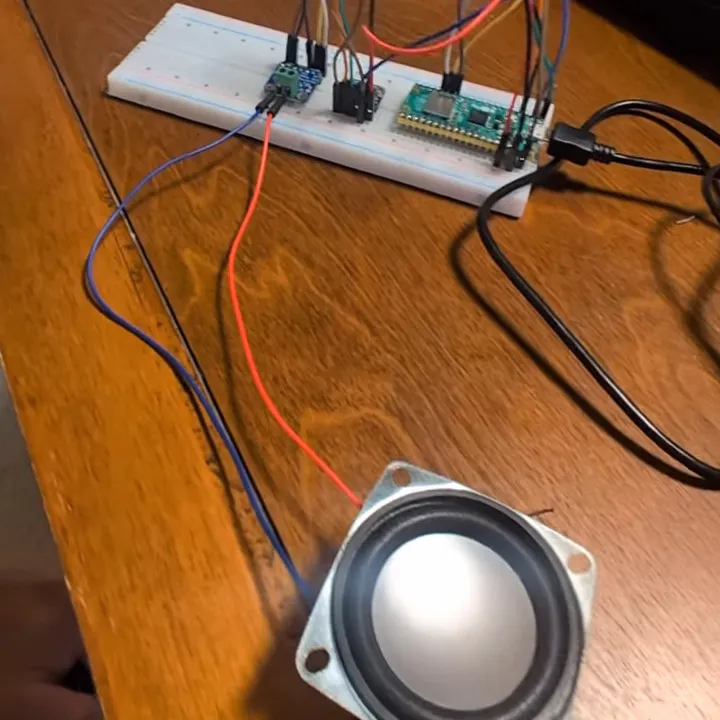
Voice Recognition and Speech Synthesis on an RPi Pico 2
Pete Warden is developing a voice recognition and speech synthesis system that runs entirely on a Raspberry Pi Pico 2, a microcontroller known for its low cost and compact size. The project utilizes an Adafruit I2S MEMS Microphone Breakout for audio input and an Adafruit I2S 3W Class D Amplifier Breakout for audio output. This setup allows for basic voice functionality without relying on cloud services or powerful processors, which is a significant step forward in making voice interfaces more accessible.

3D Printed Linguo
Carlos3DPrint has created a real-life version of Linguo, the grammar robot from *The Simpsons*, using a combination of 3D printing, artificial intelligence, and a Raspberry Pi. This project is inspired by the character that Lisa builds for a school science fair, designed to listen to people and correct their language mistakes. Carlos aimed to replicate this functionality in a physical robot that can move, talk, and help improve English grammar.
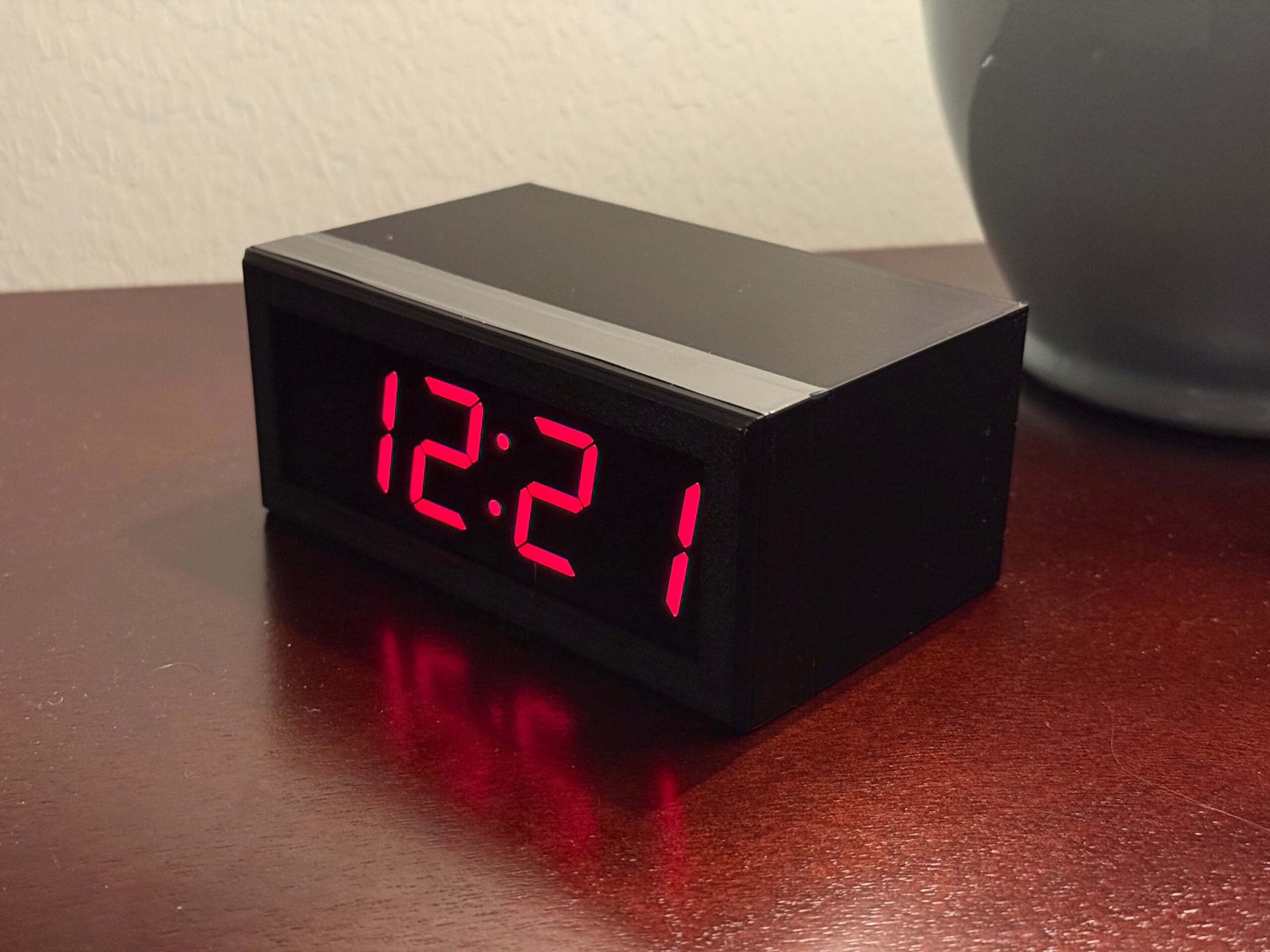
The “Simply” Perfect Clock
Lee Hutchson wanted a simple clock that never needed setting, specifically a red seven-segment display that could automatically sync with an atomic time source. After failing to find a ready-made solution that met all his requirements, he decided to build his own clock using a Raspberry Pi, a 3D printer, and a red 1.2” four-digit seven-segment display with an I2C backpack.

Turn a Raspberry Pi Into a Portable Commodore 64
YouTuber Retro Dad has created a DIY handheld version of the iconic Commodore 64 (C64) using a Raspberry Pi 3 Model B. This project combines modern technology with retro gaming by featuring a physical keyboard, gaming controls, and authentic joystick ports, all housed in a custom 3D-printed enclosure. The build is entirely open source, complete with printable case files, wiring diagrams, and a detailed guide for anyone interested in recreating it.

NEW LEARN GUIDE: Sampling Keyboard with Fruit Jam
The article introduces a new project called the USB sampling keyboard, inspired by the classic Casio SK-1. This device allows users to record audio samples via a microphone and then play them back at various pitches using a MIDI keyboard. If you’re not familiar with playing keys, it also supports MIDI file playback, enabling you to play entire songs with just a single button press.
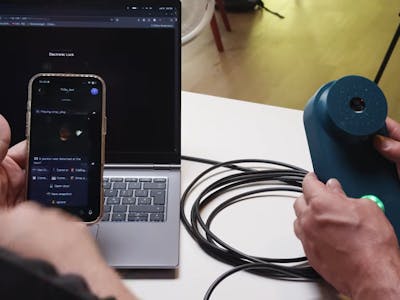
Build a Privacy-Focused Smart Doorbell with Arduino
The article outlines a project where an open-source smart doorbell is built using an Arduino UNO Q, designed to prioritize user privacy by keeping all data local. Unlike conventional video doorbells that send footage to the cloud, this system runs AI models on the device itself, detecting when someone is at the door and sending a snapshot to the homeowner via Telegram.
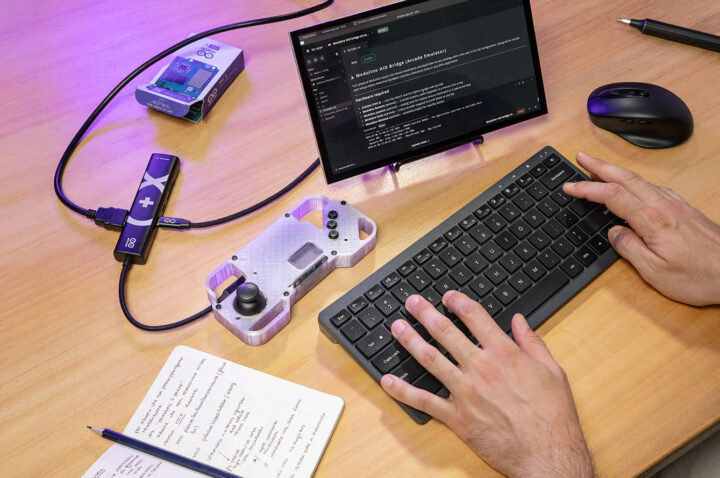
Arduino UNO Q Arcade bundle lets you build a custom retro gaming console for about $90
The Arduino UNO Q Arcade bundle is a kit that enables you to create a custom retro gaming console for around $90. It includes an Arduino UNO Q single-board computer (SBC) with 4GB of storage and a set of Modulino I2C modules that simplify the process of building your own game controller without the need for complex wiring. The kit's design leverages Qwiic connectors, allowing users to daisy-chain various input modules, making it easy to connect and configure them.
A Precision Multi-Sensor Data Acquisition Module
The article discusses a custom-built low-noise, 32-bit delta-sigma analog-to-digital converter (ADC) board centered around the ADS1262 chip. This design incorporates 10 channels and features integrated signal conditioning tailored for various sensors like resistance temperature detectors (RTDs), thermocouples, and strain gauges.
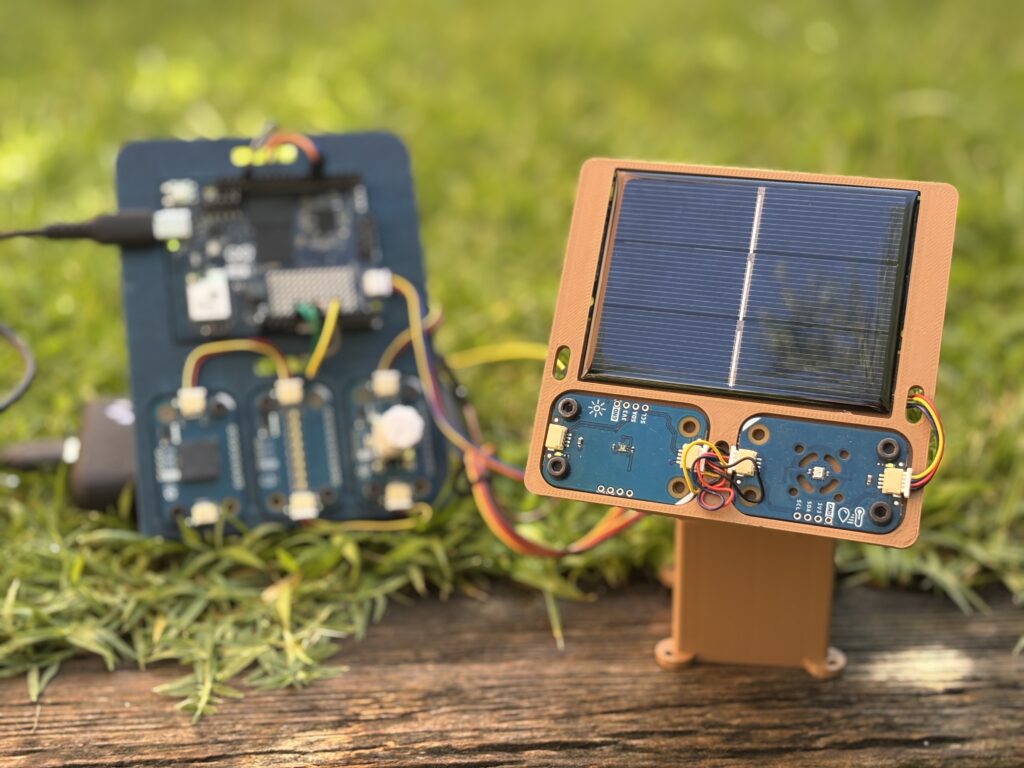
A smart solar panel system you can 3D print, build, and learn from – with the Arduino® UNO™ Q board
Julián Caro Linares created an open-source smart solar panel system that you can 3D print and build yourself, using the Arduino® UNO™ Q board. This project not only teaches you about solar energy but also provides a hands-on learning experience. The system includes two servo motors to adjust the solar panel's orientation for optimal sun exposure, and it features a live dashboard that displays real-time energy readings, weather data, and other metrics.
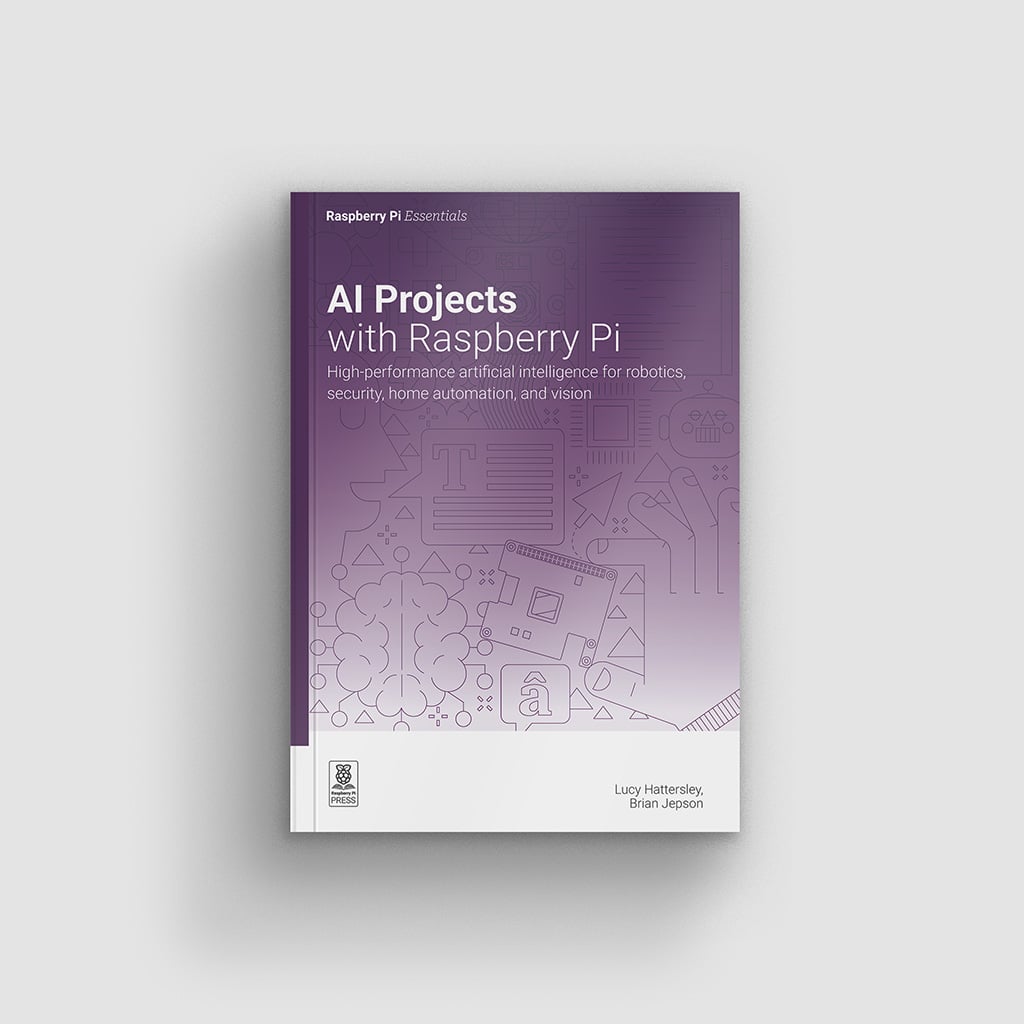
AI Projects with Raspberry Pi — out now!
The new book, *AI Projects with Raspberry Pi*, explores practical applications of artificial intelligence (AI) using Raspberry Pi hardware. It focuses on hands-on projects that are designed to be both functional and achievable, allowing readers to create and run their own AI applications at home. This isn't just theory; the projects range from computer vision to language processing, enabling users to interact with their devices in innovative ways.
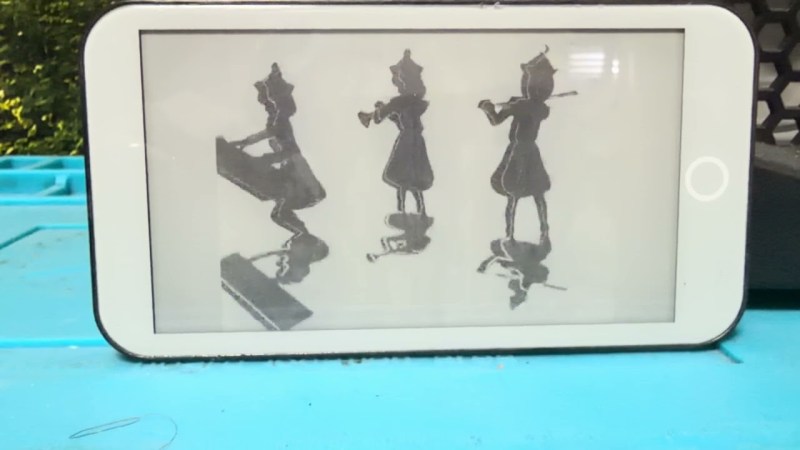
20 FPS on E-Paper Display Without Help
The article discusses a project by Tony Weston that achieves 20 frames per second (FPS) on an electronic paper display using an ESP32 microcontroller, without the need for additional processing power. This is noteworthy because e-paper displays typically struggle with refresh rates, often limited to single-digit FPS in older models and around 10-20 FPS in mid-range devices, which usually require more advanced hardware.
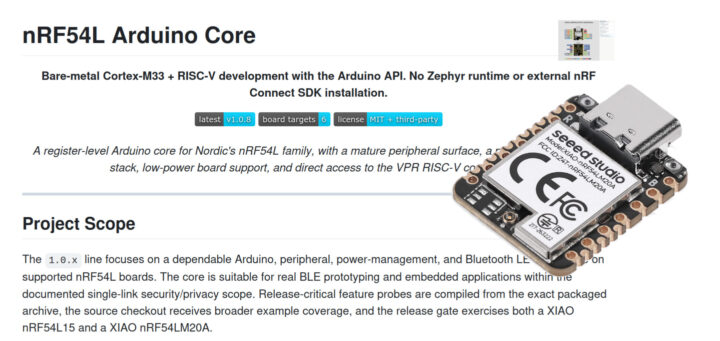
nRF54L Arduino Core project brings Arduino support to Nordic Semi nRF54L wireless SoCs
The nRF54L Arduino Core is an open-source project aimed at providing Arduino support for Nordic Semiconductor's nRF54L wireless System on Chips (SoCs). This initiative kicks off with boards like the Seeed Studio XIAO nRF54L15 (Sense) and XIAO nRF54LM20A (Sense), as well as compatible Holyiot modules. While the nRF52 series has been supported in the Arduino IDE since the debut of the nRF52840-based Arduino Nano 33 BLE in 2019, the newer nRF54L Cortex-M33 microcontrollers lacked similar support until now.
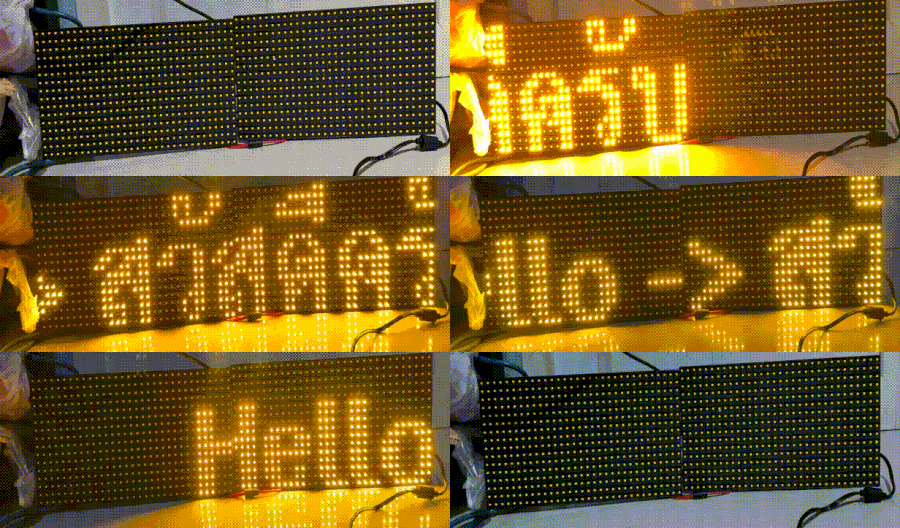
The SmartFont Library for LED matrix displays
The SmartFont Library is a C++ font library created by Chaiwat Leanyos, specifically designed for embedded systems like Arduino and ESP32. Its main function is to efficiently render UTF-8 strings on pixel-based displays, and it includes special features for supporting the Thai language, ensuring that vowels and tone marks are correctly displayed without overlapping.
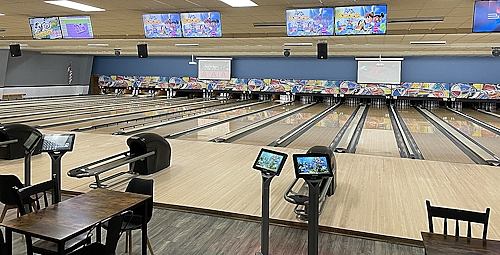
Replacing a $120k bowling center system with $1,600 in ESP32s
HN user section33 took on the challenge of replacing an outdated and costly scoring system at an abandoned 8-lane bowling center. The original system was priced between $80,000 and $120,000, with parts costing around $4,000 per lane pair. Instead of spending that much, he developed a more affordable solution called OpenLaneLink, which utilizes ESP32 microcontrollers to manage the scoring system for just $200 to $400 per lane pair.
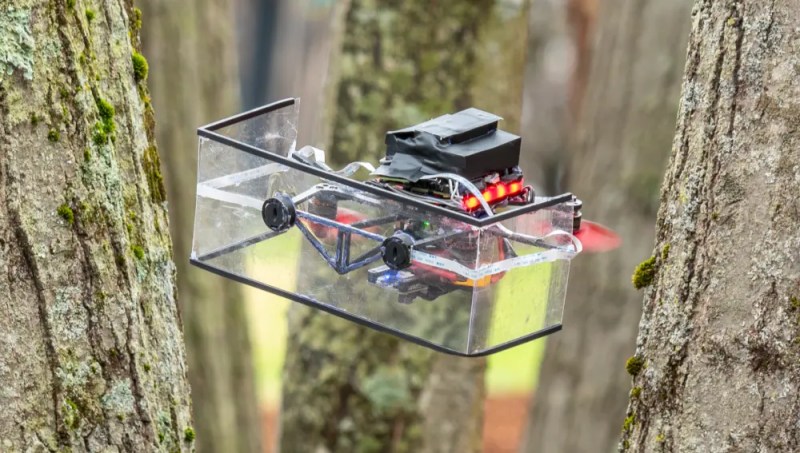
Echolocation for Drones
A team at Worcester Polytechnic Institute (WPI) has developed a system using low-power ultrasonic sensors to help drones navigate in challenging environments, similar to how bats use echolocation. Traditional navigation methods like radar, lidar, and GPS can struggle in low-light or obstructed conditions, and they often consume too much power for battery-operated drones. By implementing a dual sonar array, the researchers created a more efficient sensing solution that performs well where visual systems fail.
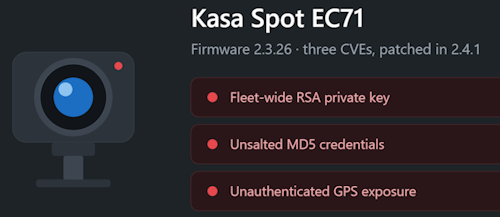
Serious flaws found in a popular WiFi camera
Independent researcher Christopher Childress, known as BadChemical, recently published a detailed advisory on the TP-Link Kasa Spot EC71 WiFi camera, revealing significant security flaws. His investigation involved extracting the firmware directly from the camera using a CH341A programmer and conducting a thorough analysis, which led to the discovery of three critical vulnerabilities now documented as CVEs (Common Vulnerabilities and Exposures).
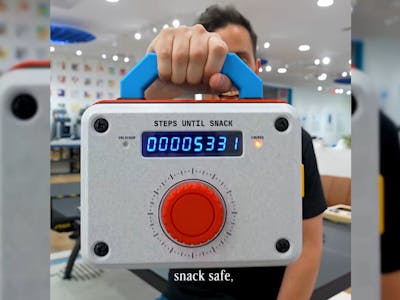
Earn Your Junk Food with This Step-Counting Lock Box
Matty Benedetto from Unnecessary Inventions created a unique lock box that requires you to walk a certain number of steps to unlock your snacks. The idea is simple: you put your treat inside, set the step count to match the calories in the snack, and only after completing the steps will the box open. This approach aims to make indulging in junk food feel more rewarding by incorporating a bit of exercise first.
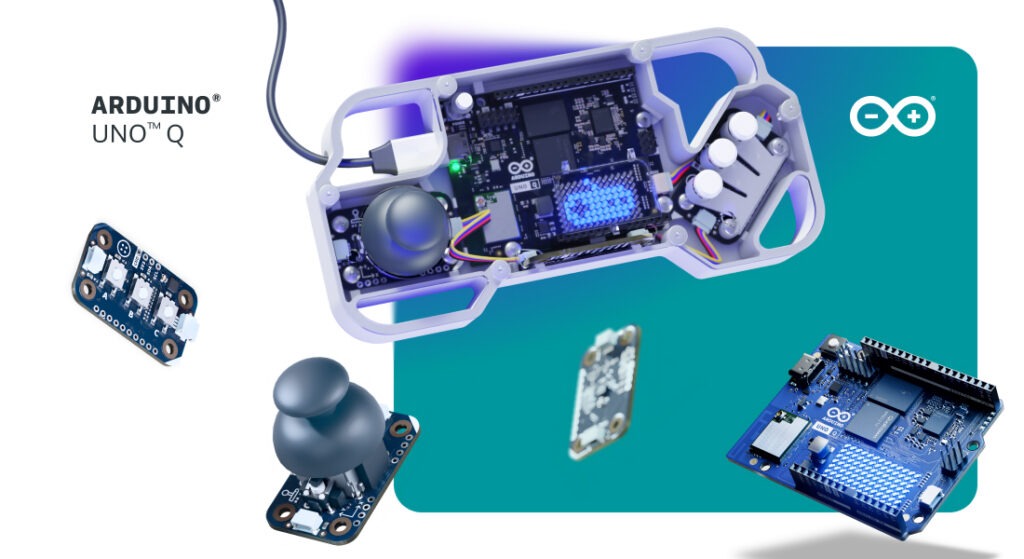
Build a retro home arcade with an Arduino® UNO™ Q board!
The article introduces the UNO Q Arcade bundle, a new project from Arduino that allows users to build their own retro home arcade using the Arduino UNO Q board. This bundle includes everything you need to create an arcade cabinet, complete with step-by-step instructions to help you get it up and running quickly—ideal for a weekend project.

Telling Time Through Literature
LitClock is an innovative clock that tells time using literary quotes instead of numbers. Created by GitHub user kapoorankush, this open-source project utilizes a Raspberry Pi Zero 2 W and a 7.5-inch Waveshare e-paper display to show passages that correspond to each minute of the day, alongside the current date and local weather. With over 4,800 curated quotes, the e-ink display offers a paper-like appearance, making it a visually appealing alternative to traditional digital clocks.
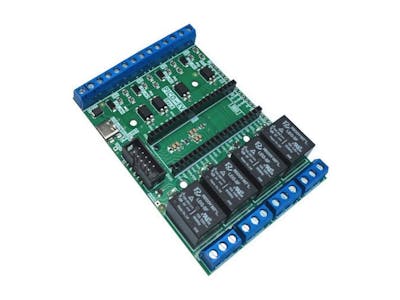
Olimex's PICO-EVB Turns a Raspberry Pi Pico Into an Arduino, MicroPython Mini-PLC
Olimex has introduced the PICO-EVB, a carrier board that transforms a Raspberry Pi Pico into a mini programmable logic controller (PLC) for industrial applications. This board allows you to easily control relays and monitor high-voltage inputs, making it suitable for various automation tasks. You can plug in a Pico, Pico 2, Pico W, or similar microcontroller, although most models will require soldering male headers onto the Pico first.
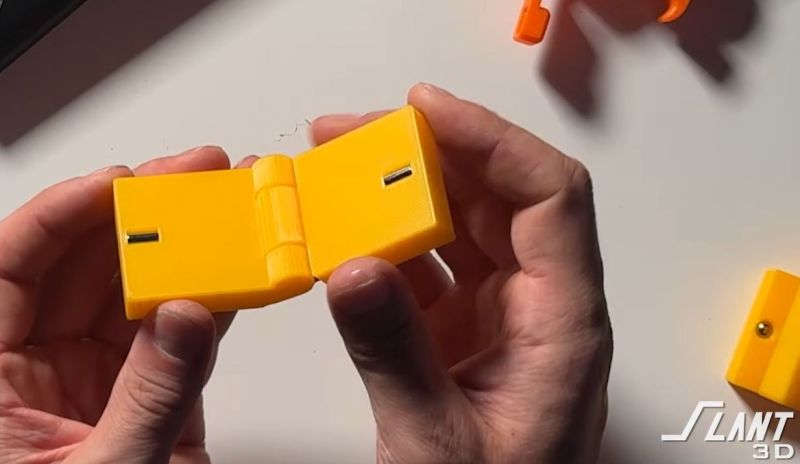
Seven Ways to Install Magnets Into Your 3D Prints
The article discusses various methods for embedding magnets into 3D prints, which can enhance functionality but often presents challenges, especially with durability. It highlights seven techniques that avoid using glue, each with its own pros and cons. For instance, using friction to hold cylindrical magnets in place is one option, though employing an arbor press can improve the fit significantly.
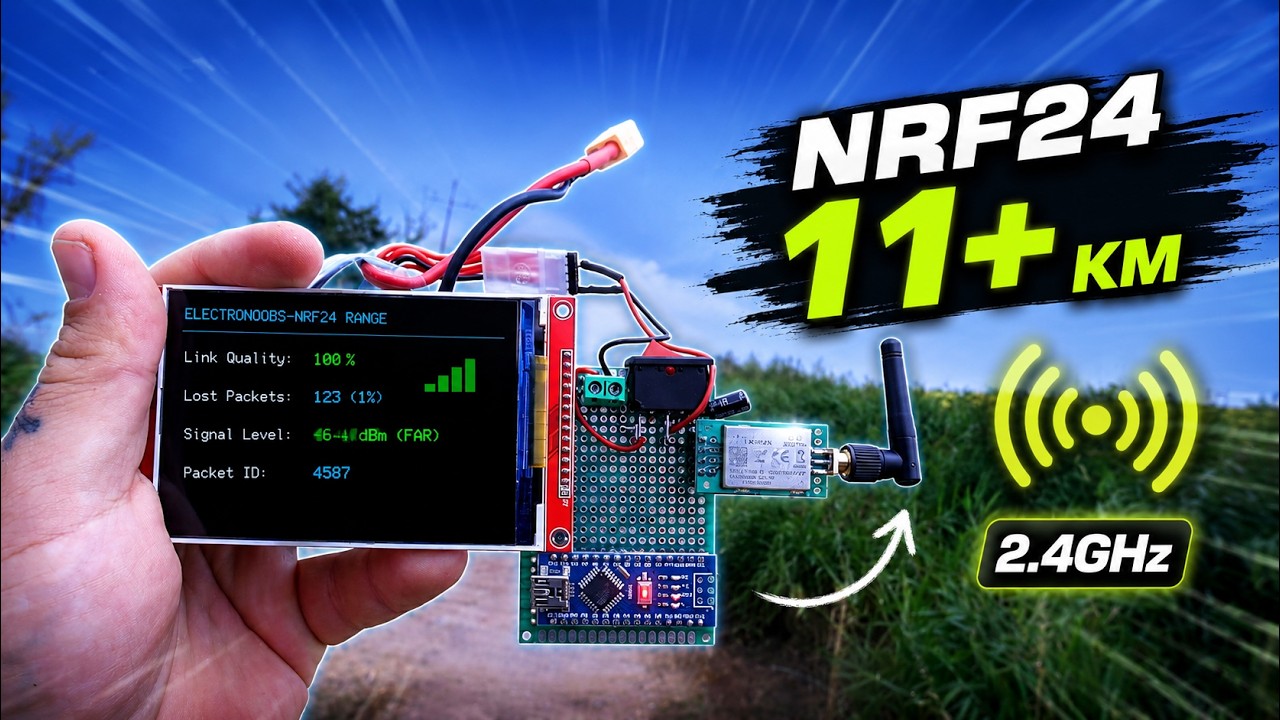
We Pushed NRF24 to Its Limits | The Results Shocked Us
This article dives into an experiment using the NRF24 radio module to evaluate its transmission range by combining it with high-gain antennas and a 2-watt amplifier. The goal was to push the NRF24 to its limits and see how far it can reliably transmit, which is particularly useful for projects involving remote sensors or long-range communication.
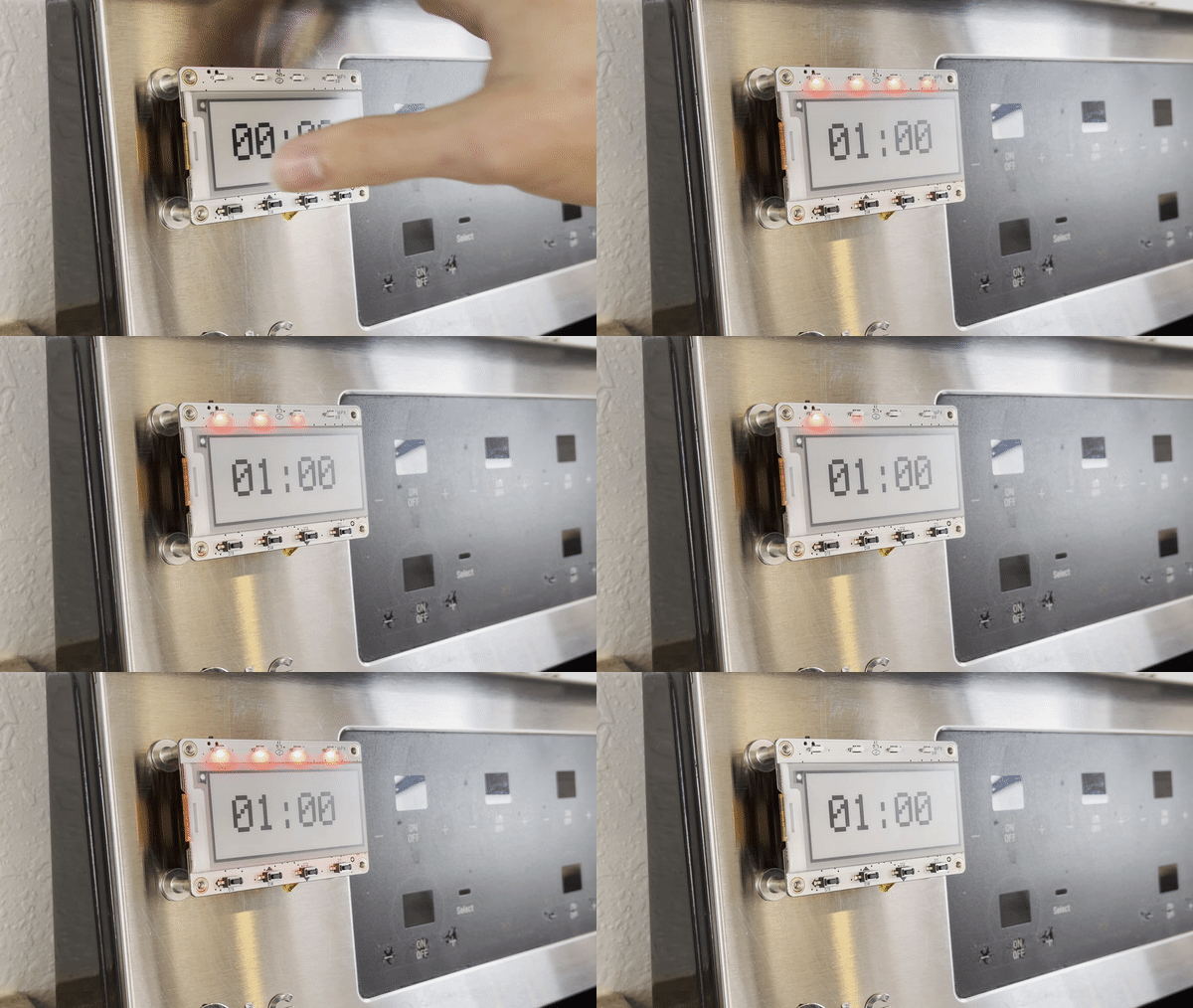
From The Archives: MagTag Kitchen Timer
The article discusses the Adafruit MagTag Kitchen Timer project, which utilizes the MagTag’s eInk display, NeoPixels, and built-in buttons to create a versatile kitchen timer. This timer is rechargeable and programmable, making it a convenient tool for anyone who enjoys cooking or baking. Once set, the timer shows the remaining time and alerts the user with an alarm and flashing NeoPixels when the time is up.
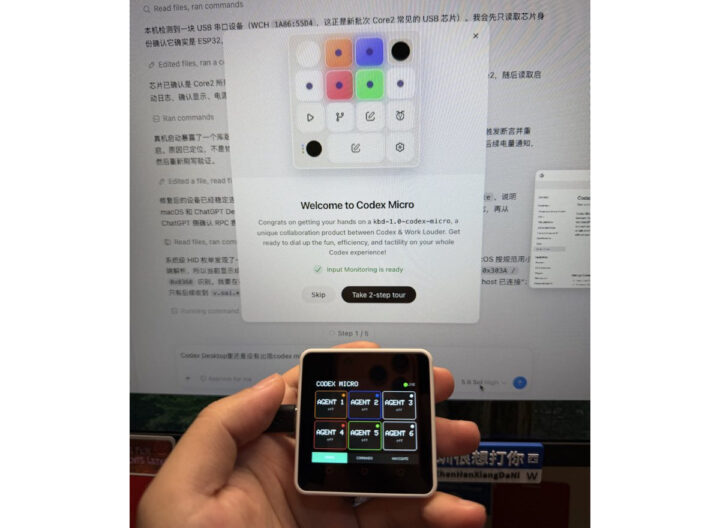
M5Stack Core2 gets open-source firmware to reproduce OpenAI’s Codex Micro features
The M5Stack Core2 IoT controller has been outfitted with open-source firmware that mimics the functionality of OpenAI's Codex Micro macro pad. This project was developed by IAMLIUBO, allowing users to monitor and control AI coding agents more efficiently. The original Codex Micro is a well-designed device with a CNC-milled enclosure, rotary encoder, and joystick, but its $230 price tag and limited availability make it less accessible for many.
From the Adafruit Learning System: LED Campfire
The article from the Adafruit Learning System introduces a project called the LED Campfire, a creative way to simulate the ambiance of a campfire using LEDs. This project is particularly useful for those who want the campfire experience without the hassle of an actual fire, especially in places where open flames are not allowed. The LED fire effect is designed to be realistic enough to confuse kids, making it a fun addition to your outdoor gatherings.
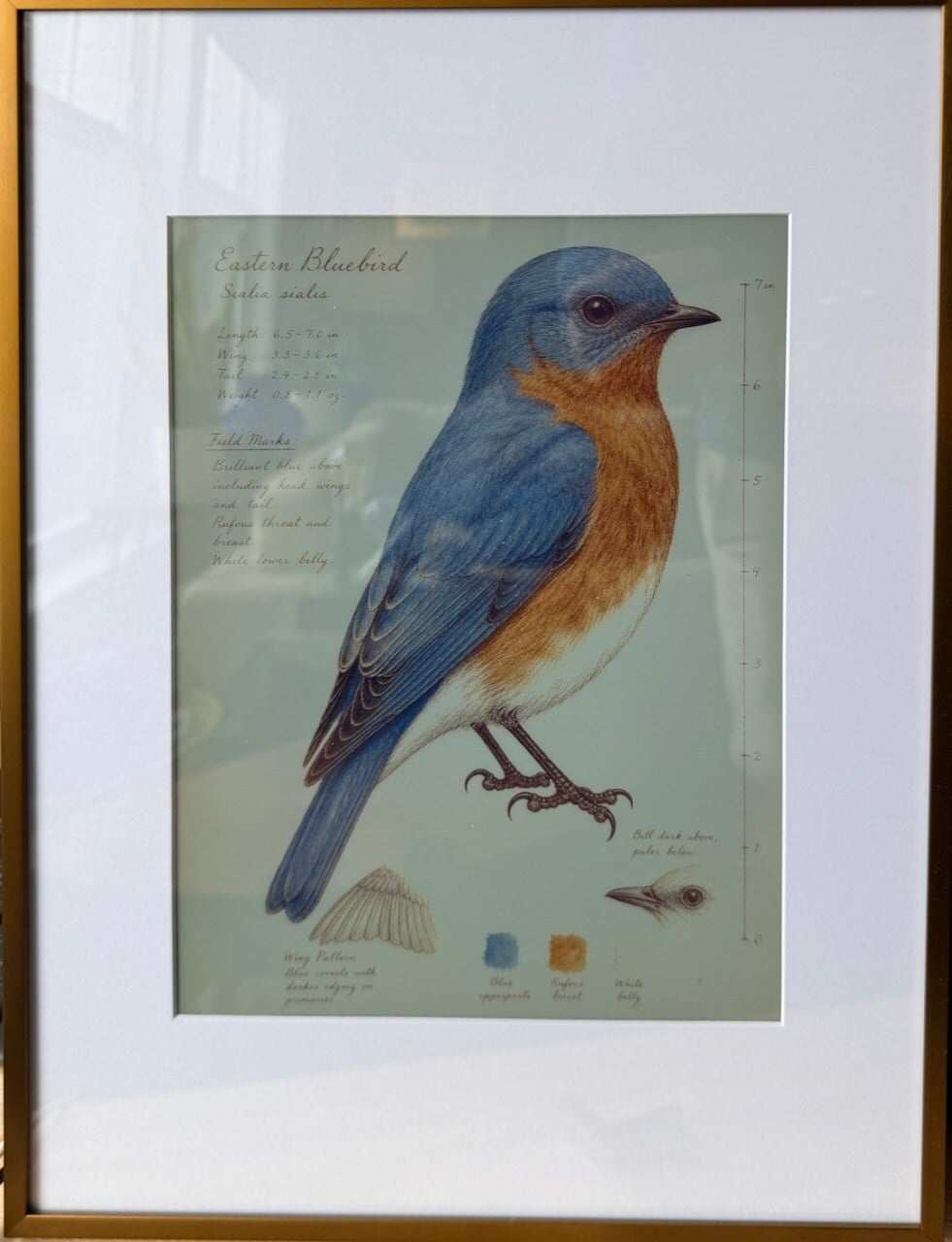
Inky Bird Frame Birdwatcher Log
Henry Sowell created an intriguing project called the Inky Bird Frame, which allows birdwatchers to keep track of local bird sightings. Utilizing a Pimoroni Inky Impression display, this setup connects to iNaturalist, a platform for sharing biodiversity observations. The frame shows illustrations and images of birds seen in your area, providing a visual log of your feathered visitors.
Arduino Launches Plug-and-Play Modules for Long-Range Sensor Projects
Arduino has launched three new plug-and-play modules designed to simplify the integration of long-range sensor projects with motor drive systems. These boards allow developers to create complex I2C (Inter-Integrated Circuit) sensor networks without the hassle of complicated wiring, making it easier to connect multiple sensors and actuators.
Building a Stabilized "Chase Camera" Rover
The article details the creation of a stabilized "chase camera" rover, designed to capture smooth video footage while moving. The project leverages a gimbal system to keep the camera steady, even on uneven terrain, making it ideal for dynamic shooting situations.
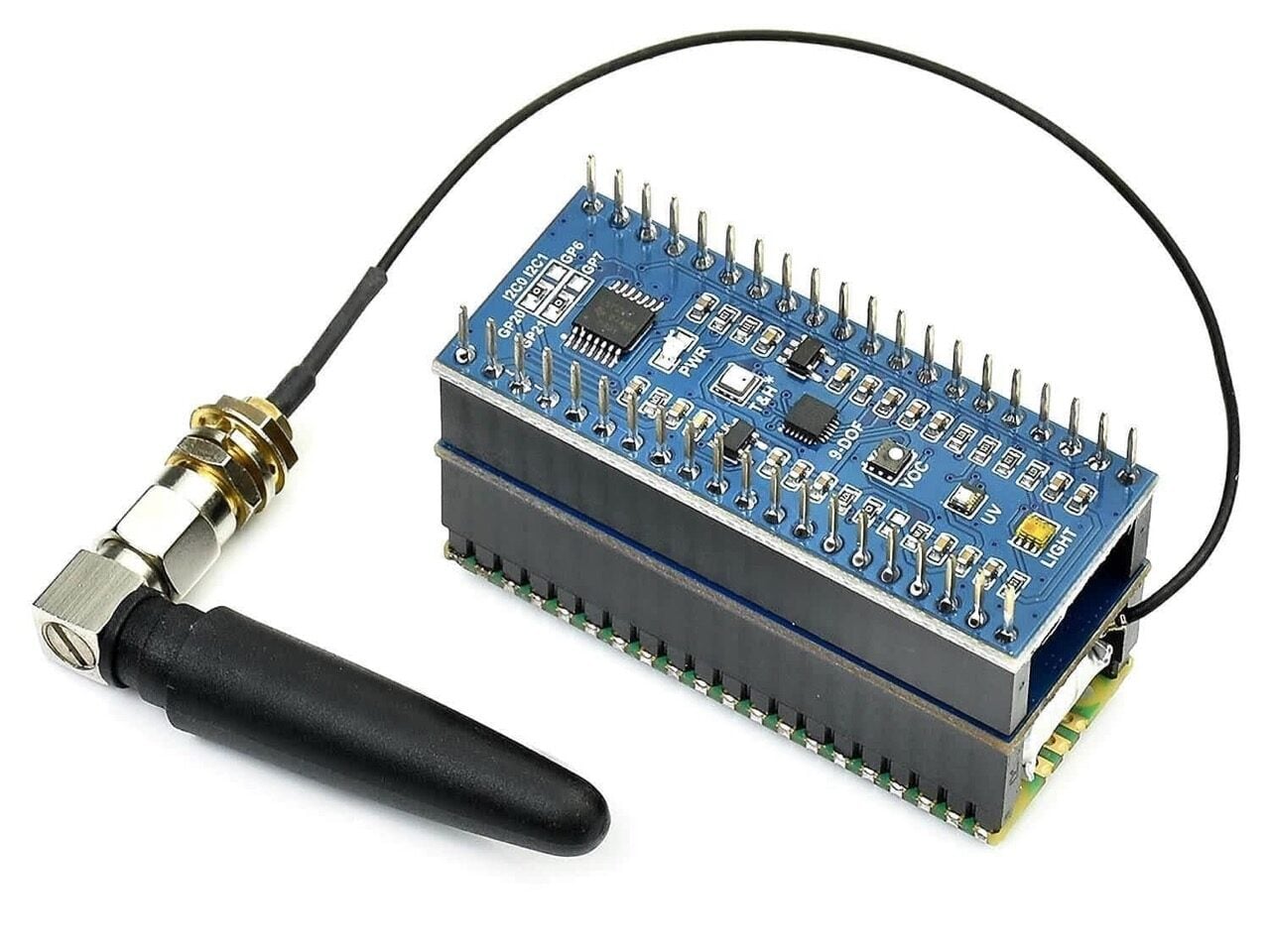
LoRa radio communication devices for Raspberry Pi
LoRa radio communication devices are becoming popular for extending the range of Raspberry Pi projects beyond typical Wi-Fi limits. LoRa (Long Range) is a low-power, long-range radio technology ideal for Internet of Things (IoT) applications, capable of transmitting small amounts of data with a range of up to 15 kilometers in rural areas. It operates in the ISM (Industrial, Scientific, and Medical) bands, allowing anyone to broadcast without a license, but local regulations on frequency and power must be followed.
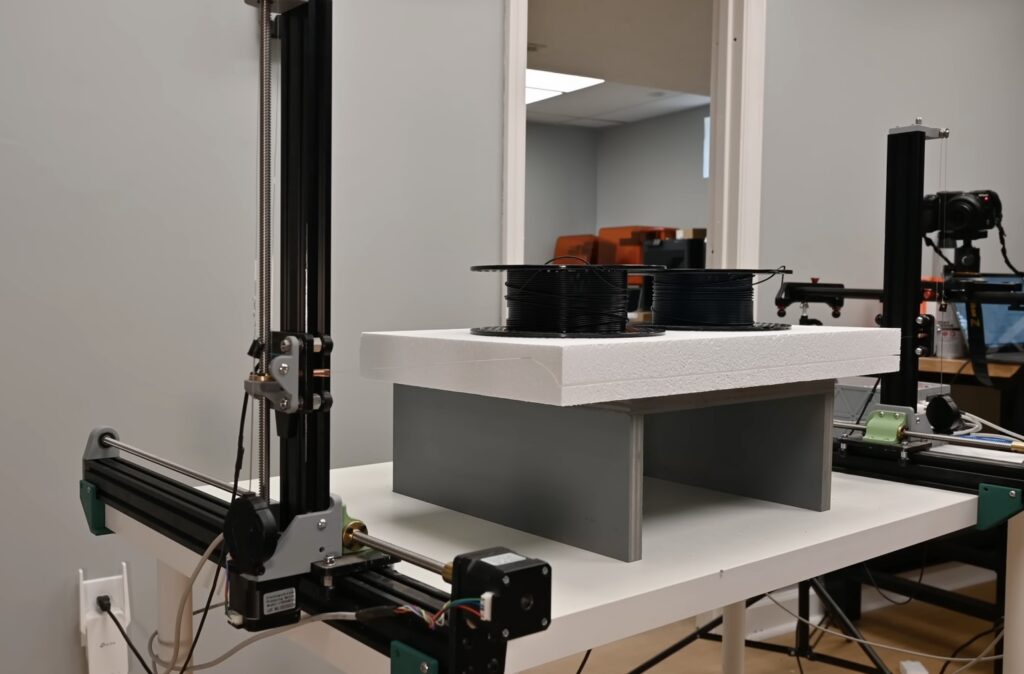
This CNC hot wire cutter was created specifically for making airplane wings
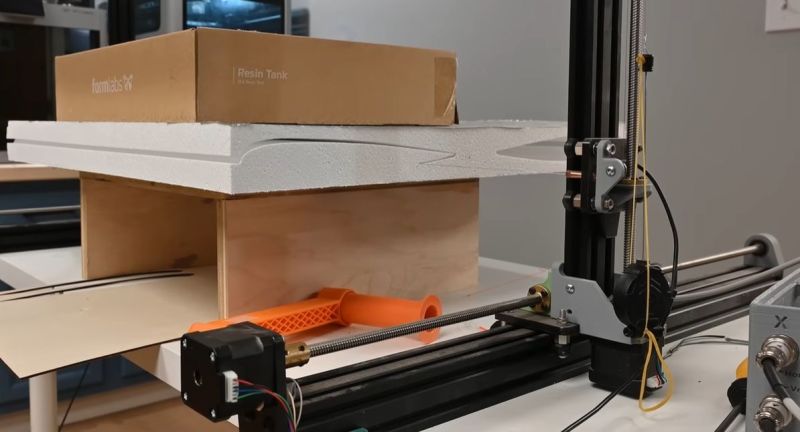
Michael Rechtin has developed a CNC hot wire cutter specifically designed for shaping foam into airplane wings, a crucial component for building remote-controlled (RC) aircraft. This automated machine operates across four axes, allowing for precise cuts that can create large and high-quality wing structures, overcoming the limitations of traditional 3D printing, which often struggles with build volume.
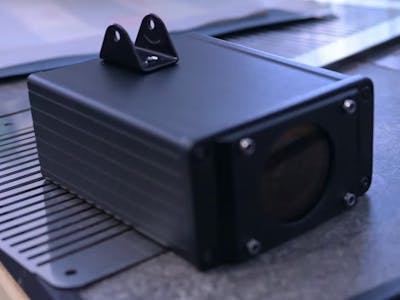
A Custom Security Camera Built for Complete Privacy
Clem Mayer has created a custom security camera designed for complete privacy, addressing concerns over data security with commercial options. The camera is built around the PocketBeagle 2, a single-board computer, and operates fully offline, performing person detection locally and storing recordings on local media. This means that all video footage remains under the owner's control, minimizing the risk of external breaches.
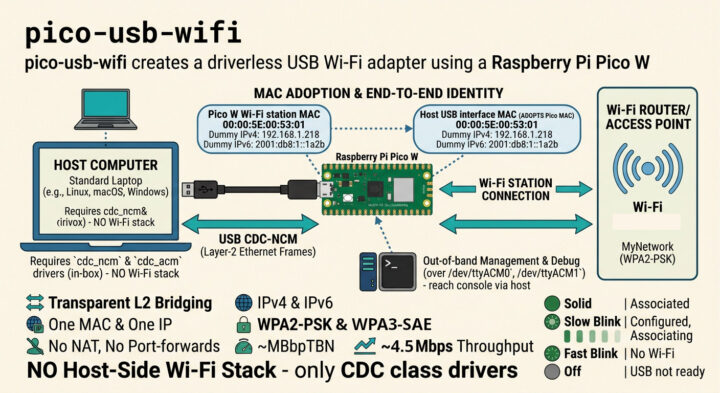
pico-usb-wifi firmware converts the Raspberry Pi Pico W into a driverless USB WiFi adapter
Pico-usb-wifi is an open-source firmware that transforms the Raspberry Pi Pico W into a driverless USB WiFi adapter. This setup is compatible with multiple operating systems, including Windows, Linux, and macOS, as long as they support USB CDC-NCM (Communications Device Class - Network Control Model). The firmware acts as a Layer-2 bridge, linking the Pico W’s wireless module to its USB interface, allowing it to function as an Ethernet-to-WiFi gateway.
An Ultra-Low-Noise Pre-Amp For Audio Applications
This article details the construction of an ultra-low-noise preamplifier using a JFET (Junction Field Effect Transistor) model JFE150 and an OPA202 operational amplifier. This design is particularly beneficial for applications requiring high sensitivity and low noise, making it ideal for high-impedance sensors, hydrophones, guitar pickups, microphones, and turntables.
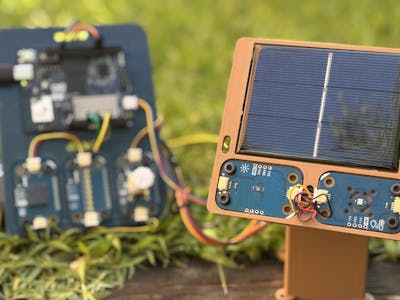
The Weatherproof, Dust-Busting Arduino-Powered Solar Panel
Julián Caro Linares has created a smart solar panel system powered by an Arduino UNO Q that addresses common challenges faced by solar energy users. The system features a two-axis tracking mechanism that adjusts the panel's orientation to maximize sunlight exposure throughout the day. It uses several Modulino expansion boards to monitor environmental conditions, including light levels, temperature, humidity, and potential motion impacts.
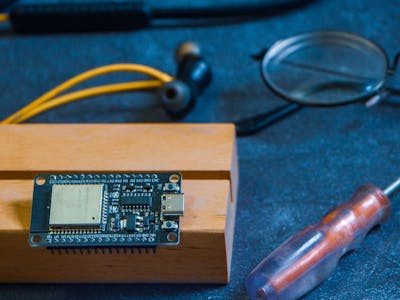
Voice Control Goes Ultra-Low-Cost with Moonshine Micro
Moonshine Micro is a new open-source framework designed to enable voice interfaces on low-cost microcontrollers, specifically targeting devices like the Raspberry Pi RP2350. Unlike traditional voice systems that rely on powerful processors or cloud computing, Moonshine Micro is efficient enough to run entirely on the RP2350's limited resources, utilizing around 520 KB of RAM through smart memory management.
Run Ultralytics YOLO on Raspberry Pi with OpenVINO
Ultralytics has teamed up with Intel to demonstrate how to run the YOLO (You Only Look Once) computer vision models on Raspberry Pi using OpenVINO, Intel’s toolkit that optimizes deep learning inference. This guide provides a straightforward approach to setting up your Raspberry Pi, specifically the Raspberry Pi 4 or 5, to deploy these models effectively.
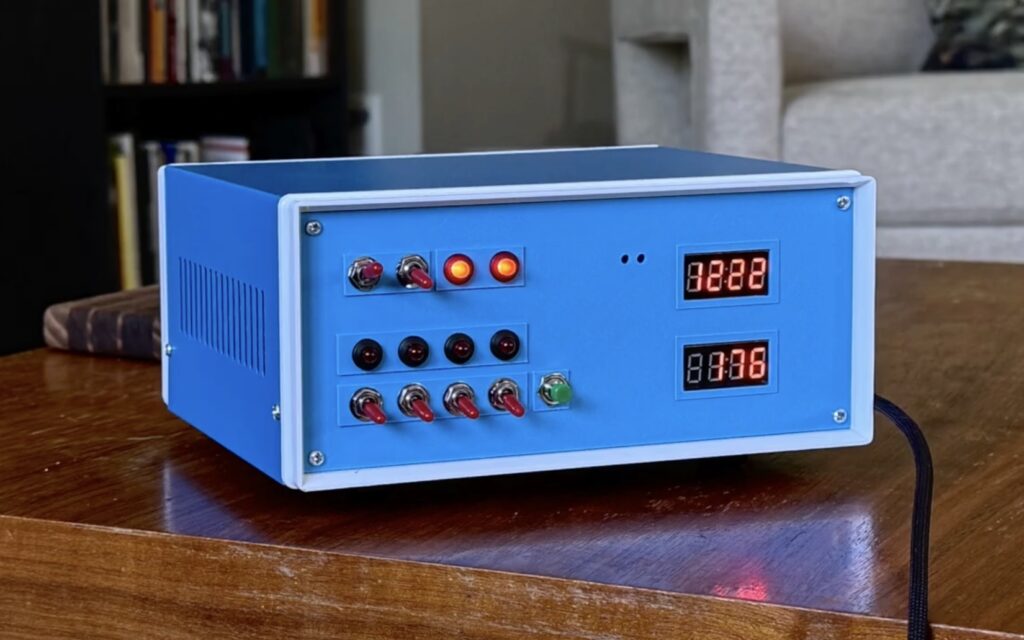
Arduino® UNO™ Q intranet web server helps this business run
Michel Willems, a photography and print shop owner in Ontario, Canada, has implemented an Arduino UNO Q to create a simple intranet web server that streamlines his business operations. This server allows him to track vital information such as current sales, passport office wait times, and environmental conditions both indoors and outdoors.
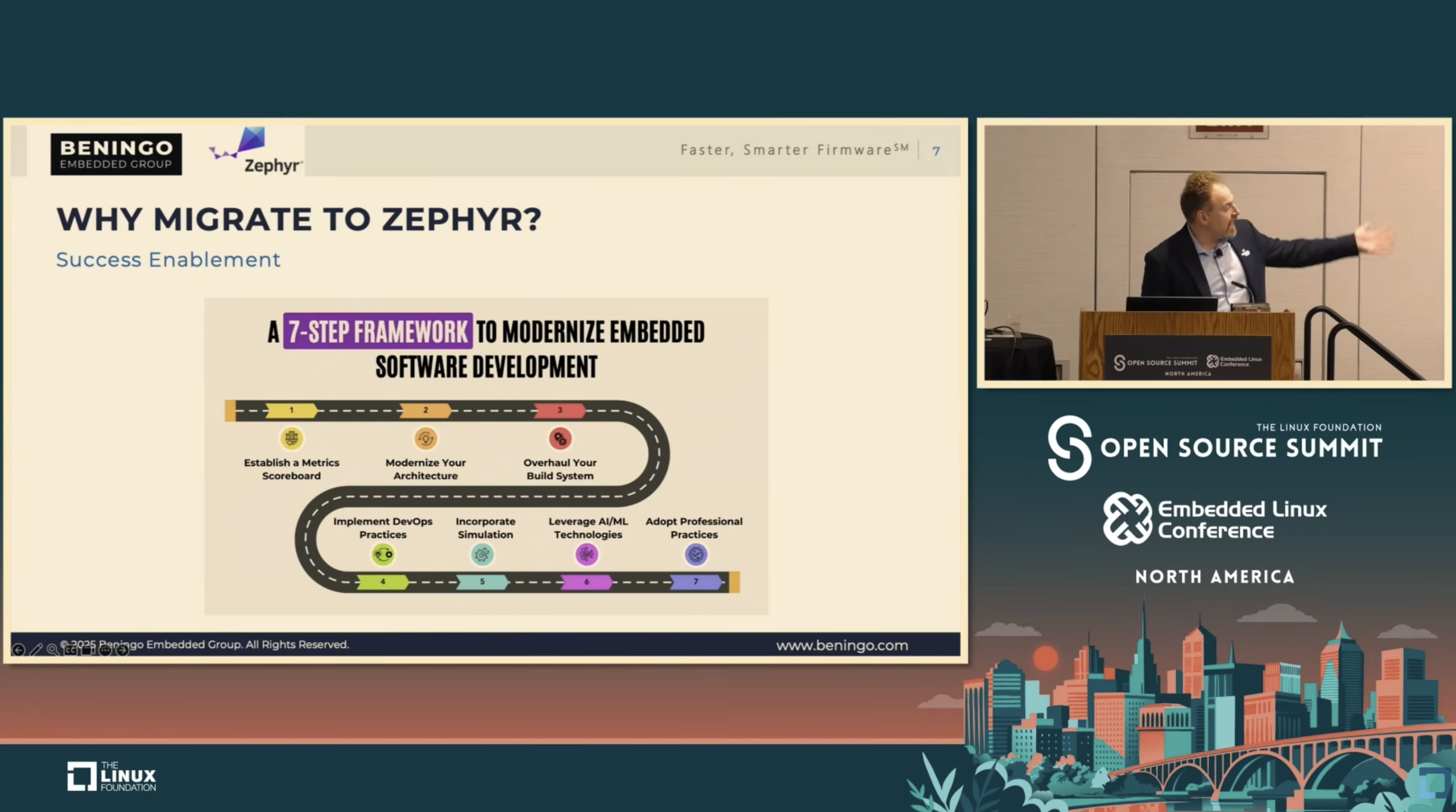
From FreeRTOS To Zephyr: A Practical Migration Guide for Embedded Developers – Jacob Beningo, Beningo Embedded Group
Jacob Beningo's presentation at the Open Source Summit North America 2026 focused on guiding embedded developers through the transition from FreeRTOS to Zephyr, a more modern real-time operating system (RTOS) gaining popularity for its modularity and ecosystem support. The talk highlighted the reasons behind this shift, emphasizing Zephyr's active community, extensive architecture support, and improved development tools, making it a compelling choice for complex embedded projects.

DIY Steam Controller Puck Offers Xbox, Switch, PlayStation Emulation Modes
Valve recently released a new version of the Steam Controller that includes a wired USB puck, which acts as both a charger and a low-latency wireless receiver. However, these pucks aren't available for standalone purchase, which is where the OpenPuck project by [safijari] comes in. This DIY project utilizes the Pro Micro NRF52840 board to replicate the puck's wireless receiver functionality, allowing users to connect their Steam Controllers just like they would with the official puck.

Newton’s Cradle Isn’t Really Perpetual
A recent Hackaday article discusses a version of Newton's Cradle that appears to operate indefinitely, thanks to some clever engineering. While it looks like a classic desk toy, it actually incorporates a battery and an electromagnetic system to keep the balls swinging. The setup uses an ESP32 microcontroller and a proximity sensor to detect the motion of the balls and injects a pulse of energy at just the right moment.
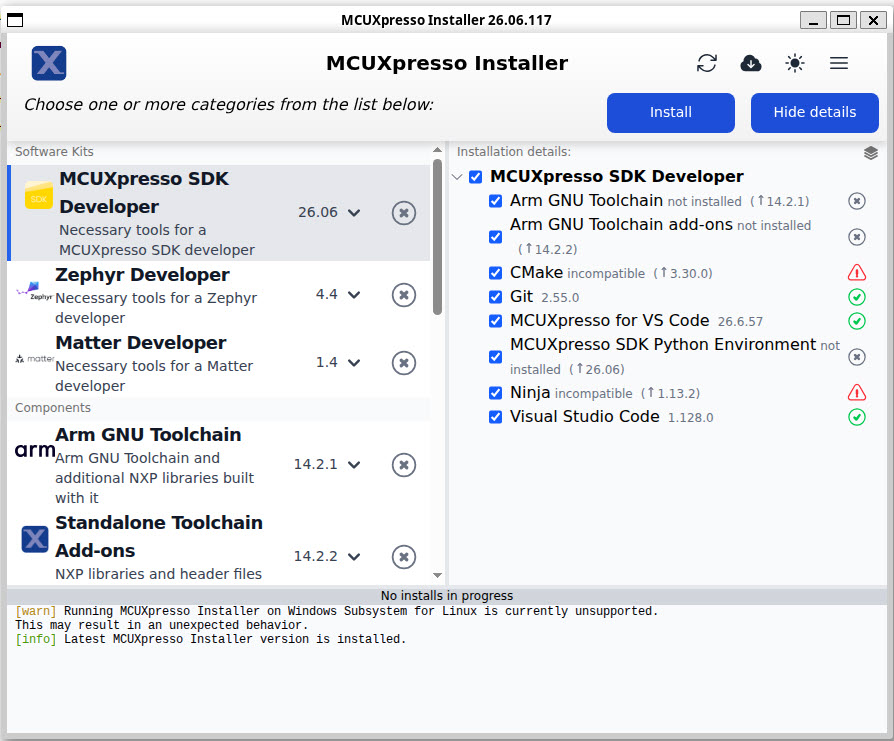
Installing MCUXpresso Installer in DevContainer
The article explains how to set up the NXP MCUXpresso Installer within a DevContainer using Docker, specifically for use in Visual Studio Code. This setup simplifies the installation and management of necessary development tools for microcontroller projects, ensuring that developers have a consistent and reliable environment.
Building a Better CNC Hot Wire Foam Cutter
Michael Rechtin has developed a DIY CNC (Computer Numerical Control) hot wire foam cutter that enhances the precision and versatility of foam cutting, especially for detailed shapes like airfoils. This project has been shared in a video and on GitHub, where you can access the design files and instructions if you're interested in building your own.
Close Encounters Hat
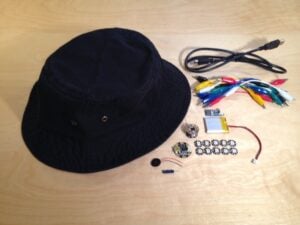
The Close Encounters Hat is a playful project inspired by the classic movie, designed to create an interactive experience with lights and sounds directly from the film. It features a photocell to detect light changes, triggering a GEMMA microcontroller to activate the show. The setup includes NeoPixels for colorful lighting effects and a piezo buzzer to produce sound effects, all cleverly concealed under the brim of the hat.