Rising Edge Digital
Hardware & Embedded Systems for Software Developers

RISCBoy RISC-V homebrew portable game console
The RISCBoy is a homebrew portable game console built around the RISC-V architecture. This project, created by a developer named Wren6991, leverages the open-source nature of RISC-V to provide a customizable platform for gaming enthusiasts and makers. The console features a 3D-printed case, a color display, and various input controls, making it a unique device for retro gaming experiences.
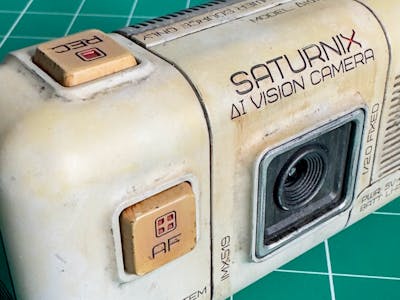
This DIY Digicam Looks Like It Belongs on the USCSS Nostromo
The SATURNIX is a DIY digicam that channels a distinctive “cassette futurism” aesthetic reminiscent of the '70s and '80s sci-fi, particularly the look of the film Alien. This camera, built around a Raspberry Pi Zero 2 W single-board computer, features a chunky design with a weathered plastic finish, looking like it stepped straight out of a retro sci-fi set. It has a simple user interface that complements its nostalgic vibe, complete with glitchy artifacts.

John Park’s CircuitPython Parsec: Nested Display Groups
John Park's article introduces the concept of nested display groups using displayio in CircuitPython, which is a version of Python designed for microcontrollers. This technique allows users to create complex graphical interfaces by organizing display elements into hierarchical groups. By doing this, you can manage multiple layers of graphics more efficiently, making it easier to build intricate user interfaces for projects.
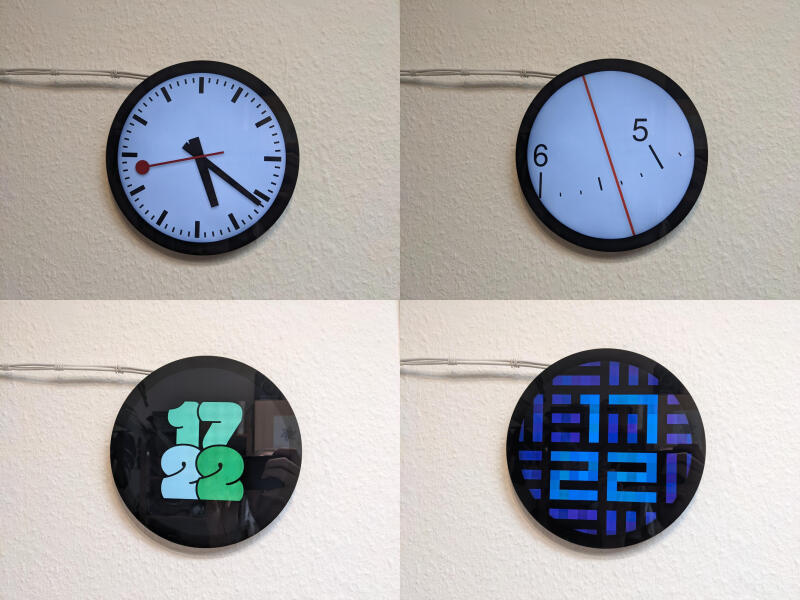
How to build a circular LCD clock
The article details a project for building a circular LCD clock that incorporates a unique design aesthetic with practical functionality. The creator outlines the process of using an LCD screen in a circular format, which not only tells time but also presents a visually appealing alternative to traditional clocks.

Raspberry Pi Retro Handheld – 5″ Elecrow Build
This article showcases a DIY project for building a handheld gaming console using a Raspberry Pi 2, featuring a 5-inch Elecrow screen and a built-in speaker. The project includes comprehensive assembly instructions and a Bill of Materials (BOM) for those interested in replicating it. Mark_McQ shared this creative design on Makerworld, highlighting its potential as an alternative to traditional gaming consoles.
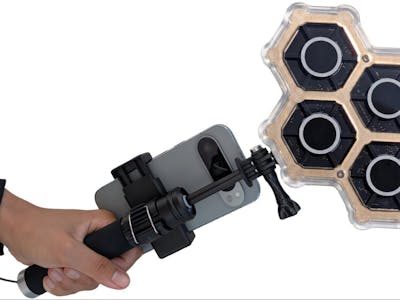
QuadRF: The Open Source RF Camera That Lets You See Wi-Fi Signals
QuadRF is an open source radio frequency (RF) camera that enables users to visualize Wi-Fi signals and other wireless transmissions in real-time. It combines a complete 4×4 multiple-input multiple-output (MIMO) software-defined radio system with a phased-array antenna and a Raspberry Pi 5, all running open source software. This setup allows hobbyists and educators to see the physical locations of wireless transmitters, such as Wi-Fi access points and drones, displayed as augmented reality overlays on smartphones or laptops.
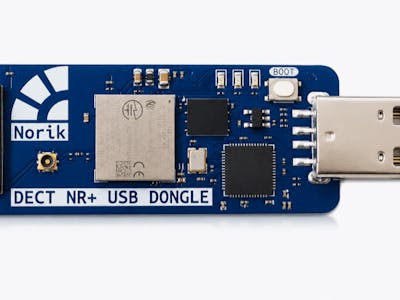
Non-Cellular 5G Networks Simplified
DECT NR+ is a non-cellular 5G wireless technology that offers low-power, long-range communication, ideal for applications requiring reliable, near-real-time connections, like robotics and smart buildings. Unlike traditional cellular networks, DECT NR+ operates in the 1.9 GHz band and supports various network topologies, allowing for millions of connected devices.
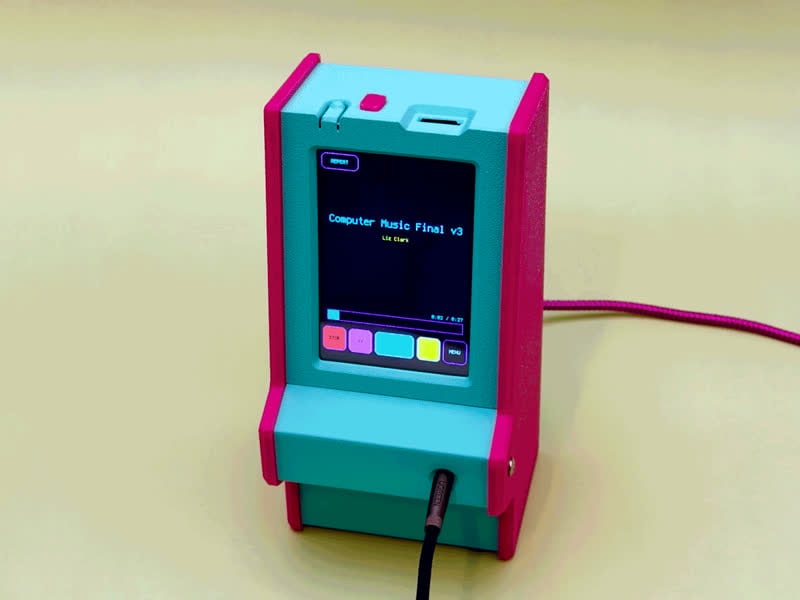
NEW GUIDE: CircuitPython Chiptune Player
The article introduces a new project that allows you to create a chiptune music player using CircuitPython. This project involves building a compact arcade cabinet that houses a Feather RP2040 microcontroller, an I2S Digital-to-Analog Converter (DAC), and a TFT FeatherWing display. The Feather runs CircuitPython code that leverages the synthio module to emulate the AY-3-8910 sound chip, which was widely used in vintage arcade games for generating music and sound effects.
A Four-Channel RS-422 Differential Line Receiver Module
The article outlines the construction and functionality of a four-channel differential line receiver module designed for balanced RS-422 and RS-485 data communication. This module is particularly useful in applications where long-distance data transmission is required, as it helps to minimize signal degradation and noise interference.
NEW LEARN GUIDE: I2S Microphones with CircuitPython
CircuitPython now includes a new `audioi2sin` module starting with version 10.3.0-alpha.3, enabling users to work with I2S microphones like the ICS43434 and SPH0645LM4H on Raspberry Pi and Espressif devices. This addition is a game-changer for makers looking to incorporate audio functionality into their projects.
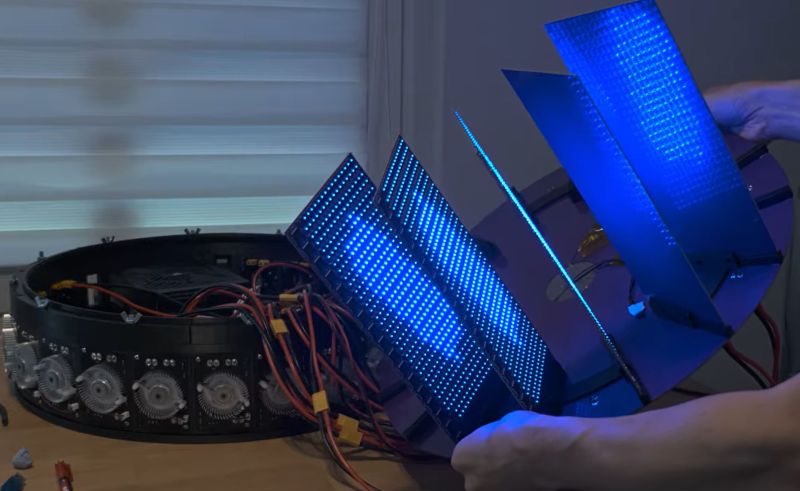
Gluing 8192 MCUs Together to Make a GPU
Bitluni's latest project involves assembling a staggering 8,192 CH570 microcontrollers (MCUs) into a functioning graphics processing unit (GPU) prototype. Each MCU houses a QingKe 32-bit RISC-V core, operating at a maximum clock speed of 100 MHz. The idea is to dedicate one MCU per pixel, but scaling this up leads to significant hardware costs and power requirements, reaching around $2,000 for the components and consuming approximately 2 kW of power for a resolution close to QVGA (320x200).

AI Rocky from ‘Project Hail Mary’
Leviathan Engineer has created an impressive robotic build named Rocky, inspired by the AI character from Andy Weir's sci-fi novel and upcoming film *Project Hail Mary*. This project utilizes a Raspberry Pi 5, a PCA9685 servo driver HAT, an internal microphone and speaker, and seven servos to enable Rocky's movement. An additional power supply supports the servos, which can be a bit too demanding for the Raspberry Pi alone.
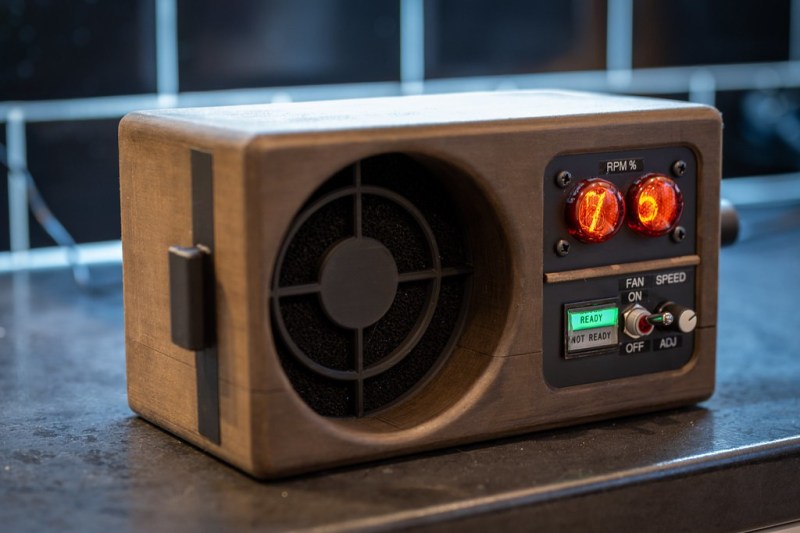
Extract Fumes in Midcentury Style With Nixie Tubes and Military Surplus
This article showcases a unique fume extractor designed by George Conneely, which combines functionality with mid-century aesthetics, featuring Nixie tubes for a retro touch. Instead of using a typical industrial fan-and-filter setup, George opted for a visually appealing solution that also serves as a conversation piece in any workshop.
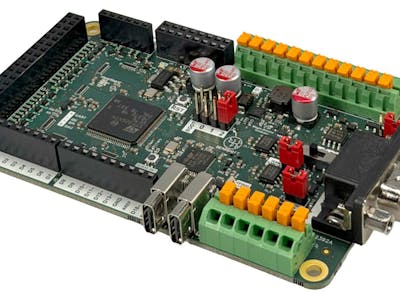
ARDEP Takes the Pain Out of Automotive Electronics
ARDEP (Automotive Rapid Development Platform) is an open-source hardware and software platform designed to streamline the development of automotive electronics. It integrates essential features like dual CAN-FD channels, LIN connectivity, and automotive-grade power protection into a single board, eliminating the need for multiple interface boards and expensive proprietary tools. ARDEP is built around an STM32G474VE microcontroller running Zephyr Real-Time Operating System (RTOS), making it easy for developers to start communicating with vehicle electronic control units without the hassle of assembling a complex setup.

Game Boy Advance Dev: Logging to the console
The article discusses a method for logging output to the console while developing for the Game Boy Advance (GBA). The author, Matt Greer, provides insights on how to implement console logging in GBA development, which can be particularly useful for debugging and analyzing game performance. He explains how to set up a simple logging system that writes messages to the GBA's debug console, making it easier to track down issues and understand the game's behavior.
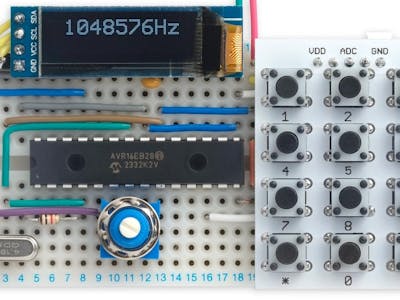
This DIY Signal Generator Replaces Your Entire Collection of Oscillators
David Johnson-Davies has created a versatile DIY Digital Signal Generator that can replace a whole collection of oscillators. This device can generate frequencies ranging from 2 Hz to 33.5 MHz in precise 2 Hz increments, making it a handy tool for anyone working with microcontrollers, FPGAs, or even vintage CPUs. Instead of relying on traditional timer circuits, Johnson-Davies utilizes the Numerically Controlled Oscillator (NCO) feature of Microchip Technology's AVR EB-series microcontrollers, which allows for accurate frequency generation across a broad range.
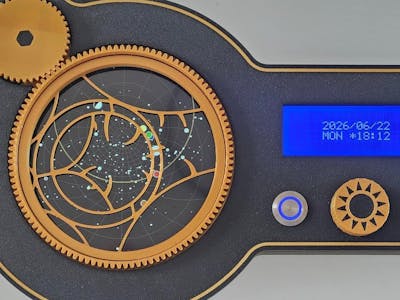
This Astrolabe Is Digital, Electronic, and Mechanical
This project showcases a modern take on the ancient astrolabe, a mechanical device historically used for navigation and astronomy. Redditor chu-bert has created a hybrid astrolabe that combines digital, electronic, and mechanical elements, enhancing the traditional design with contemporary technology. This new version features a mechanical wheel for intuitive adjustments, making it both functional and engaging to use.

Modern Box RGB Lamp – Bambu RGBW Puck Compatible
The Modern Box RGB Lamp is a stylish 115mm cube-shaped lamp designed to work with the Bambulab Remote Controlled 16-color RGBW Puck (KC007). This compact lamp offers vibrant RGB ambient lighting options, making it perfect for a nightstand or desk setup. It features full remote control capabilities, allowing users to easily switch between colors and lighting modes to create the desired ambiance.
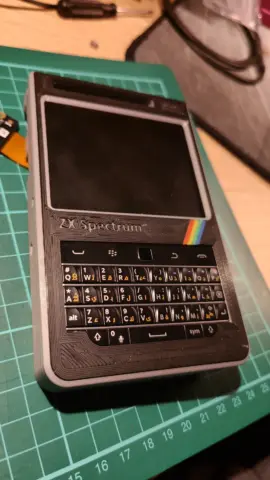
Blackberry Pi Handheld Cyberdeck
The article features a compact, retro-style handheld device called the Blackberry Pi, designed by IMBalENce. This unique gadget is powered by a Raspberry Pi and mimics the form factor of a classic Blackberry phone, making it an ideal platform for portable Linux tinkering. The design emphasizes ergonomics, inspired by the Blackberry keyboard, which enhances the user experience for those interested in DIY electronics projects.
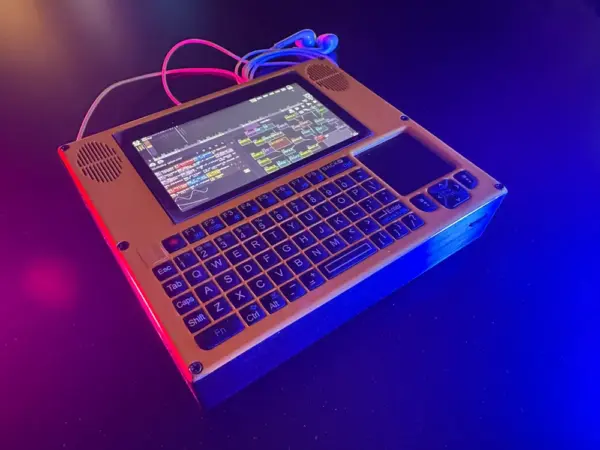
Cyberdeck Raspberry Pi 4/5 – Mini Music Workstation
The project featured is a Raspberry Pi 4-powered cyberdeck designed to serve as a mini music workstation. It integrates a Teensy 4.1 microcontroller, which runs the M8 tracker in a headless mode, making it a portable solution for music production. The setup includes a Raspberry Pi 4, a 10,000mAh battery for extended usage, an 800×480 Waveshare DSI screen, and a Rii Mini X1 keyboard that can double as piano keys.
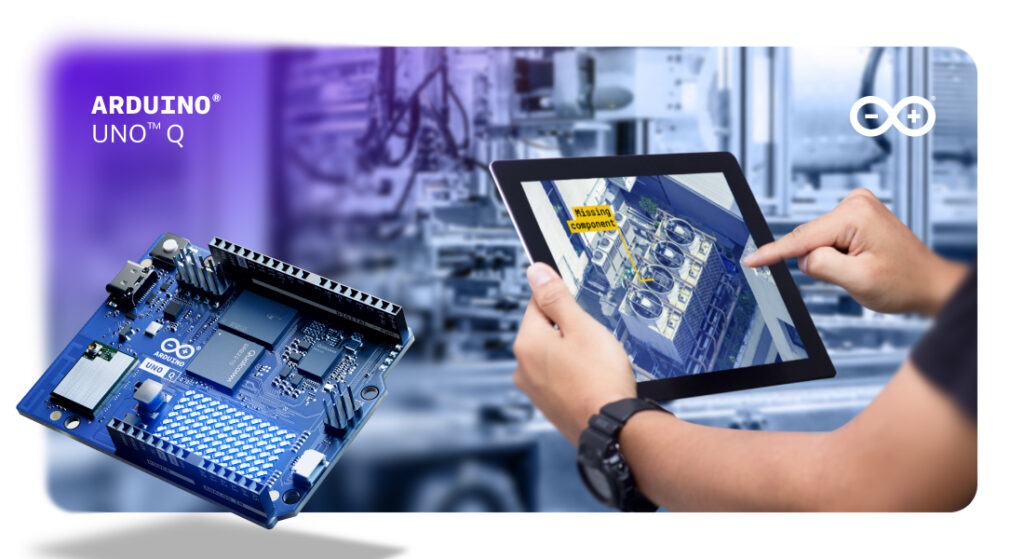
How to achieve cost-effective predictive maintenance with the Arduino® UNO™ Q board
The article discusses how to utilize the Arduino® UNO™ Q board for cost-effective predictive maintenance in machinery. It highlights the importance of monitoring vibration signals from rotating equipment, as these signals can reveal early signs of potential failures before they cause breakdowns. The UNO Q serves as a versatile platform that can gather vibration data and run local machine learning models to detect anomalies without relying on complex cloud infrastructures.
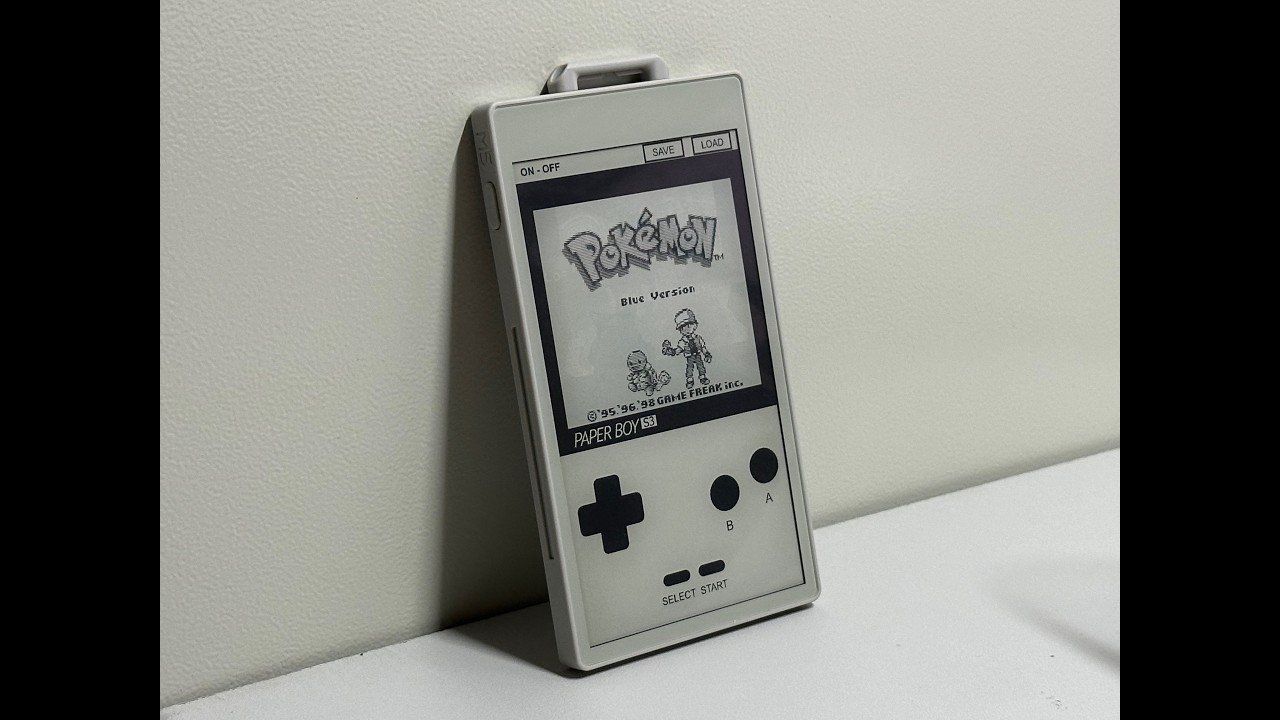
GameBoy Emulator on ESP32 + Eink
The article covers a project where an engineer has created a GameBoy emulator using the ESP32 microcontroller and an E Ink display. This combination allows for a low-power, portable gaming experience reminiscent of the classic handheld console. The ESP32 is a versatile chip known for its Wi-Fi and Bluetooth capabilities, making it suitable for various DIY electronics projects.
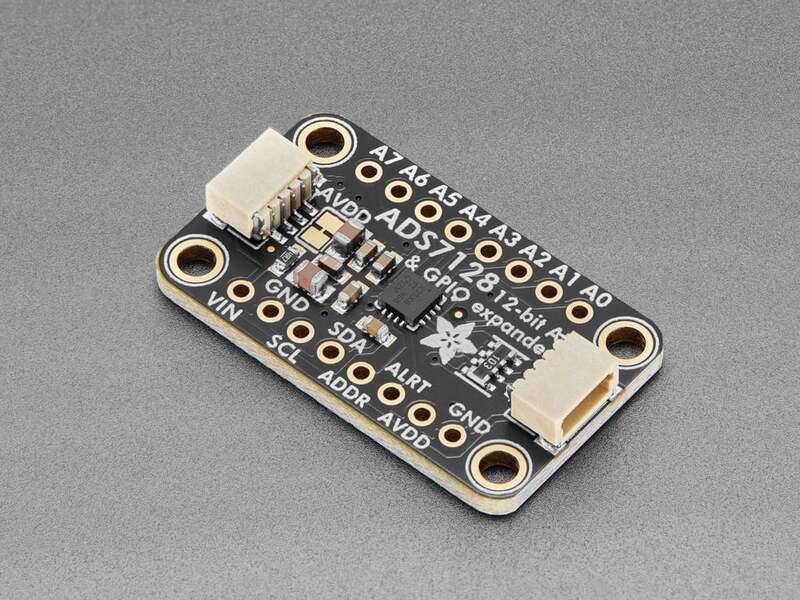
NEW GUIDE: Adafruit ADS7128 8-Channel ADC and GPIO Expander
The Adafruit ADS7128 is an 8-channel Analog-to-Digital Converter (ADC) and General Purpose Input/Output (GPIO) expander that combines the functionality of both types of devices. It can operate on either 3.3V or 5V logic, and each of its eight I/O pins can be configured individually. This means you can set them up for 12-bit Successive Approximation Register (SAR) analog input, as well as push-pull or open-drain digital output, or digital input.
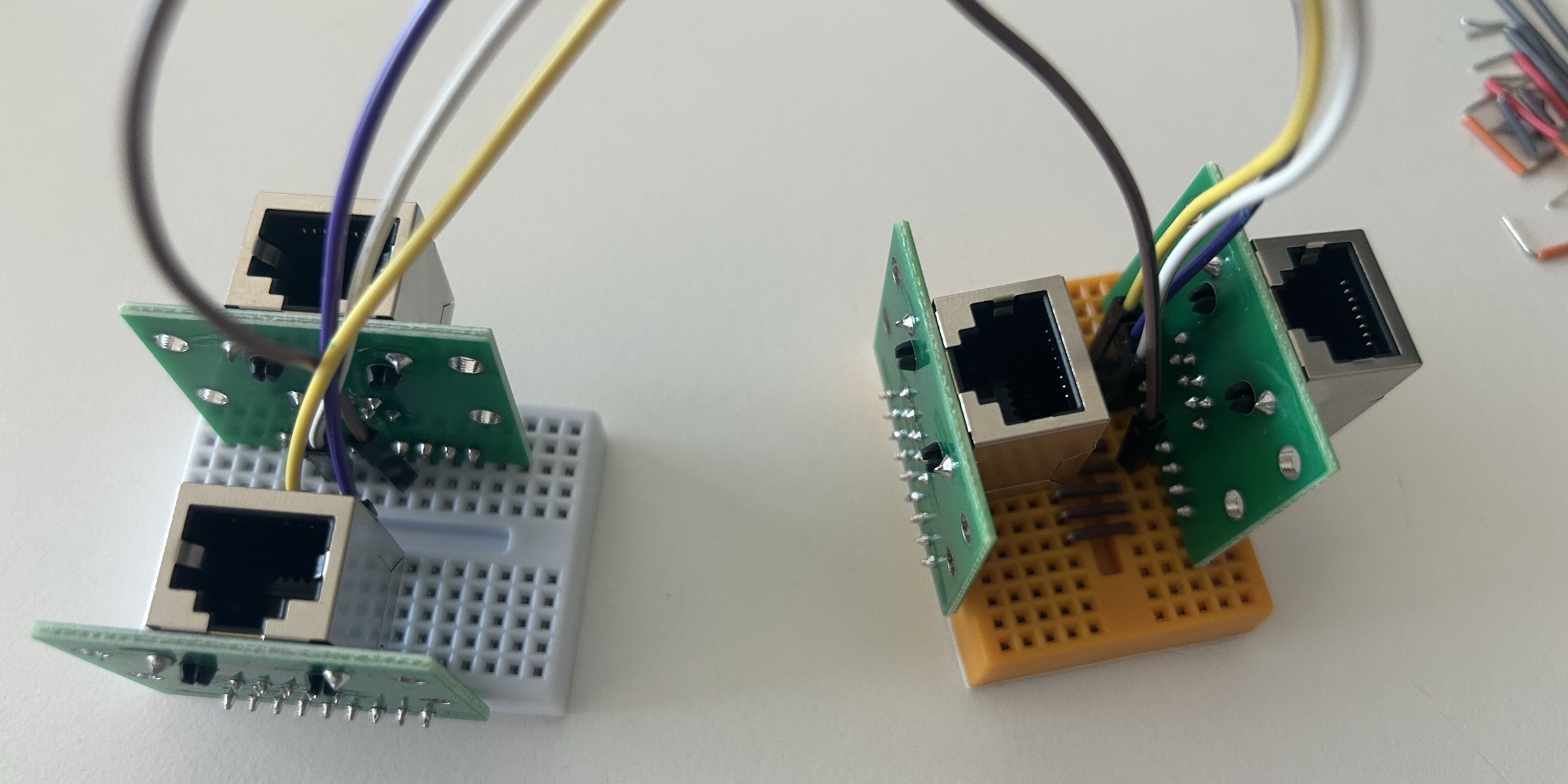
Building a passive Ethernet tap
The article details the construction of a passive Ethernet tap, a device designed to monitor Ethernet traffic without actively interfering with the network. This tap allows for data to be captured from an Ethernet connection by simply splitting the signal, making it useful for network analysis and troubleshooting.
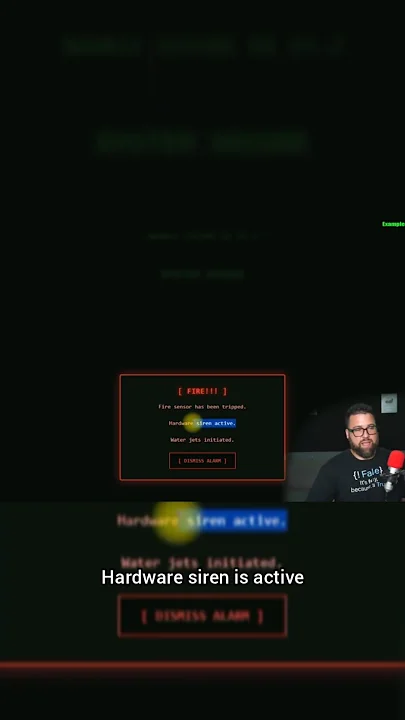
Sensor alarm with ESP32 and webpage
This article covers a tutorial on creating a sensor alarm system using the ESP32 microcontroller and a web interface. The project enables users to set up an alarm that triggers based on specific sensor inputs, offering a practical application for hobbyists interested in IoT (Internet of Things) projects.
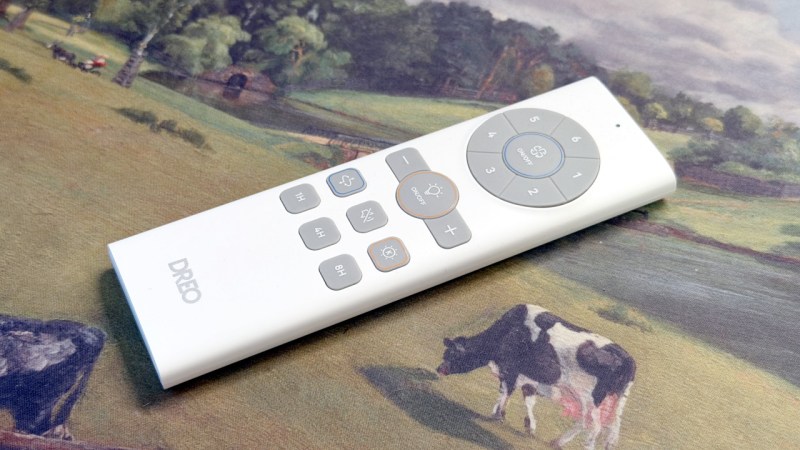
RF Hacking A Ceiling Fan Via The Remote
Sam Wilkinson recently tackled a common issue with his Dreo CLF513S ceiling fan, which only operated through a cloud-based smart home setup. To create a more flexible solution, he decided to hack the fan's remote control, which operates on radio frequency (RF), specifically at 433.92 MHz. This frequency is typical for many consumer appliances, allowing for communication without a direct line of sight.
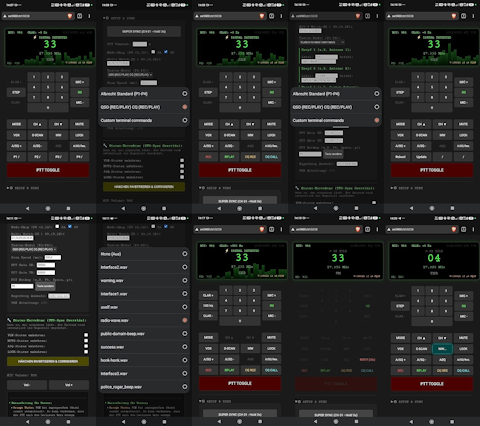
A remote web rig control system for the Albrecht AE-5900 radio
The AE5900 Remote Control V2 is a Python-based project designed to enable remote control of the Albrecht AE-5900 radio over a local area network (LAN) or the web. While it may not offer the same capabilities as established software like rigctl or hamlib, it provides a functional solution for remotely operating the radio. The initiative aims to breathe new life into Citizens Band (CB) radio by making it more accessible and appealing to users.

Spotify Music Display with a RGB LED Matrix
Mewtru has created an impressive project that displays Spotify album art using a 64x64 RGB LED matrix. By leveraging the Adafruit Matrix Bonnet and a Raspberry Pi Zero, this setup spins the album art like a vinyl record while a song is playing. When the music pauses, the display stops at the current angle, giving a cool visual effect that mimics a spinning record.
Designing a Tuneable Ultrasonic Filter
The article details the design of a tunable band-pass filter that operates within the ultrasonic frequency range of 20 kHz to 60 kHz, complete with an integrated frequency counter for precise tuning. This project is aimed at hobbyists and engineers looking to create a filter that maintains a constant bandwidth while allowing for adjustable frequency selection.
MUNNY Glowing Friend with Bluetooth Control!
MUNNY is a customizable designer toy figure that can be transformed into an interactive glowing buddy using electronics. The project allows you to fill MUNNY with hardware that enables it to emit a rainbow of colors, all controlled wirelessly via Bluetooth. This makes it not just a fun art project but also an engaging tech demonstration.
A 7 to 60 V Input Buck Converter: A Wide-Range DC-DC Step-Down Module
This article details the construction of a versatile DC-DC buck converter that can handle input voltages from 7 to 60 volts while providing a stable output of either 5.0 or 3.3 volts. The design is particularly useful for applications where you need to step down a higher voltage to a lower, regulated voltage for powering various electronic components.
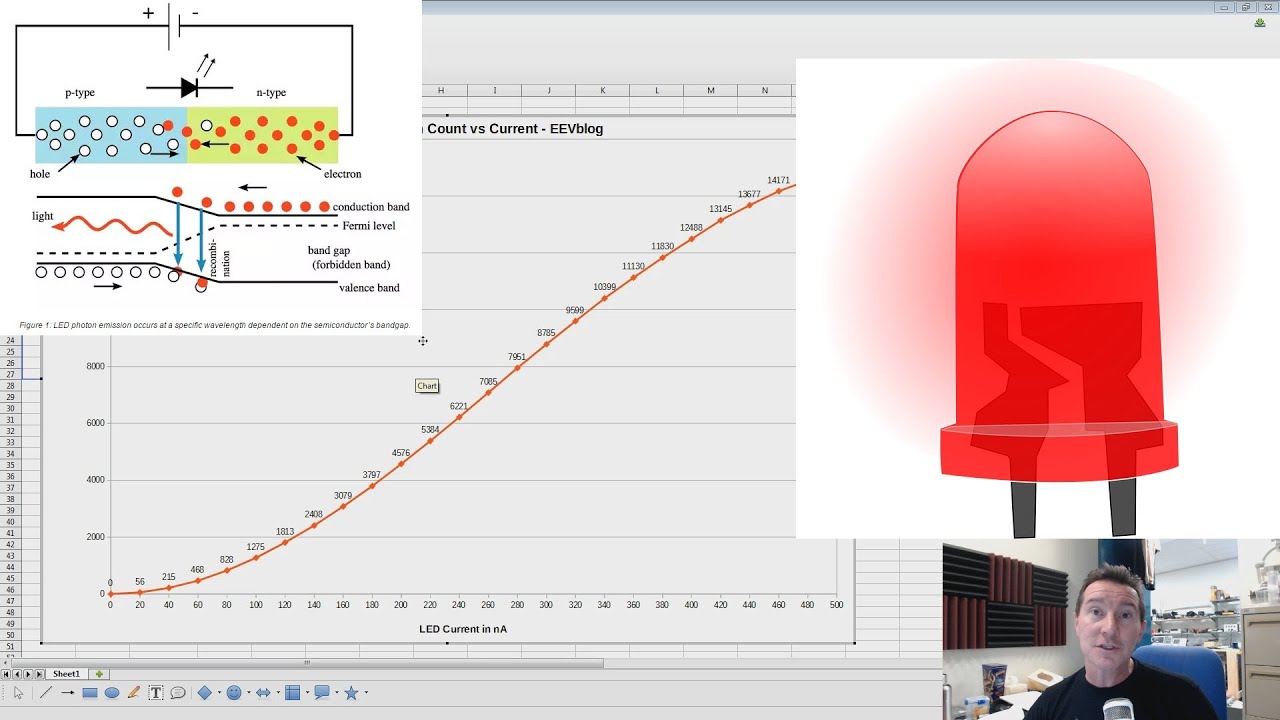
EEVblog 1755 – Tolicore Femtoammeter TEARDOWN + REVERSE ENGINEER
The article covers a detailed teardown and reverse engineering of the Tolicore 3720 Femtoammeter, which is a highly sensitive device used for measuring extremely low currents and providing a voltage source. The video starts with an unboxing and power-up of the femtoammeter, showcasing its user interface and features like a 20 pA full-scale range. It highlights the instrument's impressive sensitivity and its Bluetooth capability, which could be useful for remote monitoring and data collection.

A Modern Twist on the Synth That Defined Techno
Marcus Dunn has created a modern clone of the iconic Roland TB-303 Bass Line synthesizer called Acid Drip. Unlike the original, which is known for its complex analog circuitry and high price, Acid Drip uses a Raspberry Pi Pico-compatible RP2040 microcontroller and custom firmware to deliver classic acid sounds in a user-friendly format.

Linux Fu: Upcycling an Old Router
An engineer discovered an old Google OnHub router at a thrift store and decided to repurpose it rather than letting it go to waste. Although it originally ran Chrome OS and was abandoned by Google, the OnHub can be revived using OpenWrt, a customizable Linux-based firmware designed for routers. This device boasts a Qualcomm dual-core processor, gigabit Ethernet, and sufficient memory to handle the OpenWrt installation smoothly.
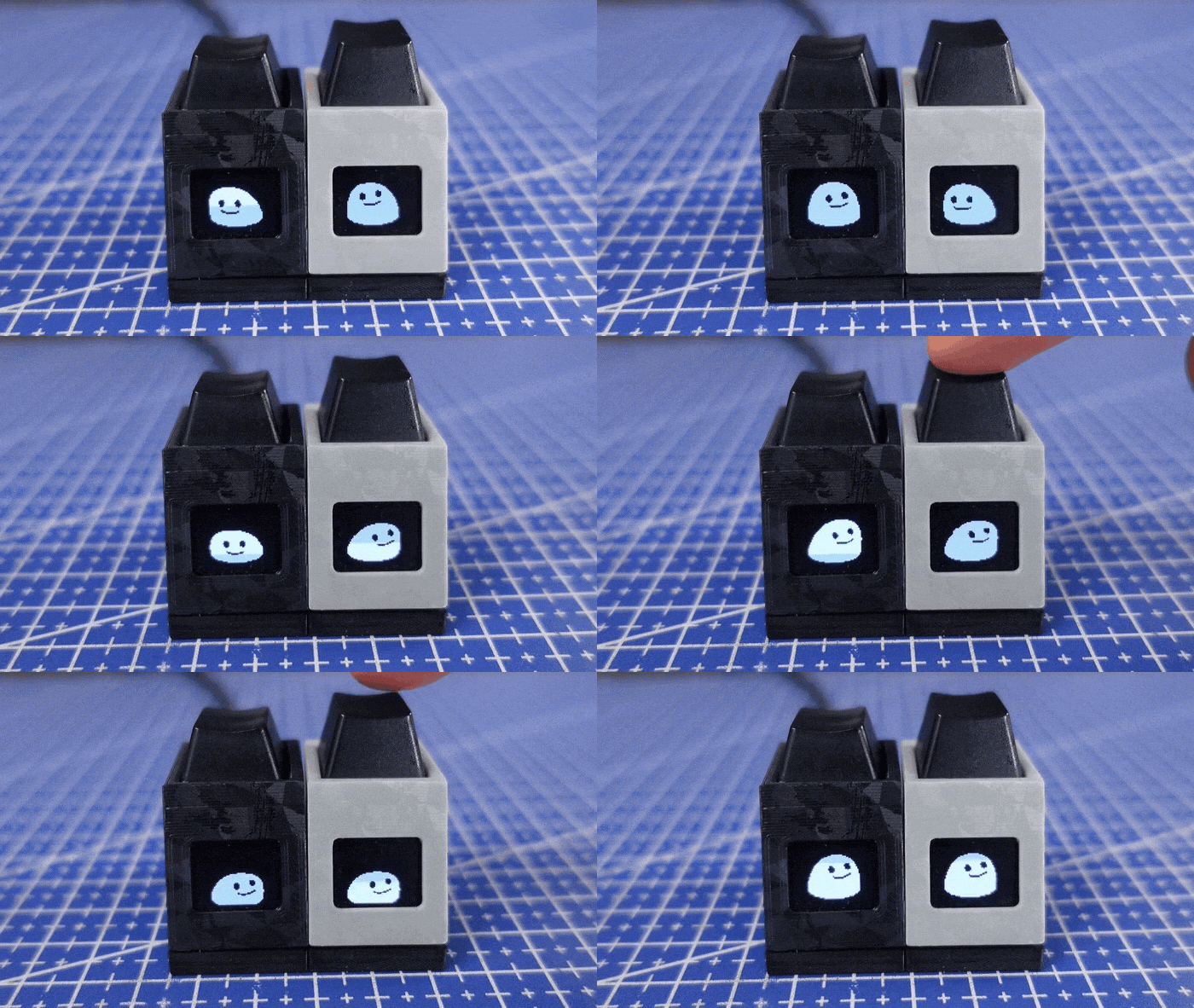
Happy, Dancing Modular ESP32 HotKeys
In a fun project, Instructables user lennoxlow created a series of modular hotkeys called "QuickKeys" using the ESP32 microcontroller. These little devices not only trigger personalized meme compilations but also have the added charm of dancing while they work. The design allows for wireless communication over WiFi and serial connections, enabling the hotkeys to interact with a PC as well as with each other.
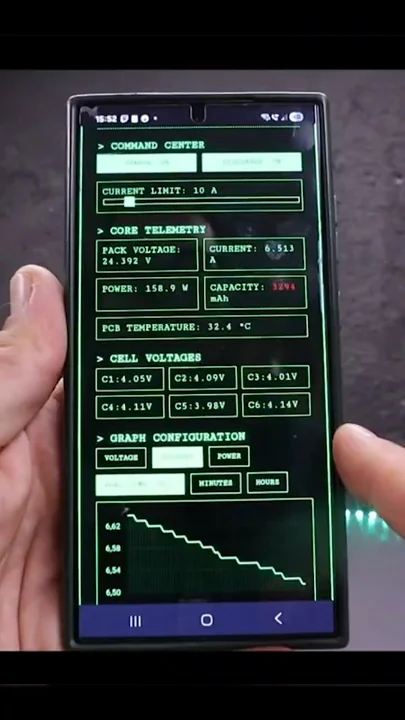
Real Time BMS data from the ESP32
The article focuses on a tutorial about using the ESP32 microcontroller for real-time Battery Management System (BMS) data monitoring. The ESP32 is a versatile chip that supports Wi-Fi and Bluetooth, making it a solid choice for IoT applications. The tutorial provides insights into how to set up the ESP32 to collect and transmit battery data, which can be crucial for ensuring optimal battery performance and longevity.

LightComposer – Reach Out and Touch Your Lighting
John created the LightComposer, a user-friendly lamp that allows you to control brightness and color with a simple rotary dial, reminiscent of old rotary phones. This compact device, slightly smaller than a hockey puck, features a 3D printed enclosure and a straightforward printed circuit board (PCB), making it a great project for those looking to build something accessible without complicated setups.
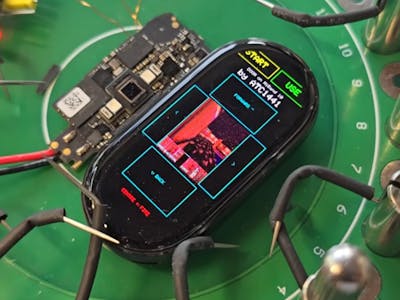
Doom Is Officially Running on the Xiaomi Mi Band 10
Aaron Christophel has successfully managed to run Doom on the Xiaomi Mi Band 10, a budget smartwatch known for its impressive battery life. The project involved overcoming significant technical hurdles, as the Mi Band 10's hardware is based on the Bestechnic BES2700iMP system-on-chip, which lacks a public software development kit (SDK). Instead, Christophel had to work with a leaked SDK from a related chip and reverse-engineer the necessary components, including figuring out how to communicate with the device's hardware.
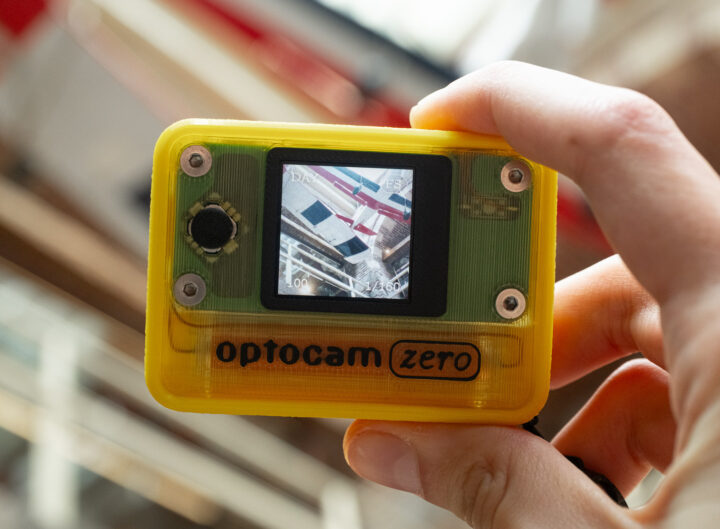
Optocam Zero – A Raspberry Pi Zero 2 W-based DIY digital camera
The Optocam Zero is a DIY digital camera built around the Raspberry Pi Zero 2 W single-board computer (SBC). It leverages off-the-shelf components alongside 3D-printed parts to create a compact and functional camera inspired by vintage designs like the Kodak Charmera. Key components include a Raspberry Pi Camera Module 3, a 1.3-inch LCD display, and a 14500 Li-Ion battery holder, making it an interesting project for makers and hobbyists.
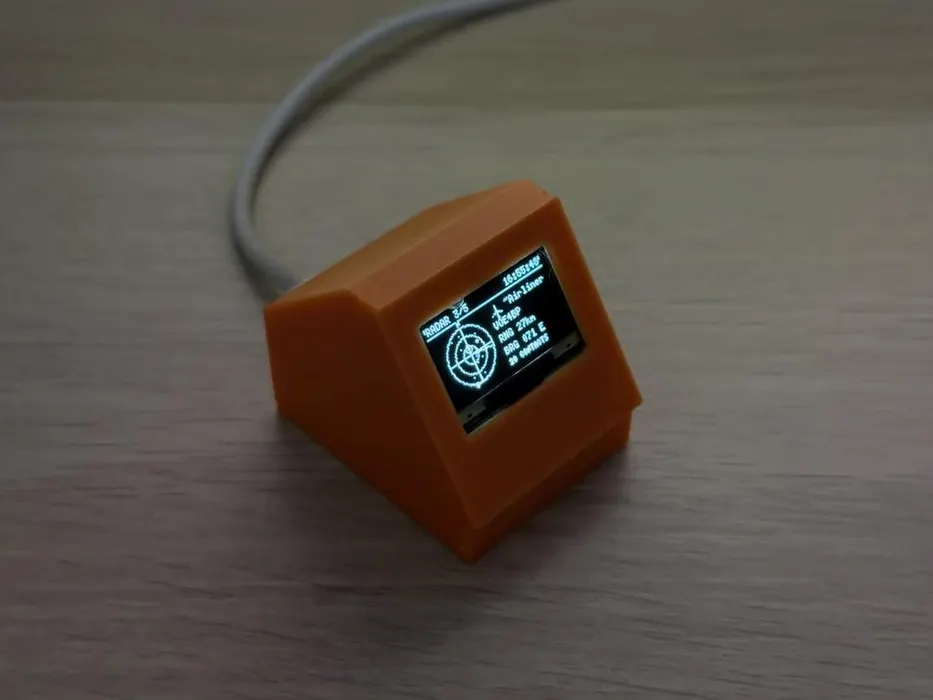
Plane Spotter — a Tactical ADS-B Desk Radar (ESP8266 + 1 Inch OLED)
The article discusses a project called the Plane Spotter, created by Italian maker Danilo Cannas. This device is a 3D-printed desk gadget that functions as a tactical radar for monitoring aircraft in real-time. It utilizes an ESP8266 microcontroller, which connects to ADS-B (Automatic Dependent Surveillance–Broadcast) data to display information about nearby airplanes, including their flight paths, airline details, estimated time of arrival (ETA), and even current weather conditions.
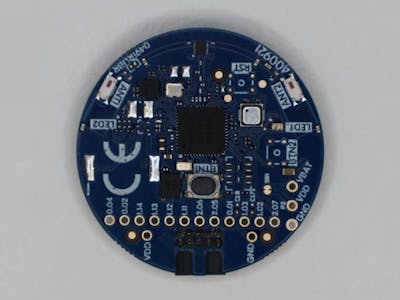
This $29 Board Is Like a Hackable AirTag
The nRF54L15 Tag from Nordic Semiconductor is a versatile, hackable development board priced at $29, designed to work within the Apple Find My and Google Find Hub networks. It's a compact, battery-powered device that features a dual-antenna system and is built around the nRF54L15 wireless System on Chip (SoC). Measuring just 33 mm in diameter, it can run off a standard CR2032 battery and includes a six-axis inertial measurement unit (IMU), a low-power accelerometer, environmental sensors, a user-programmable button, and an RGB LED.
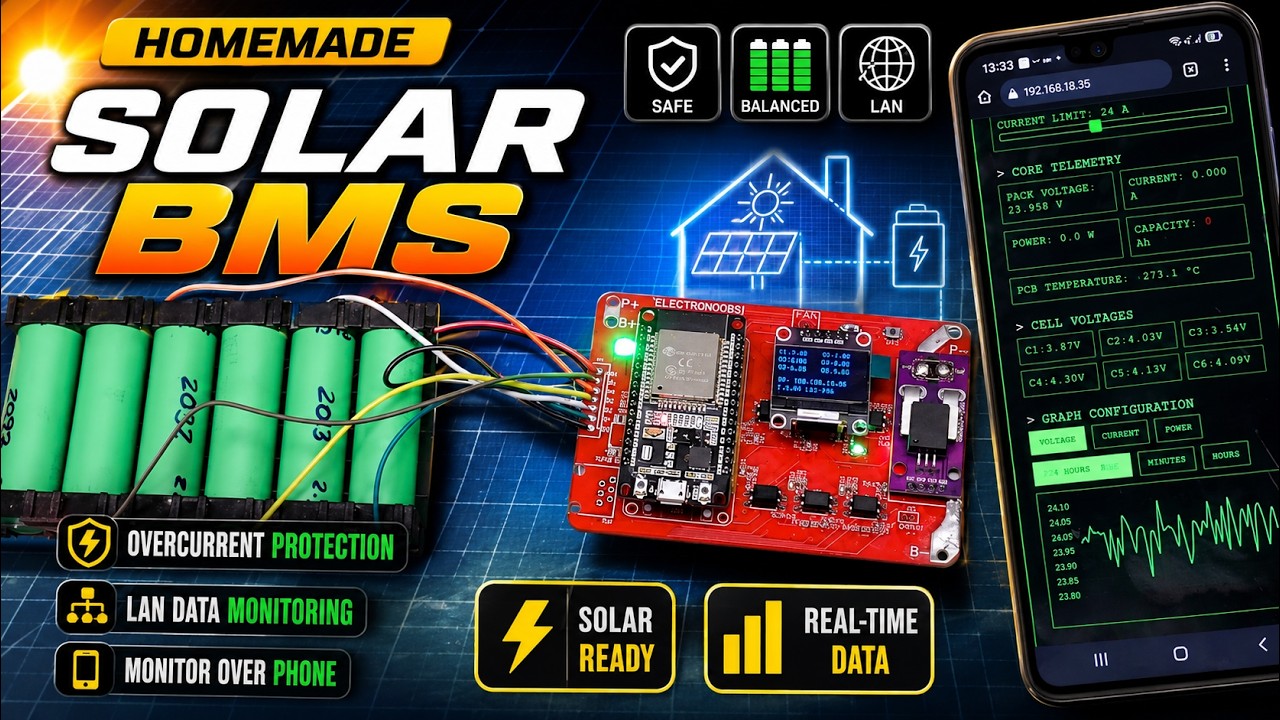
Homemade ESP32 BMS system with LAN data
This article covers a DIY project where an engineer creates a Battery Management System (BMS) using an ESP32 microcontroller, designed specifically for managing a 6s lithium battery pack. The project emphasizes open-source principles and includes a detailed overview of how the system monitors and manages power flow during charging, making it suitable for solar storage applications.

GPS Has a HUGE Problem… That We Can Fix?
This video takes a critical look at the limitations of traditional GPS technology, particularly its lack of precision. The creator builds a small tank robot to demonstrate the shortcomings of standard GPS, showcasing how it can lead to inaccuracies in navigation and positioning.
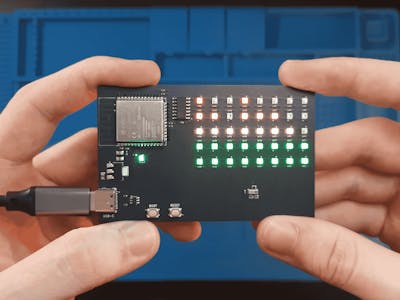
This Electronic Business Card Visualizes Audio; Demonstrates Skillz
Alex created an innovative electronic business card that visualizes audio, turning a typically mundane item into something eye-catching and functional. The card features an onboard microphone that captures audio, displaying real-time frequency levels across an 8x5 grid of RGB LEDs. Alongside the audio visualization, Alex's contact information, including QR codes for his LinkedIn and portfolio, is printed directly on the card.
John Park’s CircuitPython Parsec: LCD Character Marquee Scroll
John Park’s latest project showcases how to create a scrolling text marquee using an LCD Character display with CircuitPython. By utilizing the `move_left` and `move_right` commands, you can easily make text scroll across the screen, which adds a dynamic element to your projects.
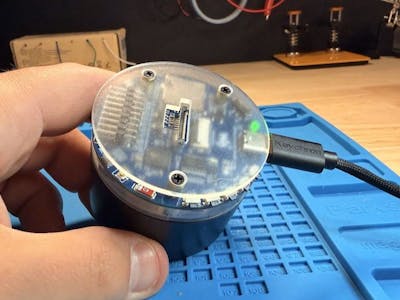
Dadlexa: The No-AI Smart Speaker
Sean Clark created Dadlexa, a unique DIY smart speaker that relies on human intelligence rather than artificial intelligence. When his son asks a question, the audio is sent to Clark’s phone, where he responds, and the answer is played back through the speaker. This approach allows for a more personal interaction between parent and child, contrasting with typical AI-driven devices.
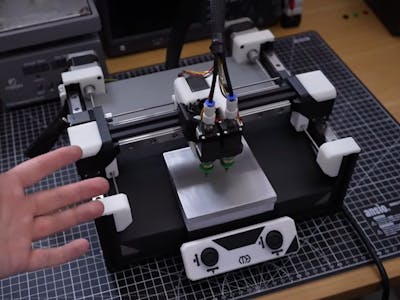
Million-Dollar PCBA Precision for Just $200
MagmaBow, a YouTuber, has developed a DIY pick-and-place machine for circuit board assembly that mimics the precision of high-end industrial equipment but at a fraction of the cost—just $200. This machine is designed to help makers keep up with the trend of smaller electronic components, which are becoming increasingly difficult to work with manually. By combining human operation with automated processes, it offers a practical solution for hobbyists.
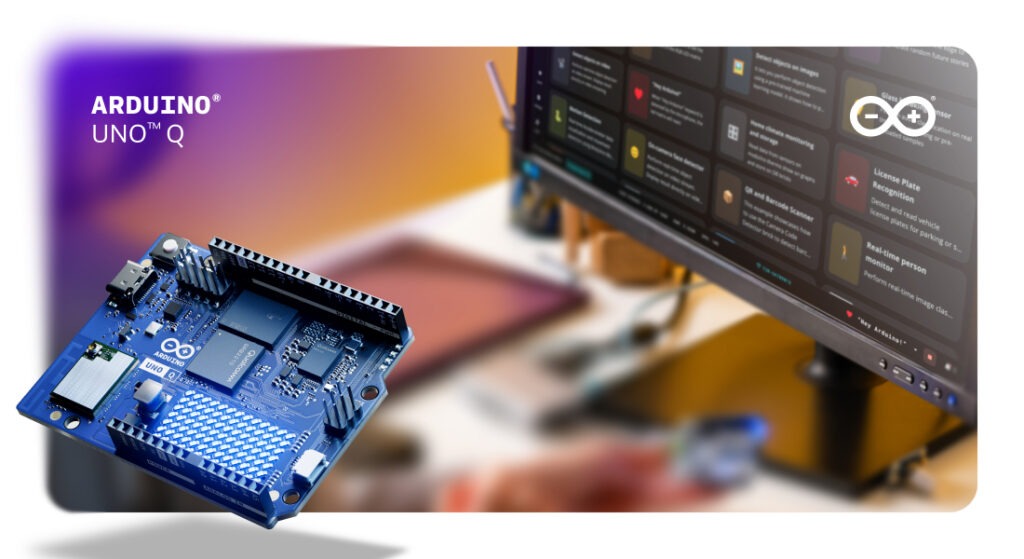
Running local LLMs on the Arduino® UNO™ Q board: a practical guide
The article discusses running local large language models (LLMs) on the Arduino® UNO™ Q board, which combines a Debian Linux environment with the Arduino hardware ecosystem. This setup allows you to explore the integration of LLMs into embedded systems, providing a way to utilize language intelligence close to the data and devices they interact with. Unlike traditional cloud-based AI, these local models are tailored for specific tasks, enhancing functionality without unnecessary complexity.
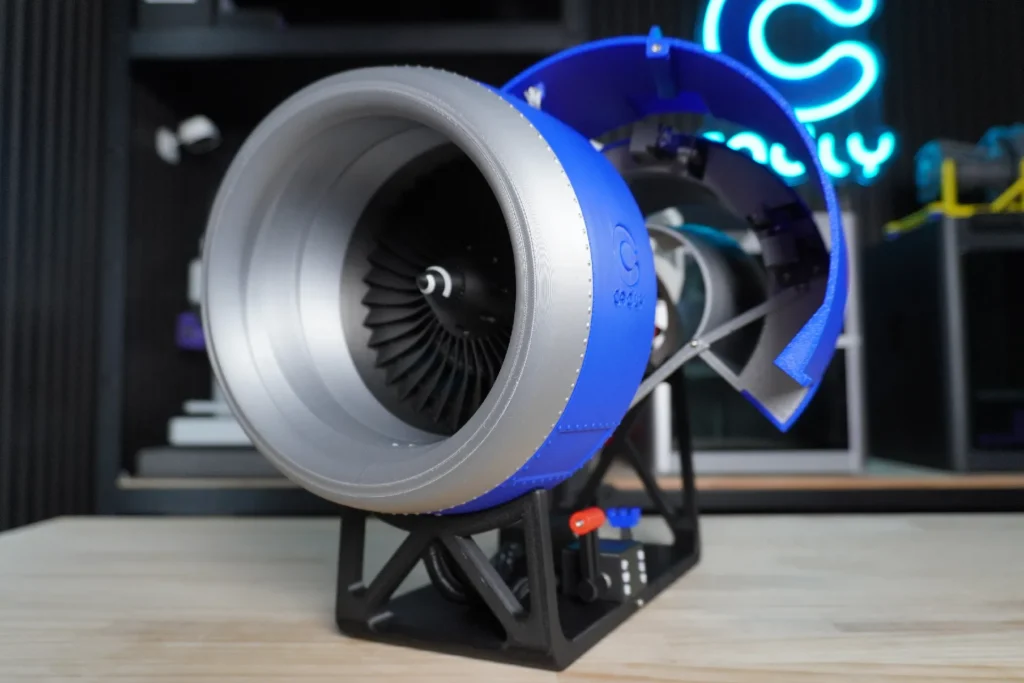
You can 3D print this amazingly complex turbofan jet engine model
A new 3D printable model of a turbofan jet engine is available, allowing enthusiasts to explore how these complex systems work. Inspired by the CFM56-5 series engines found in Airbus A320 jets, this model balances accuracy and practicality for 3D printing. It comes in two variations: a complete engine with panels that can be opened to reveal its inner components and a turbofan assembly that provides a clear view of the core mechanics.
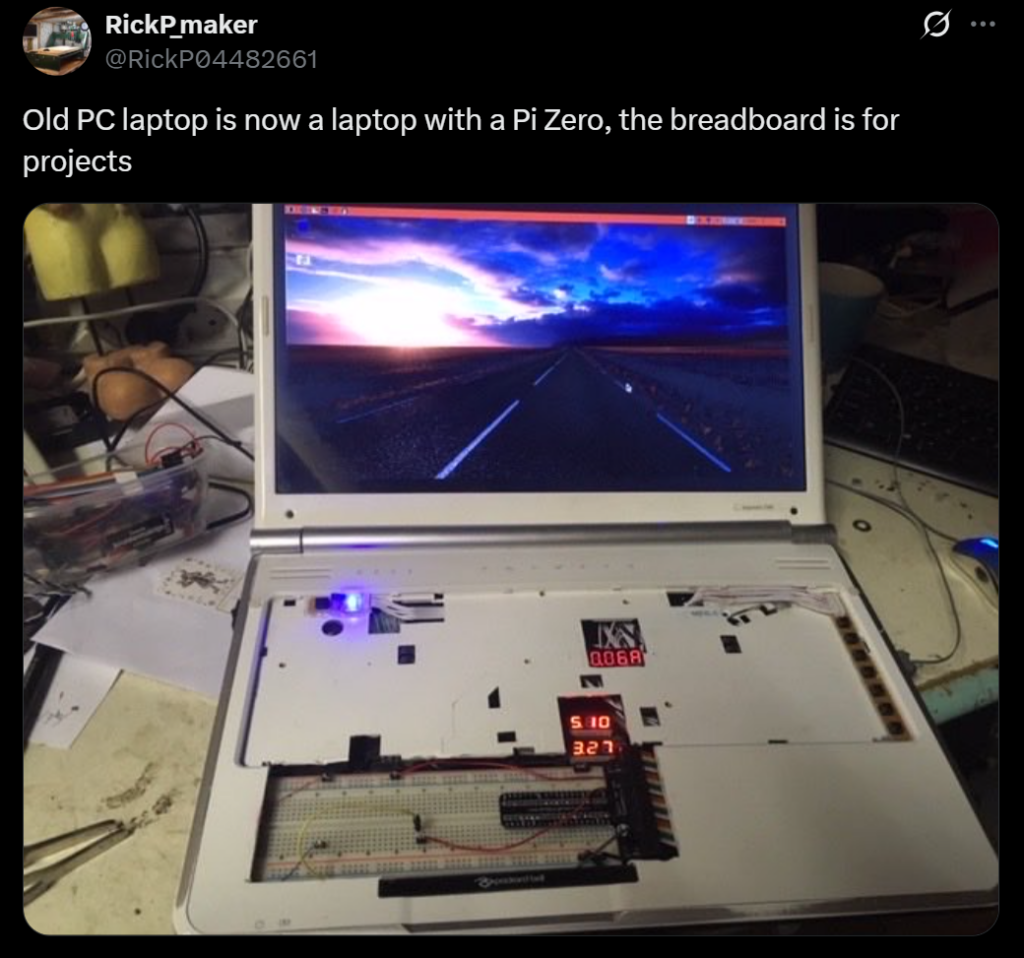
Your Maker Monday projects
The article highlights various creative projects shared under the #MakerMonday hashtag, showcasing innovative uses of Raspberry Pi technology. These projects range from repurposing old laptops into maker spaces to developing custom solutions for nature conservation and child-friendly browsing experiences.