Rising Edge Digital
Hardware & Embedded Systems for Software Developers
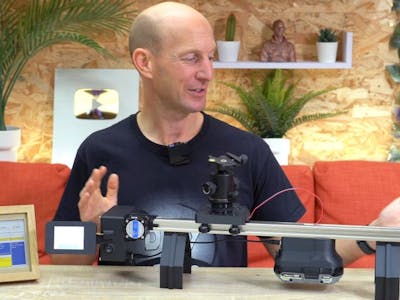
Give Your Camera Work Robotic Cleanliness By Building Lewis Aburrow's 3D-Printed Slider
Lewis Aburrow has created a 3D-printed robotic camera slider that promises to elevate your videography game with professional-level features. This slider is designed for various applications, including live video work, product shots, and motion timelapses. It offers programmable speed, acceleration, and movement time and can be built for different setups—whether for tabletop use, tripod mounting, or portable filming with an optional Ryobi battery adapter.
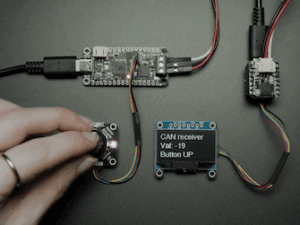
Adafruit CAN Bus BFF
Adafruit has introduced the CAN Bus BFF (Breakout for Friends) to enhance the capabilities of its QT Py boards, allowing these compact microcontrollers to function as powerful Controller Area Network (CAN) bus devices. This opens up new possibilities for hobbyists and makers who want to incorporate CAN bus communication into their projects without dealing with the complexities typically associated with larger hardware.
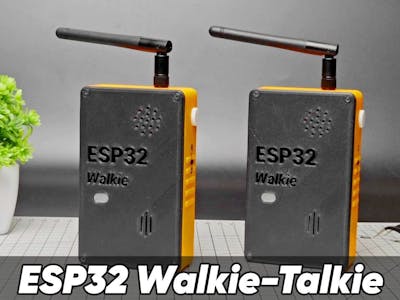
You Can Build Your Own ESP32 Walkie-Talkies
You can build your own walkie-talkies using ESP32 development boards, as demonstrated by YouTuber Tech Talkies. Instead of traditional radio hardware, this project utilizes ESP-NOW, a low-latency wireless protocol that allows the devices to communicate directly without needing a Wi-Fi router or internet connection. This makes it a clever and accessible way to create functional walkie-talkies.
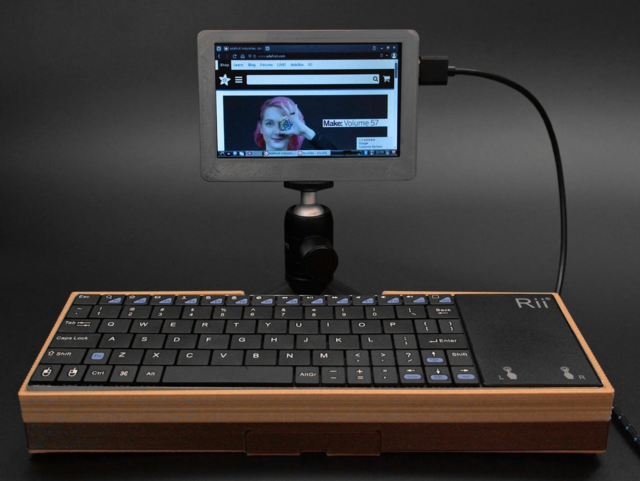
DIY Pi 400 Keyboard Case
The article discusses a DIY project where the Ruiz brothers created a custom case for the Raspberry Pi 400 that integrates it into a compact keyboard with a built-in trackpad. This design allows users to easily access the GPIO (General Purpose Input/Output) pins by detaching the keyboard, making it user-friendly for tinkering and customization.
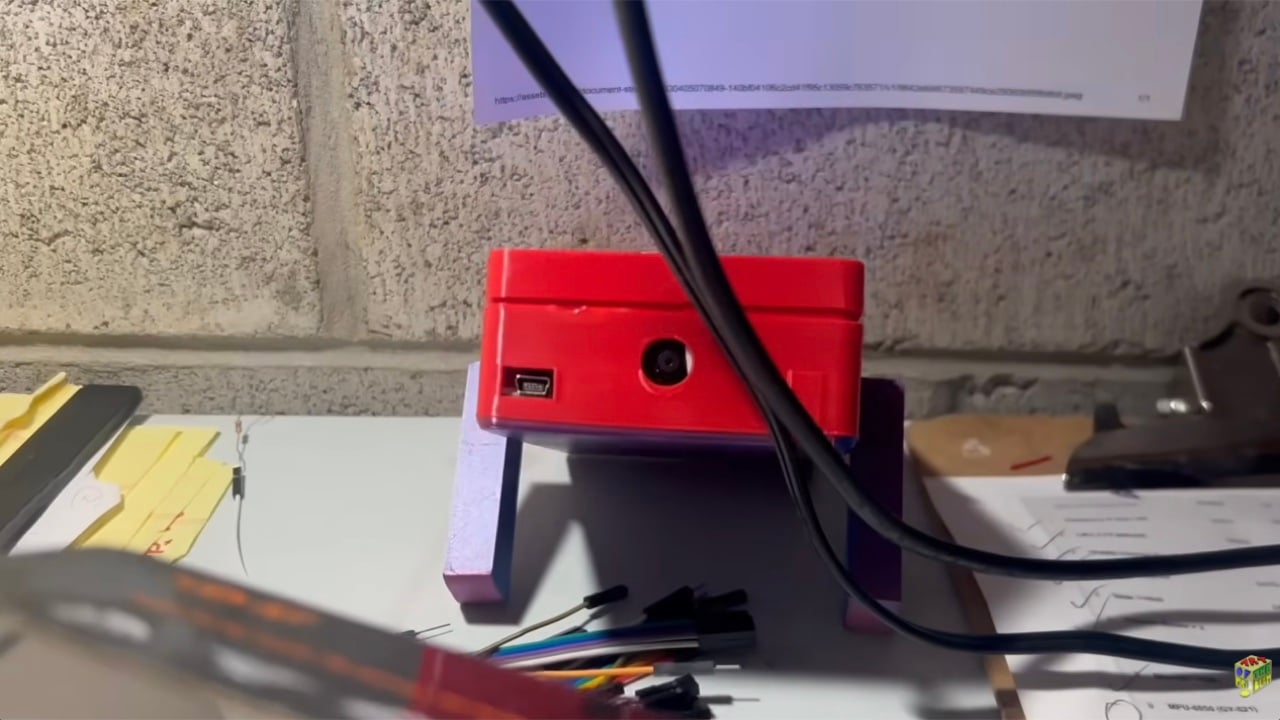
GrowBot is a LLM in a Body
GrowBot is an innovative little robot that combines the power of artificial intelligence with a physical body. Built on a Raspberry Pi Zero 2, it includes two servos for movement, a camera for vision, an Inertial Measurement Unit (IMU) for orientation, and some 3D-printed parts. The project aims to explore how a machine learning framework can be integrated with a robotic platform, allowing the bot to learn to move and interact with its environment from scratch.

The Voice Echo: An Arduino Audio Project
This article describes a project that uses an ATmega328 microcontroller to create an audio-processing platform capable of generating an echo effect. The project involves designing a printed circuit board (PCB) and includes Arduino code that allows users to implement the echo functionality in their own audio applications.
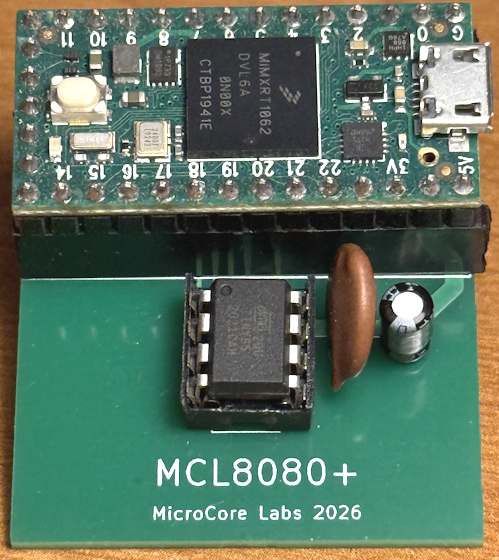
MCL8080+ is an Intel 8080 emulator for ATTiny85
The MCL8080+ is a C-based emulator for the Intel 8080 microprocessor that operates on the ATTiny85 microcontroller. Unlike the original design that used a 40-pin package, this emulator utilizes a SPI (Serial Peripheral Interface) serial bus, along with several optimizations to fit the limited resources of the ATTiny85.
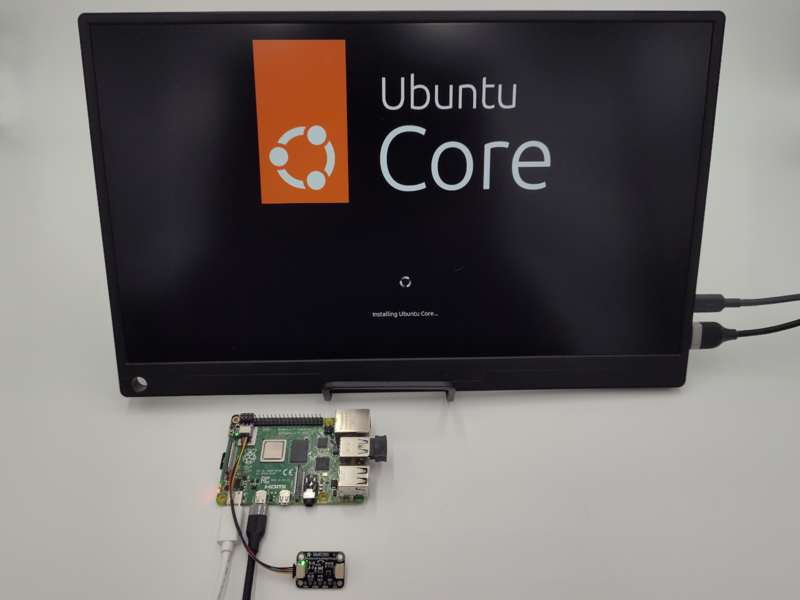
NEW LEARN GUIDE: Use Blinka in Ubuntu Core on Raspberry Pi
The article introduces a new guide from Adafruit that explains how to use Blinka, a library that allows CircuitPython code to run on different platforms, with Ubuntu Core on Raspberry Pi devices (3, 4, and 5). Ubuntu Core is a stripped-down version of Ubuntu designed for embedded applications and IoT devices, emphasizing security and ease of deployment. Unlike the standard Raspberry Pi OS, which caters to hobbyists and tinkerers, Ubuntu Core is more rigid and oriented toward commercial and industrial use.
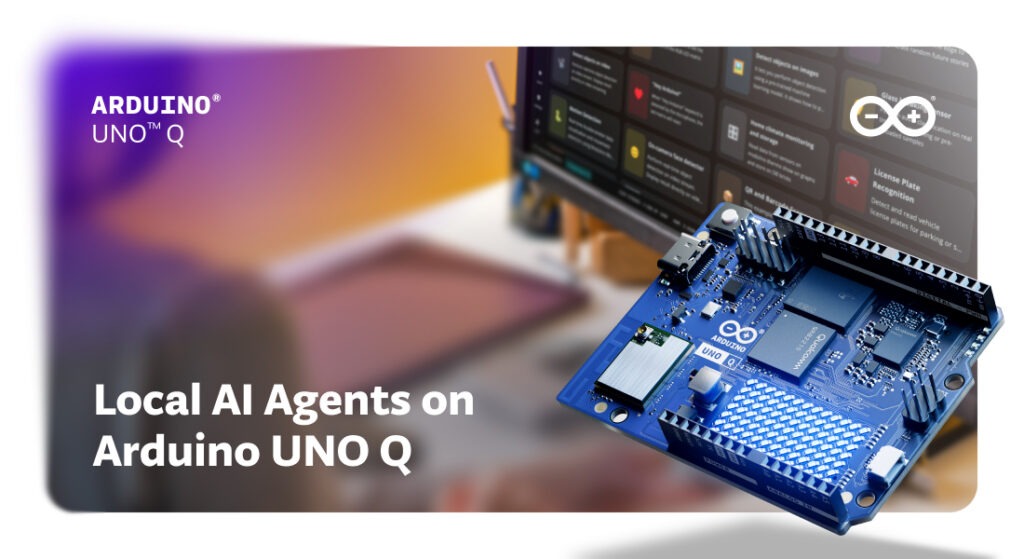
Local AI agents on Arduino UNO Q
The article discusses the integration of local AI agents on the Arduino UNO Q board, highlighting a shift in embedded systems from traditional deterministic programming to more dynamic, AI-driven approaches. This new capability allows AI agents to operate directly on edge devices, which enhances performance by reducing latency, improving privacy, and enabling offline functionality.
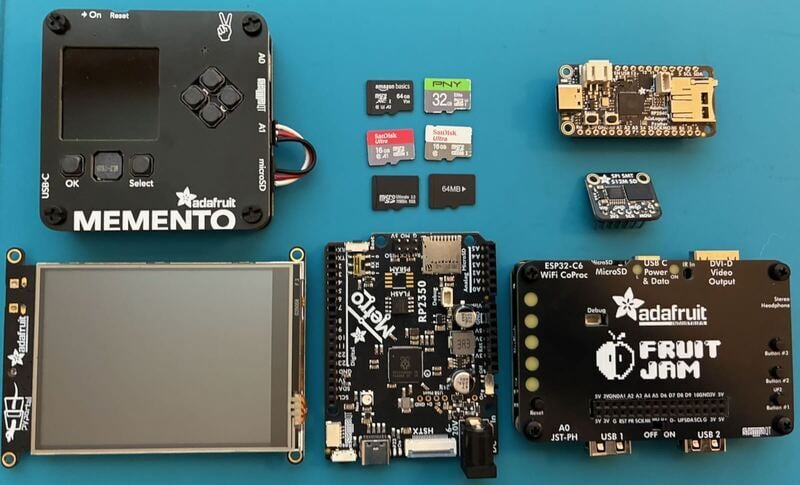
SD Card Performance in CircuitPython
This article focuses on benchmarking the performance of SD cards when used with CircuitPython across various microcontroller boards. It provides insights into which configurations yield the best results, highlighting that using SDIO (Secure Digital Input Output) is ideal for bulk data transfers, while SPI (Serial Peripheral Interface) works best for quick small writes.
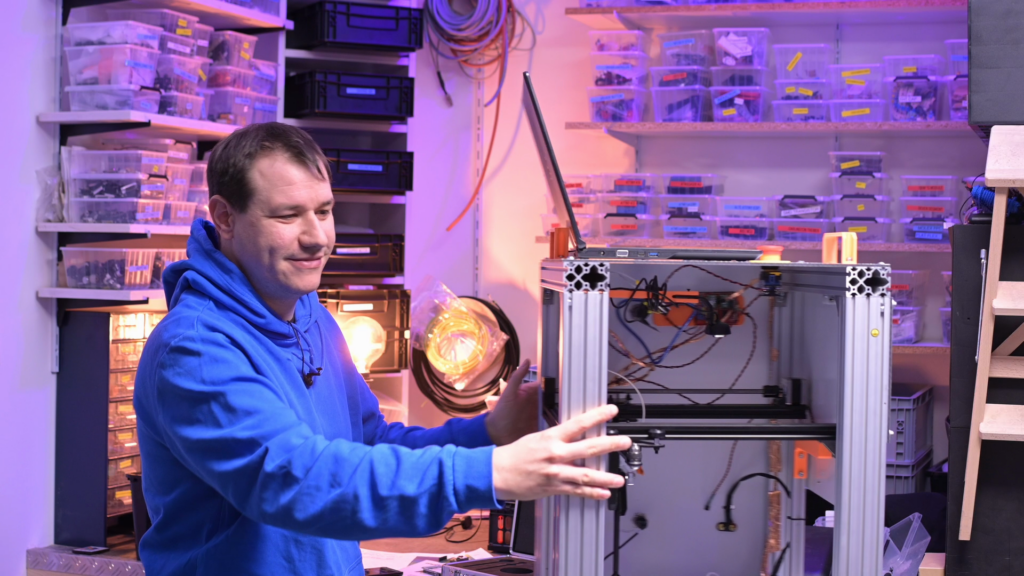
An old 3D printer becomes a new EMI imager
Clem Mayer has transformed an old 3D printer into a low-cost electromagnetic interference (EMI) imager, which helps visualize areas on a printed circuit board (PCB) that generate high EMI. This can be particularly useful in diagnosing issues where one circuit affects another, whether on the same board or in close proximity.
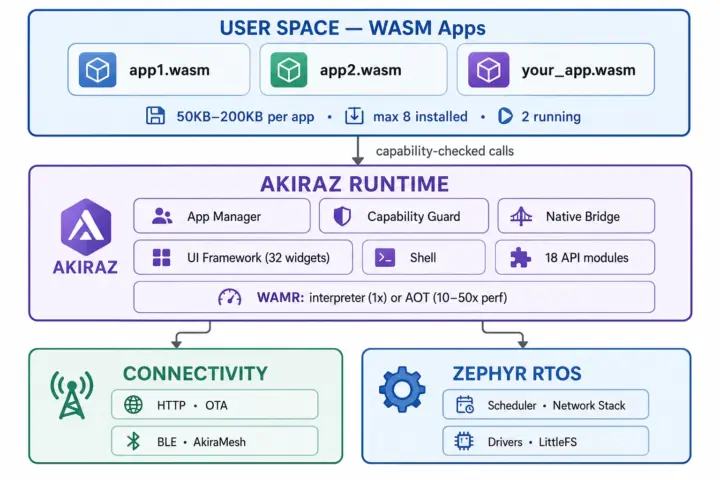
Docker for Microcontrollers? AkiraOS combines Zephyr RTOS with WebAssembly (WASM) applications
AkiraOS is an embedded operating system based on Zephyr RTOS that aims to simplify the deployment of WebAssembly (WASM) applications on microcontrollers. It allows users to run applications in a sandboxed environment, similar to Docker containers, which means you can deploy and update firmware over-the-air (OTA) without needing to reflash the entire device. This separation of the operating system from applications ensures that the firmware remains stable while permitting independent updates of .wasm binaries.
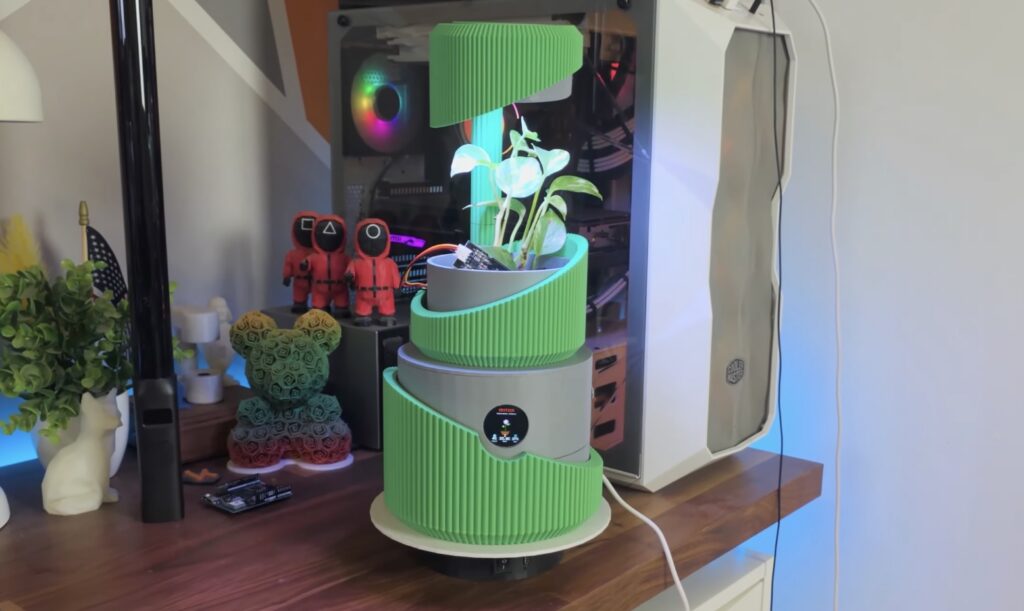
This stunning smart planter tracks plant health and handles daily care
Giovanni Mannara, known as Ingeimaks, created an impressive smart planter that automates plant care by tracking health and managing daily needs. This stylish planter not only serves a practical purpose but also acts as an eye-catching piece of decor. Mannara collaborated with a friend to design a sleek 3D-printed outer shell, allowing him to focus on the technical aspects of the project.
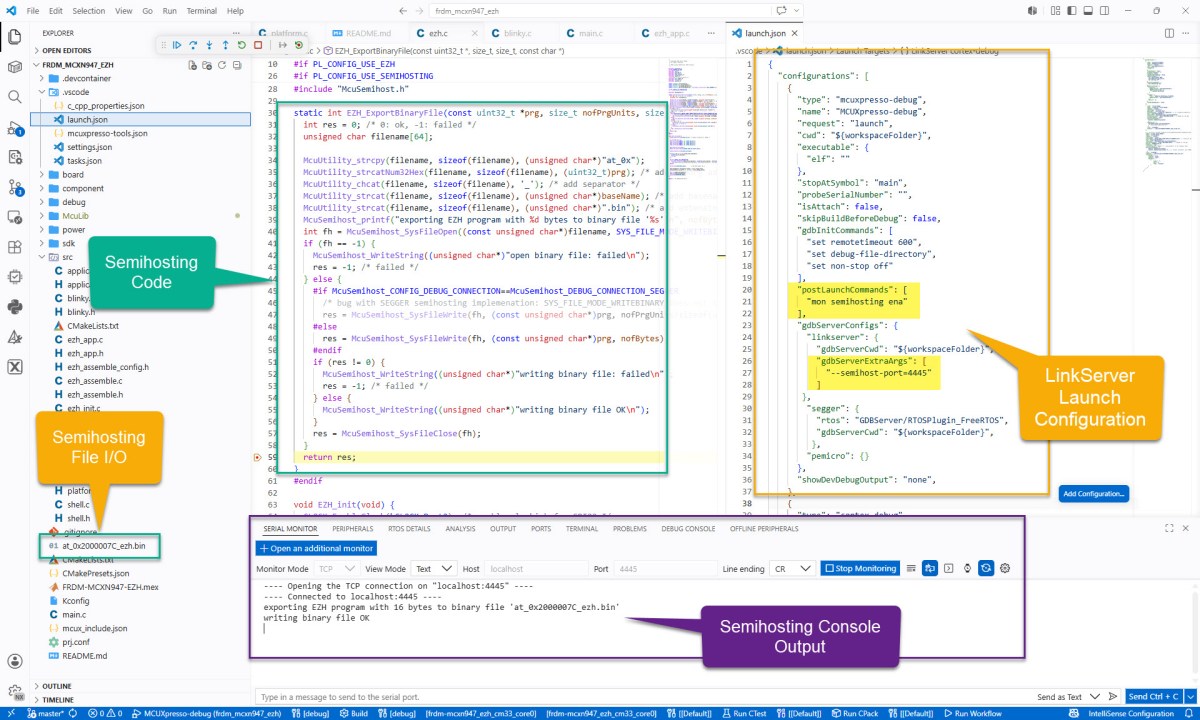
Semihosting with LinkServer in VS Code
Semihosting is an ARM technology that allows embedded applications to interact with a host system, enabling functionalities like console output and file input/output during debugging. This article walks you through setting up semihosting with the NXP LinkServer in Visual Studio Code (VS Code), focusing particularly on the necessary configurations in the launch.json file and how to manage terminal outputs.
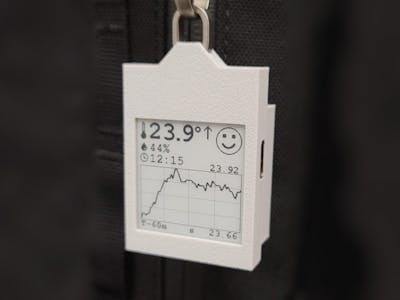
Michael Manning's "Weathergotchi" Lets You Know Exactly How Cold You Got While Camping
Michael Manning created a compact environmental data logger called the "Weathergotchi" to track temperatures during his camping trips. Frustrated by conventional temperature loggers that required smartphone apps for data access, he designed his own solution that displays real-time temperature and historical data using an electrophoretic ePaper screen.
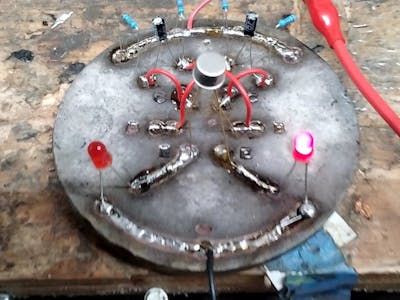
Emily Velasco's Blinky Lights Build Needs No Printed Circuit Board: It's Pottery-Tronics
Emily Velasco has created a unique circuit board using ceramics and a copper-based glaze, moving away from the traditional fiberglass substrate. Inspired by a European hacker collective, she experimented with clay and glazes, discovering that she could solder to her custom-made ceramic boards. This innovative approach involves creating a basic astable multivibrator circuit, which powers two blinking lights.
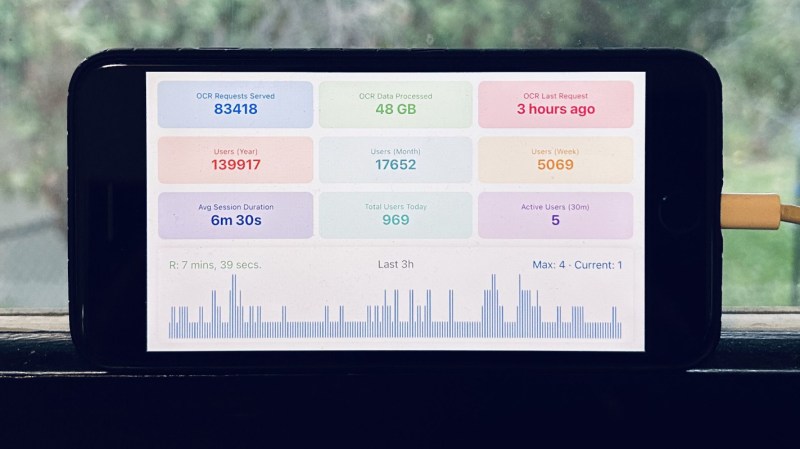
Off-Grid OCR Server Powered by iPhone
[Hemant] created an off-grid optical character recognition (OCR) server using an iPhone 8 powered entirely by solar energy. Typically, you'd expect an OCR server to require robust hardware, but the combination of this older smartphone and Apple’s Vision framework, which leverages machine learning for tasks like character recognition, makes it feasible. The iPhone’s battery serves as the initial power source, supplemented by a power bank to optimize its connection with a solar panel.
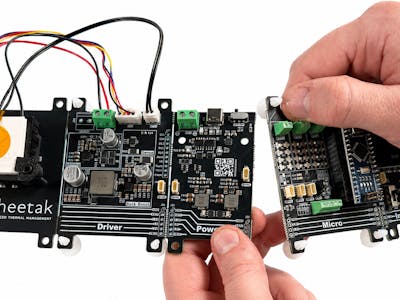
Beat the Heat with the Modular CryoSnap Dev Kit
The CryoSnap Thermoelectric Dev Kit, designed by Sheetak, is a modular development board aimed at helping engineers manage thermal systems more efficiently. This kit offers a collection of components that let users quickly assemble and control a complete thermal management solution. Once validated, these modules can be integrated into final product designs, streamlining the development process.
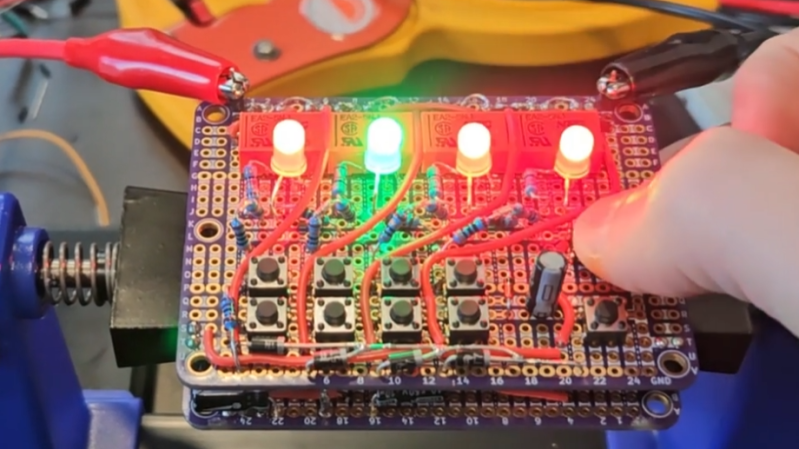
4-bit Relay Logic Counter Begs To Have Its Buttons Pushed
Agatha Mallett built a 4-bit counter using relay logic, making use of some small relays she had on hand, despite their poorly documented specifications. The project focuses on implementing D-type flip-flops with relays, which involves carefully managing the coil voltage to toggle the relay states. The counter features buttons for incrementing and clearing the count, as well as for setting or clearing individual bits, making it highly interactive.
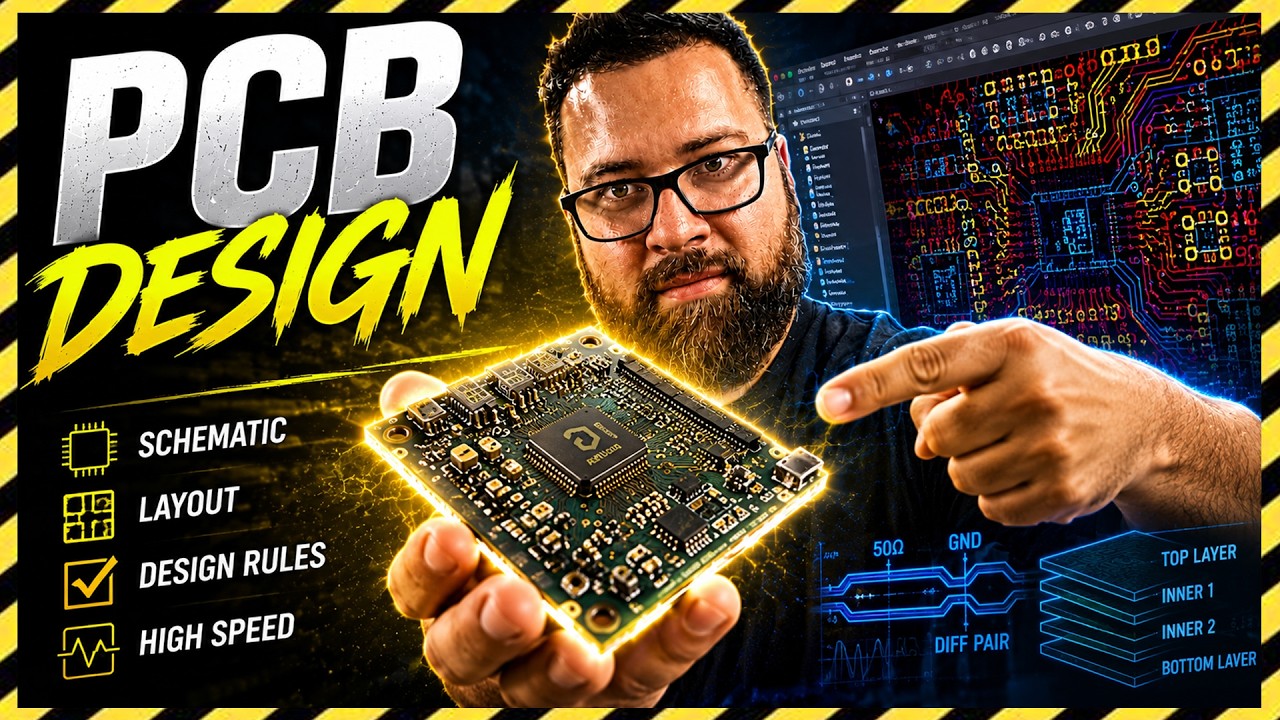
How I make my PCBs? Start to Finish
The video tutorial provides a comprehensive guide on designing printed circuit boards (PCBs) from scratch, specifically tailored for an Arduino-based spot welder project. It uses KiCad, a free and open-source PCB design software, to illustrate the entire process, from creating electronic circuits to producing the final board.
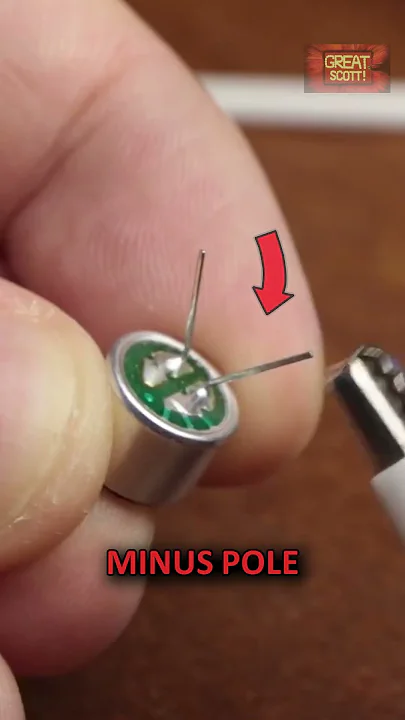
I broke my Mic... So I Built One!!
In this video, the creator shares their experience of building a microphone after breaking their original one. They walk through the design process, detailing the components used, which include a diaphragm, a preamplifier circuit, and a few other essential parts. The build relies on basic electronics principles, making it accessible even for those who may not have extensive backgrounds in hardware engineering.
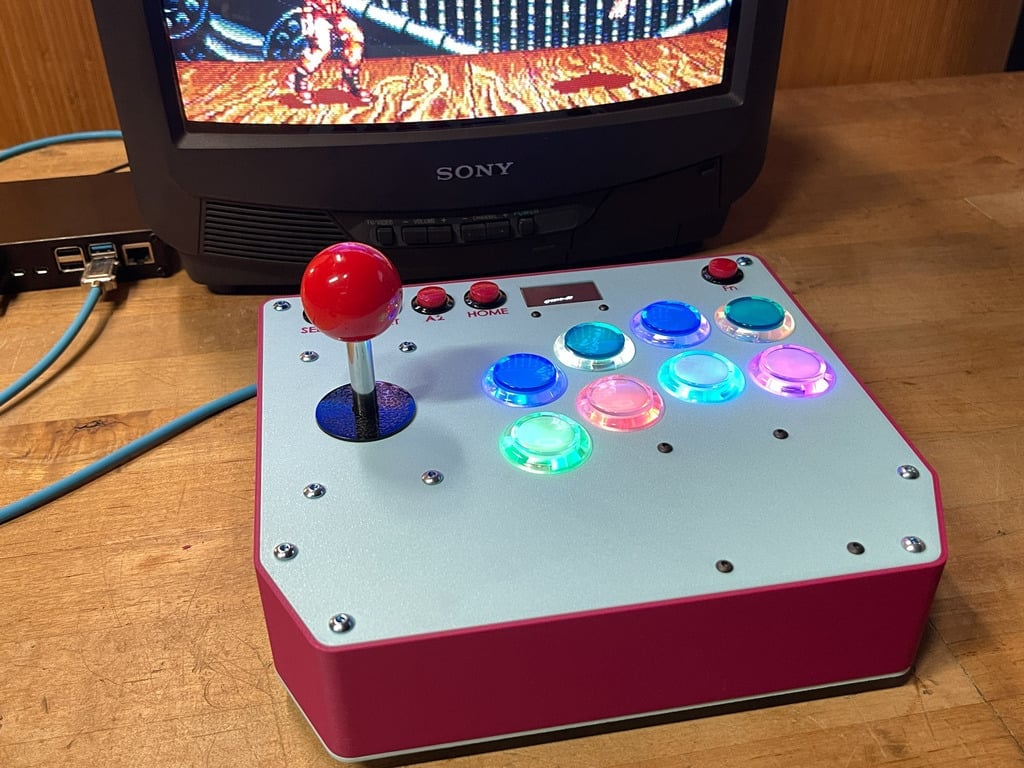
Arcade Fightstick
The article discusses building a custom arcade-style USB fightstick using an Adafruit KB2040 board and GP2040-CE firmware. This project allows you to create a fightstick that works with various gaming platforms, including Nintendo Switch, PlayStation, Xbox, and even Raspberry Pi-based RetroPie emulators, as well as PC and Mac systems.
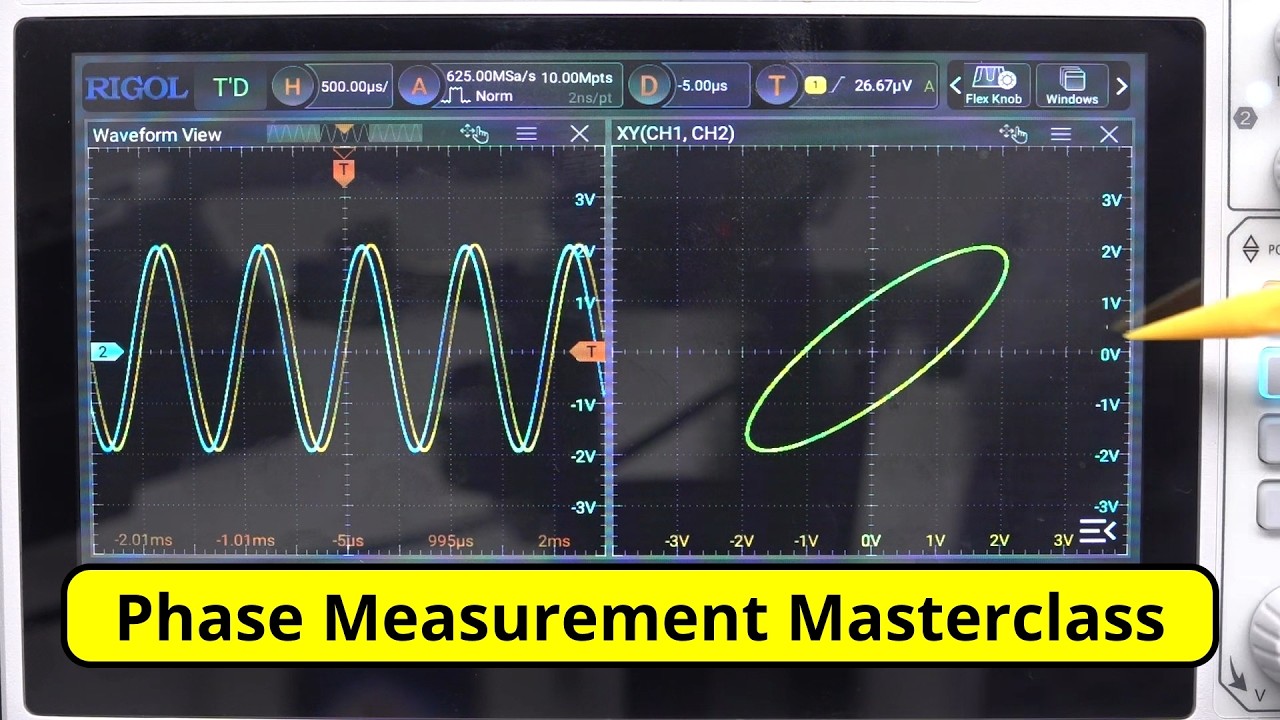
EEVblog 1751 – Oscilloscope Phase Measurement Masterclass
This article is a detailed guide on measuring phase angle using an oscilloscope, featuring five different methods. It kicks off with a basic introduction to phase angle measurement, explaining its significance in various applications. Following that, the video tutorial dives into specific techniques, starting with automated measurements and moving through manual methods like cursor and graticule measurements. It also highlights common pitfalls, particularly distinguishing between positive and negative phase angles.
Make a 3D Printed Camera LED Ring
The article describes how to create a DIY 3D-printed LED ring for cameras, designed to enhance macro photography without breaking the bank. The project utilizes a NeoPixel Ring, which is a type of addressable LED, along with a Trinket microcontroller from Adafruit. This setup allows you to customize the color and brightness of the lights, making it easier to achieve the perfect lighting for your shots.
John Park’s CircuitPython Parsec: LCD Character Display Custom Glyphs
John Park's latest project focuses on enhancing LCD character displays by allowing users to create custom glyphs using CircuitPython. This feature lets you define up to eight unique characters, which can be particularly useful for projects that require specific symbols or icons not available in standard character sets. The article includes a code example to get you started, making it easy to implement this functionality in your own projects.
Patching my guitar amp's firmware
The article discusses the process of patching the firmware of a guitar amplifier to enhance its performance and add new features. The author shares their experience with the specific model of the amp and the steps taken to successfully update the firmware, including the tools and software used.
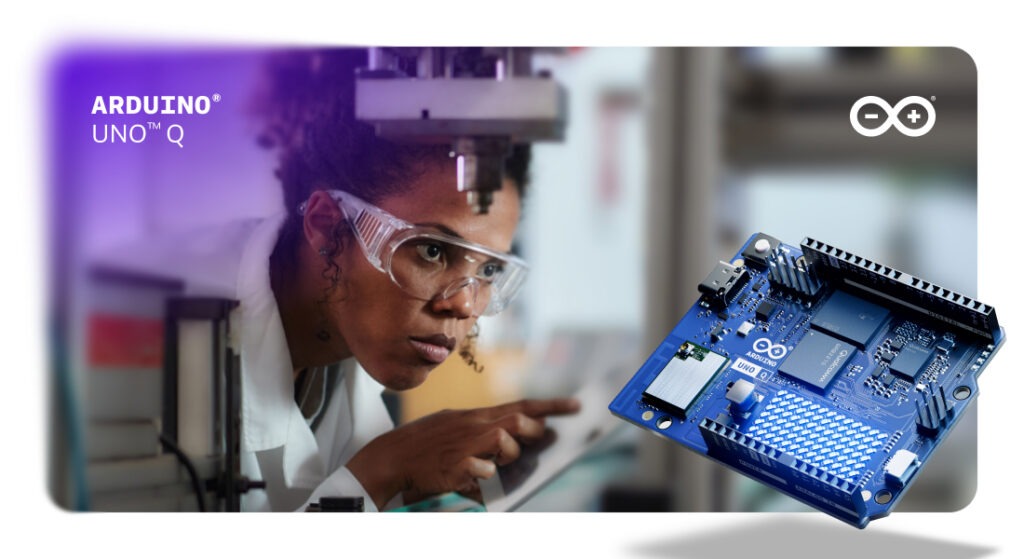
Industrial-grade vision inspection, made accessible by the Arduino® UNO™ Q board
The article discusses the Arduino® UNO™ Q board, which makes industrial-grade vision inspection accessible and affordable. Traditional systems for inspecting products in factories are often costly and complex, but the UNO Q offers a streamlined approach. By combining a Linux environment with a microcontroller (MCU), it manages tasks like image processing, model deployment, and local data handling, all of which are essential for effective vision inspection without the high price tag.
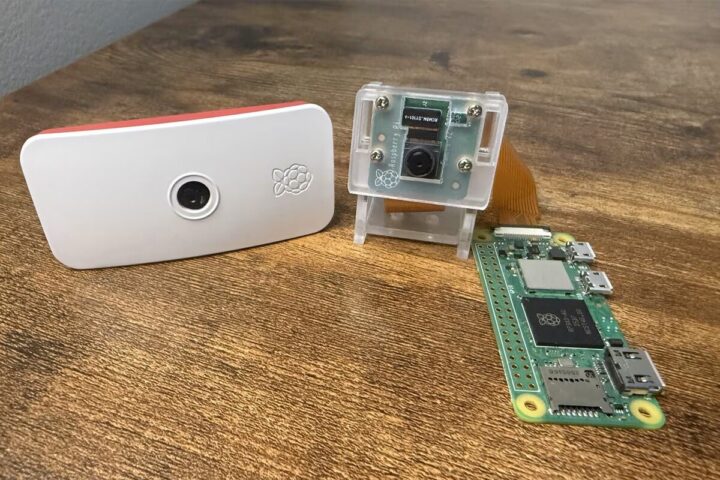
Privacy-focused, open-source Raspberry Pi Zero 2W DIY security camera offers end-to-end encryption, on-device AI
Secluso is an open-source DIY security camera system based on the Raspberry Pi Zero 2 W. It emphasizes privacy by implementing true end-to-end encryption (E2EE) and on-device artificial intelligence (AI) for detecting humans, pets, and vehicles. This project offers a compelling alternative to commercial smart home cameras, which typically send raw video feeds to proprietary clouds, raising privacy concerns.
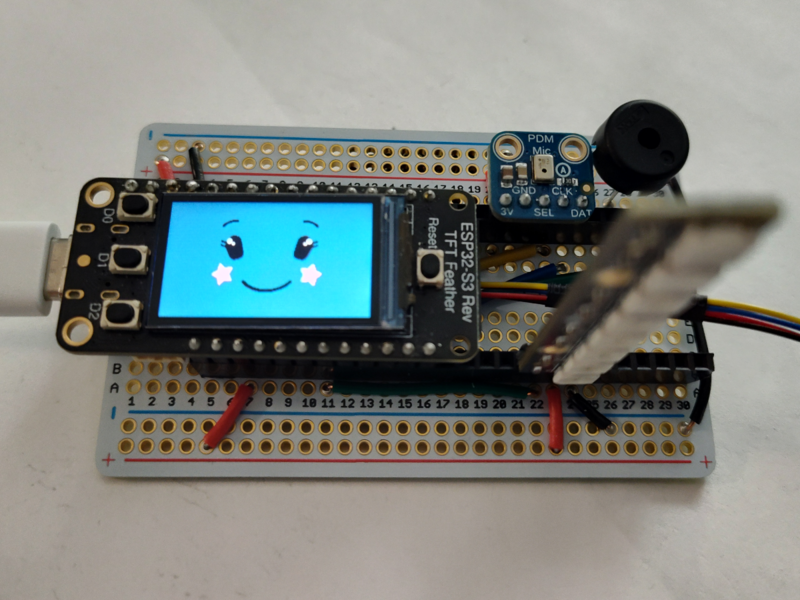
NEW LEARN GUIDE: LLM Agent Embodiment Kit
The article introduces a new learn guide for the LLM (Large Language Model) Agent Embodiment Kit, designed by Adafruit, which allows an LLM to interact with its environment using a feedback loop. This project is based on Olivia Zhu's research on creating a minimal self-perceiving embodiment for LLMs, emphasizing the need for agents to have a grounded presence in the physical world.
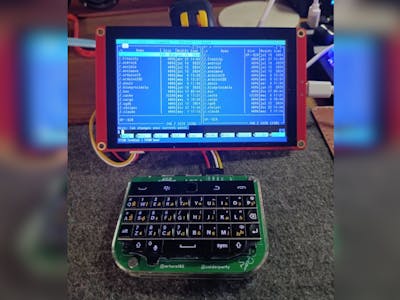
The CYD Gets an Operating System
Roberto Alsina has developed an operating system called ESP-Osito for the Cheap Yellow Displays (CYDs) powered by the ESP32 microcontroller. This OS aims to transform these microcontrollers into affordable personal computing platforms. Costing around $10 and being free and open source, ESP-Osito comes preloaded with useful applications, making it suitable for practical tasks.
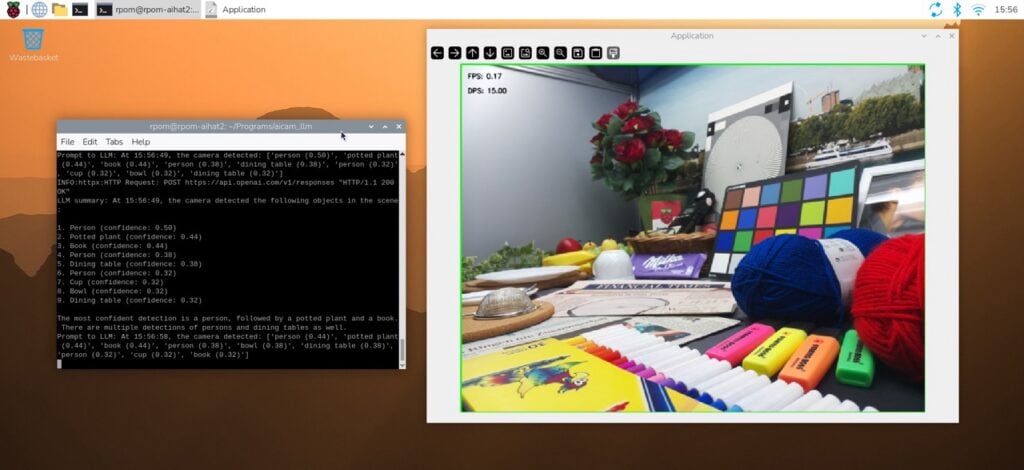
Bringing LLMs to the edge
The article discusses the integration of Large Language Models (LLMs) with the Raspberry Pi AI Camera, creating a new class of systems known as vision-language models (VLMs). By combining real-time object detection capabilities of the AI Camera with the language processing power of LLMs, users can develop systems that interpret and describe the physical world using natural language, all while keeping data processing local and private.

Turn an Espressif ESP32-C3 Dev Board Into a Slick Environmental Monitor — Flashed From Your Browser
LeanMCU has developed an open-source firmware and a custom enclosure to turn Espressif's ESP32-C3 development boards and TE Connectivity's HTU21D environmental sensor into budget-friendly temperature and humidity monitors compatible with Home Assistant. The total cost for building each unit is under $10, making it an affordable solution for those wanting to monitor environmental conditions at home.

Power from Gravity
Gravity batteries utilize the principle of converting kinetic energy into potential energy by lifting a heavy mass and then releasing it to generate electricity. A recent project by [Valeriamayara22] demonstrates a simple model that lifts a 15.65 kg mass to a height of 1.8 meters, achieving a peak output of 13 watts with an efficiency of 58%. While it takes 394 drops of the weight to fully charge an iPhone 16, the model effectively illustrates how gravity-powered energy storage works.
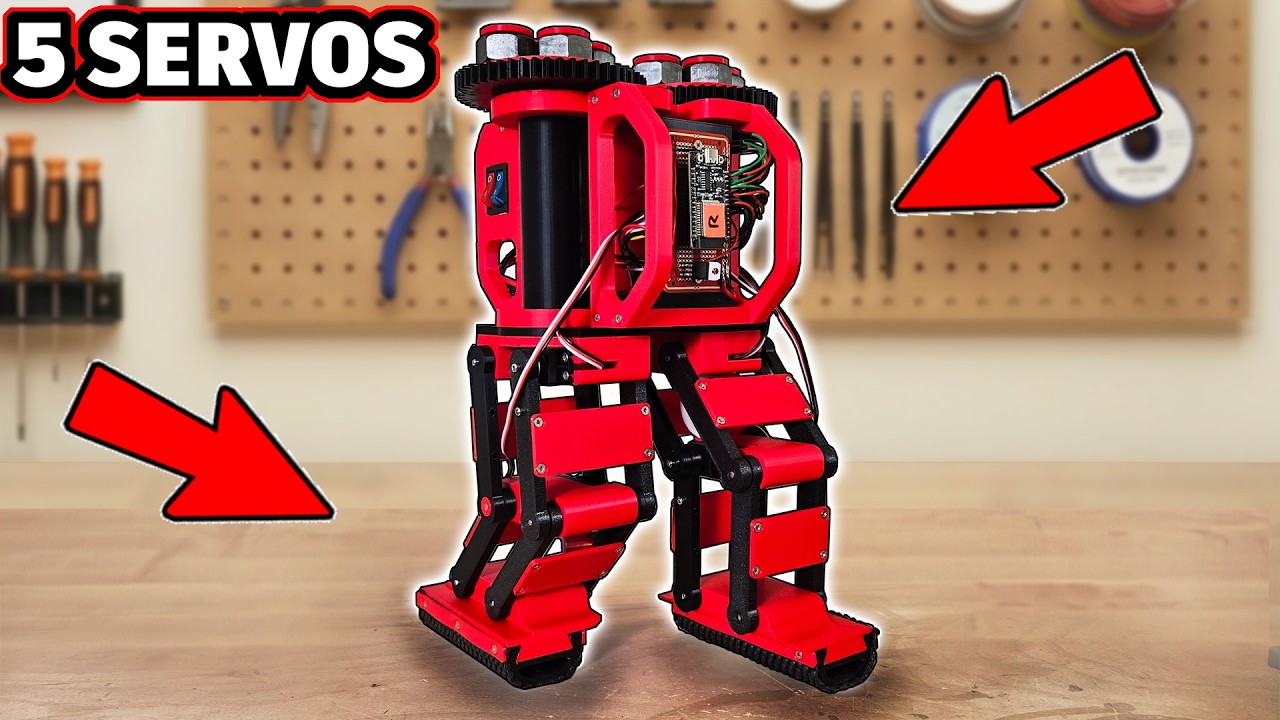
Five Servo Balancing Bipedal Robot
The article discusses a new project featuring a bipedal robot designed to actively balance while walking. This is the third project in a series by the creator, who previously made a mini robot dog and a hexapod. The aim here is to create a two-legged robot that doesn’t rely on large flat feet and can lift its feet properly for walking, rather than shuffling along like simpler toys.
Trinket-Powered Conference Room Occupancy Display
This article discusses a DIY project for creating a conference room occupancy display using Adafruit's Trinket mini-microcontroller. The design addresses a common issue in offices where people often don't know if a meeting room is occupied, leading to interruptions. Instead of relying on expensive commercial solutions that can cost over $400, this project offers a more affordable alternative.

Take the Digital Plunge and Make an ASCII Aquarium
Kert Gartner created a digital ASCII aquarium that runs on the Cheap Yellow Display (CYD), a touchscreen development board featuring a 320x240 display. Unlike traditional aquariums, this project requires no maintenance, allowing users to enjoy animated fish and sea creatures without the hassle of cleaning or feeding. The aquarium is powered by an ESP32 microcontroller, which renders the fish live on the screen, making them swim, school, and chase floating food flakes when you tap the display.
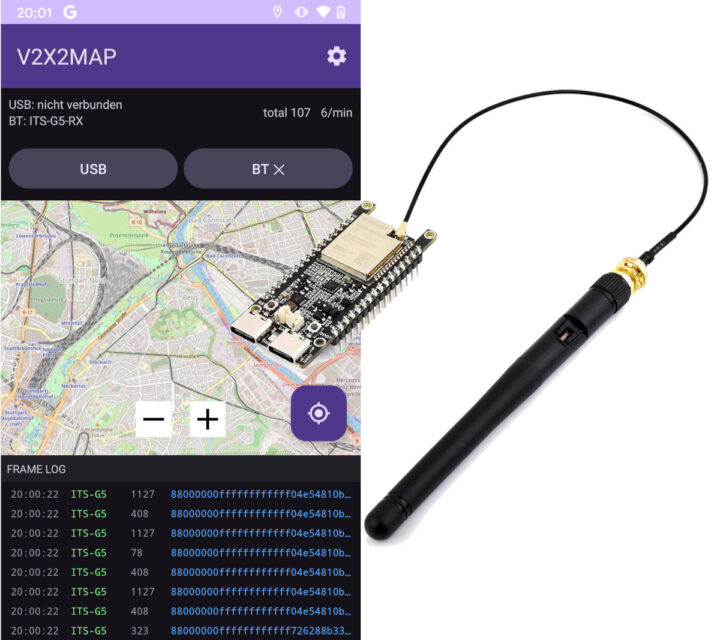
Monitor live traffic from V2X signals with V2X2MAP open-source Android app and an ESP32-C5 development board
The V2X2MAP project combines an open-source Android app with the ESP32-C5 development board to monitor live traffic using Vehicle-to-Everything (V2X) signals. The project was initiated by Peter Holzhauser, who adapted the firmware from an existing ESP32-C5 C-ITS receiver board to work with the Waveshare ESP32-C5-WIFI6-KIT. The V2X2MAP app interfaces with the board, allowing users to connect their Android smartphones with USB On-The-Go (OTG) ports and GPS to visualize nearby traffic signals and nodes.

NeoPixel Tiara
The article describes a fun DIY project to create a light-up tiara using Adafruit’s NeoPixels. This crown of light can add some flair to events like prom or birthday parties, making you the center of attention. The project utilizes the Gemma M0 microcontroller, which is perfect for controlling the NeoPixels and keeping everything compact.
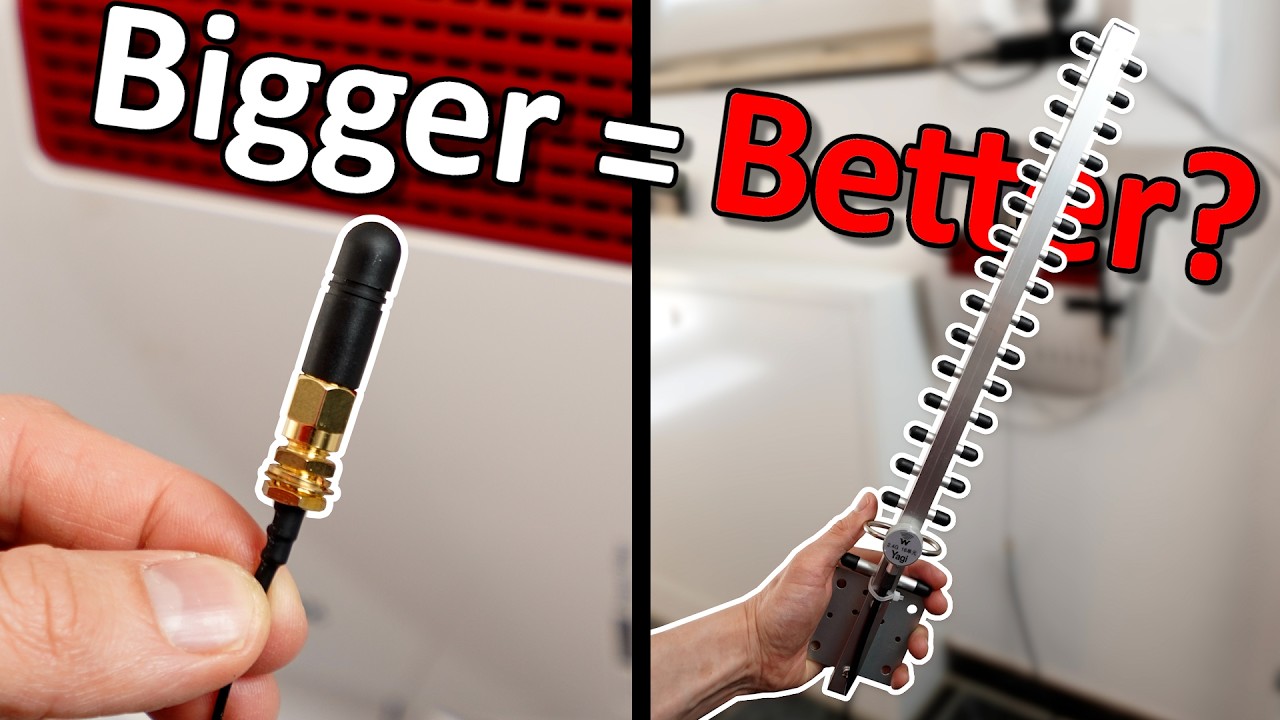
I Found the Secret to WiFi Antennas!
The video dives into the world of 2.4GHz WiFi antennas, explaining their function and exploring various types available on the market. It covers essential concepts like antenna length, resonance, and impedance matching, providing insights into whether bigger antennas really mean better performance. The presenter uses a Seeed Studio Vector Network Analyzer to measure and compare different antennas, including monopole and dipole designs.
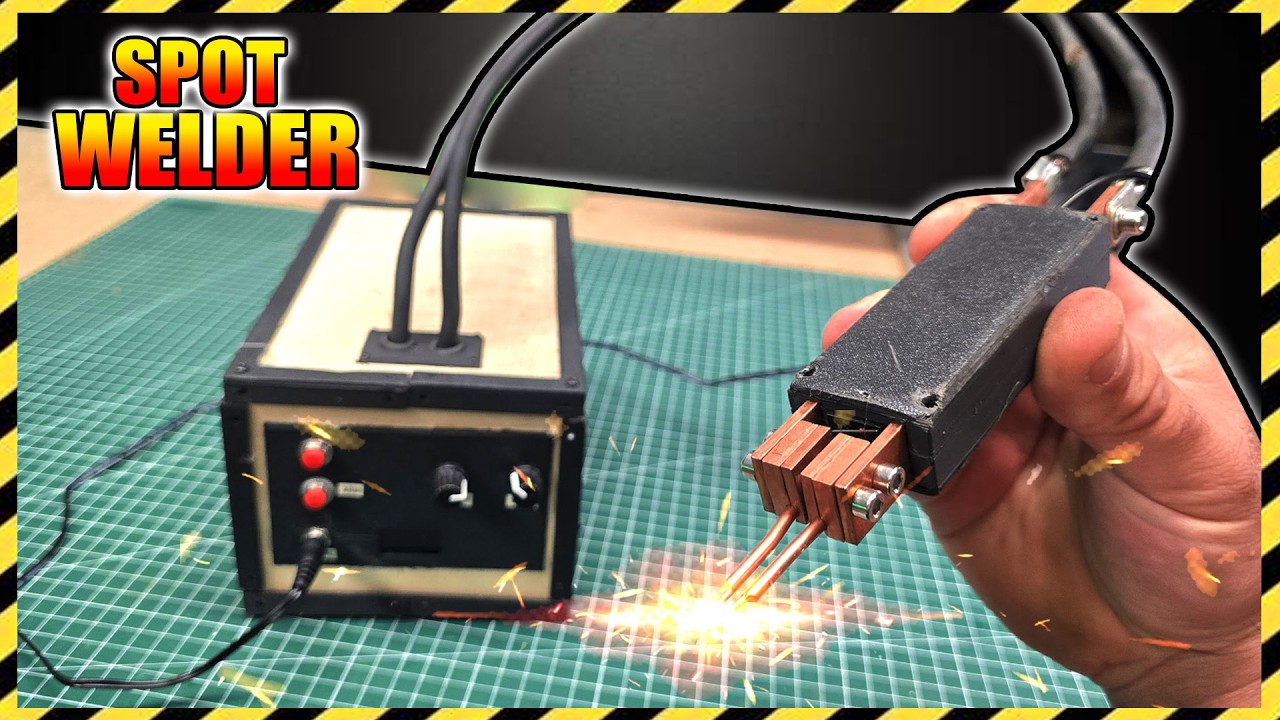
Don't Throw Away Old Microwaves! Build THIS Instead
This article covers a DIY project where you can build a powerful spot welding machine using an old microwave transformer. It walks you through the process of repurposing this common household item into a functional tool for your projects. The video tutorial emphasizes the importance of safely handling high voltage components, making it both a practical and educational experience for those interested in electronics.

Turn your Android phone into a modern ham radio transceiver
The kv4p HT is a homebrew 1-watt radio transceiver designed to plug directly into the USB-C port of an Android phone, effectively turning it into a portable HAM radio. It operates on VHF (Very High Frequency) and UHF (Ultra High Frequency) bands, making it a versatile tool for hobbyist radio enthusiasts. The entire project is open source, providing access to the Android app, ESP32 firmware, PCB designs, and 3D printer files for anyone looking to build or modify their own unit.
Baby's First DDS Signal Generator
The article discusses a DIY project for building a Direct Digital Synthesizer (DDS) signal generator, which is a useful tool for generating various waveforms in electronics testing and development. The creator shares their journey of designing and assembling the device, detailing the components used like the AD9951 chip, which is a key part of the DDS setup that allows for precise control over frequency and waveform shape.
Some Things I Learned Banging My Head Against The Linux Wall While Making a Silly Little Jukebox
The article details a project where the author built a jukebox using Linux, sharing insights and challenges faced during the process. The project involved setting up a Raspberry Pi to serve as the core of the jukebox, utilizing various software tools like MPD (Music Player Daemon) for music playback and a custom web interface for easy navigation.

Old 3D printer becomes new Arduino UNO Q-controlled pen plotter
Elliot Madsen, an engineering student, has transformed an old 3D printer into a pen plotter using an Arduino UNO Q. Pen plotters are devices that move a pen across paper in the X and Y axes, making them ideal for producing large technical drawings. Madsen utilized parts from the 3D printer, including stepper motors and aluminum extrusions, and implemented a CoreXY motion system with a solenoid to lift the pen. He also designed a vacuum table that uses fans to hold the paper in place, eliminating the need for clamps.

Small Engine Gets DIY EFI Upgrade
Carlos Takeshita has upgraded a small internal combustion engine, specifically the popular Predator 212 from Harbor Freight, to use electronic fuel injection (EFI) instead of the traditional carburetor. This project features a missing tooth trigger wheel that helps measure the crankshaft position using a Hall effect sensor, along with a custom-built aluminum fuel cell equipped with a high-pressure fuel pump and a regulator. The setup includes a single fuel injector mounted in a custom intake manifold, all controlled by a Teensy 4.0 microcontroller that monitors a manifold air pressure (MAP) sensor to determine the appropriate fuel delivery.

This Tiny '90s IBM PC Is Actually a Modern E Ink Weather Station
Andrzej Górski has created a unique weather station called the Oldputer, designed to look like a tiny IBM PC from the 1990s. This project stands out from typical weather station builds, which usually feature a single-board computer and an LCD display. Instead, the Oldputer uses an ESP32 DevKit V1 board, paired with a 4.2-inch E Ink display, giving it a retro aesthetic while providing modern functionality.
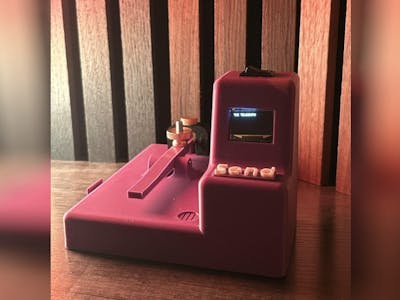
Anthony Marsico's Modernized Take on the Telegraph Turns Morse Code into MQTT Messages
Anthony Marsico, a ninth-grade maker, has modernized the classic telegraph by creating a 3D-printed version that connects to the internet and transmits messages via MQTT (Message Queuing Telemetry Transport). This project retains the iconic Morse key for input but replaces the bulky design with a compact housing that includes a small OLED screen for displaying messages.
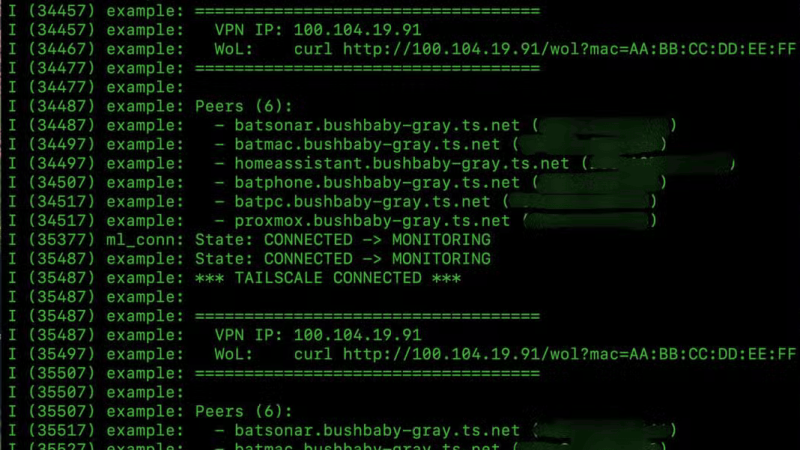
Running a VPN Gateway on an ESP32
The article discusses using an ESP32-S3 microcontroller as a VPN gateway for accessing home networks, presenting it as a viable alternative to the more common Raspberry Pi Zero setup. The project leverages the MicroLink library, which is a Tailscale client implementation designed for the ESP32 family. It highlights the ESP32's advantages, such as faster boot times and lower power consumption, while also noting that setting it up takes longer compared to a Raspberry Pi.

OVCS: Raspberry Pi–powered electric car
The OVCS (Open Vehicle Control System) project has transformed an old VW Polo into a remotely operable electric vehicle using a Raspberry Pi. This initiative aims to break the vendor lock-in typically found in automotive electronics, allowing various components from different manufacturers to work together seamlessly. The project highlights the potential for hobbyists and makers to explore electric vehicle technology without being restricted to proprietary systems.
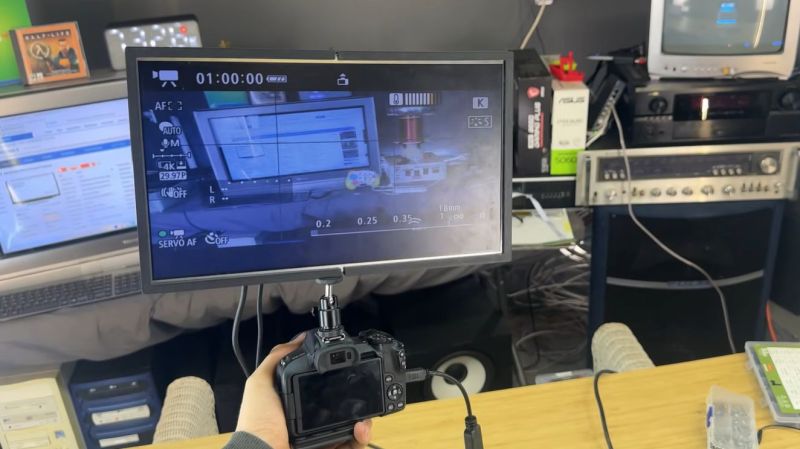
Turning a Junk Laptop Screen Into a Portable Monitor
[ScuffedBits] has created a project where he repurposes old laptop screens into portable monitors. Instead of buying new displays, he salvages panels from discarded laptops, which often still have great quality. The project showcases the potential of giving new life to hardware that would otherwise be wasted.