Rising Edge Digital • Hardware & Embedded Systems for Software Developers
Build Your Own Supernova POV Pixel Poi V2 with Wireless… · ESP32-Powered Talking Smoke Pumpkin · Build a 5.8 GHz FPV Receiver with an ESP32-C5

Build Your Own Supernova POV Pixel Poi V2 with Wireless Controller
The Supernova POV (Persistence of Vision) Pixel Poi V2 is a fun and creative project that allows you to paint images in the air using high-speed DotStar LEDs. Developed by Erin St Blaine, these poi are powered by an Adafruit Feather RP2040 RFM69, enabling them to display colorful patterns as they spin. The project features a custom touchscreen controller that lets you easily browse through image libraries, adjust settings, and sync multiple poi from a distance.
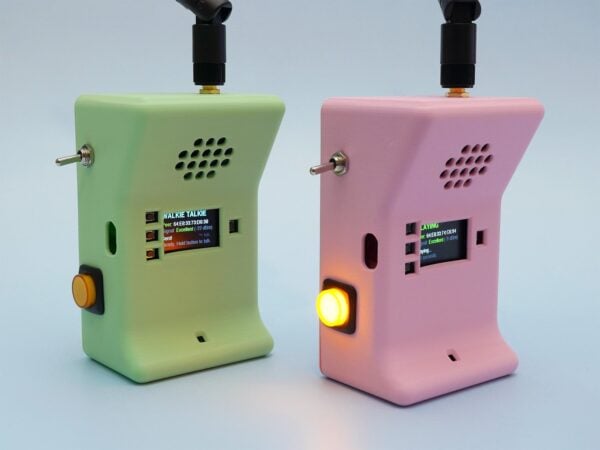
ESP-NOW Walkie Talkies
This article introduces a project for building walkie talkies using the Feather ESP32-S3 Reverse TFT and the ESP-NOW wireless protocol. By leveraging Arduino code, these devices can transmit and receive I2S audio packets, allowing for audio communication lasting up to 10 seconds. The inclusion of a w.FL antenna enhances the range, making them effective for both indoor and outdoor use.
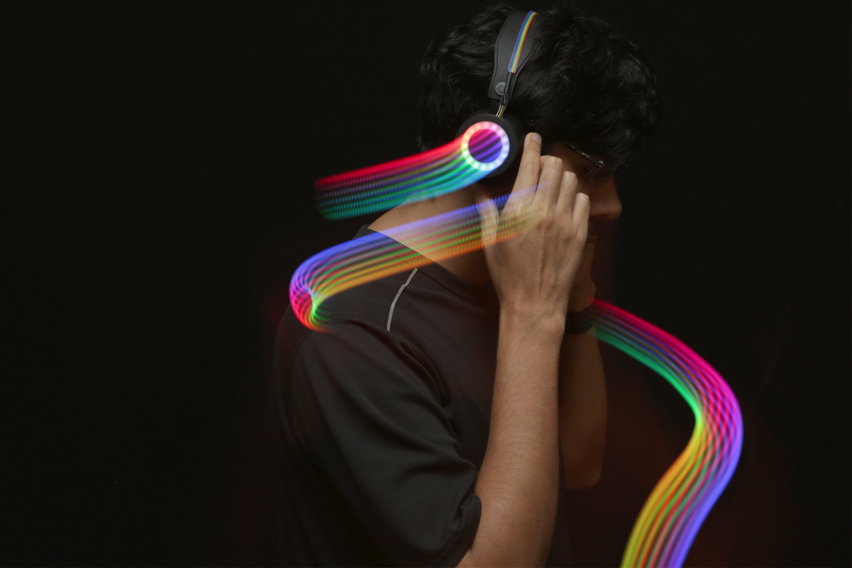
Building Passive Headphones
YouTuber Paul Lagier has created a set of passive headphones using 3D printing technology. The design features customizable 3D-printed ear cups, TPU (thermoplastic polyurethane) seals for comfort, an adjustable headband, and interchangeable side panels. This modular approach not only allows for easy repairs but also lets users personalize their headphones to suit their preferences.

ESP32-Powered Talking Smoke Pumpkin
The article describes a creative Halloween project: a talking smoke pumpkin powered by an ESP32 microcontroller. This spooky jack-o-lantern is made from papier-mâché and features a smoke machine to produce fog, along with an ultrasonic sensor that detects when trick-or-treaters are nearby. Once activated, it unleashes a chilling voice recording and lights up with LEDs, adding an eerie atmosphere to the Halloween festivities.
Build a 5.8 GHz FPV Receiver with an ESP32-C5
C5VRX-5 is an innovative project that turns a Seeed Studio XIAO ESP32-C5 development board into a 5.8 GHz analog FPV (First-Person View) receiver. Developed by a hardware hacker named Leon, this open-source project demonstrates how to leverage the ESP32-C5’s built-in Wi-Fi radio to receive and demodulate video signals, a feat typically requiring specialized radio hardware. The design utilizes custom firmware to process incoming signals, achieving high performance by sampling at 40 million samples per second without taxing the CPU.
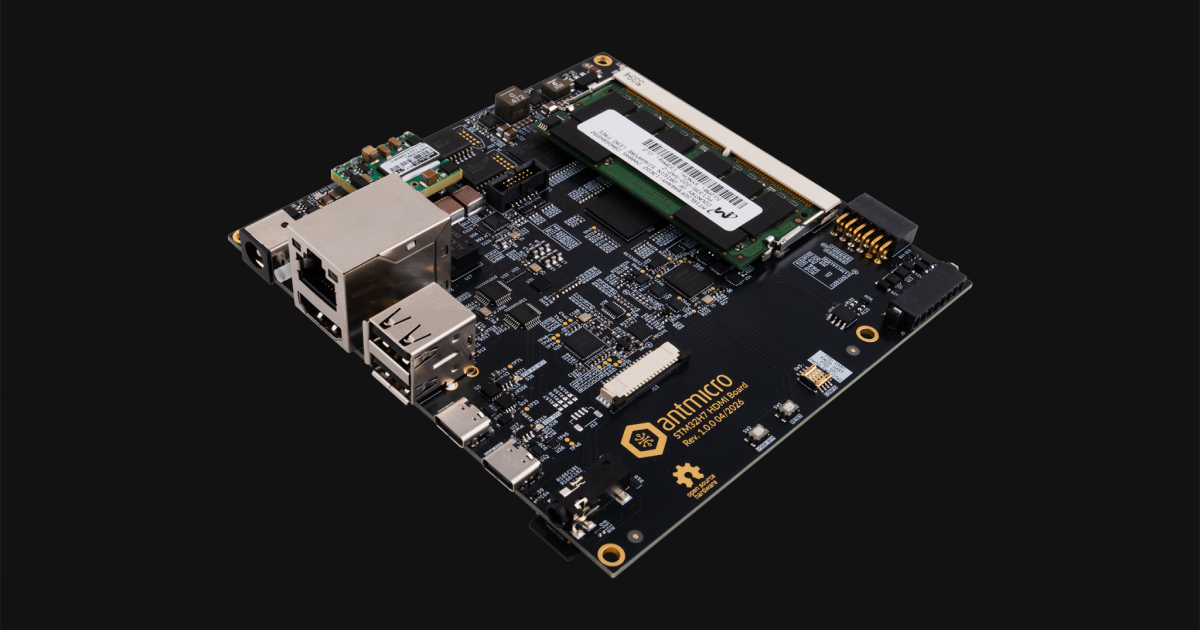
Open hardware STM32H7 HDMI board optimized for rendering graphics on Zephyr RTOS devices
The STM32H7 HDMI Board from Antmicro is an open hardware platform designed for rendering graphics on devices running the Zephyr Real-Time Operating System (RTOS). This board features the STM32H735 microcontroller, which is well-suited for applications that require low-power control alongside user-friendly graphical and audio interfaces. With its DSI/HDMI video output, it enables developers to create prototypes for a variety of smart devices ranging from HVAC control panels to vending machines.
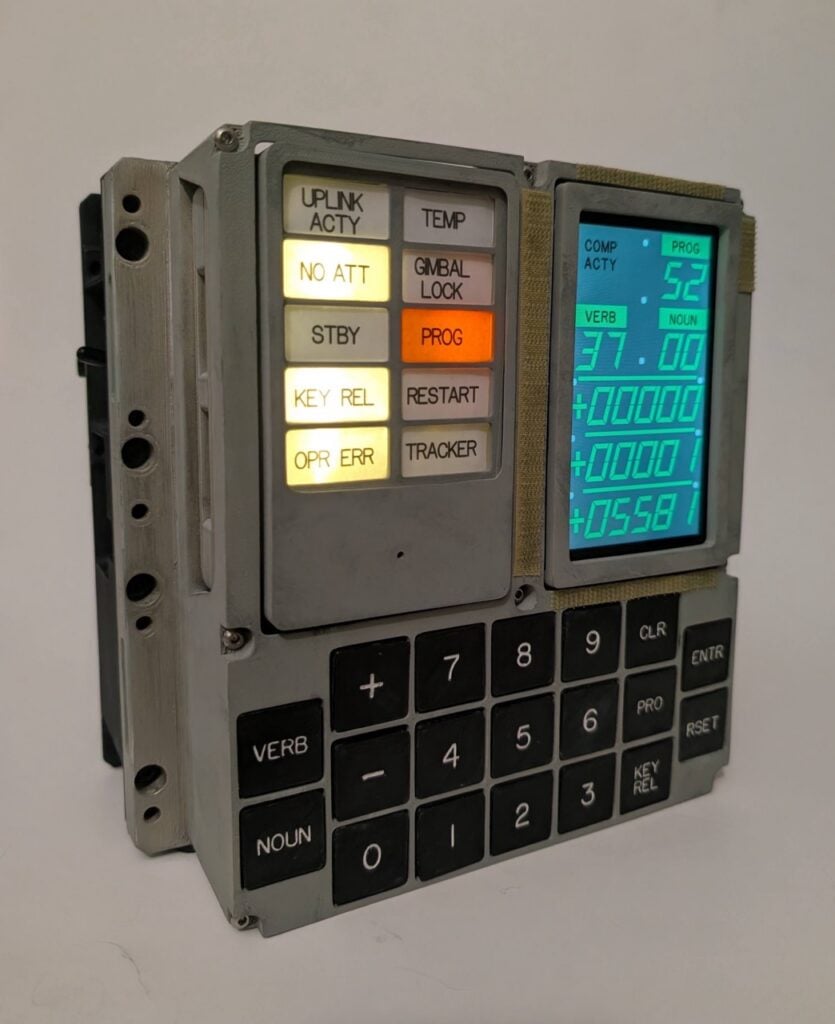
Recreate the Apollo Guidance Computer
Michael Newton, a commercial aircraft avionics engineer, is leading an open-source project called Recreate Apollo to build a replica of the Apollo Guidance Computer (AGC) using modern technology. The AGC, which powered the Apollo missions, had capabilities comparable to an Apple II computer but was crucial for navigation and control during space travel. Newton's project specifically features a 1:1 scale replica of the DSKY (Display and Keyboard) used by astronauts, running on a Raspberry Pi with the Virtual AGC emulator.
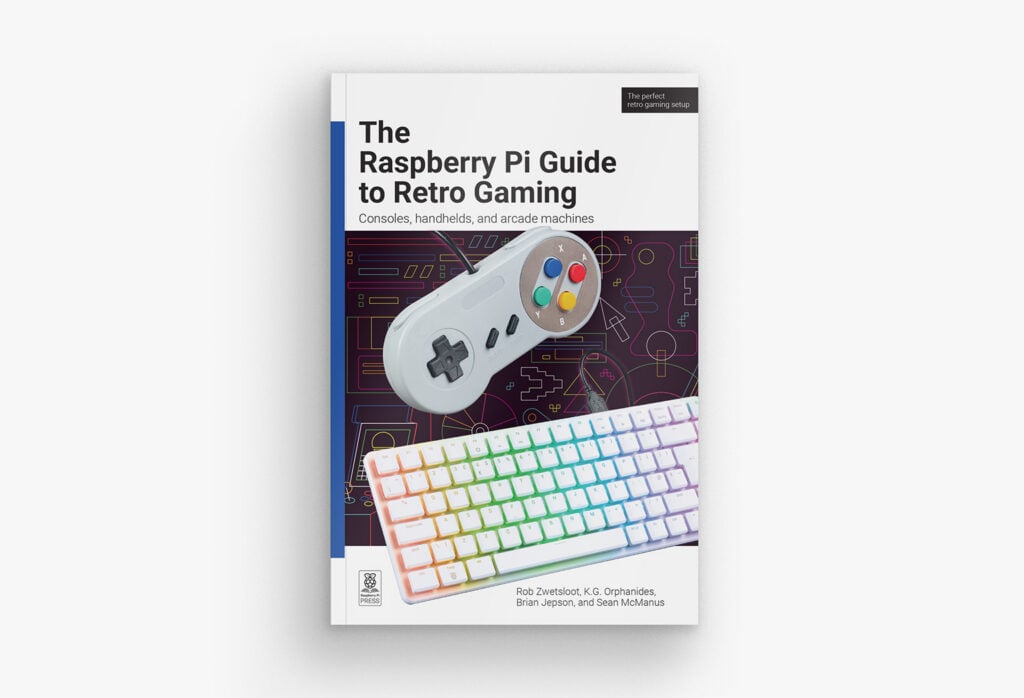
Introducing the Raspberry Pi Guide to Retro Gaming
The Raspberry Pi Guide to Retro Gaming has just been released, providing a comprehensive resource for anyone interested in emulating classic games on Raspberry Pi devices. Since the original Raspberry Pi came out, enthusiasts have been utilizing its capabilities to run games from various retro consoles and computers. The guide offers a range of information, from setting up emulators to building custom gaming machines, including handhelds and arcade cabinets, with tips for optimizing the experience, such as running on CRT TVs.
A Raspberry Pi Pico Halloween
Raspberry Pi has shared some exciting Halloween project ideas featuring the Raspberry Pi Pico, a compact microcontroller that can power spooky decorations and effects. This year's focus is on using the Pico to create engaging projects that can add some flair to Halloween festivities, emphasizing the combination of programming and creativity.
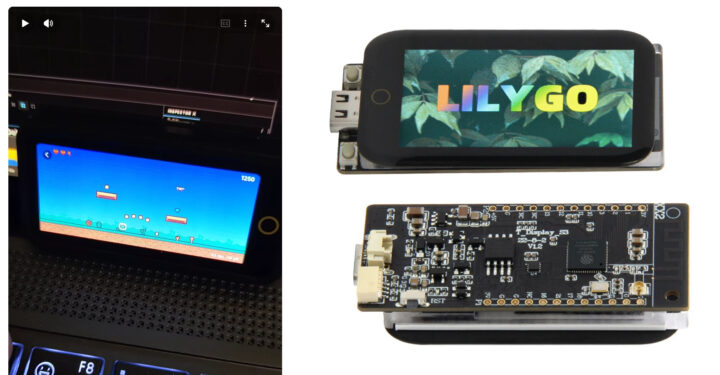
Deki Engine – ESP32 gets an open source Unity-style editor and C++ 2D game engine
Deki Engine is an open-source, modular C++ game engine designed for embedded devices, particularly optimized for ESP32 platforms like the LilyGO T-Deck Plus and T-Display S3 AMOLED. It features a Unity-style visual editor that allows users to create 2D games by building scenes with sprites, text, and other elements, all while running at 60 frames per second on the ESP32-S3. The engine is available for both Windows and Linux, and its development can also be done on desktop through SDL3, which is useful for testing.
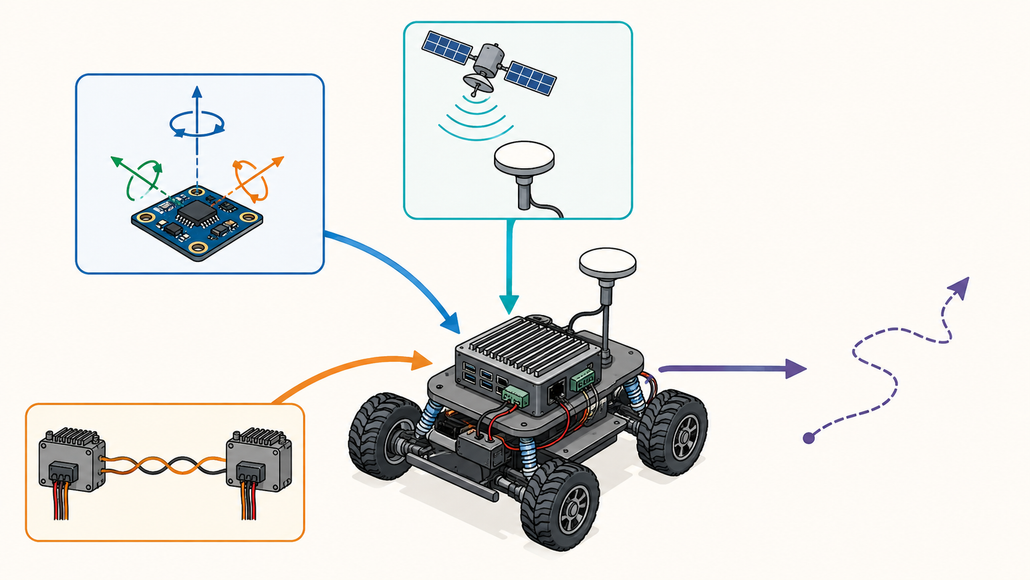
Mobile Robot Full-Stack Development in Practice Ⅲ: How Does a Robot Know It Is Moving? LiDAR, IMU and Sensor Fusion
The article dives into mobile robot development, focusing on how robots determine their movement using various sensors like LiDAR, Inertial Measurement Units (IMUs), and wheel encoders through a process called sensor fusion. It highlights the challenges that arise when a robot is in motion, such as the discrepancies in point cloud data and the complexities of time alignment between different sensors.
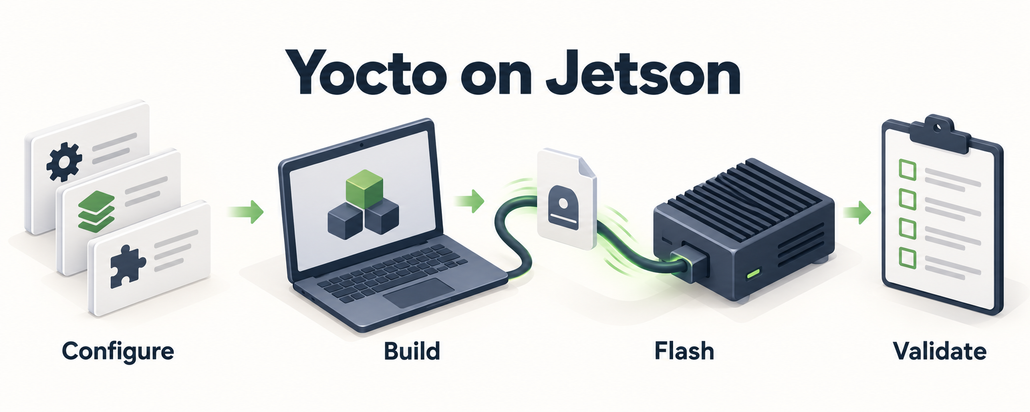
Yocto on Jetson: Build and Flash on Seeed Carrier Boards
The article discusses how to build and flash Yocto images on Seeed's Jetson carrier boards, specifically using the reComputer Super J401 as an example. It emphasizes the importance of maintaining a clear record of the carrier, module SKU, source revision, and image recipe throughout the process. This ensures that other engineers can reproduce the configuration reliably. The Seeed Wiki is referenced as a resource for commands and detailed parameters related to the process.
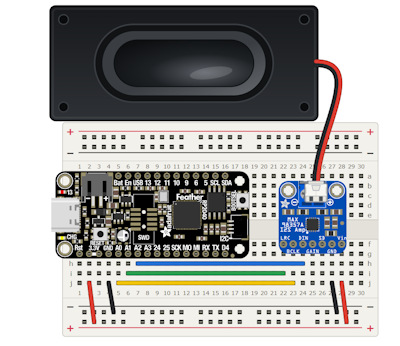
NEW GUIDE: CircuitPython Text to Speech
Adafruit has introduced a new guide for implementing text-to-speech functionality using CircuitPython, the version of Python designed for microcontrollers. This feature allows for speech feedback in various projects, making it a valuable addition for hobbyists and makers. Previously, microcontrollers struggled with the processing power required for speech synthesis, but CircuitPython 11 has changed that.
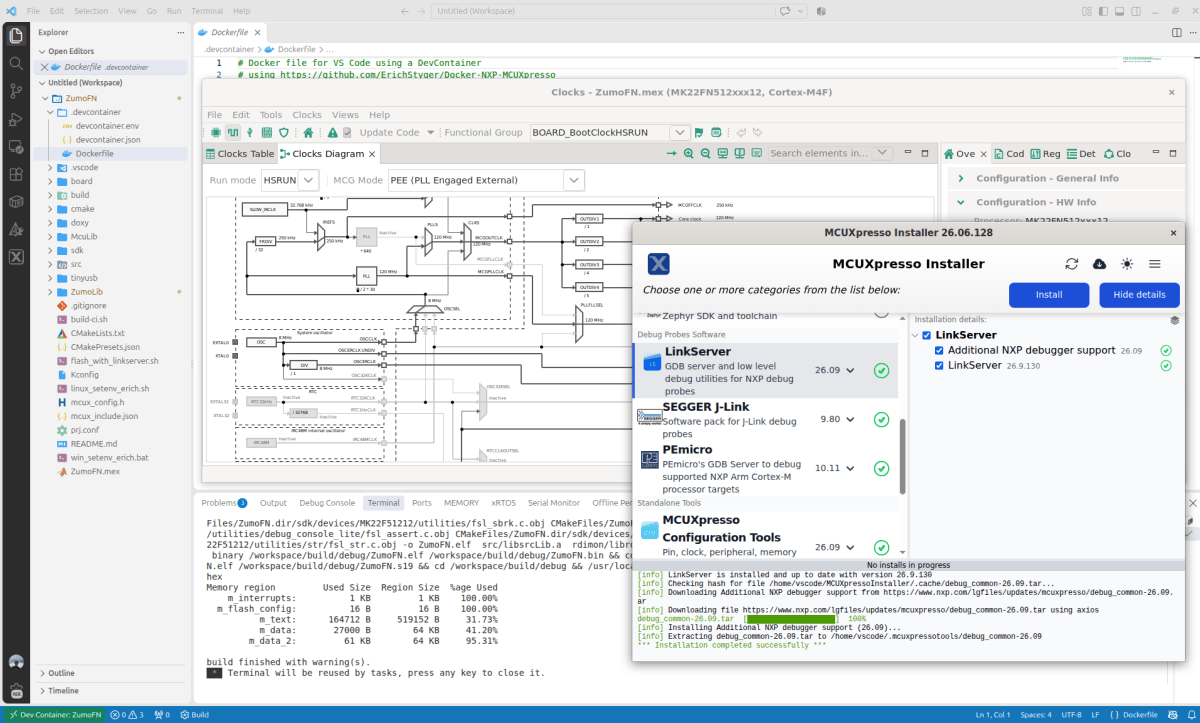
All‑in‑One Docker Image for NXP MCUXpresso, VS Code and CI/CD Pipeline
The article discusses a convenient all-in-one Docker image specifically designed for NXP MCUXpresso tools, along with integration into Visual Studio Code (VS Code) and continuous integration/continuous deployment (CI/CD) pipelines. This setup simplifies the development process for engineers and educators alike by eliminating the complexity often associated with installing and configuring multiple software tools.
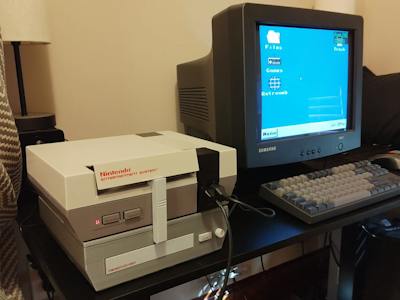
Tired of Playing Games on Your NES? Use It as a Desktop PC Instead
Throaty Mumbo has transformed the classic Nintendo Entertainment System (NES) into a functioning desktop PC. This project builds on a previous one where he added a CD drive to the NES, highlighting the unique way cartridges interact with the system's CPU. Unlike CD-based systems that load data into memory, NES cartridges directly interface with the CPU, allowing for innovative repurposing.