Rising Edge Digital • Hardware & Embedded Systems for Software Developers
CircuitPython Goes Turbo With Precompiled Functions · Building smarter AMRs with the Arduino VENTUNO Q board · What Is LoRa Mesh?
CircuitPython Goes Turbo With Precompiled Functions
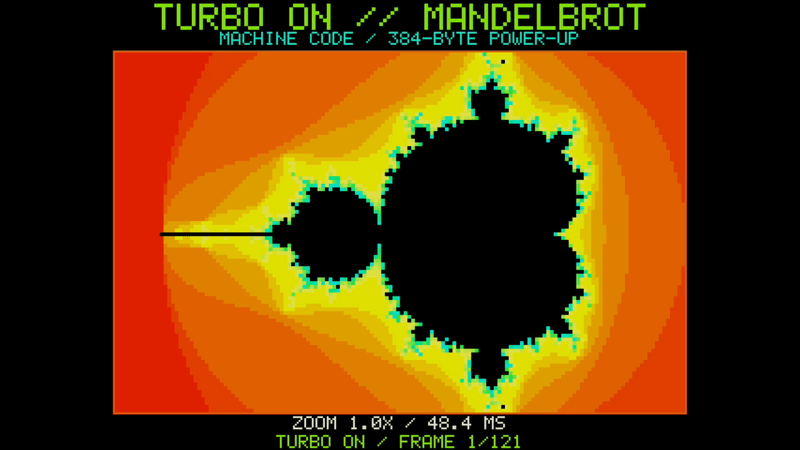
CircuitPython has introduced a new feature called CircuitPython Turbo, which allows for pre-compilation of functions to enhance performance. This is especially beneficial since CircuitPython, like its predecessor MicroPython, has historically been an interpreted language, making it slower for executing code. With Turbo, developers can flag specific sections of their code to run in ‘native’ mode for about a 3x speedup, or even utilize ‘viper’ mode for a remarkable 20x to 70x performance boost, depending on how they adapt their code.

Re-creating NASA’s Heat Shield Problem
The article discusses a project by [polymatt] where he attempts to recreate the heat shield used in NASA’s Orion capsule after its recent mission revealed significant damage upon re-entry. The project involves creating samples that mimic the segmented structure of the actual heat shield, using materials specified by NASA. This DIY approach aims to understand the failure mechanisms that occurred during the capsule’s return to Earth.
Rusting an E-scooter (In a Good Way)
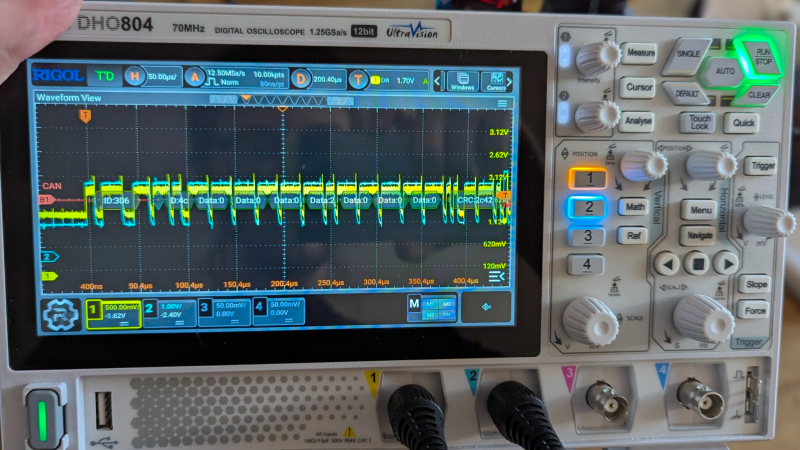
Ben Simms tackled the firmware issues of his Egret GT E-scooter by reverse-engineering its system and rewriting the firmware in Rust. His goal was to fix a vulnerability that allowed accidental entry into firmware update mode without a security PIN. Using reverse engineering techniques, he analyzed the Bluetooth mobile app and found hidden data that the official firmware didn't display, motivating him to overhaul the existing software.
Driving 512 LEDs from a Nintendo Switch: ESP32, WS2812, and a 240fps
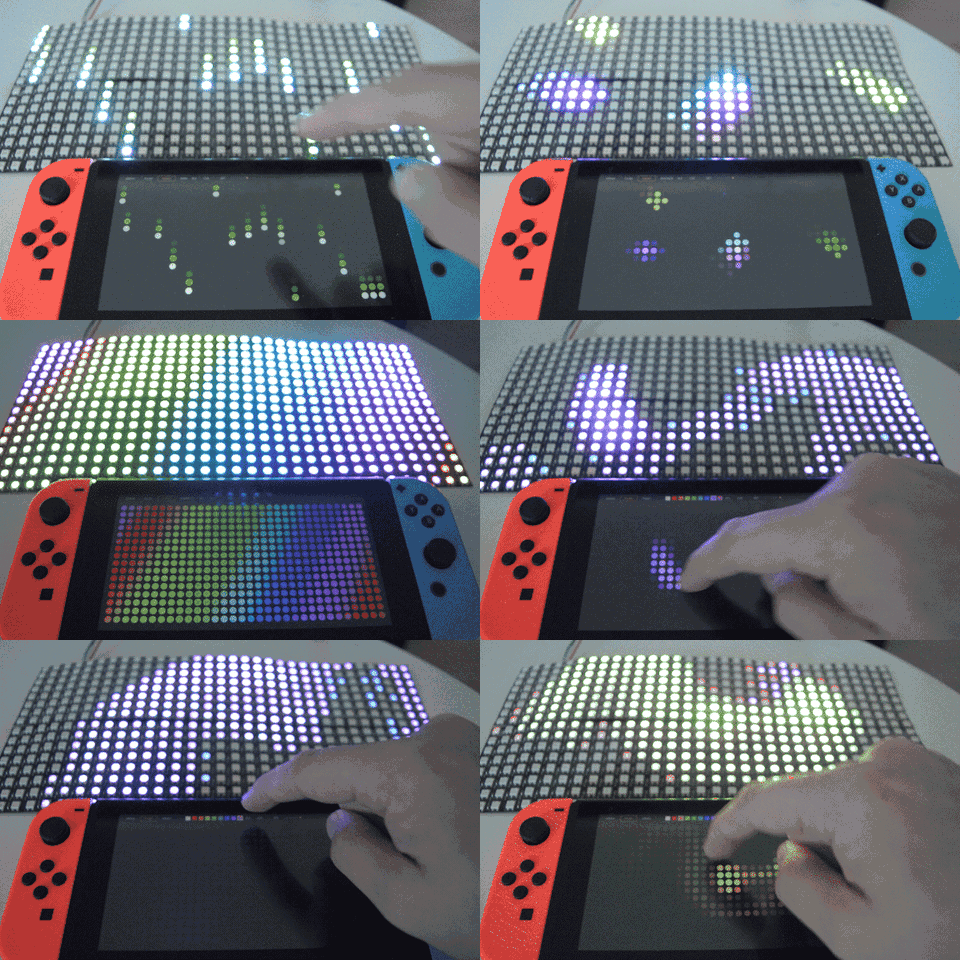
Brewser is a homebrew web runtime designed for modded Nintendo Switch consoles, enabling users to drive a 512-LED WS2812 matrix through an application called Matrix Studio. This app allows you to create pixel art and animations that are streamed live to the LED matrix using an ESP32 microcontroller over USB serial.
Adafruit Bluefruit LE UART Friend
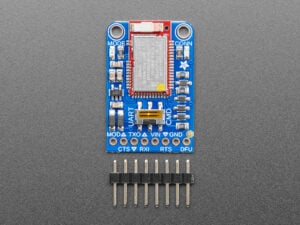
The Adafruit Bluefruit LE UART Friend is a compact module that simplifies adding Bluetooth Low Energy (BLE) connectivity to various electronic projects. It interfaces easily with any hardware or software serial port, making it a versatile choice for connecting to microcontrollers like Arduino or for debugging via an FTDI cable. The inclusion of hardware flow control helps ensure that data integrity is maintained during communication, which is crucial for reliable operation.
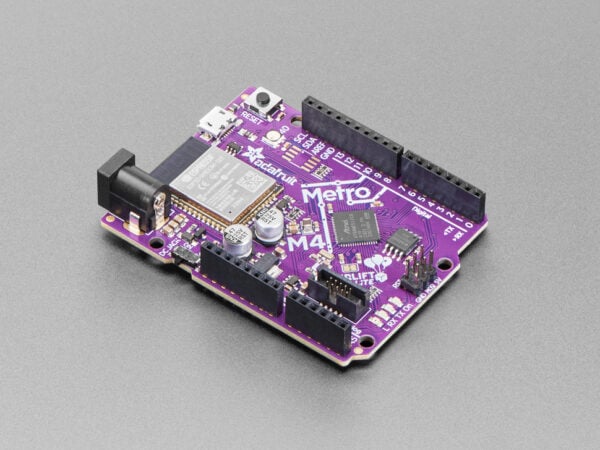
UPDATED GUIDE: Adafruit Metro M4 Express AirLift Lite #NoCode #WipperSnapper #AdafruitLearningSystem @Adafruit
The article provides an updated guide for the Adafruit Metro M4 Express AirLift Lite, a powerful microcontroller featuring the Microchip ATSAMD51, which operates at 120MHz and supports floating-point operations. This board comes with a built-in WiFi module that simplifies wireless connectivity, as it handles TLS and socket connections, complete with pre-loaded root certificates. It maintains compatibility with existing Metro shields, making it easy to integrate into various projects.
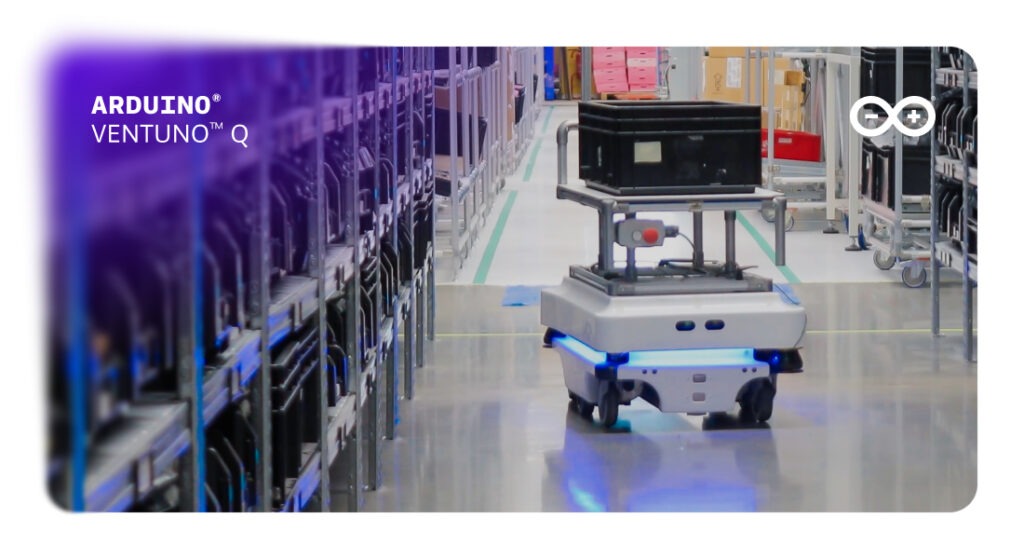
Building smarter AMRs with the Arduino® VENTUNO™ Q board
The Arduino VENTUNO Q board integrates two types of computing—Linux and a microcontroller unit (MCU)—on a single platform, making it ideal for building smarter autonomous mobile robots (AMRs). This dual architecture allows for high-level tasks like navigation and computer vision to be handled by the Linux-capable microprocessor unit (MPU), while the MCU manages time-sensitive operations such as motor control and sensor feedback. This setup simplifies development by reducing the need for multiple boards and complex integration tasks.
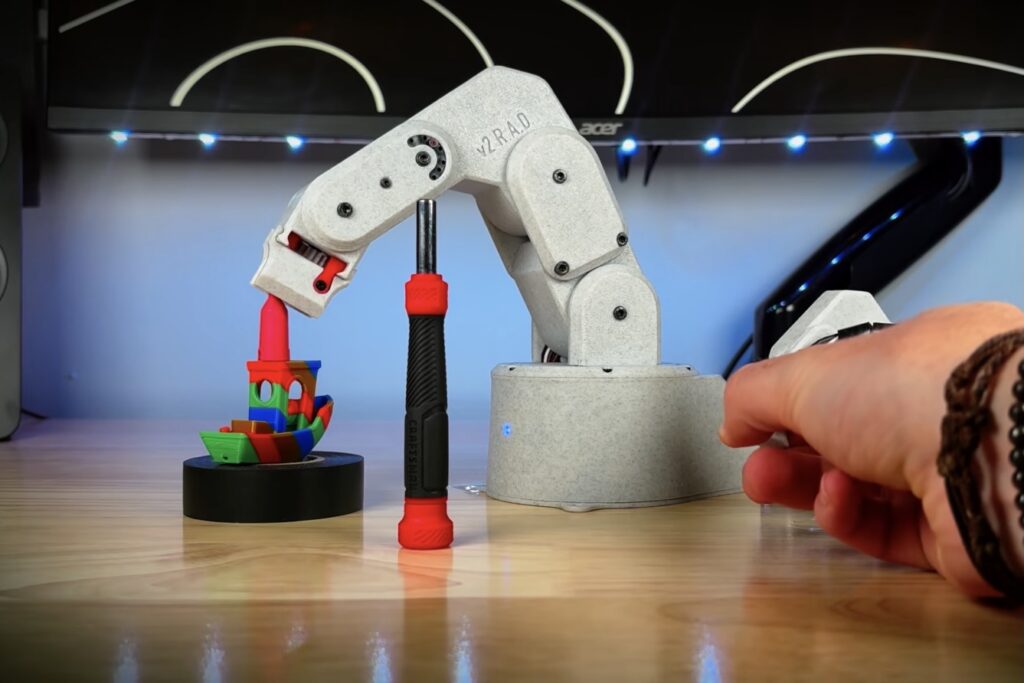
Redesigning a popular robotic arm
Kelton Serra has redesigned a popular robotic arm that simplifies control using a puppet-style interface. This design allows users to move a special input device that mimics the arm's movements, making it more intuitive than traditional programming methods. The new version retains the original's basic concept but incorporates several enhancements for better performance and ease of assembly.

This smart boxing band takes advantage of the new Arduino Nesso N1
Manivannan has created a Smart AI Boxing Band using the Arduino Nesso N1, a powerful development board that features a full-color touchscreen and a variety of sensors. This wearable device is designed to help boxers improve their performance by tracking both their physical movements and biometric data, such as heart rate. While the Nesso N1 can handle most of the functionality on its own, Manivannan added a pulse sensor to monitor the user's heartbeat in real time.

Build, Audit, and Ship on Jetson with NVIDIA Skills + JetPack 7.2: BSP and Device Skills, Signing, and Trustworthy Jetson Production
NVIDIA's JetPack 7.2 introduces a structured approach to embedded projects on Jetson devices, focusing on two main areas: pre-flashing (BSP-side skills) and post-boot operations (device-side skills). The article highlights the importance of proper customization during the BSP phase to avoid common pitfalls that can lead to bricked devices. Key skills like pinmux customization, memory optimization, and image validation are essential to ensure that the device boots correctly and operates efficiently.
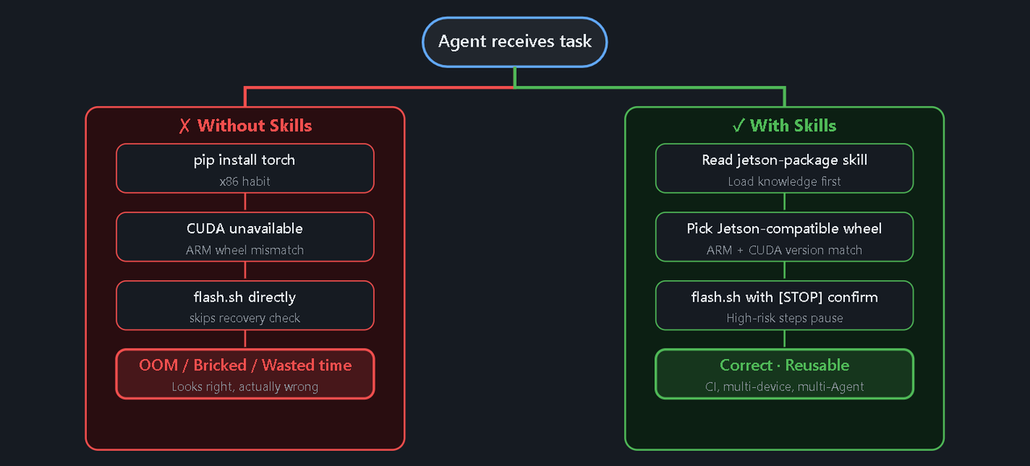
Build, Audit, and Ship on Jetson with NVIDIA Skills + JetPack 7.2: Why Your Coding Agent Hallucinates on Jetson (and How NVIDIA Skills Fixes It)
The article discusses the challenges of using AI coding agents to develop applications for NVIDIA's Jetson platform, particularly when building projects like a vehicle-speed detector. Often, coding agents provide generic commands that can lead to unexpected failures due to the unique hardware environment of Jetson devices. Problems can arise from using CPU-only libraries, mismatches in software versions, and varying memory availability based on the specific Jetson model and its configuration.

What Is LoRa Mesh? A Practical Guide to Networks, Modules, and Meshtastic Devices
LoRa mesh networking is a system that allows low-power radios to communicate across multiple nodes, enabling messages to be relayed even if a direct connection isn't available. This is particularly useful in areas where traditional communication methods like cellular and Wi-Fi fail. The mesh functionality is achieved through specific firmware and protocols, such as Meshtastic, rather than the LoRa technology itself, which primarily handles long-range radio transmission.
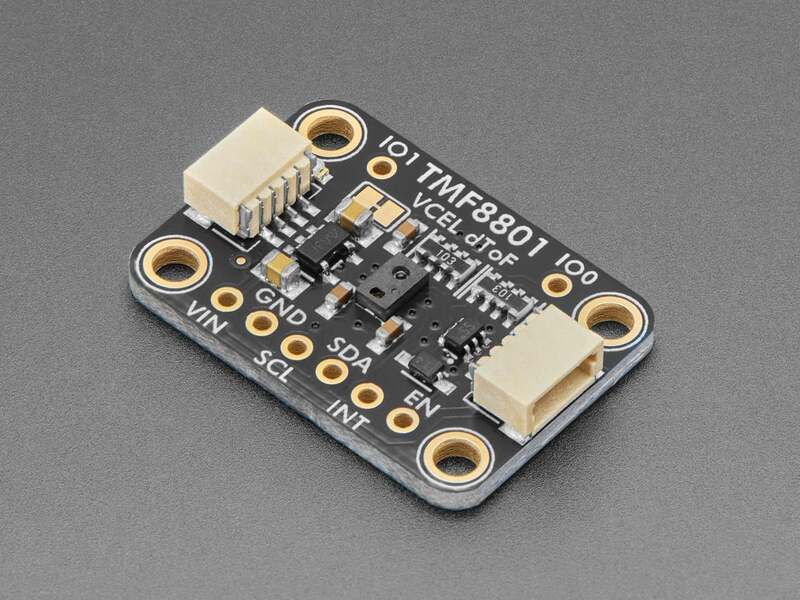
NEW GUIDE: Adafruit TMF8801 Time of Flight Distance Sensor #AdafruitLearningSystem @Adafruit
The Adafruit TMF8801 Time of Flight Sensor is a compact distance measurement device from ams Osram, capable of measuring distances from 20mm to 2.5 meters at a 33 Hz update rate. This sensor uses an invisible laser for distance measurement, which provides a narrow sensing cone and avoids common issues found in other distance sensing technologies, like non-linearity and double imaging.
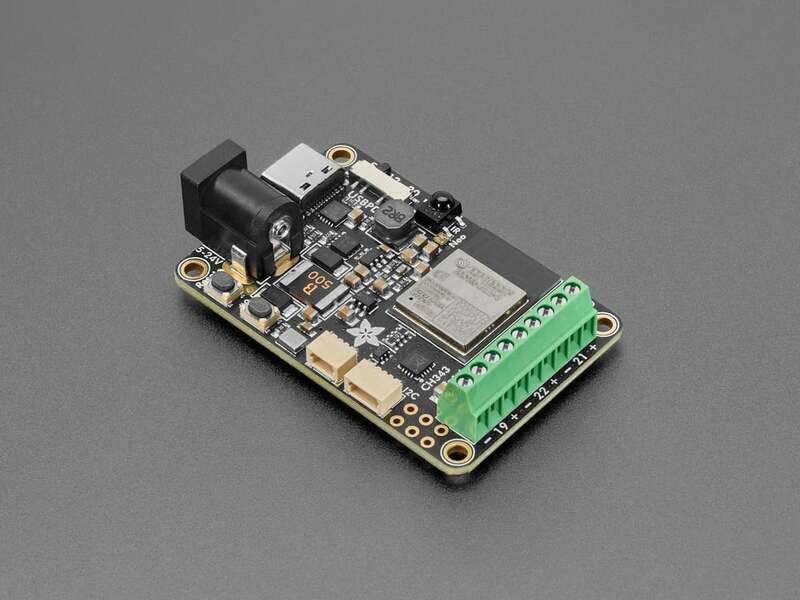
UPDATED GUIDE: Adafruit Sparkle Motion #NoCode #WipperSnapper #AdafruitLearningSystem @Adafruit
The Adafruit Sparkle Motion is a small, WLED (WiFi-enabled LED) friendly smart LED driving board, designed to make LED projects easier and more accessible. The updated guide for this board includes comprehensive information on getting started, now incorporating the Adafruit WipperSnapper platform, which allows for no-code control of your LED projects.
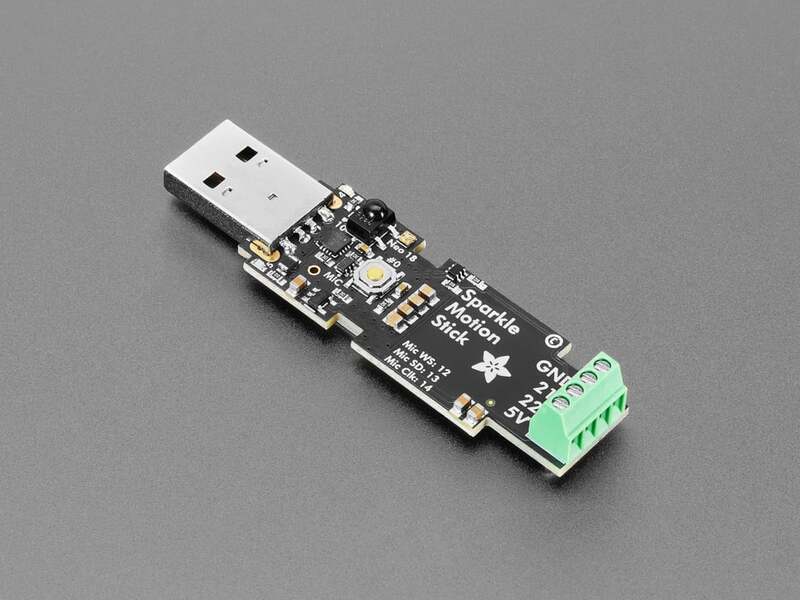
UPDATED GUIDE: Adafruit Sparkle Motion Stick #WipperSnapper #NoCode #AdafruitLearningSystem @Adafruit
The Adafruit Sparkle Motion Stick is a compact and user-friendly smart LED driving board designed for WLED (a popular LED control library). This USB Stick version is a simplified iteration of the full-featured Sparkle Motion board, making it easy to integrate into projects. It supports USB Type A power input up to 5V 2A, allowing for portable use with standard USB battery packs.