Rising Edge Digital • Hardware & Embedded Systems for Software Developers
Easy Theremin Uses ESP32 · Installing Docker on the Raspberry Pi · PCB Copper Pours 101 - Phil's Lab
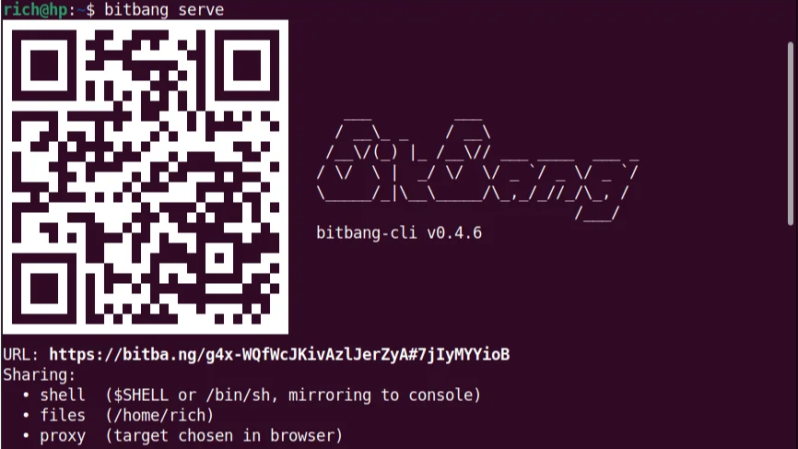
Get a Remote Terminal With One Binary, One URL, and Zero Config
BitBang is a remote terminal solution that allows users to establish an encrypted peer-to-peer connection without the need for complex configurations like VPNs or port forwarding. With just a single static binary executable, users can generate a QR code or URL to share, enabling remote access to a terminal in a web browser. This framework, created by Rich LeGrand, also supports file transfers and access to web applications on the target machine's network.
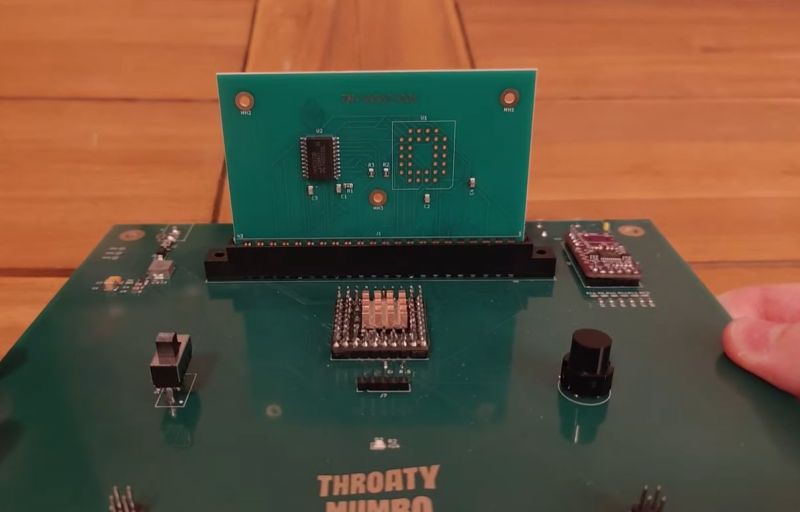
Making a Retro(ish) Game Console From Scratch
[Throaty Mumbo] has embarked on an interesting project to create a retro-style game console, dubbed the Game Console V2. This build focuses on traditional gaming hardware, using modern microcontrollers but intentionally avoiding contemporary features like SD card support or VGA output. Instead, it utilizes proper cartridges with ROMs and outputs composite AV signals, reminiscent of classic gaming setups.
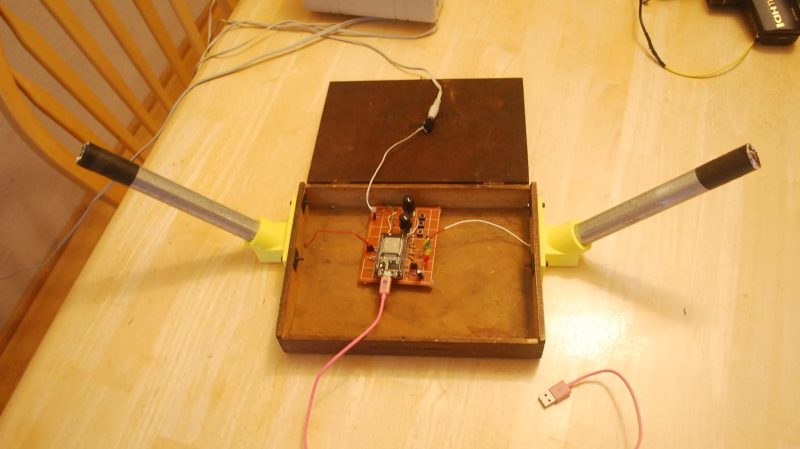
Easy Theremin Uses ESP32
The article discusses a modern approach to building a Theremin, the iconic electronic musical instrument known for its eerie sounds featured in classic sci-fi films. The project, created by [ericCycles], primarily utilizes an ESP32 microcontroller, which simplifies the construction by minimizing additional circuitry.
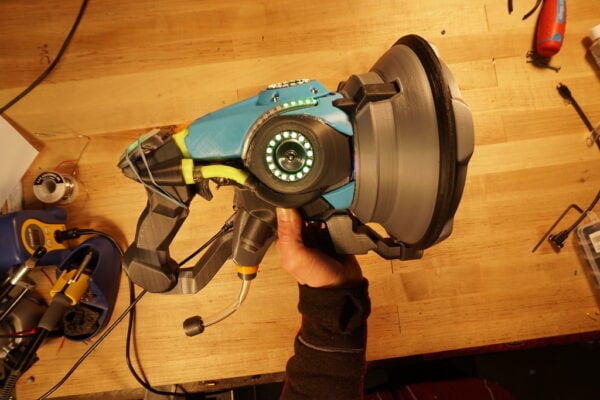
Overwatch Prop Gun: Lucio’s Blaster #AdafruitLearnGuide
The article details a comprehensive guide for building a prop replica of Lucio's Blaster from the game Overwatch. It’s broken down into three parts, focusing on different aspects of the construction process, including circuit design, integration, and final assembly. Each section is crafted by John Park and includes specific steps to help you create a fully functional prop with lights, sound effects, and music.

That Project: A Standalone Rubik’s Cube Solver
That Project has created a standalone Rubik's Cube solver using an ESP32-S3 microcontroller. This device is completely handheld and offline, meaning it doesn't require a phone, cloud service, or PC to operate. It features a built-in camera that scans the Rubik's Cube and uses OpenCV, a computer vision library, to detect the colors on each side.
Installing Docker on the Raspberry Pi
The article details the process of installing Docker on a Raspberry Pi. Docker is a tool that enables OS-level virtualization, allowing developers to run software in isolated environments called containers. This setup enhances security and resource management since the software inside a container can only access what the Docker runtime permits.
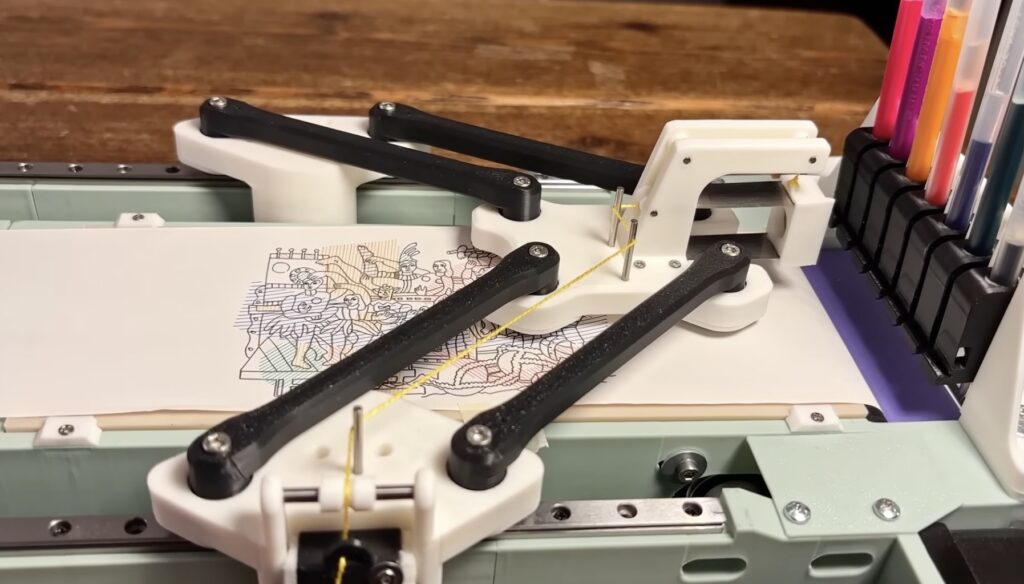
This DIY pen plotter has delta kinematics and a tool changer
This article covers a unique DIY pen plotter created by András Vujovits that utilizes delta kinematics instead of the more common Cartesian movement. Delta kinematics employs two parallel arm linkages that allow for precise positioning by moving carriages relative to one another, enabling the pen plotter to draw anywhere within its defined workspace with some clever math.
A Dual 38W Power Amplifier: A Compact STA540-Based Stereo Audio Board
This article outlines a project to create a compact dual-channel power amplifier module using the STA540 audio amplifier integrated circuit (IC) from STMicroelectronics. The amplifier is capable of delivering 38 watts per channel into 4-ohm speakers, making it suitable for various audio applications where space is at a premium.
Make a Smart Home – The Raspberry Pi Official Magazine, Issue 167 @rpimagazine
The article in the Raspberry Pi Official Magazine, Issue 167, focuses on building a smart home using Raspberry Pi as a central controller. It outlines how to automate various electronic devices, integrating both off-the-shelf hardware and custom creations powered by the Raspberry Pi Pico W. The approach emphasizes creating a unified platform for home automation.

How to Deploy Local LLMs for Embedded Software Development: Hardware Selection and Trade-offs
This article focuses on deploying local Large Language Models (LLMs) for embedded software development, specifically addressing how to choose the right hardware and the trade-offs involved. The author builds on previous discussions about key terms related to LLMs, like parameters and quantization, and illustrates how these concepts influence hardware decisions.
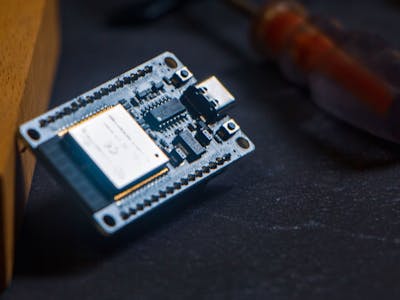
Running a 28.9M Parameter LLM on an $8 Microcontroller
A developer has successfully run a 28.9 million parameter language model on an ESP32-S3 microcontroller, which costs just $8. This impressive feat challenges the typical notion that powerful GPUs are necessary for operating large language models (LLMs). The ESP32-S3 features only 512KB of SRAM, 8MB of PSRAM, and 16MB of flash storage, yet the entire model operates locally without any cloud support. It generates text at about 9.5 tokens per second, displayed on a small screen connected to the board.
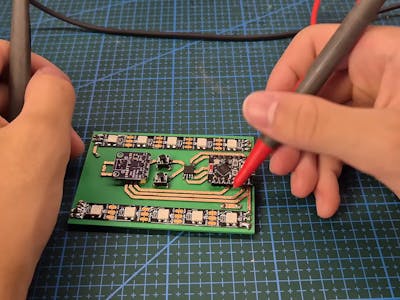
This 3D Printing Method Might Be the Easiest Way to Get a Functional PCB
Mecharonix has developed a straightforward method for 3D printing functional printed circuit boards (PCBs) at home. This approach focuses on creating operational PCBs rather than high-quality ones, making it accessible for hobbyists without requiring specialized equipment beyond a 3D printer. Notably, it allows for the creation of double-sided PCBs and includes the option for vias.
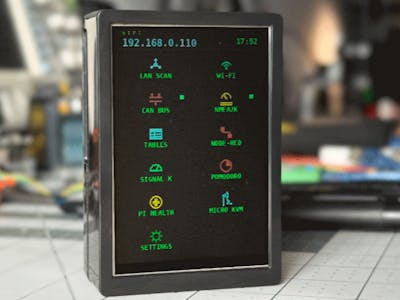
The Pocket-Sized Panel Built to Simplify Your Workbench
Scott McLeslie has developed a compact device called Scottina, designed to streamline the diagnostic process for engineers. Built around a Raspberry Pi 5 and featuring a 3.5-inch touchscreen, this pocket-sized panel provides a simplified interface that focuses on only the essential controls and information needed for various tasks, eliminating the clutter of traditional diagnostic tools.
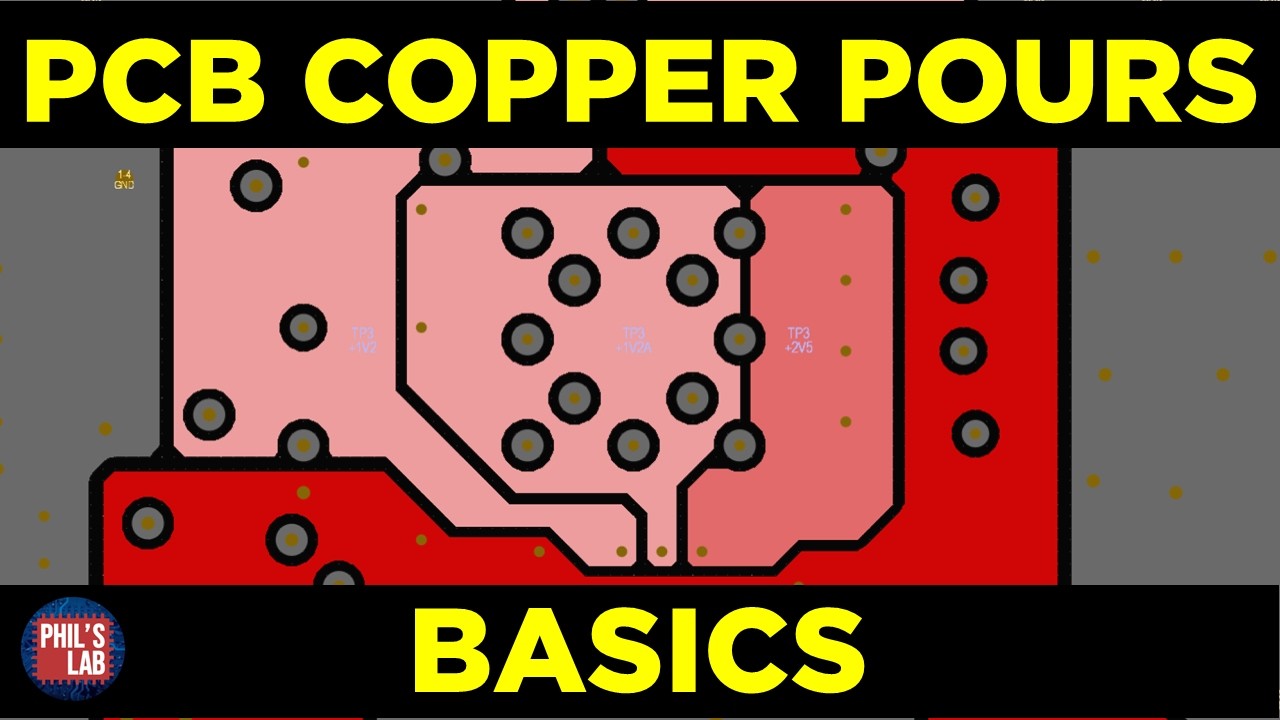
PCB Copper Pours 101 - Phil's Lab #176
The video "PCB Copper Pours 101" by Phil's Lab dives into the fundamentals of copper pours, also known as polygon fills, in printed circuit board (PCB) design. It covers essential design rules, the importance of thermal relief to manage heat dissipation, and how to maintain copper balance across different layers of a PCB. Phil breaks down the pour order, explaining how to prioritize fills to avoid potential design issues.

I Tried to Clone My Car Key… But It Didn’t Go to Plan!
The video explores the process of cloning RF (Radio Frequency) remotes, focusing on practical applications like duplicating a car key. Using tools such as a Software Defined Radio (SDR), a Flipper Zero—a versatile hacking tool—and an ESP32 microcontroller, the creator embarks on a hands-on journey to understand how these devices communicate and whether it's feasible to replicate their signals.