Rising Edge Digital • Hardware & Embedded Systems for Software Developers
Build a Privacy-Focused Smart Doorbell with Arduino · A Precision Multi-Sensor Data Acquisition Module · Turn a Raspberry Pi Into a Portable Commodore 64
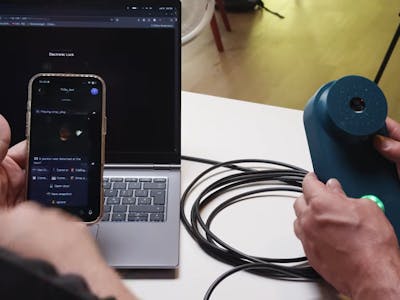
Build a Privacy-Focused Smart Doorbell with Arduino
The article outlines a project where an open-source smart doorbell is built using an Arduino UNO Q, designed to prioritize user privacy by keeping all data local. Unlike conventional video doorbells that send footage to the cloud, this system runs AI models on the device itself, detecting when someone is at the door and sending a snapshot to the homeowner via Telegram.

A Music Box With A Very Modern Heart
Shiela Dixon has taken a traditional ballerina music box and transformed it into a modern marvel by integrating a microcontroller and audio playback system. The original music box used a simple clockwork mechanism with a comb and drum to produce sound, but Dixon replaced the comb with her new setup, allowing for a much larger repertoire of music. Instead of just playing pre-recorded tracks, her system samples each note from the original mechanism and plays them back in a way that mimics the traditional music box experience.
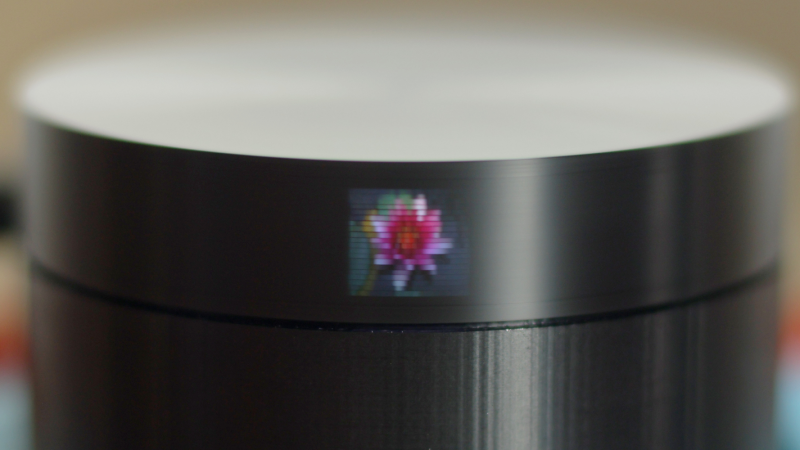
Scanwheel: A Pocket-Sized POV TV
The Scanwheel is a pocket-sized television that uses the persistence of vision effect to display images. Created by a maker known as Ancient, this innovative project combines a spinning disk and LEDs to generate visuals in a compact form. Instead of the traditional bulky screens we're used to, the Scanwheel leverages a Raspberry Pi Pico microcontroller to manage motor speed and LED timing, along with a small stepper motor and motor driver.
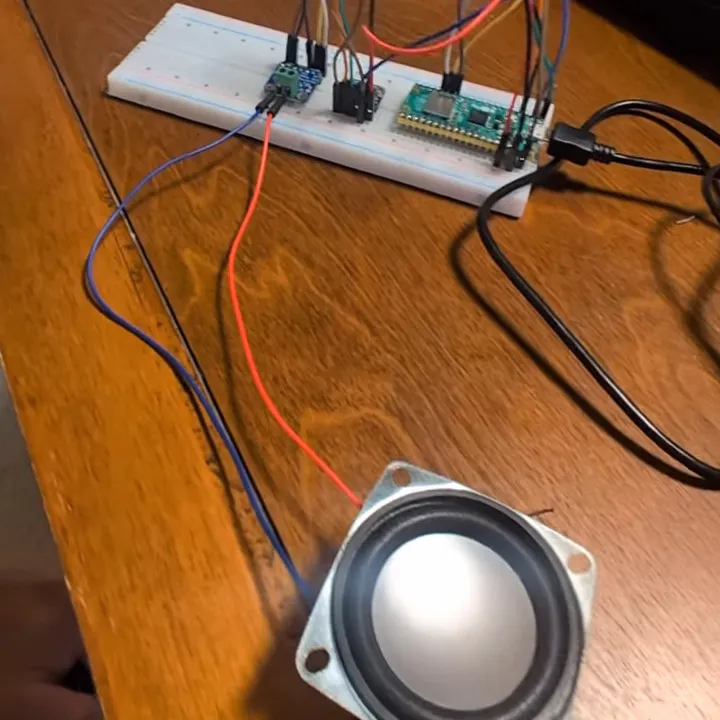
Voice Recognition and Speech Synthesis on an RPi Pico 2
Pete Warden is developing a voice recognition and speech synthesis system that runs entirely on a Raspberry Pi Pico 2, a microcontroller known for its low cost and compact size. The project utilizes an Adafruit I2S MEMS Microphone Breakout for audio input and an Adafruit I2S 3W Class D Amplifier Breakout for audio output. This setup allows for basic voice functionality without relying on cloud services or powerful processors, which is a significant step forward in making voice interfaces more accessible.
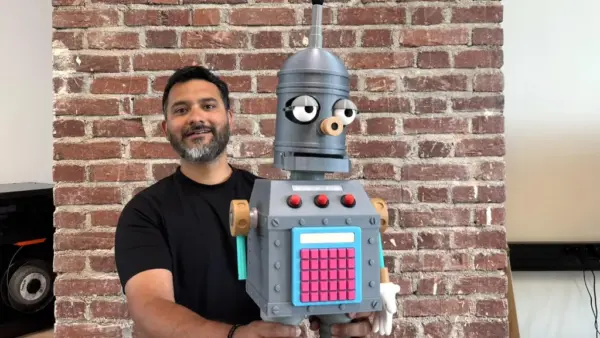
3D Printed Linguo #piday #raspberrypi @Raspberry_Pi
Carlos3DPrint has created a real-life version of Linguo, the grammar robot from *The Simpsons*, using a combination of 3D printing, artificial intelligence, and a Raspberry Pi. This project is inspired by the character that Lisa builds for a school science fair, designed to listen to people and correct their language mistakes. Carlos aimed to replicate this functionality in a physical robot that can move, talk, and help improve English grammar.
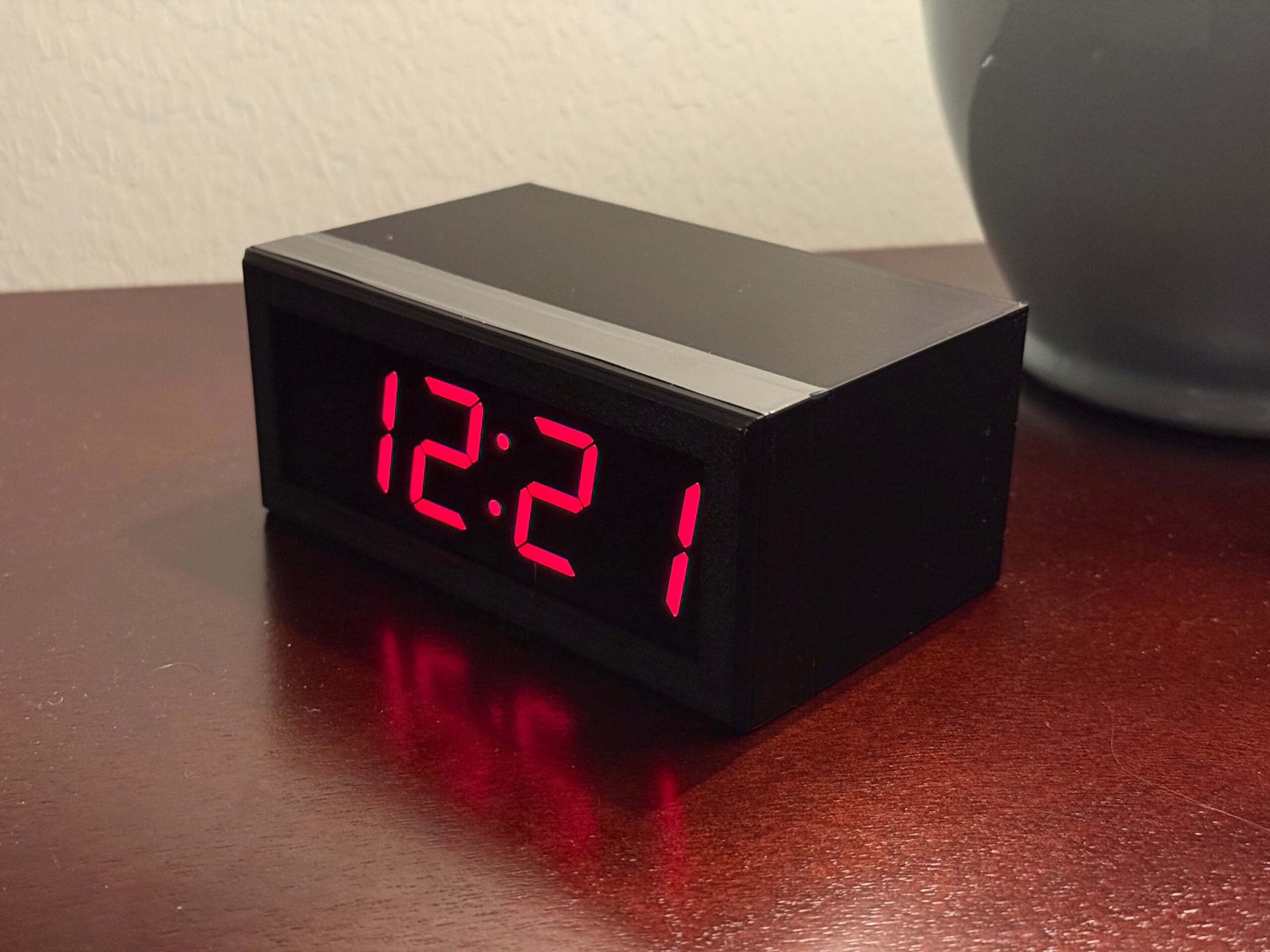
The “Simply” Perfect Clock #piday #raspberrypi
Lee Hutchson wanted a simple clock that never needed setting, specifically a red seven-segment display that could automatically sync with an atomic time source. After failing to find a ready-made solution that met all his requirements, he decided to build his own clock using a Raspberry Pi, a 3D printer, and a red 1.2” four-digit seven-segment display with an I2C backpack.
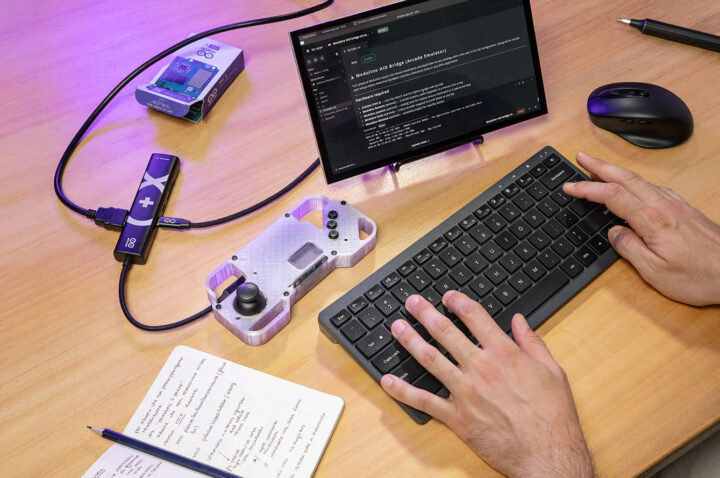
Arduino UNO Q Arcade bundle lets you build a custom retro gaming console for about $90
The Arduino UNO Q Arcade bundle is a kit that enables you to create a custom retro gaming console for around $90. It includes an Arduino UNO Q single-board computer (SBC) with 4GB of storage and a set of Modulino I2C modules that simplify the process of building your own game controller without the need for complex wiring. The kit's design leverages Qwiic connectors, allowing users to daisy-chain various input modules, making it easy to connect and configure them.

A Precision Multi-Sensor Data Acquisition Module
The article discusses a custom-built low-noise, 32-bit delta-sigma analog-to-digital converter (ADC) board centered around the ADS1262 chip. This design incorporates 10 channels and features integrated signal conditioning tailored for various sensors like resistance temperature detectors (RTDs), thermocouples, and strain gauges.
NEW LEARN GUIDE: Sampling Keyboard with Fruit Jam #CircuitPython #AdafruitLearningSystem @Adafruit
The article introduces a new project called the USB sampling keyboard, inspired by the classic Casio SK-1. This device allows users to record audio samples via a microphone and then play them back at various pitches using a MIDI keyboard. If you’re not familiar with playing keys, it also supports MIDI file playback, enabling you to play entire songs with just a single button press.
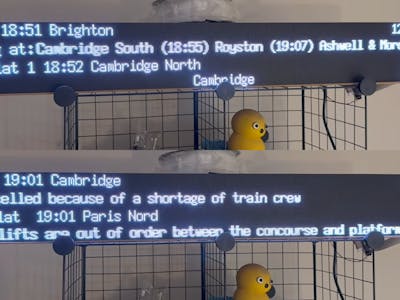
Build Your Very Own UK Train Departure Schedule Display
This article outlines a project by Jon Morris Smith to create a functional train departure board using a Raspberry Pi and an LED matrix display. The setup pulls live data from the UK’s Rail Data Marketplace to show train schedules, making it useful for both train enthusiasts and daily commuters.
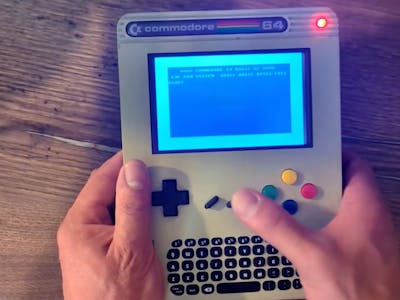
Turn a Raspberry Pi Into a Portable Commodore 64
YouTuber Retro Dad has created a DIY handheld version of the iconic Commodore 64 (C64) using a Raspberry Pi 3 Model B. This project combines modern technology with retro gaming by featuring a physical keyboard, gaming controls, and authentic joystick ports, all housed in a custom 3D-printed enclosure. The build is entirely open source, complete with printable case files, wiring diagrams, and a detailed guide for anyone interested in recreating it.

Scanwheel: a drum style mechanical television you can build yourself
Scanwheel is a DIY mechanical television project that uses a drum-style design to create images. The project is hosted on GitHub, where you can find all the necessary resources to build your own version. At its core, Scanwheel employs a rotating drum with slits and light sources to produce a moving image, reminiscent of early 20th-century mechanical televisions.
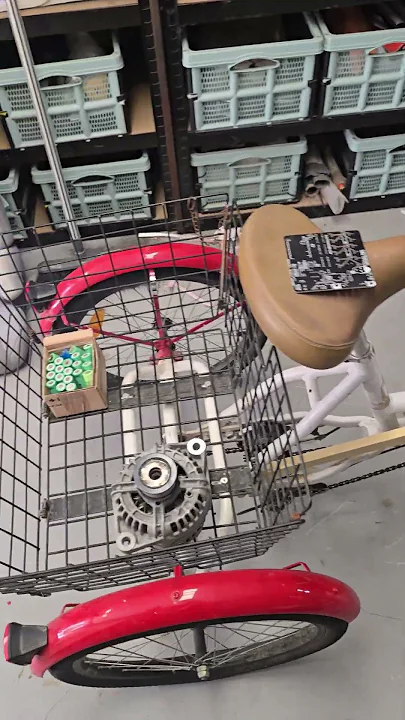
Next Project - Homemade electric bike
This article showcases a DIY project where a homemade electric bike is built, featuring a unique combination of components and innovative design choices. The creator, using readily available materials, demonstrates how to convert a traditional bicycle into an electric one. Key aspects include the integration of an electric motor, a battery pack, and a simple control system that allows for easy operation.
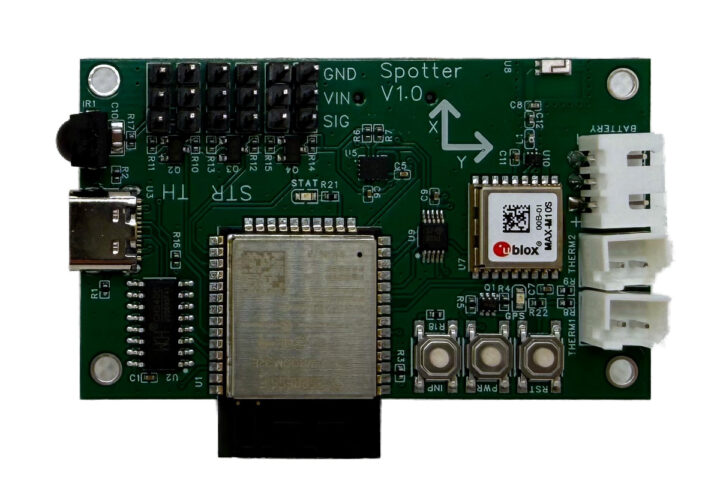
Open RC Spotter is an open-source ESP32 telemetry and data logger for RC cars and toys
Open RC Spotter is an open-source telemetry and data logging system specifically designed for remote-controlled (RC) cars and toys. Created by Jake Wachlin from Energy Labs, it utilizes the ESP32 microcontroller to log various performance metrics, including GPS position, acceleration, gyroscopic data, steering, throttle, battery voltage, temperature, and lap timing. This data is stored on a microSD card, and it also supports live telemetry via Wi-Fi and ESP-NOW, enabling real-time monitoring of your RC vehicle’s performance.
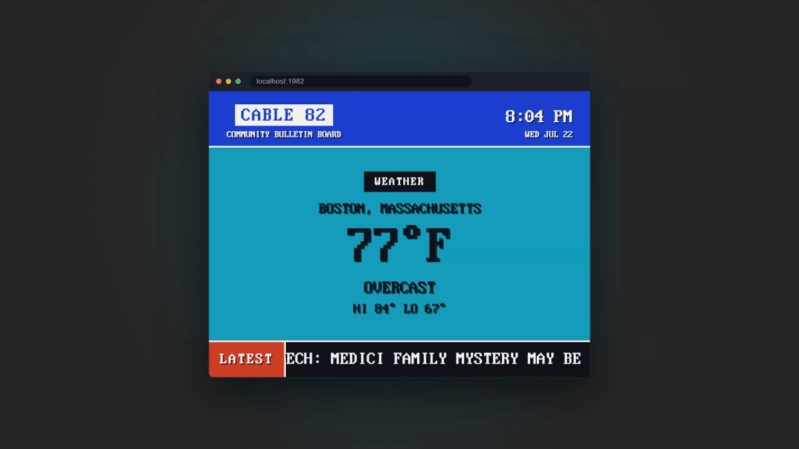
Neighborhood Bulletin Boards, circa 1982
CABLE 82 is a project by Hans that revives the concept of neighborhood bulletin boards from the 1980s, using modern technology to create a community-focused video channel. Instead of the old character generators, he employs a Raspberry Pi running custom software to manage the video feed and content for the bulletin board. This setup allows users to utilize older televisions with yellow composite video outputs, bypassing the need for HDMI to RF converters, which is a nice touch for those wanting to keep things authentic.