Rising Edge Digital • Hardware & Embedded Systems for Software Developers
Small Engine Gets DIY EFI Upgrade · Running a VPN Gateway on an ESP32 · Moon and Tide Clock with E Paper and Raspberry Pi

Small Engine Gets DIY EFI Upgrade
Carlos Takeshita has upgraded a small internal combustion engine, specifically the popular Predator 212 from Harbor Freight, to use electronic fuel injection (EFI) instead of the traditional carburetor. This project features a missing tooth trigger wheel that helps measure the crankshaft position using a Hall effect sensor, along with a custom-built aluminum fuel cell equipped with a high-pressure fuel pump and a regulator. The setup includes a single fuel injector mounted in a custom intake manifold, all controlled by a Teensy 4.0 microcontroller that monitors a manifold air pressure (MAP) sensor to determine the appropriate fuel delivery.
Running a VPN Gateway on an ESP32
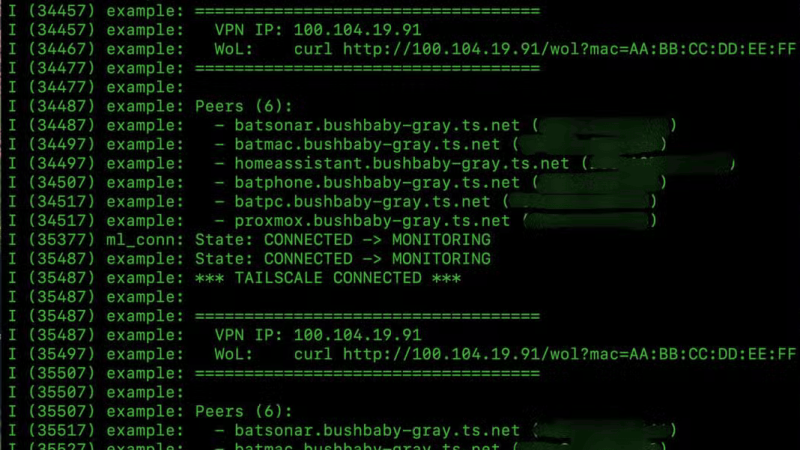
The article discusses using an ESP32-S3 microcontroller as a VPN gateway for accessing home networks, presenting it as a viable alternative to the more common Raspberry Pi Zero setup. The project leverages the MicroLink library, which is a Tailscale client implementation designed for the ESP32 family. It highlights the ESP32's advantages, such as faster boot times and lower power consumption, while also noting that setting it up takes longer compared to a Raspberry Pi.
Turning a Junk Laptop Screen Into a Portable Monitor
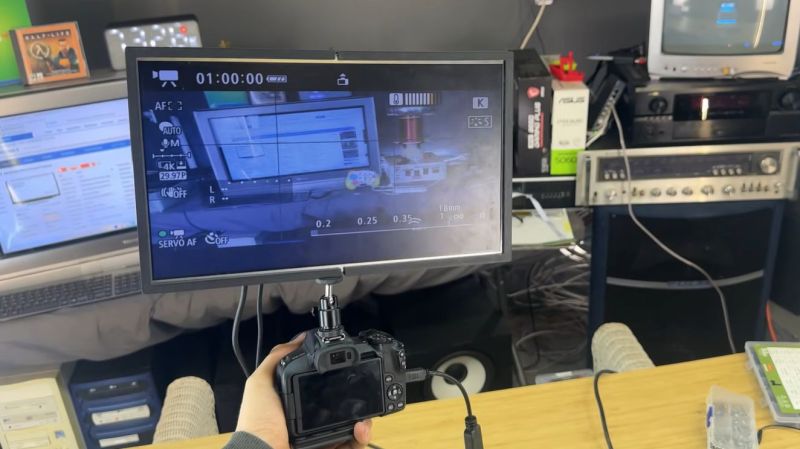
[ScuffedBits] has created a project where he repurposes old laptop screens into portable monitors. Instead of buying new displays, he salvages panels from discarded laptops, which often still have great quality. The project showcases the potential of giving new life to hardware that would otherwise be wasted.
From the Adafruit Learning System Archives: Larson Scanner Shades (Trinket-Powered NeoPixel LED Strip Glasses)
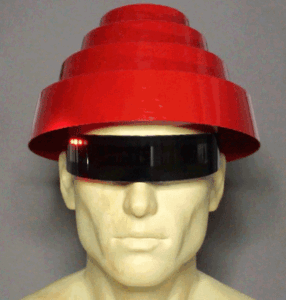
The article discusses the Larson Scanner Shades, a DIY project that combines style with technology by integrating NeoPixel LED strips into a pair of glasses. Named after Glen Larson, the creator of iconic shows like Knight Rider, the Larson scanner effect mimics the sweeping light pattern seen in those series, but with the added flexibility of color customization thanks to NeoPixels.
From the Archives: MACROPAD Hotkeys
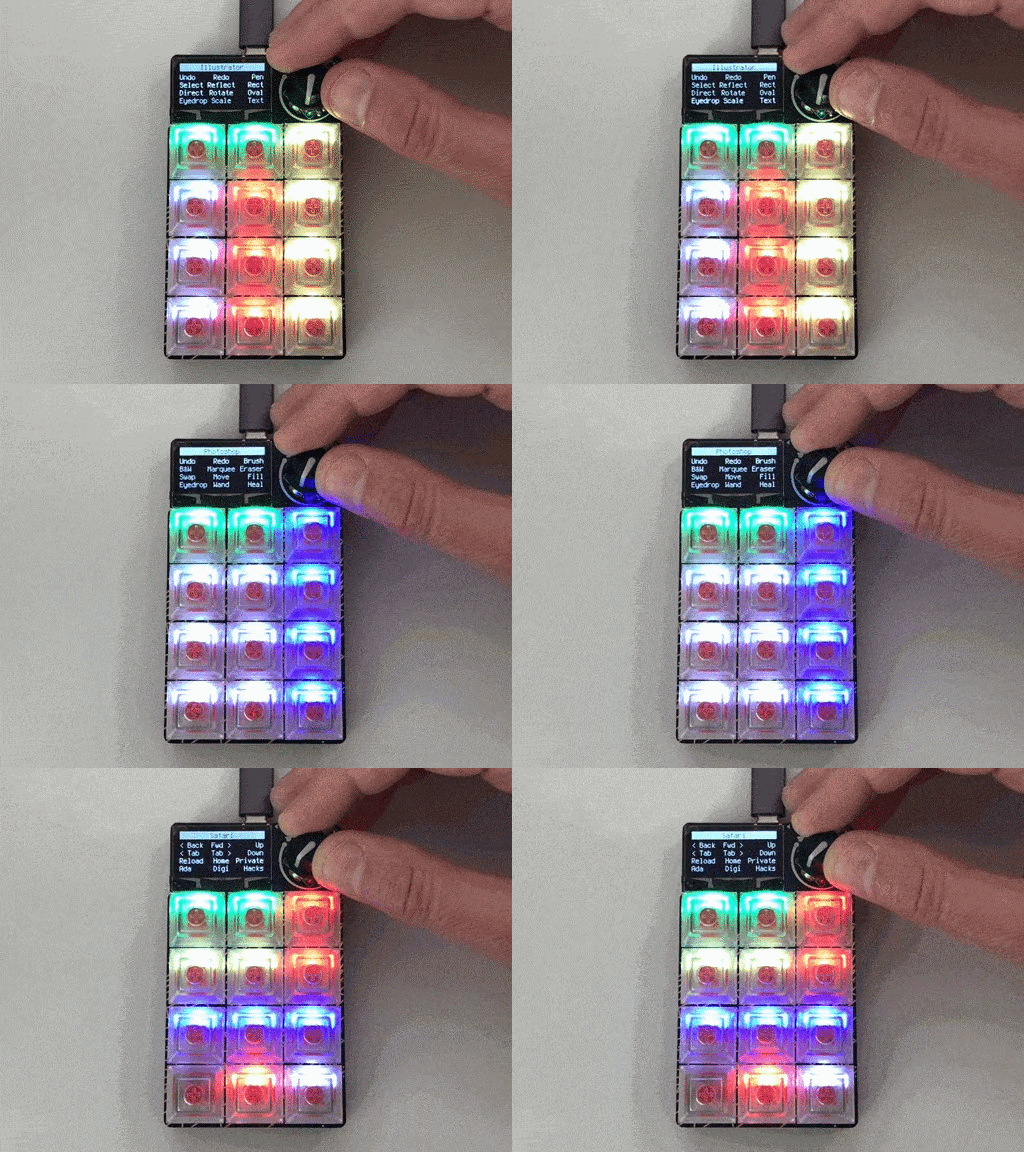
The article discusses the MACROPAD, a customizable keypad designed for enhancing productivity with programmable hotkeys. It features 12 keys that can be configured to send shortcuts, function keys, or sequences of keystrokes to your computer. The keypad includes an OLED display that shows a layout map and has LEDs underneath each key that can be color-coded for different themes or functions. You can also use a dial to switch between various application sets.
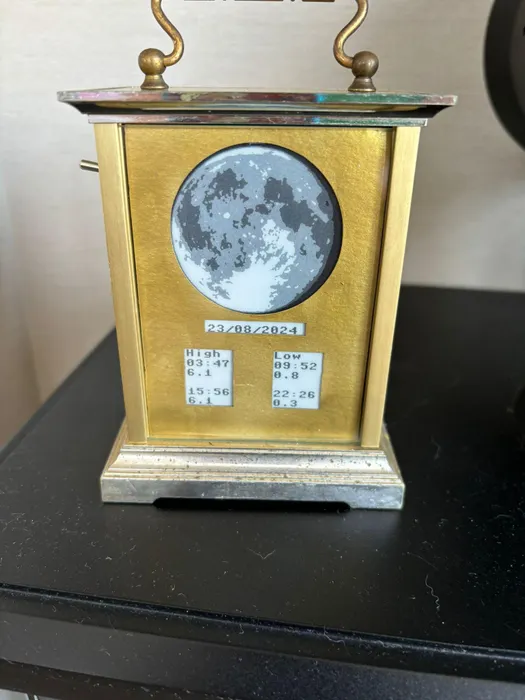
Moon and Tide Clock with E Paper and Raspberry Pi
This project showcases a Moon and Tide Clock created by pjdines1994, which combines the aesthetics of steam-punk design with modern technology. It uses a Raspberry Pi Pico W and a 3.7-inch E-Paper display to provide real-time information about the moon's phase, the current date, and tide times for Whitstable harbor in the UK, including both high and low tide heights.
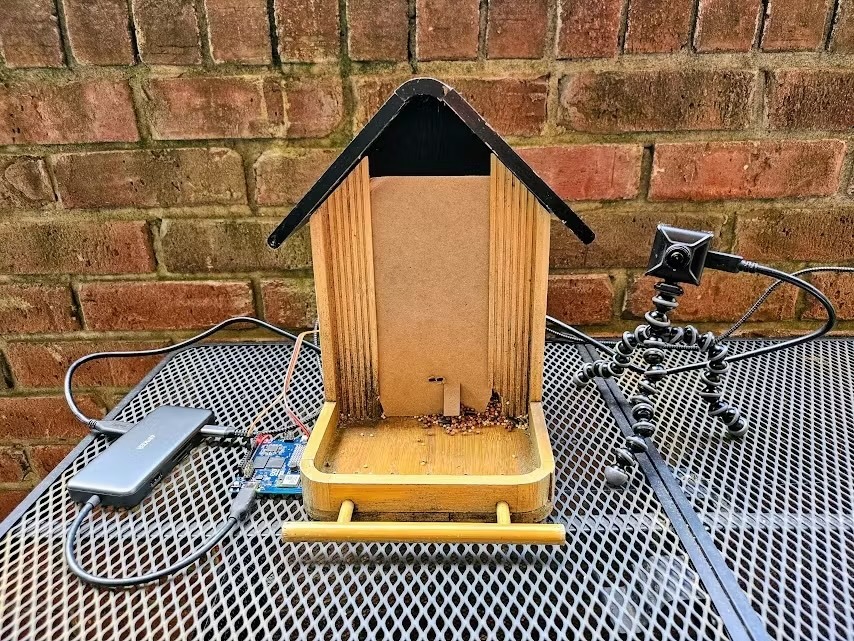
BirdFeedR is a bird-only feeder that keeps thieving squirrels away
BirdFeedR is an innovative bird feeder designed by David Groom that prevents squirrels from stealing bird seed. Utilizing an Arduino UNO Q and a USB webcam, this feeder only dispenses seeds when it recognizes a bird, ensuring that squirrels are kept at bay. If a non-bird object is detected, the feeder logs the event but doesn’t release any food.

OVCS: Raspberry Pi–powered electric car
The OVCS (Open Vehicle Control System) project has transformed an old VW Polo into a remotely operable electric vehicle using a Raspberry Pi. This initiative aims to break the vendor lock-in typically found in automotive electronics, allowing various components from different manufacturers to work together seamlessly. The project highlights the potential for hobbyists and makers to explore electric vehicle technology without being restricted to proprietary systems.
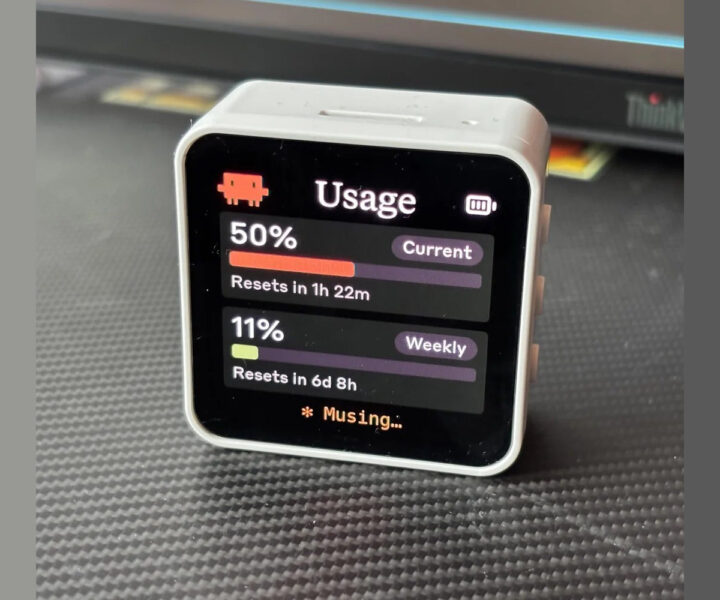
Clawdmeter – A DIY ESP32-S3 desk dashboard for Claude Code token usage monitoring
Clawdmeter is a DIY desk dashboard built around the ESP32-S3 microcontroller that monitors Claude Code token usage. It features a 2.16-inch AMOLED screen, providing real-time feedback on your token consumption. The project primarily involves firmware development and utilizes readily available components, specifically the Waveshare ESP32-S3-Touch-AMOLED-2.16, which combines a dual-core processor with Bluetooth and WiFi connectivity.

John Park’s CircuitPython Parsec: LCD Character Display Buffer Width
John Park's latest CircuitPython Parsec article focuses on manipulating the character display buffer width for LCDs using CircuitPython, which is a version of Python tailored for microcontrollers. The piece provides a straightforward explanation of how to shift the display buffer, allowing users to customize how characters are presented on their screens.
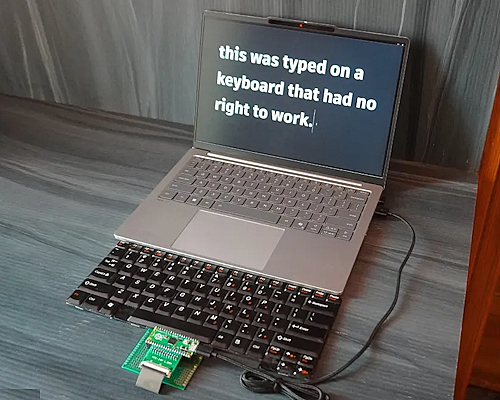
How to reverse-engineer almost any keyboard matrix with Raspberry Pi Pico
Thanishurs31 has developed a method to reverse-engineer keyboard matrices using a Raspberry Pi Pico running CircuitPython. This approach simplifies the traditional process of identifying key layouts, which usually involves tedious pin probing and drawing diagrams that can lead to frustration and inaccuracies. Instead, the Pico automates the scanning of the keyboard matrix, determining rows and columns, handling diode-protected N-key rollover boards as well as basic membrane designs. It even identifies shared power lines and outputs a clean JSON map.

This Tiny '90s IBM PC Is Actually a Modern E Ink Weather Station
Andrzej Górski has created a unique weather station called the Oldputer, designed to look like a tiny IBM PC from the 1990s. This project stands out from typical weather station builds, which usually feature a single-board computer and an LCD display. Instead, the Oldputer uses an ESP32 DevKit V1 board, paired with a 4.2-inch E Ink display, giving it a retro aesthetic while providing modern functionality.
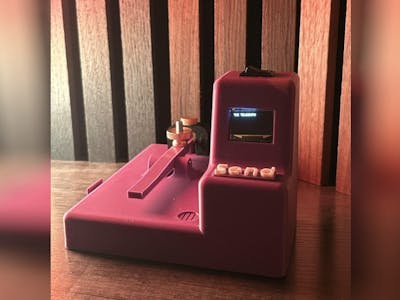
Anthony Marsico's Modernized Take on the Telegraph Turns Morse Code into MQTT Messages
Anthony Marsico, a ninth-grade maker, has modernized the classic telegraph by creating a 3D-printed version that connects to the internet and transmits messages via MQTT (Message Queuing Telemetry Transport). This project retains the iconic Morse key for input but replaces the bulky design with a compact housing that includes a small OLED screen for displaying messages.

How Can a Nintendo Switch Make a 3D Printer Faster?
Marcel has found a way to boost the speed of his Prusa i3 MK3S 3D printer by using a Nintendo Switch as a computing device to run Klipper firmware. The Prusa MK3S originally shipped with Marlin firmware, which is capable but lacks several advanced features that optimize 3D printing performance. By switching to Klipper, Marcel can harness features like input shaping and pressure advance, which help reduce printing artifacts and improve overall print quality.
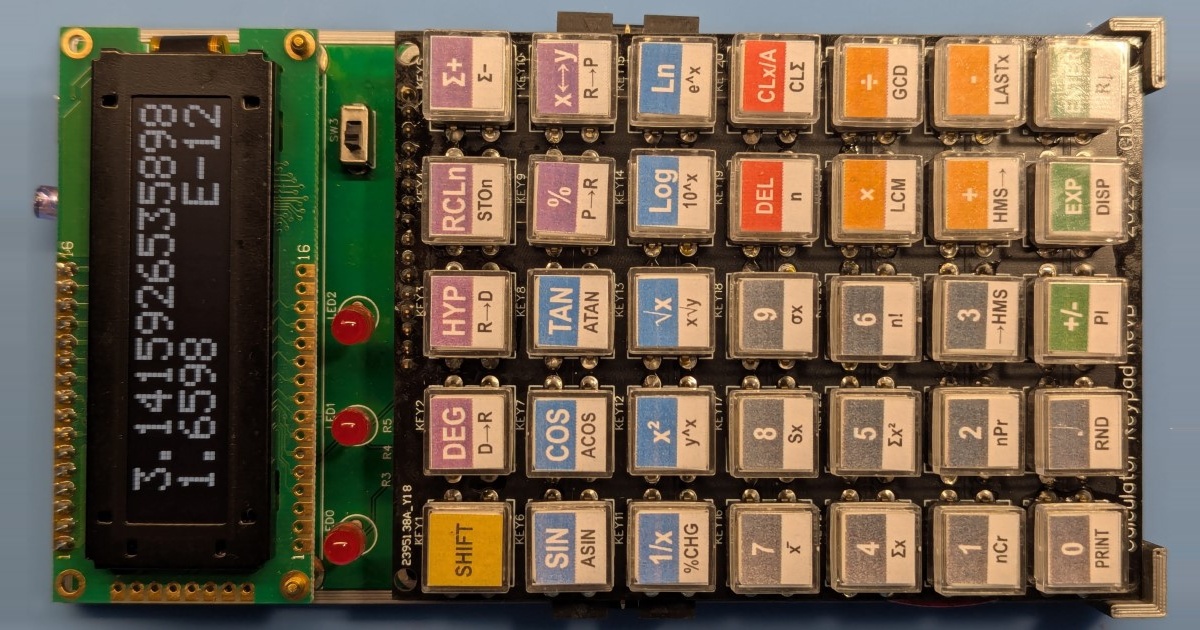
Designing a Scientific Calculator from scratch in FPGA
The article details the process of designing a scientific calculator using a Field Programmable Gate Array (FPGA). The author takes readers through the steps of creating a functional calculator from scratch, including the design of the hardware components and the implementation of the necessary algorithms.
Building a clock from salvaged Vacuum Fluorescent Displays
Maurycy Z. built a unique clock using salvaged Vacuum Fluorescent Displays (VFDs), which were typically found in old electronics like car dashboards and appliances. The project showcases a clever reuse of these displays to create a retro-styled timepiece, combining both aesthetics and functionality. The clock is powered by an Arduino, a popular microcontroller platform, which handles the logic and timing.
Hosting a website on an 8-bit microcontroller
Maurycy Zieminski has successfully hosted a website on an 8-bit microcontroller, demonstrating a unique and resourceful approach to web hosting. He utilized a Microchip PIC16F84A microcontroller, which is quite limited in terms of processing power and memory compared to modern hardware. The project involved creating a minimal web server that can serve simple HTML pages over a network, showcasing what can be done with such constrained resources.