Rising Edge Digital • Hardware & Embedded Systems for Software Developers
Turn an Espressif ESP32-C3 Dev Board Into a Slick… · Power from Gravity · Trinket-Powered Conference Room Occupancy Display

Turn an Espressif ESP32-C3 Dev Board Into a Slick Environmental Monitor — Flashed From Your Browser
LeanMCU has developed an open-source firmware and a custom enclosure to turn Espressif's ESP32-C3 development boards and TE Connectivity's HTU21D environmental sensor into budget-friendly temperature and humidity monitors compatible with Home Assistant. The total cost for building each unit is under $10, making it an affordable solution for those wanting to monitor environmental conditions at home.

Power from Gravity
Gravity batteries utilize the principle of converting kinetic energy into potential energy by lifting a heavy mass and then releasing it to generate electricity. A recent project by [Valeriamayara22] demonstrates a simple model that lifts a 15.65 kg mass to a height of 1.8 meters, achieving a peak output of 13 watts with an efficiency of 58%. While it takes 394 drops of the weight to fully charge an iPhone 16, the model effectively illustrates how gravity-powered energy storage works.

Trinket-Powered Conference Room Occupancy Display
This article discusses a DIY project for creating a conference room occupancy display using Adafruit's Trinket mini-microcontroller. The design addresses a common issue in offices where people often don't know if a meeting room is occupied, leading to interruptions. Instead of relying on expensive commercial solutions that can cost over $400, this project offers a more affordable alternative.

NeoPixel Tiara
The article describes a fun DIY project to create a light-up tiara using Adafruit’s NeoPixels. This crown of light can add some flair to events like prom or birthday parties, making you the center of attention. The project utilizes the Gemma M0 microcontroller, which is perfect for controlling the NeoPixels and keeping everything compact.

Turn your Android phone into a modern ham radio transceiver
The kv4p HT is a homebrew 1-watt radio transceiver designed to plug directly into the USB-C port of an Android phone, effectively turning it into a portable HAM radio. It operates on VHF (Very High Frequency) and UHF (Ultra High Frequency) bands, making it a versatile tool for hobbyist radio enthusiasts. The entire project is open source, providing access to the Android app, ESP32 firmware, PCB designs, and 3D printer files for anyone looking to build or modify their own unit.

Old 3D printer becomes new Arduino UNO Q-controlled pen plotter
Elliot Madsen, an engineering student, has transformed an old 3D printer into a pen plotter using an Arduino UNO Q. Pen plotters are devices that move a pen across paper in the X and Y axes, making them ideal for producing large technical drawings. Madsen utilized parts from the 3D printer, including stepper motors and aluminum extrusions, and implemented a CoreXY motion system with a solenoid to lift the pen. He also designed a vacuum table that uses fans to hold the paper in place, eliminating the need for clamps.
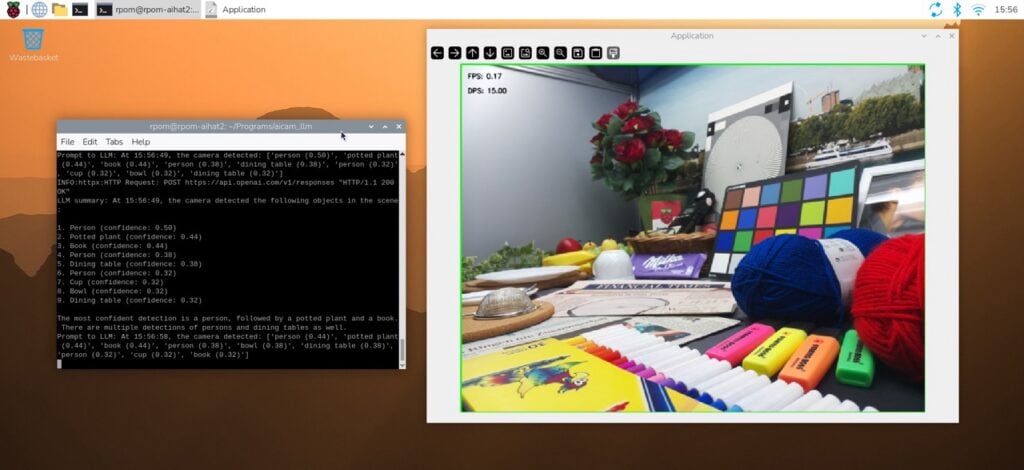
Bringing LLMs to the edge
The article discusses the integration of Large Language Models (LLMs) with the Raspberry Pi AI Camera, creating a new class of systems known as vision-language models (VLMs). By combining real-time object detection capabilities of the AI Camera with the language processing power of LLMs, users can develop systems that interpret and describe the physical world using natural language, all while keeping data processing local and private.
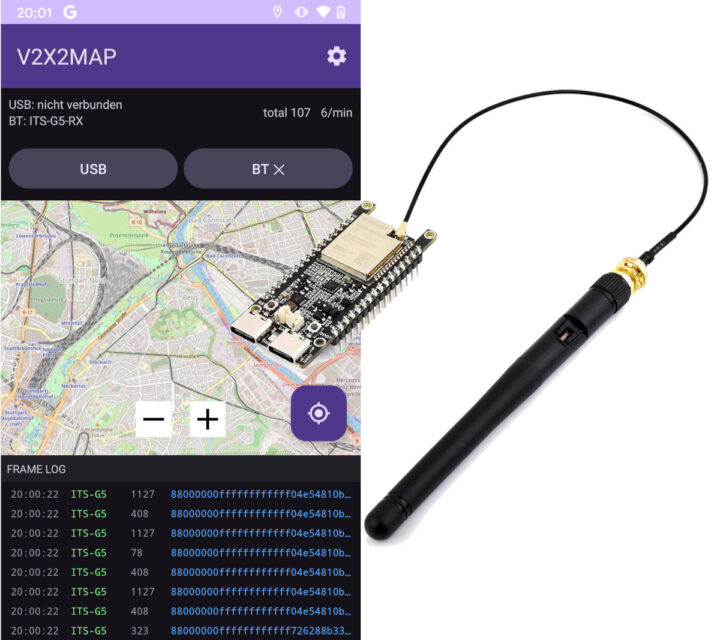
Monitor live traffic from V2X signals with V2X2MAP open-source Android app and an ESP32-C5 development board
The V2X2MAP project combines an open-source Android app with the ESP32-C5 development board to monitor live traffic using Vehicle-to-Everything (V2X) signals. The project was initiated by Peter Holzhauser, who adapted the firmware from an existing ESP32-C5 C-ITS receiver board to work with the Waveshare ESP32-C5-WIFI6-KIT. The V2X2MAP app interfaces with the board, allowing users to connect their Android smartphones with USB On-The-Go (OTG) ports and GPS to visualize nearby traffic signals and nodes.
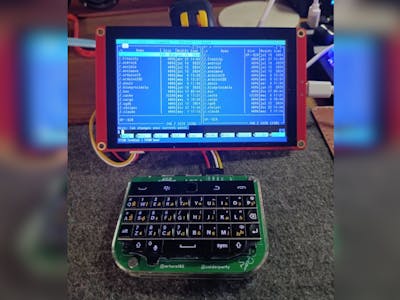
The CYD Gets an Operating System
Roberto Alsina has developed an operating system called ESP-Osito for the Cheap Yellow Displays (CYDs) powered by the ESP32 microcontroller. This OS aims to transform these microcontrollers into affordable personal computing platforms. Costing around $10 and being free and open source, ESP-Osito comes preloaded with useful applications, making it suitable for practical tasks.

Take the Digital Plunge and Make an ASCII Aquarium
Kert Gartner created a digital ASCII aquarium that runs on the Cheap Yellow Display (CYD), a touchscreen development board featuring a 320x240 display. Unlike traditional aquariums, this project requires no maintenance, allowing users to enjoy animated fish and sea creatures without the hassle of cleaning or feeding. The aquarium is powered by an ESP32 microcontroller, which renders the fish live on the screen, making them swim, school, and chase floating food flakes when you tap the display.
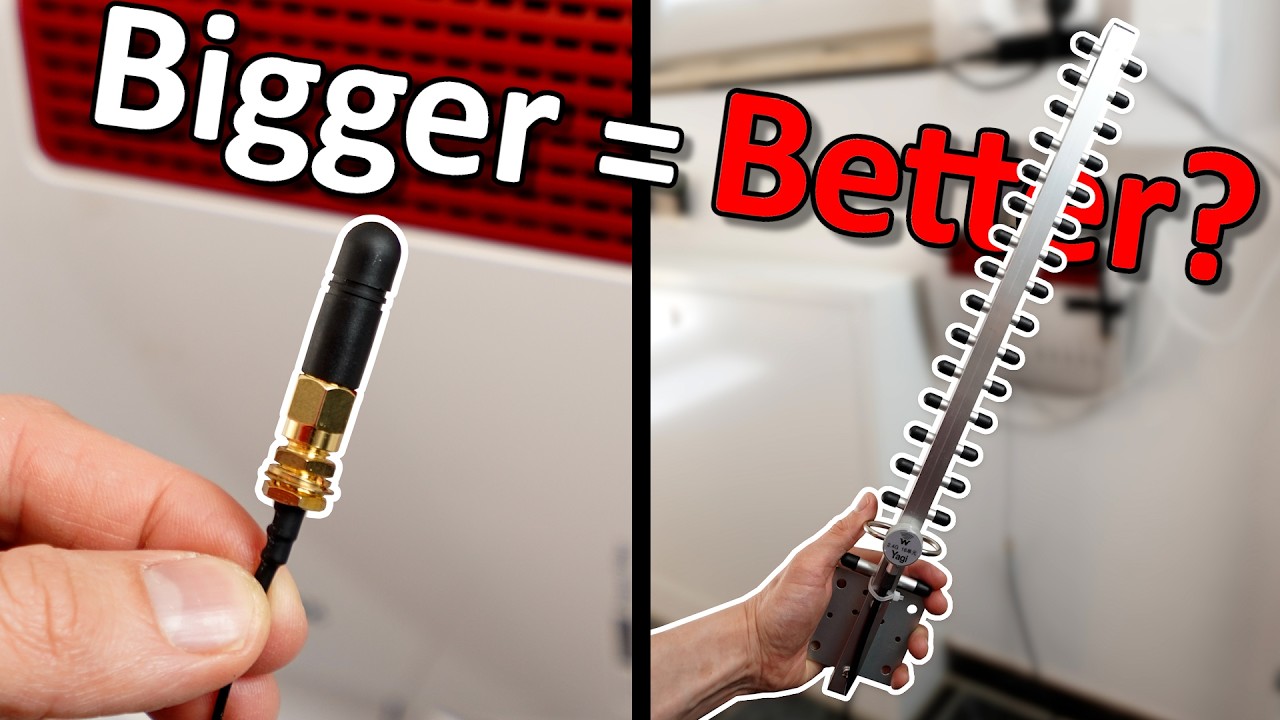
I Found the Secret to WiFi Antennas!
The video dives into the world of 2.4GHz WiFi antennas, explaining their function and exploring various types available on the market. It covers essential concepts like antenna length, resonance, and impedance matching, providing insights into whether bigger antennas really mean better performance. The presenter uses a Seeed Studio Vector Network Analyzer to measure and compare different antennas, including monopole and dipole designs.
Baby's First DDS Signal Generator
The article discusses a DIY project for building a Direct Digital Synthesizer (DDS) signal generator, which is a useful tool for generating various waveforms in electronics testing and development. The creator shares their journey of designing and assembling the device, detailing the components used like the AD9951 chip, which is a key part of the DDS setup that allows for precise control over frequency and waveform shape.
Some Things I Learned Banging My Head Against The Linux Wall While Making a Silly Little Jukebox
The article details a project where the author built a jukebox using Linux, sharing insights and challenges faced during the process. The project involved setting up a Raspberry Pi to serve as the core of the jukebox, utilizing various software tools like MPD (Music Player Daemon) for music playback and a custom web interface for easy navigation.
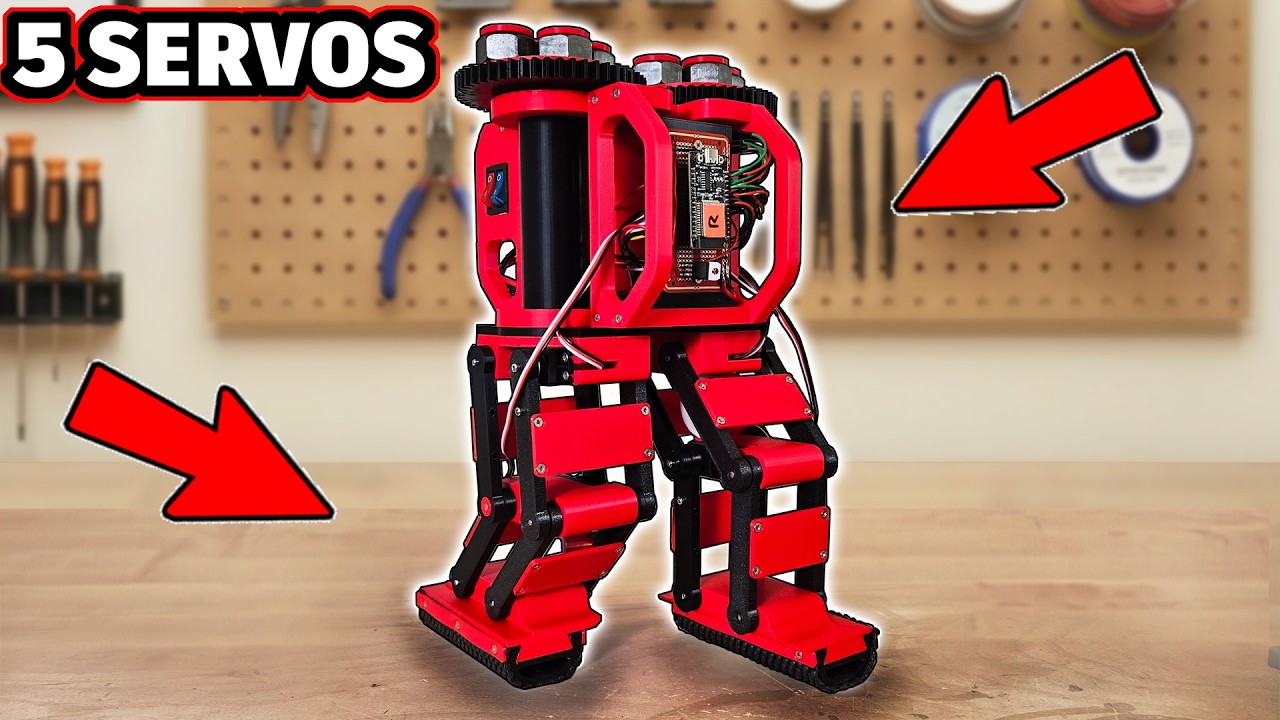
Five Servo Balancing Bipedal Robot
The article discusses a new project featuring a bipedal robot designed to actively balance while walking. This is the third project in a series by the creator, who previously made a mini robot dog and a hexapod. The aim here is to create a two-legged robot that doesn’t rely on large flat feet and can lift its feet properly for walking, rather than shuffling along like simpler toys.
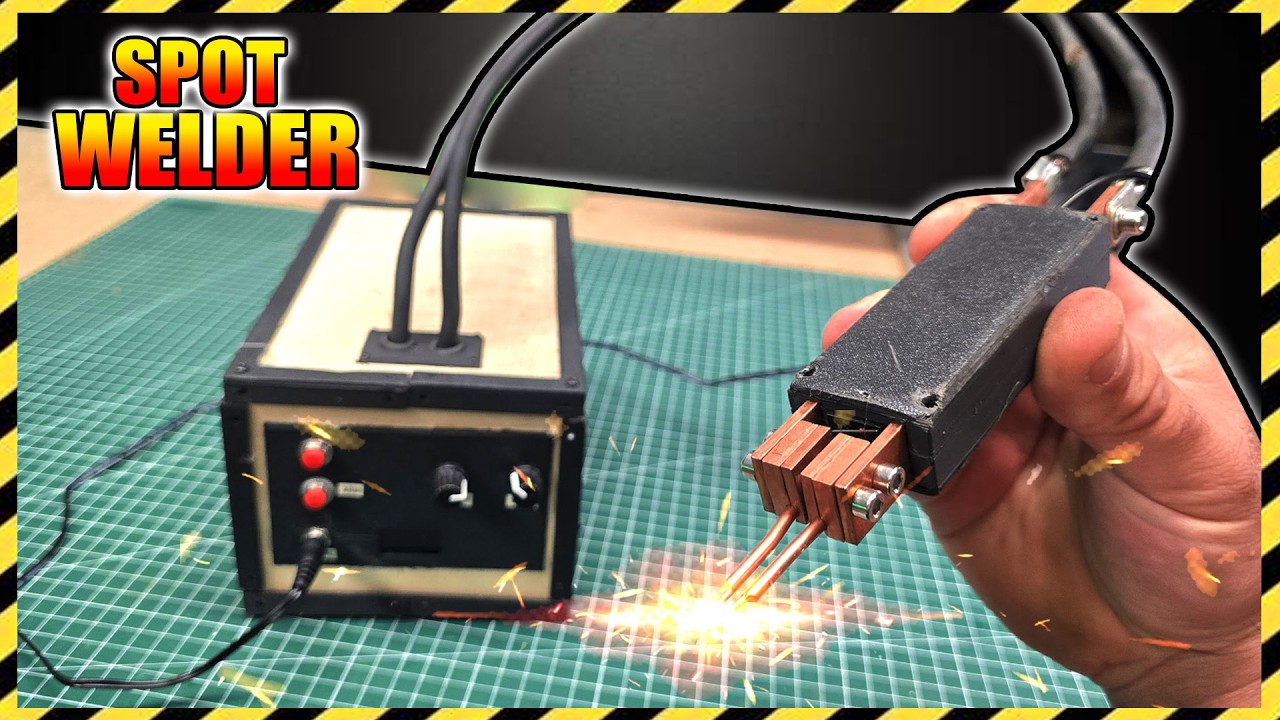
Don't Throw Away Old Microwaves! Build THIS Instead
This article covers a DIY project where you can build a powerful spot welding machine using an old microwave transformer. It walks you through the process of repurposing this common household item into a functional tool for your projects. The video tutorial emphasizes the importance of safely handling high voltage components, making it both a practical and educational experience for those interested in electronics.