Rising Edge Digital • Hardware & Embedded Systems for Software Developers
A Hackable Analog Phone System · Cheap FPGA Board Becomes Retro-Style Computer · ESP32-S3 Based Toddler Phone That Calls Family
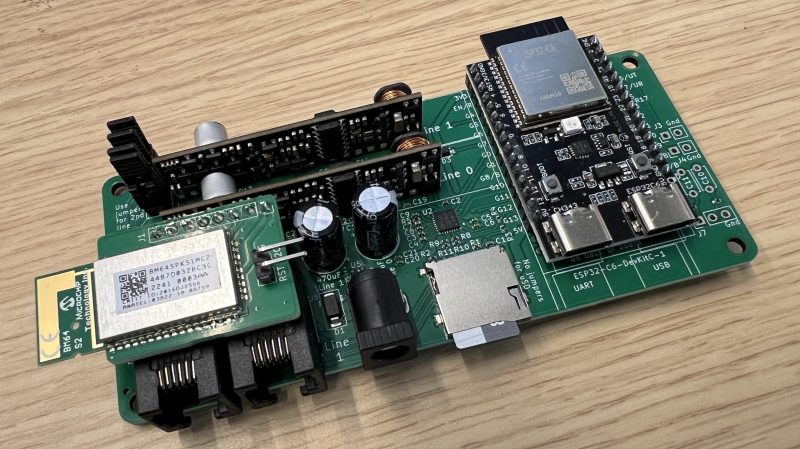
A Hackable Analog Phone System
Scott Dylewski has created a hackable analog phone system called the Analog Redial, designed for those with old landline phones collecting dust. This system allows you to connect one or two traditional phones and gives you access to features like a dial tone and the ability to make calls between connected phones or out via a SIP (Session Initiation Protocol) server, along with answering machine capabilities.

Building The Stranger Things Lights For Halloween
A recent project showcases a recreation of the iconic Christmas lights from *Stranger Things* for Halloween. The build utilizes a Xiao ESP32-S3 microcontroller paired with WS2812B addressable RGB LEDs, cleverly integrated into a standard string of lights to maintain the show's aesthetic. Each letter of the alphabet is represented by two LEDs, allowing for a bright display while keeping the overall current low since only one letter is illuminated at a time.
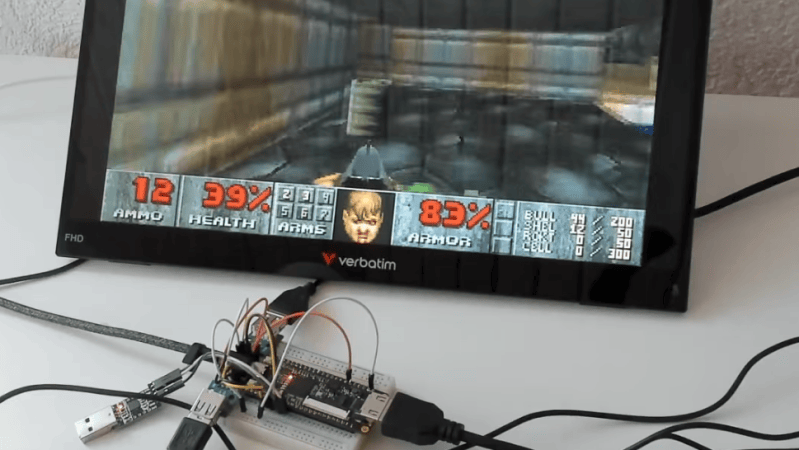
Cheap FPGA Board Becomes Retro-Style Computer
The Tang Nano 9K is an affordable FPGA (Field-Programmable Gate Array) development board, typically priced around $15. Recently, [ThePartsBin] has taken this board and transformed it into a retro-style computer, utilizing the Gowin GW1NR-9C FPGA, which features 8,640 Look-Up Tables (LUTs). Despite its modest specs, the board can run a 36 MHz RISC-V CPU and includes 8 MB of RAM, HDMI output, stereo audio, two USB ports, and an SD card reader.
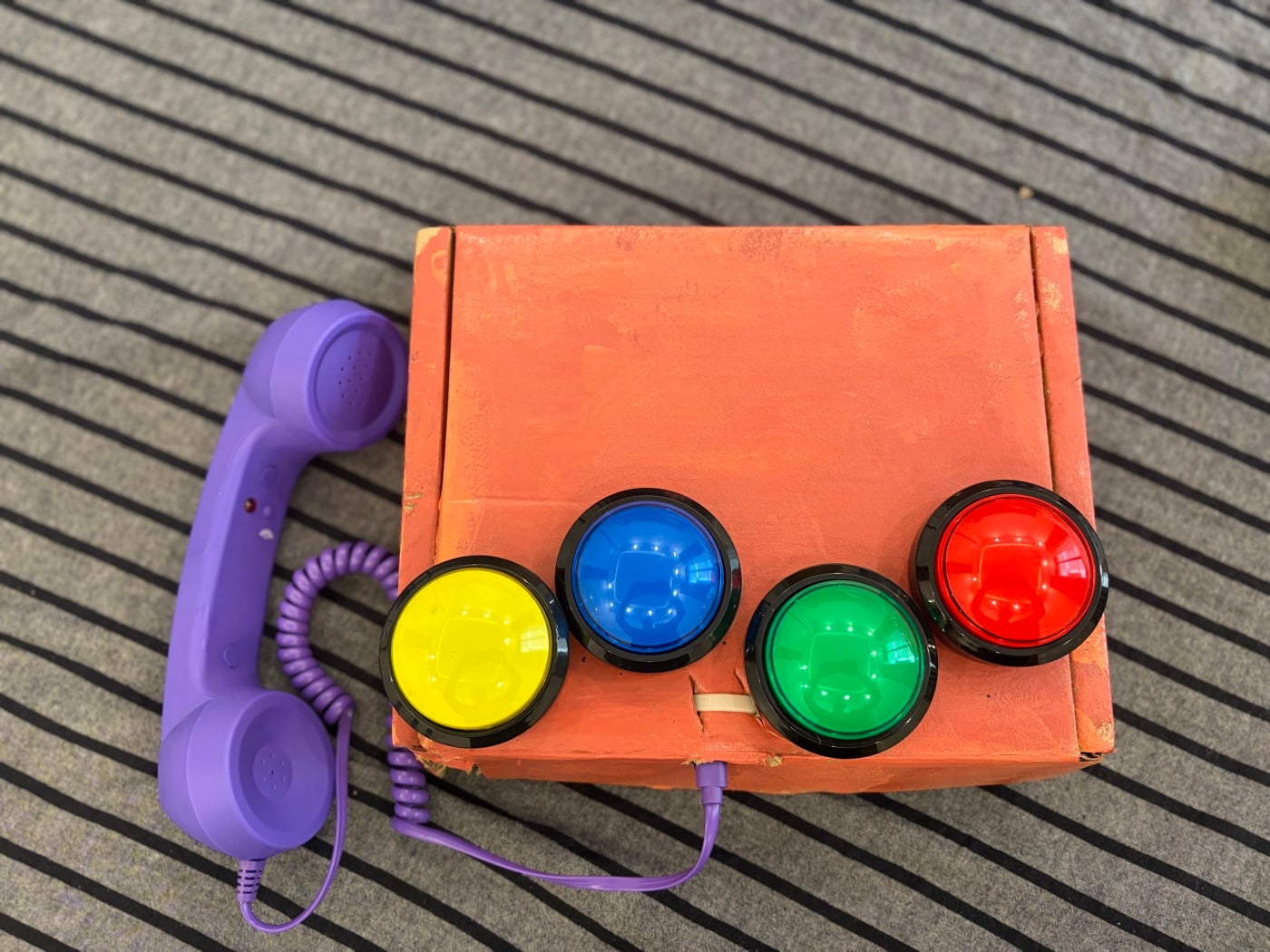
ESP32-S3 Based Toddler Phone That Calls Family
Allan Binder created a toddler-friendly phone using the ESP32-S3 microcontroller, designed specifically for young children to easily call family members. The phone features oversized arcade buttons that allow kids to connect with up to four relatives. To manage call times and prevent random dialing, the system incorporates designated call hours and durations for each contact.
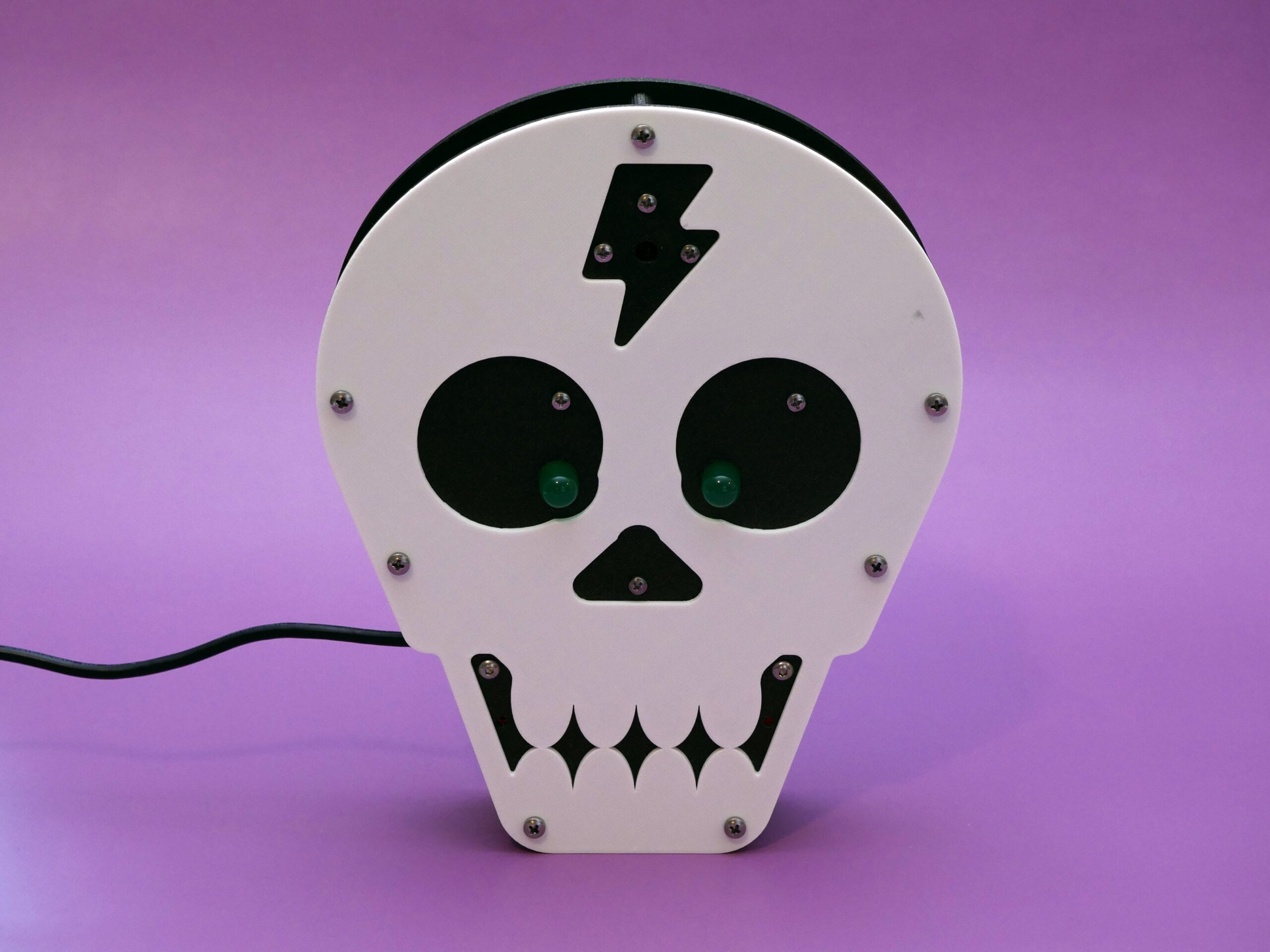
Raspberry Pi Halloween Wise Cracking skull
A Raspberry Pi Halloween project has emerged that combines a bit of fun with technology: a wise-cracking skull designed to entertain at costume parties. This setup utilizes a Raspberry Pi 5, paired with a NoIR PiCamera and a speaker bonnet, to create an interactive experience. When someone passes by the skull, the Pi detects their presence using a Python script with OpenCV for person detection, snaps a picture, and sends it to Claude, an AI service, to generate a corny dad joke related to the costume.
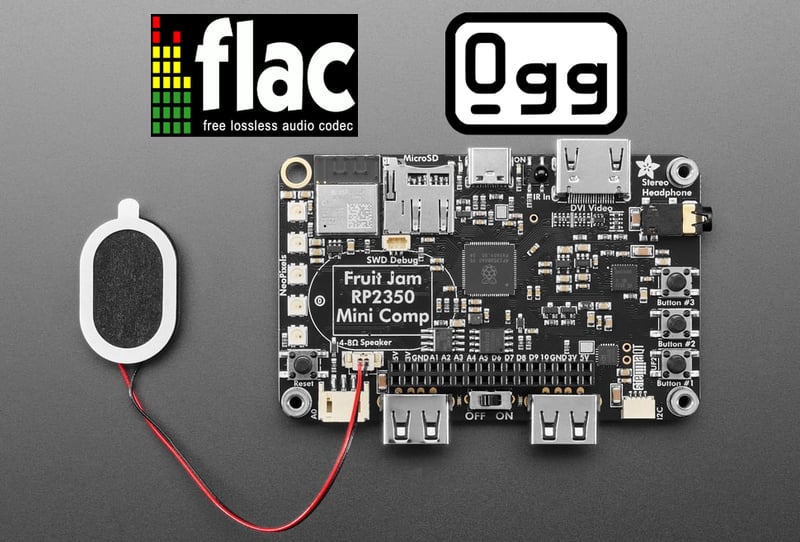
NEW GUIDE: FLAC and Ogg Playback with CircuitPython
Adafruit has released a new guide focused on playing FLAC and Ogg Vorbis audio files using CircuitPython, which is a version of Python designed for microcontrollers. Authored by Anne Barela with programming by Mikey Sklar, the guide demonstrates how to utilize the enhanced audio capabilities of the ESP32-S3 and RP2350 boards. These formats are popular among audiophiles due to their superior sound quality compared to MP3.

How about a Hallowuino half-dozen?
The article showcases six creative Hallowuino-themed projects to inspire your Halloween spirit using Arduino technology. Each project blends fun and functionality, making it easy to add a spooky touch to your celebrations.

OuijaCNC
This article covers a Halloween-themed project where the author built a CNC (Computer Numerical Control) Ouija board that operates without human touch. Inspired by videos of self-playing chessboards, the project utilizes a lightweight core XY CNC machine constructed from 3D-printed parts, fishing line, motors, and an ESP32 microcontroller. The author’s husband assembled the machine, which later inspired him to create a more robust CNC plasma cutter.

A Major Update to XIAO Ecosystem: Introducing the All-in-One XIAO Development Hub
Seeed Studio has launched the XIAO all-in-one development hub, a significant enhancement to its XIAO ecosystem. This new hub consolidates various tools and resources essential for makers, including a product selector, essential development tools, documentation, community projects, and an open roadmap. The goal is to streamline the development process for users by centralizing everything they need in one place.
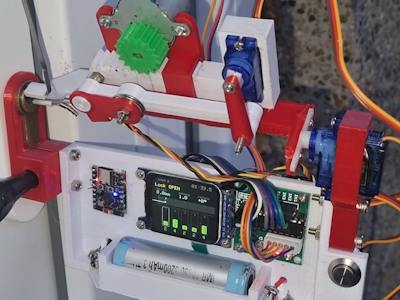
This DIY Lockpicker Has AI on Its Side
Dr. Kun Dániel has created a DIY lockpicking robot that leverages artificial intelligence to automate the process of picking pin tumbler locks. This device is built around an ESP32-C3 Mini microcontroller, which manages the control logic and connects to AI from Anthropic's Claude for real-time adjustments. The robot is designed to attach directly to a door's lock cylinder and operates by manipulating the internal pins using a combination of a stepper motor, two servo motors, and load cells that measure force feedback.

Give Your Tamagotchi Paradise a Little More Freedom
A maker known as Squalius has created a hardware hack for the Tamagotchi Paradise that allows users to connect it to a computer using a DIY UART adapter. This opens up new possibilities for customizing the virtual pet experience by bypassing the limitations set by the manufacturer. The adapter is built around a common CH340G USB-to-serial module and features a custom 3D-printed enclosure that connects to the Tamagotchi's existing interface without requiring any modifications to the device itself.
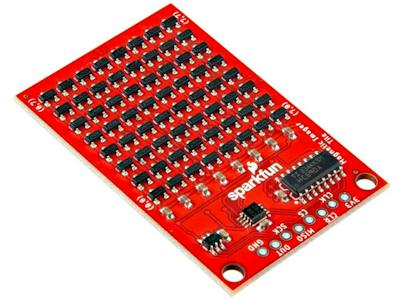
A Secret Magnetic Gesture Is the Key to This Hidden Lock
Stephen Cass created a unique wooden lockbox that conceals its locking mechanism, requiring a specific magnetic gesture to unlock it. Instead of using a visible keyhole or keypad, this box utilizes SparkFun's Magnetic Imaging Tile, which features an 8×8 array of Hall-effect sensors. These sensors detect the strength and polarity of magnetic fields, allowing the system to recognize a specific pattern traced by a magnet across its surface.

Why pay for a torque wrench when you can build this? 🔧
This article details a DIY project for building a custom torque wrench using a high-capacity torque sensor rated for 300 kilograms. Instead of purchasing an expensive professional torque wrench, the author has created a more affordable solution that integrates this sensor with a socket wrench extension, allowing for accurate torque measurements.
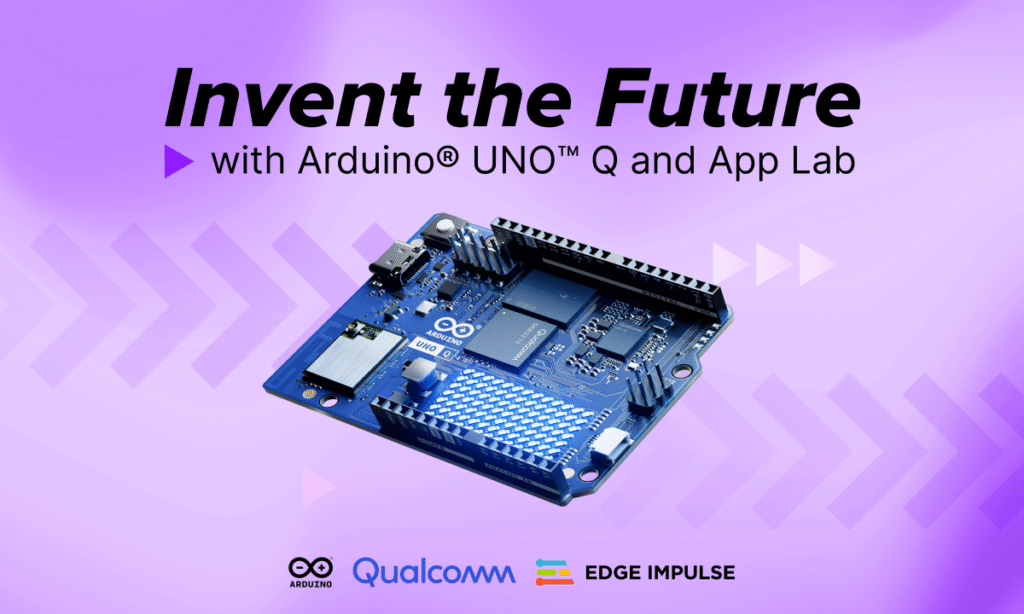
Inside the winning Arduino® UNO™ Q projects from Hackster’s Invent the Future competition
Arduino, Qualcomm Technologies, and Edge Impulse recently collaborated with Hackster for the Invent the Future competition, which attracted over 4,000 participants and resulted in 153 project submissions focused on real-world applications using the Arduino UNO Q board and App Lab.

Emulate Apple II on Raspberry Pi
The article presents a tutorial on how to emulate the classic Apple II computer using a Raspberry Pi. While the Apple II wasn’t the most powerful gaming machine of its time, it was designed with gaming in mind, featuring color graphics and support for paddle controllers, thanks to Steve Wozniak's experience with arcade games. The system's audio capabilities were limited, but add-on sound cards like the Mockingboard were popular among developers.