Rising Edge Digital • Hardware & Embedded Systems for Software Developers
Taking A Nokia 3310 Game Jam To The N’th Degree · From Idea to Working ESP32 · 60 Hz “hello” on Metro RP2350
Taking A Nokia 3310 Game Jam To The N’th Degree
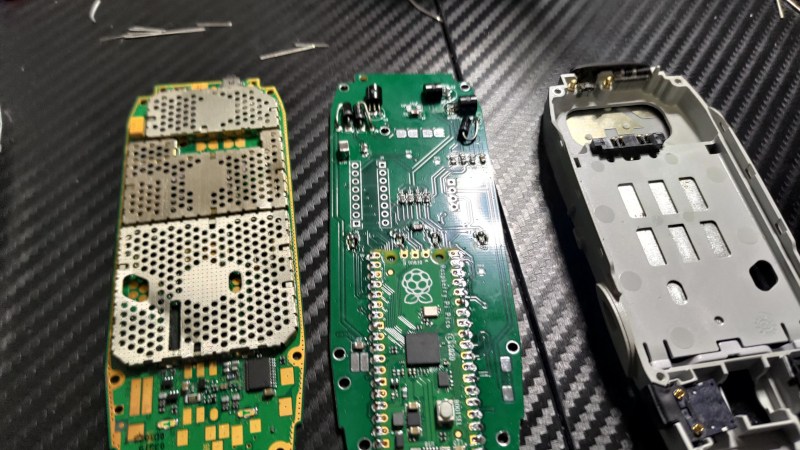
Hoani recently participated in a game jam focused on developing games for the classic Nokia 3310, a phone known for its simple user interface and durability. His entry, "Trick Shot II," is a ball-bouncing game that runs on a custom game engine he created. What sets this project apart is that he designed a custom printed circuit board (PCB) to fit inside a gutted Nokia 3310 case, utilizing a Raspberry Pi Pico, the original phone's LCD, and the keypad layout.

60 Hz “hello” on Metro RP2350
The article showcases a project featuring the Metro RP2350 microcontroller, which is running CircuitPython 11 and capable of outputting video at a resolution of 640×480 pixels at 60 Hz. The author used a new browser-based circuit design tool to create a wiring diagram that effectively combines visual elements with the recorded output. This allows for a more comprehensive way to visualize projects, as it can display both the circuit connections and the corresponding screen behavior in real time.
NEW GUIDE: Fruit Jam Motion Tracking Eyeballs
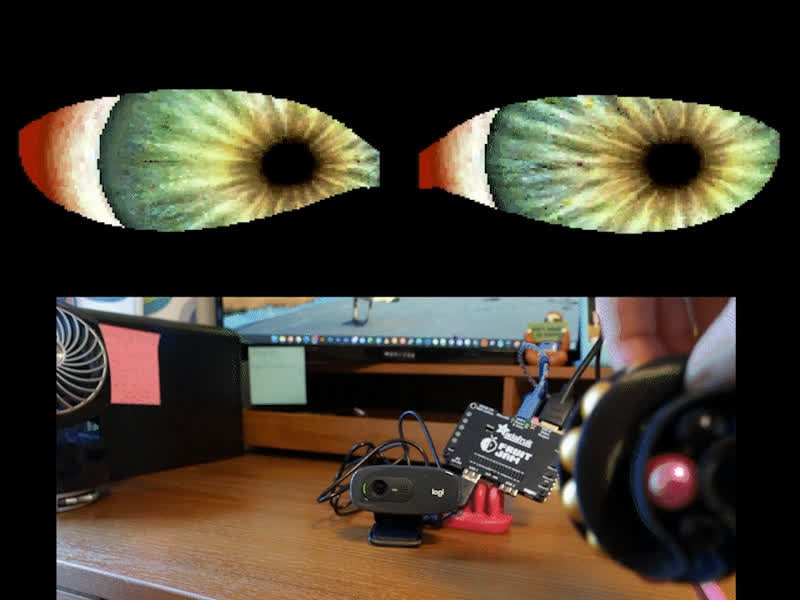
The article introduces a project that combines a USB webcam with a Fruit Jam board running CircuitPython to create motion-tracking eyeballs. As the webcam detects movement, the eyes visually track that motion, giving the illusion that they're watching whatever moves in front of them.

LED Bubble Hair Extensions with Motion Controlled Effects
The article discusses the creation of LED Bubble Hair Extensions, a unique wearable project that combines colorful LED seed pixels with bubble-braid hair extensions. Designed by Erin St Blaine, these extensions react to head movements using an LIS3DH accelerometer, producing dynamic light animations. When you shake your head, the LEDs change from a gentle falling-rain effect to a more intense storm, complete with flashes of lightning.
EEVblog 1778 – Product Power Measurement Masterclass (µTimer Part 3)
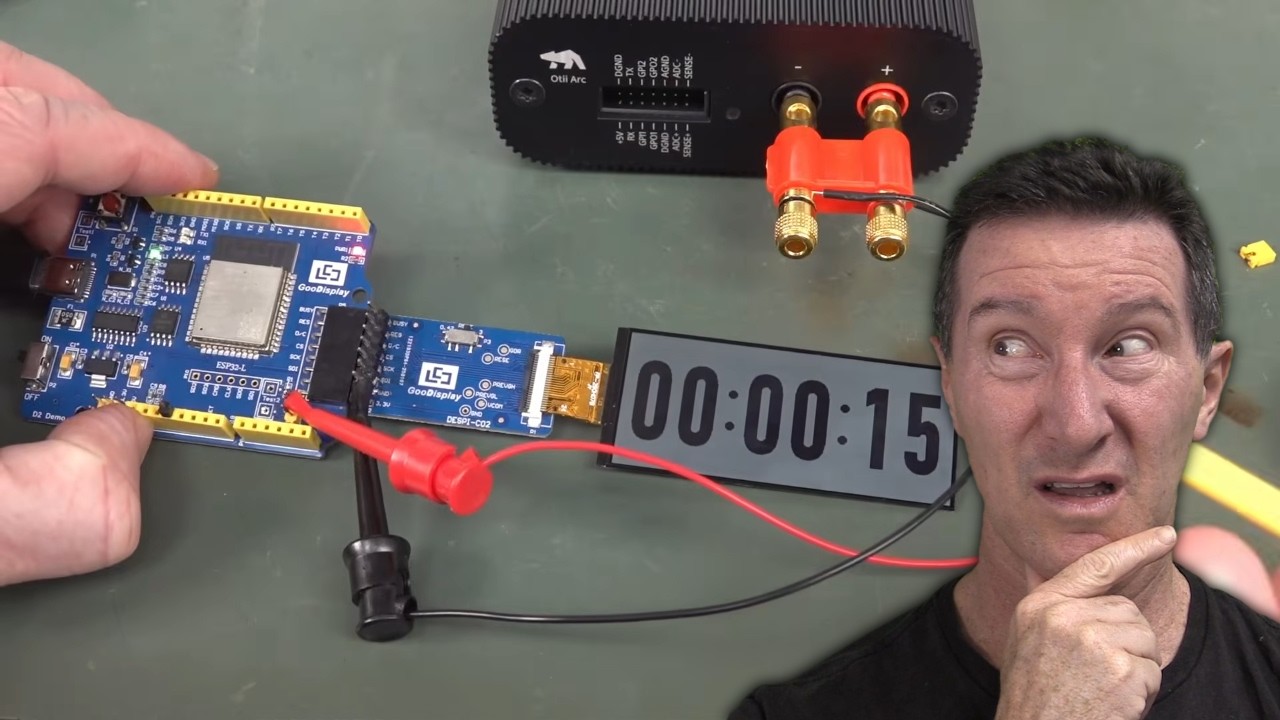
Part 3 of the µTimer project dives into the intricacies of measuring power consumption for an LCD display, serving as a masterclass in power measurement techniques and common pitfalls. The video starts with a discussion about the LCD's manufacturer, noting that it was previously GoodDisplay and is now Osptek. It highlights the importance of accurate power measurement, particularly using the Otii Arc power profiler, which helps track power usage effectively, even in scenarios where the display may not have a dedicated power pin.
Open-source ESP32-C3 DNS ad blocker supports up to over 500,000 domains without PSRAM
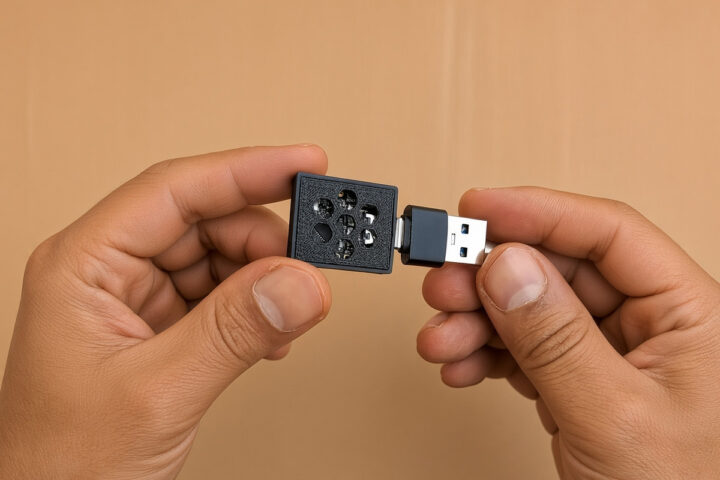
The article discusses the esp32-c3-adblock, an open-source DNS ad blocker created by Zed (M-Abozaid) that operates on the inexpensive ESP32-C3 microcontroller. This device can filter out ads and tracking domains for devices connected to a home or small office network without needing additional PSRAM (Pseudo Static Random Access Memory). Instead of using traditional RAM for storage, it cleverly utilizes flash memory to store sorted 40-bit FNV-1a hashes of domain strings, allowing it to handle over 500,000 domains effectively.
Jetson Won’t Boot? From Power-On to Ubuntu — A Real Boot Log Walkthrough
This article provides a detailed walkthrough of the boot process for the Jetson Orin, specifically focusing on analyzing a real UART boot log. It builds upon the previous discussion about the Jetson software stack and addresses a common issue faced by users: troubleshooting boot failures. The author, an application engineer from Seeed, guides readers through the various stages of the boot process, explaining what happens from the moment the power button is pressed until Ubuntu loads.
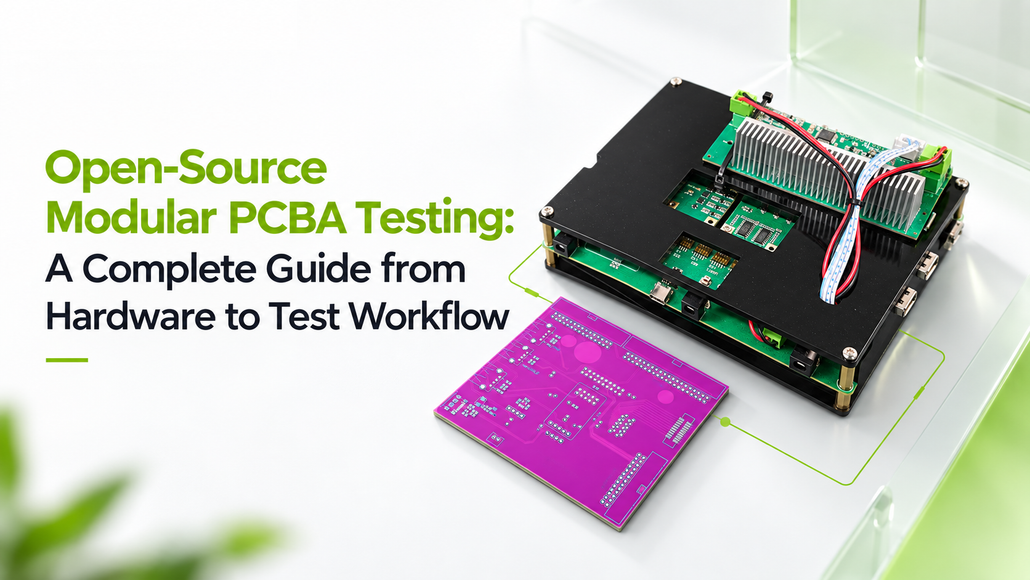
Open-Source Modular PCBA Testing: A Complete Guide from Hardware to Test Workflow
This article outlines a modular approach to testing Printed Circuit Board Assemblies (PCBA) using an open-source framework. The system consists of three main components: a Universal Test Box, product-specific Adapter Boards, and configurable test software. This setup allows engineers to create a reusable testing architecture, significantly reducing the time and effort required for hardware and software development for different products.
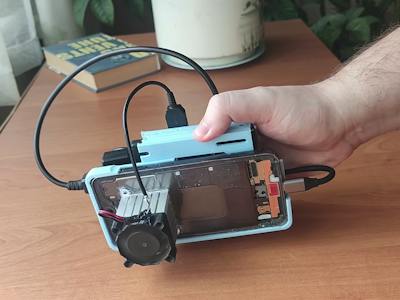
The $40 Gaming PC Built From a Broken Smartphone
YouTuber LastComputer has transformed a damaged Samsung Galaxy S23 smartphone into a gaming PC for just $40. With flagship smartphones boasting powerful processors and GPUs, repurposing an old device like this can be a cost-effective way to create a gaming rig, especially since the resale value of older models drops significantly as new ones are released.
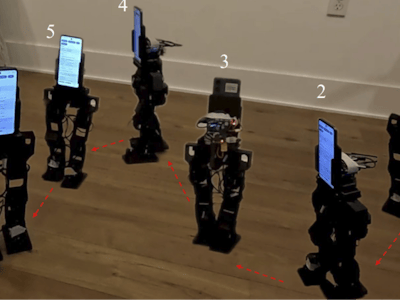
Don't Throw Away Your Old Phone — Build a Robot Instead
Researchers at UCLA have developed PhoneBot, an open-source humanoid robot that utilizes an old Android smartphone as its brain. Instead of relying on expensive electronics typically needed for robotics, PhoneBot leverages the powerful capabilities of smartphones, including processors, cameras, and motion sensors. Standing about 19 inches tall and weighing four pounds, it can walk on two legs, track objects with its camera, and right itself after a fall, all while costing around $400 to build, excluding the smartphone.
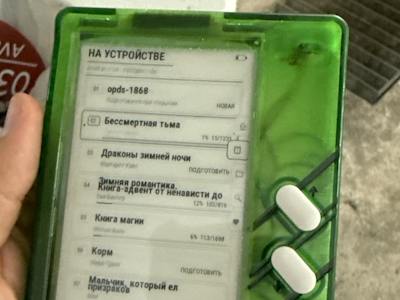
Fed Up with Kindle? Check Out This DIY eReader Alternative
A Reddit user known as No-Macaron4341 is developing a DIY eReader called the OctoFox Book, which aims to provide an alternative to Amazon’s Kindle devices. Frustrated by the limitations of Kindle, the creator has built a compact eReader using a LilyGo T4 ESP32-S3 development board and a 4.7-inch e-paper screen, housed in a translucent green resin 3D-printed case. This device features physical buttons for navigation and runs custom firmware that allows users to read ebooks stored on a microSD card.
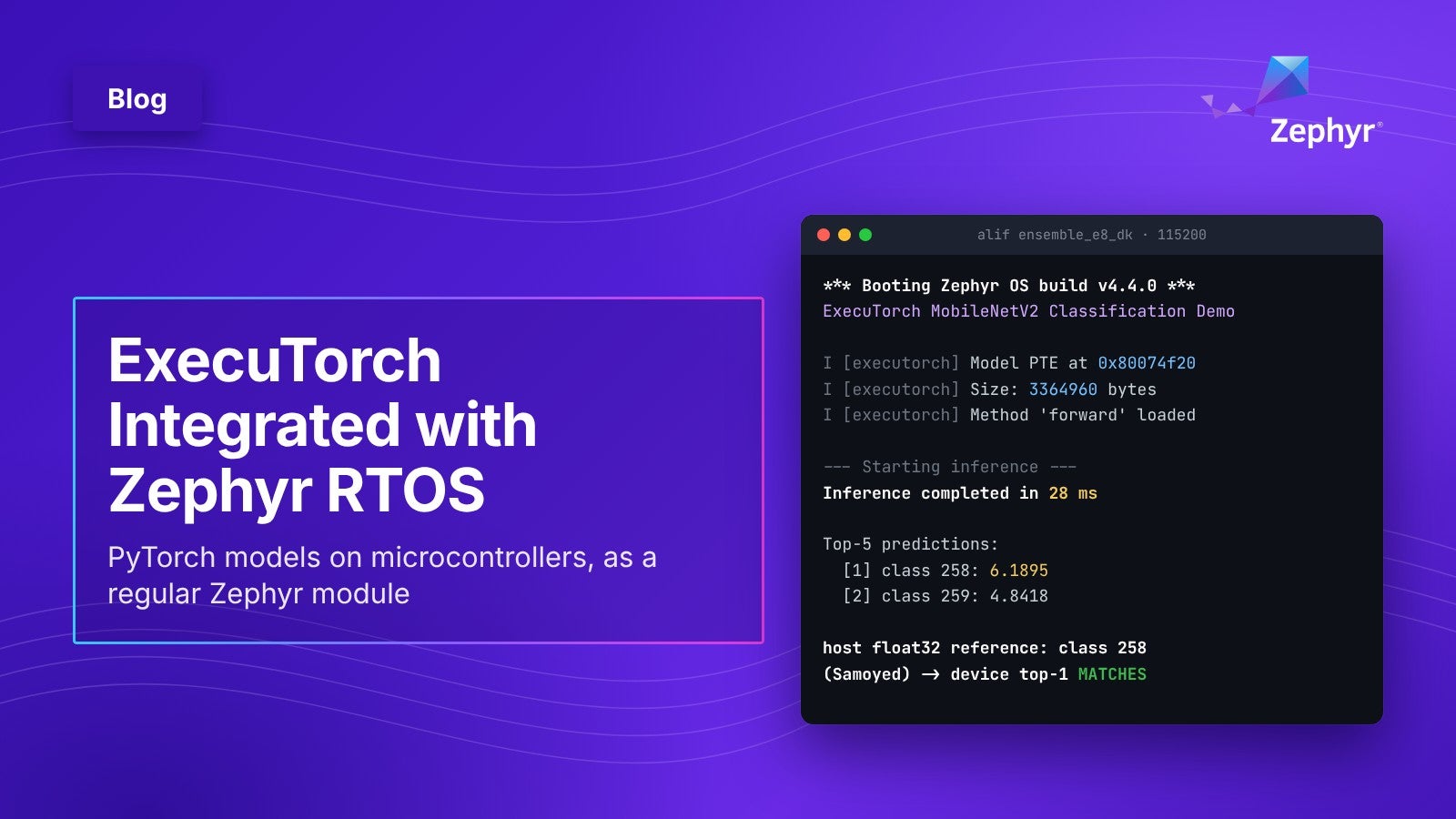
ExecuTorch Integrated with Zephyr RTOS
ExecuTorch has been integrated as an official module within the Zephyr Real-Time Operating System (RTOS). This open-source runtime stack from PyTorch allows developers to run AI models locally on edge devices, which can range from smartphones to microcontrollers. Now, by simply adding ExecuTorch to your project manifest and configuring it in the `prj.conf` file, you can easily deploy PyTorch models on small devices with minimal effort.
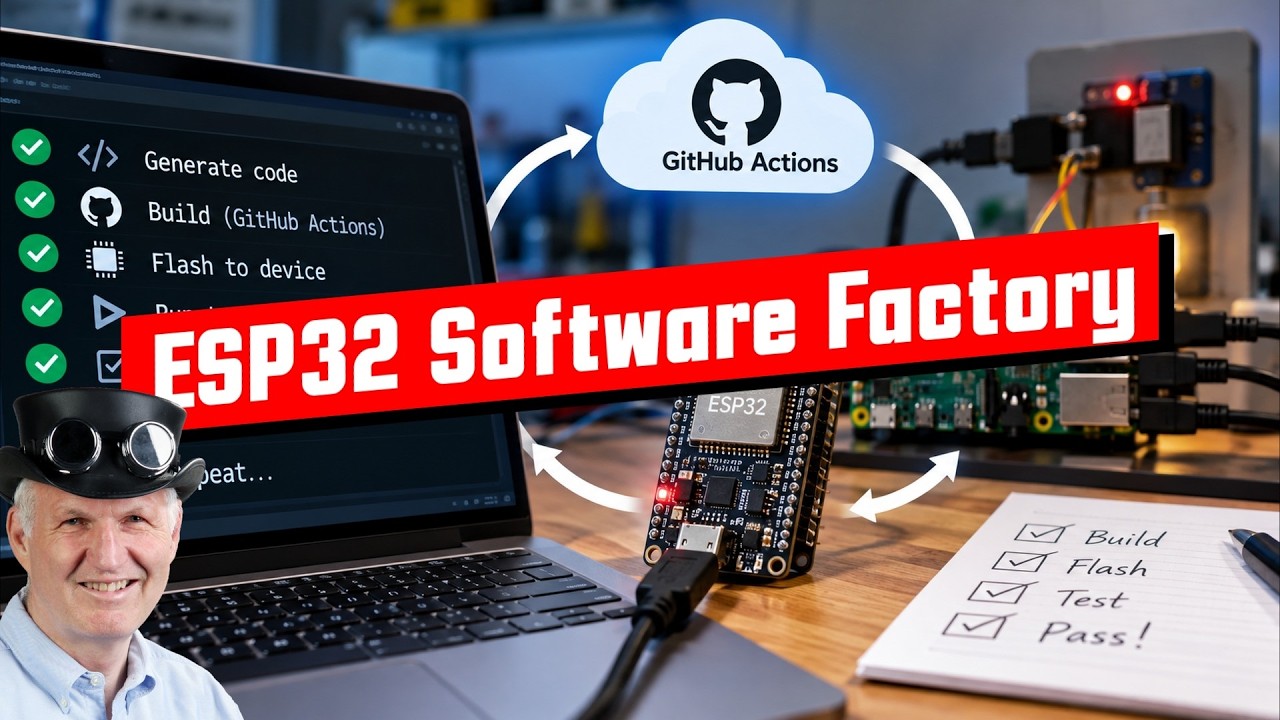
From Idea to Working ESP32 — AI Does Everything!
This video showcases how an AI agent can autonomously create complete applications for the ESP32 microcontroller. Instead of the traditional trial-and-error approach where you flash code, debug, and fix issues manually, this setup allows the AI to handle everything from writing the firmware to flashing it on the hardware, running tests, and even troubleshooting failures—all at impressive speed.
The making of a very fast SPI flasher
This article details the creation of a high-speed Serial Peripheral Interface (SPI) flasher designed to program NAND flash memory quickly and efficiently. The author breaks down their approach, focusing on optimizing the hardware and software aspects to achieve impressive speeds. They utilize a combination of custom firmware and an FPGA (Field-Programmable Gate Array) to handle the flashing process, significantly reducing the time required compared to traditional methods.
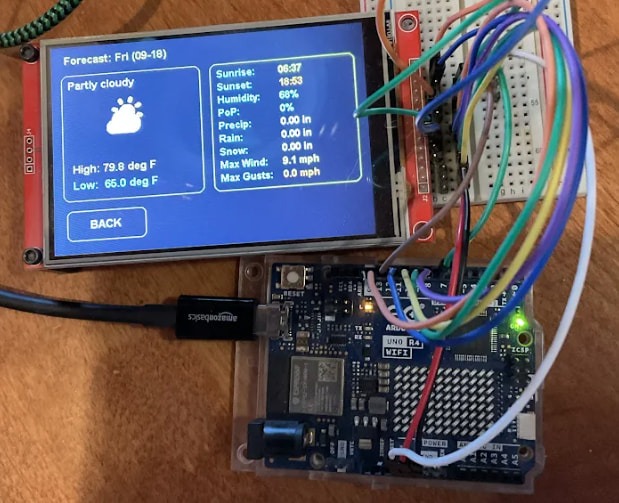
Porting a weather station app from the Arduino® GIGA™ R1 to the Arduino® UNO™ R4 boards
KurtE and Merlin513 successfully ported a weather station application from the Arduino® GIGA™ R1, which features a powerful dual-core STM32H747XI microcontroller, to the more limited Arduino® UNO™ R4 WiFi board. The original app, built on ZephyrOS, showcased local weather data through a graphical user interface (GUI) on a touchscreen. The GIGA R1's robust processing capabilities allowed for a rich feature set, but the transition to the UNO R4 required significant optimization due to its single-core Renesas RA4M1 microcontroller, operating at just 48 MHz with only 32 kB of RAM.