Rising Edge Digital • Hardware & Embedded Systems for Software Developers
John Park’s CircuitPython Parsec · Iris colour detection with Raspberry Pi · Just released: Raspberry Pi Book of Making 2027
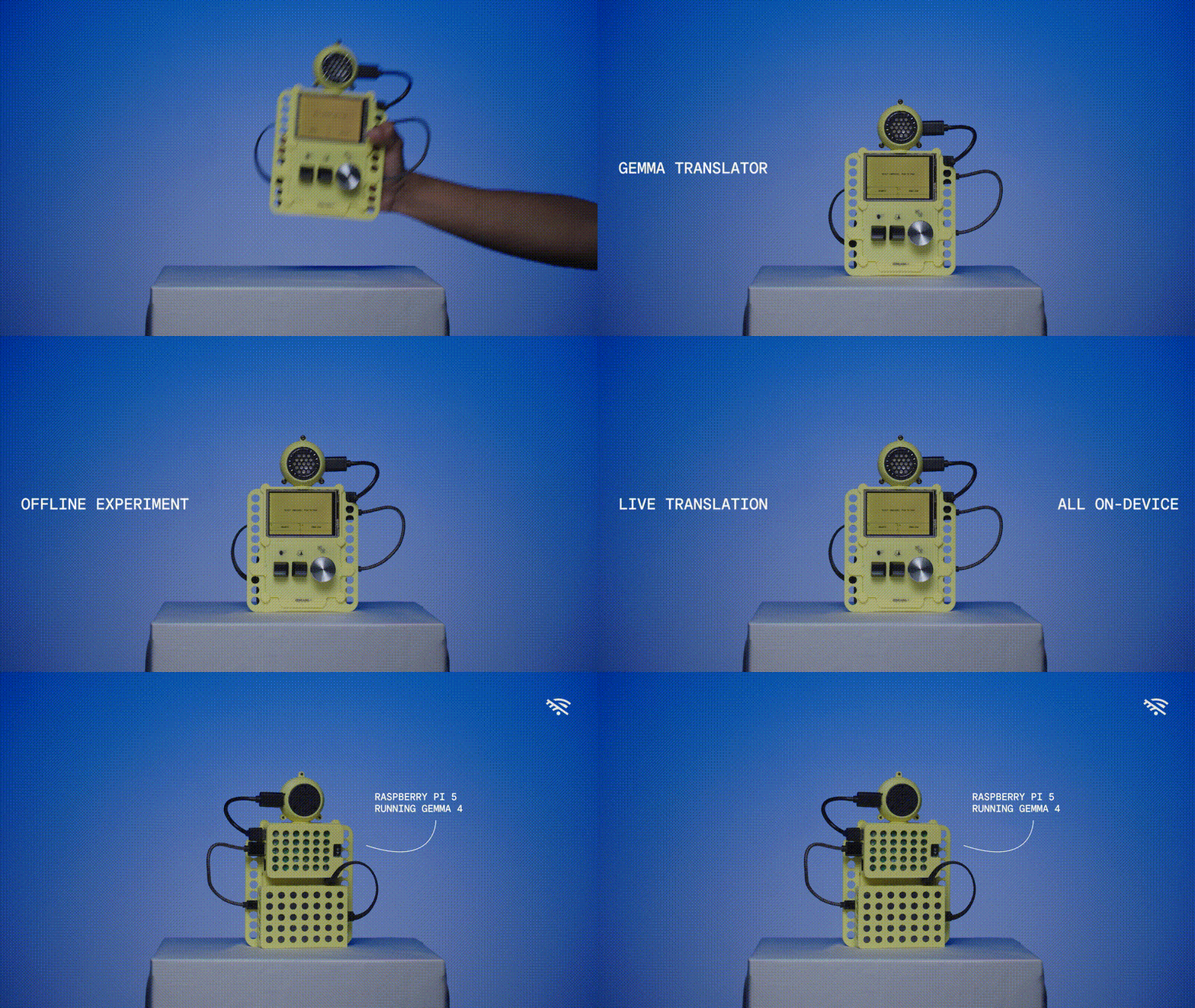
Gemma Translator – Live Translating Offline on a Raspberry Pi 5 #piday #raspberrypi
The Gemma Translator is an open-source offline translation tool developed by a Google team, designed to run on a Raspberry Pi 5. This project combines several off-the-shelf components, including a portable battery pack, a tiny touchscreen display, a mini speaker, and a micro keyboard, all housed in a custom 3D-printed case.

John Park’s CircuitPython Parsec: Fruit Jam Library – NeoPixels
John Park's latest project showcases the Fruit Jam Library, which allows you to control on-board NeoPixels using CircuitPython. This library is designed to make it easier for makers to light up their projects with colorful LED displays. You can find the library on GitHub, along with some handy code examples to help you get started.
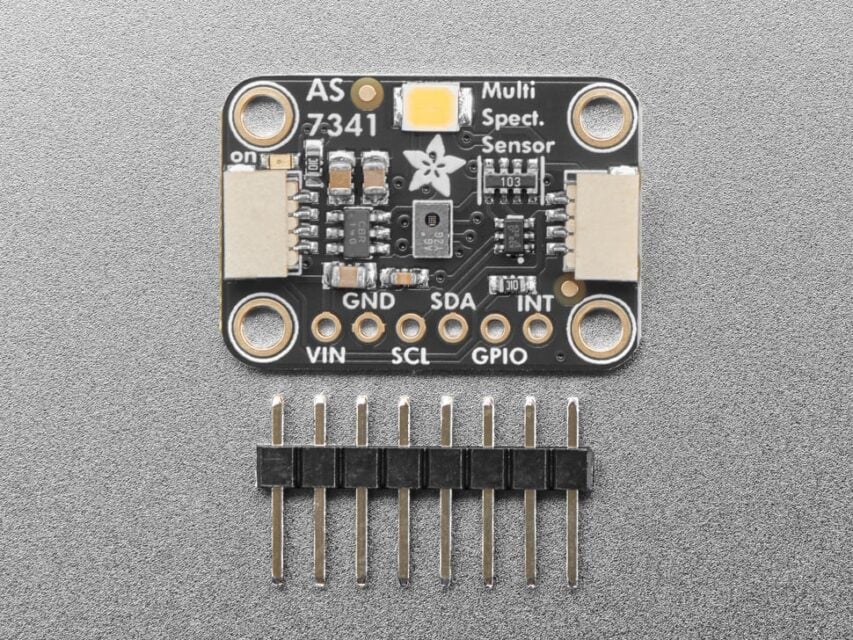
Make a LEGO Synthesizer or a Color Sensing Music Player with our AS7341 10-Channel Light / Color Sensor Breakout
The Adafruit AS7341 10-Channel Light/Color Sensor Breakout is a powerful multi-channel spectrometer capable of detecting light intensity and specific wavelengths. This sensor can discern colors beyond the capabilities of the human eye, making it a versatile tool for various projects involving light detection and color recognition.
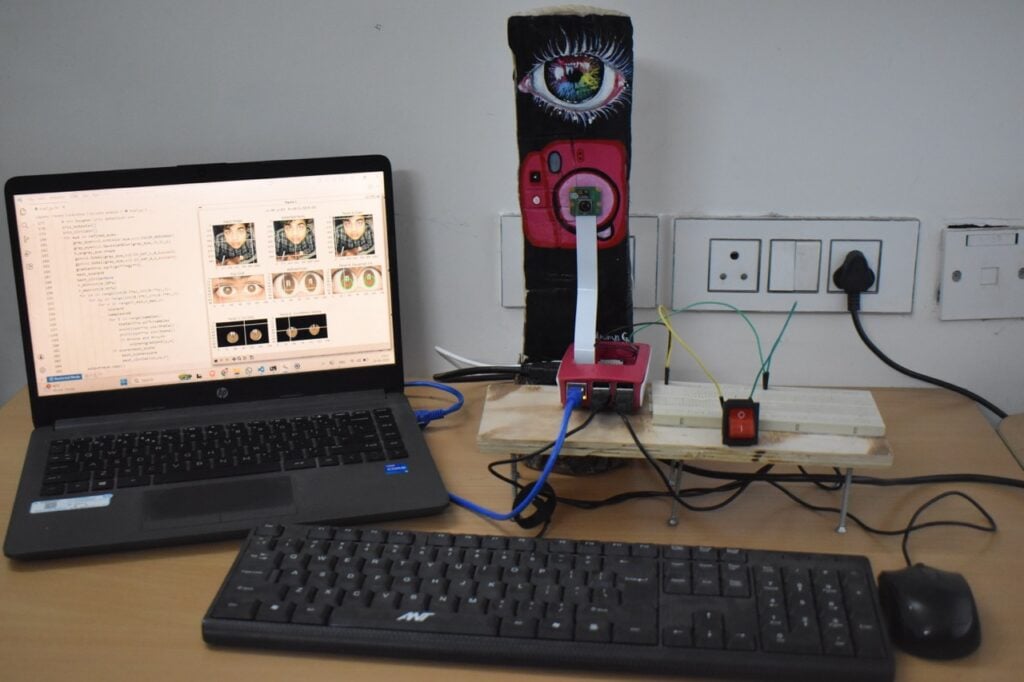
Iris colour detection with Raspberry Pi
A recent project showcased on Maker Monday involves using a Raspberry Pi 3 Model B+ and a Raspberry Pi Camera Module 3 to detect iris color. The system utilizes OpenCV, a computer vision library, to process images and identify the color of a person's iris as they look into the camera. This project was developed by Srikrishna Karthick, a student working with the Indian Space Research Organisation (ISRO), who aimed to create a more engaging demonstration for a National Science Day event.
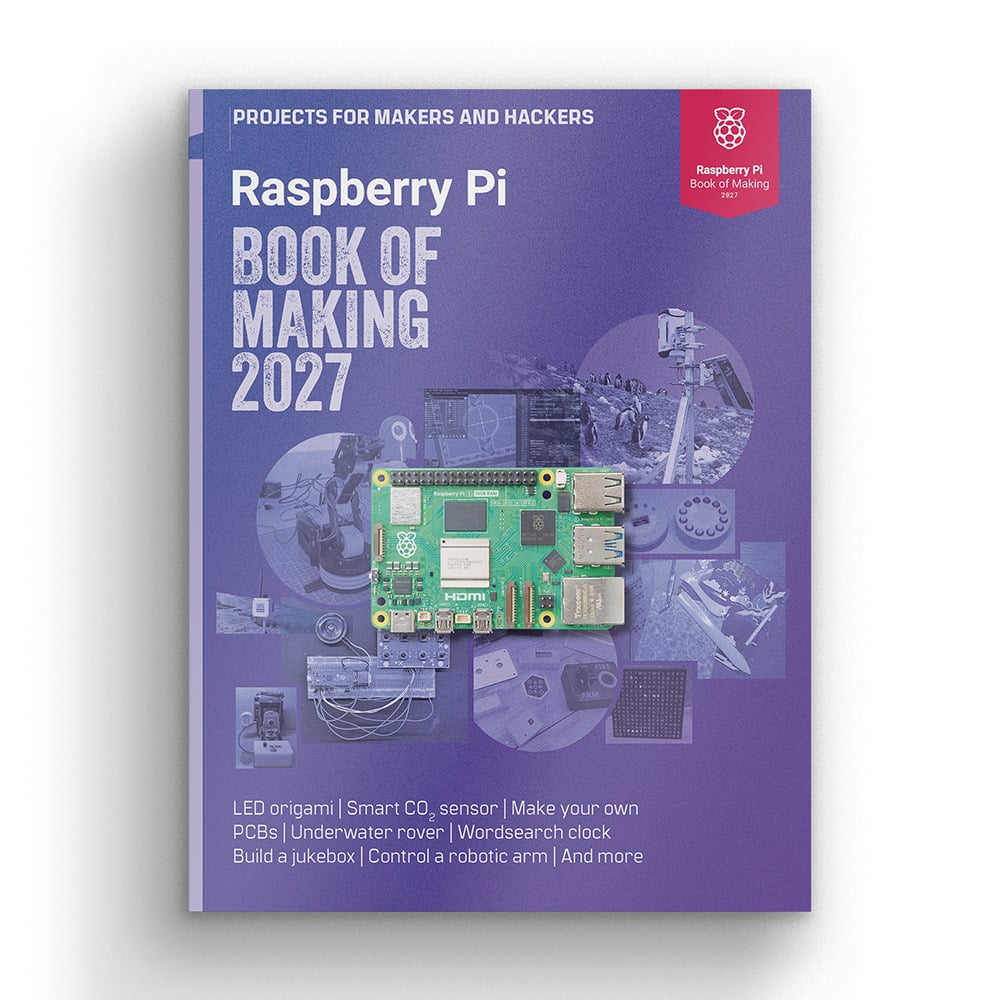
Just released: Raspberry Pi Book of Making 2027
The newly released *Raspberry Pi Book of Making 2027* is a collection of exciting DIY electronics projects featured in the *Raspberry Pi Official Magazine*. This edition offers a mix of creative ideas, from simple paper circuits to more complex builds like underwater rovers, aimed at both beginners and those looking to enhance their electronics skills.

Get started with LiteRT on Raspberry Pi
This article provides a step-by-step guide for installing LiteRT, a tool from Google that allows you to run high-performance on-device AI models on a Raspberry Pi. It highlights the importance of LiteRT in enhancing the performance of AI applications on this platform, making it easier for hobbyists and developers to leverage machine learning capabilities directly on their devices.
A Practical Guide to Embedded Linux Logging
This article provides a comprehensive overview of various logging platforms for embedded Linux systems, focusing on their practical applications and trade-offs. It discusses how different logging methods can impact resource budgets, with considerations for storage media, data compression, and the verbosity of logs. The aim is to enhance debugging capabilities while being mindful of the limited resources common in embedded systems.

How To: Develop Edge AI on a Raspberry Pi with LiteRT and Gemma
This article discusses a project that showcases how to develop Edge AI applications using a Raspberry Pi, utilizing LiteRT and Gemma. LiteRT is a lightweight real-time operating system designed for low-power devices, while Gemma is a microcontroller platform ideal for small projects. The combination of these tools allows engineers and hobbyists to create efficient AI applications that can run directly on the Raspberry Pi without needing a constant internet connection.
A 60 W Class-AB Audio Amplifier: A TDA7296-Based Single-Channel Power Amp
The article details the construction of a 60 W Class-AB audio amplifier using the TDA7296 integrated circuit. This single-channel power amplifier is designed for driving 4 or 8-ohm loads, making it suitable for various audio applications, whether you're working on a custom stereo system or powering speakers for a project.
Siemens and ASU Launch Online Certificate Program for PCB Design
Siemens has teamed up with Arizona State University (ASU) to launch an online certificate program focused on Printed Circuit Board (PCB) design. This program is geared toward helping learners gain practical skills using industry-standard software. The curriculum is self-paced and covers essential topics such as schematic capture, layout design, and Design for Manufacturing (DFM) verification.
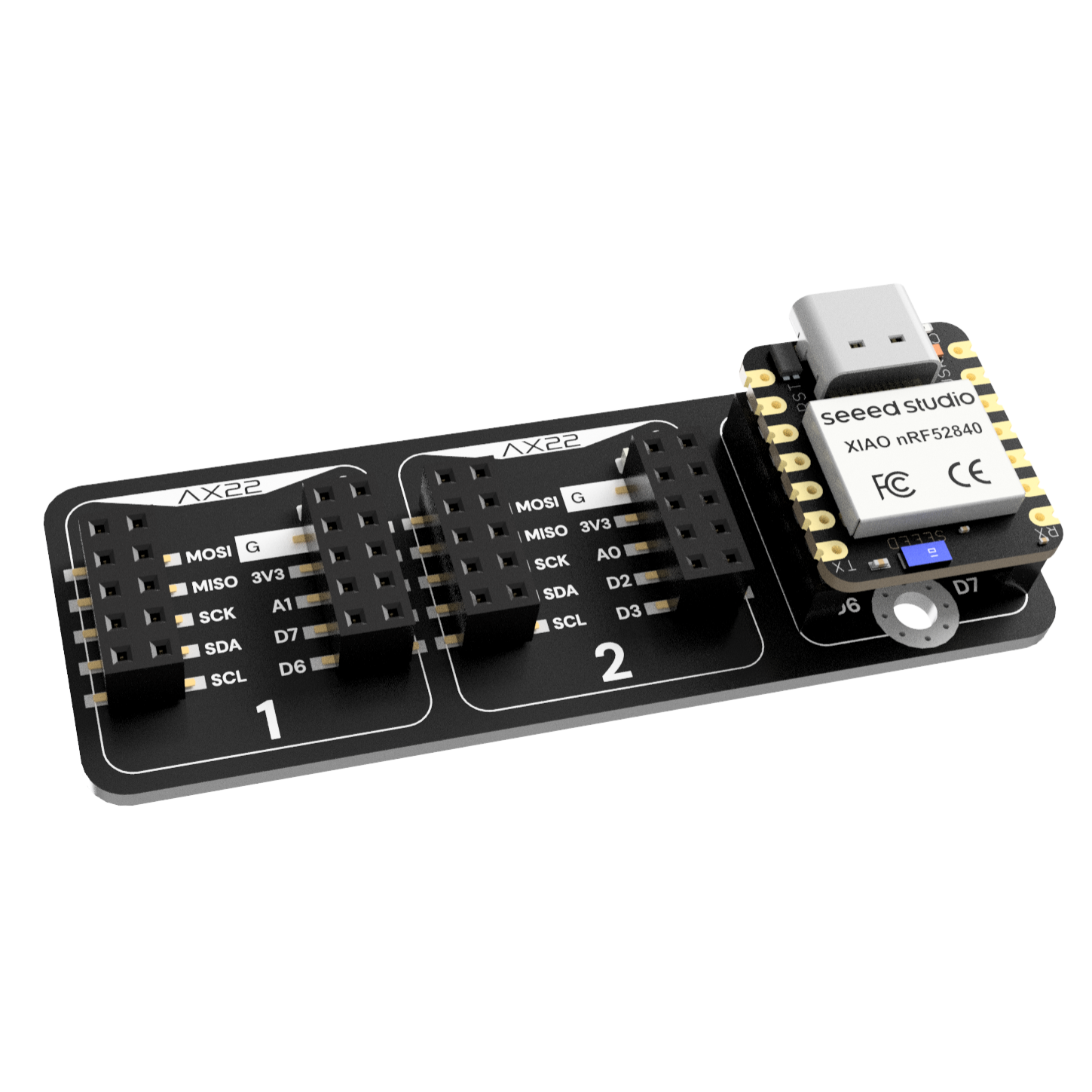
Axiometa Genesis XIAO Shield: Build Real Devices Without the Wiring
The Axiometa Genesis XIAO Shield is a modular hardware platform designed to simplify the process of building electronic devices. By connecting a Seeed Studio XIAO board and plugging in various AX22 modules, users can create functional hardware without the hassle of wiring, breadboards, or complex pin mapping. This approach allows for quick prototyping and experimentation, making it accessible even for those new to electronics.
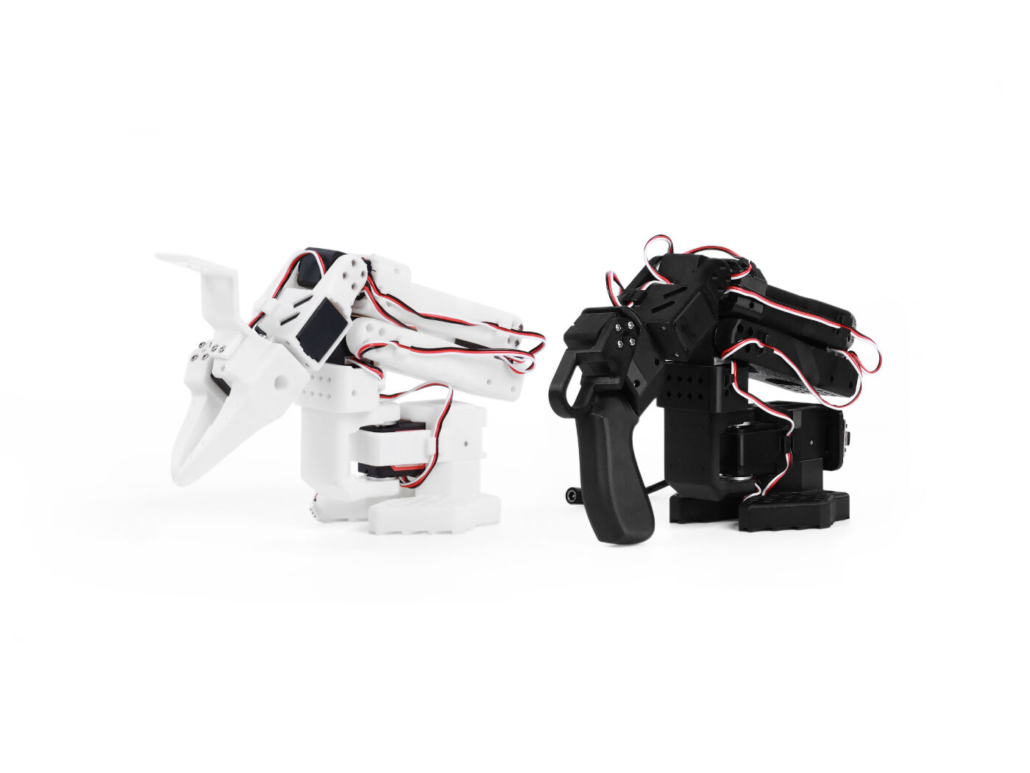
How Low‑Cost Teach a Robot Arms to Work on Their Own ?
This article explores the process of teaching a robotic arm to perform tasks autonomously through a method called Imitation Learning. It outlines a comprehensive workflow that includes calibration, teleoperation, dataset collection, training with Action Chunking with Transformers (ACT), and finally, deploying the robot in real-world scenarios. The focus is on a specific project using the SO-ARM101 robotic arm, which can complete pick-and-place tasks without human intervention after training.
How to Build a Low-Power Asset Tracking System for Large-Scale Plantations
The article discusses the challenges of tracking assets on large-scale plantations using traditional cellular GPS systems and presents a low-power alternative using LoRaWAN (Long Range Wide Area Network). Large plantations, such as those for palm oil or timber, often span thousands of hectares, making it difficult to maintain reliable connectivity. Cellular signals can be spotty, especially in remote areas far from infrastructure, leading to unreliable tracking of equipment and personnel.
Build Your Own 6-DoF Spatial Stylus for $155
Aalto University has introduced an open-source project called the Lighthouse Stylus, a six-degree-of-freedom (6-DoF) spatial stylus designed for projection-based interfaces. This device aims to provide an affordable alternative to costly motion capture systems, achieving better than 1 mm positional accuracy for around $155 in parts. It utilizes Valve's Lighthouse tracking technology through the Tundra Tracker ecosystem, but while the stylus's design and software are open source, it still relies on proprietary components for tracking.
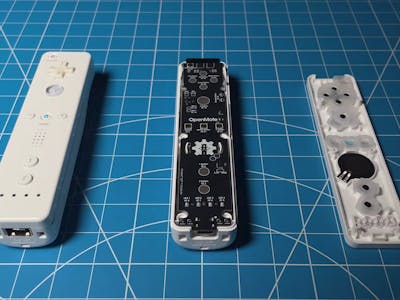
Your Old Wii Remote Can Now Control Your Smart Home
The OpenMote is a modern circuit board designed to fit inside the shell of a classic Nintendo Wii Remote, transforming it into a versatile controller for smart home devices and custom electronics projects. Built around an ESP32-S3-WROOM-1 module, the board features a dual-core processor, built-in Wi-Fi, and Bluetooth 5 LE, making it capable of handling various tasks beyond gaming.