Rising Edge Digital • Hardware & Embedded Systems for Software Developers
Making a Robot to Serve Some Mean Badminton Shuttlecocks · Set Up A VPN On Your Raspberry Pi · DIY Drone: From Electronics Bench to Flying ESP32 Quadcopter
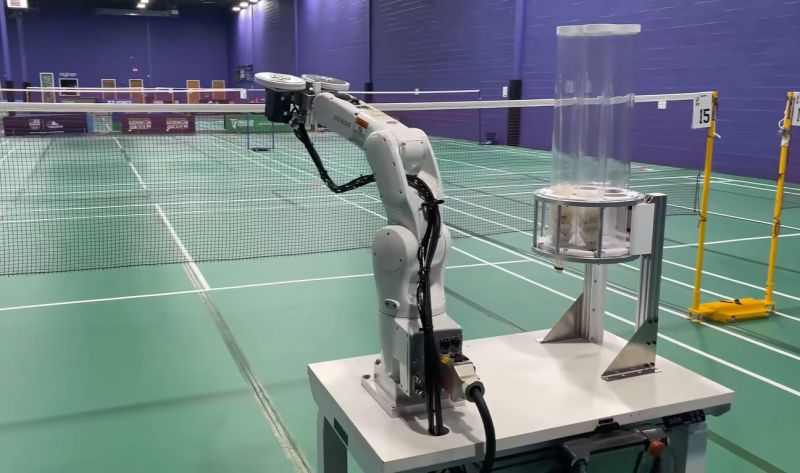
Making a Robot to Serve Some Mean Badminton Shuttlecocks
[Travis Mitchell] developed a badminton shuttlecock serving robot by repurposing a Denso VS050 industrial robotic arm. The project aims to automate the serving process in badminton, a sport that typically requires at least two players. The robotic arm is designed to pick up shuttlecocks from a hopper using a pneumatic grabber and then launch them using high-speed discs.
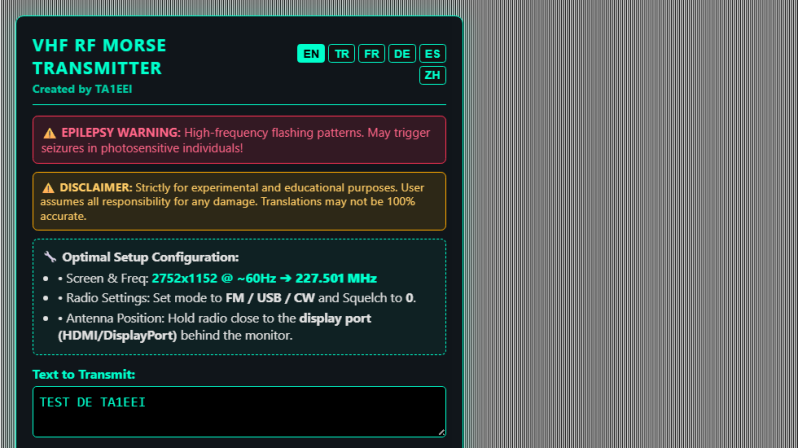
Get Your Monitor Transmitting VHF with a Browser Tool
A developer named Efe created a browser-based tool that enables your computer monitor to transmit VHF (Very High Frequency) signals. Instead of using traditional ham radio equipment, this tool leverages the graphics hardware in your computer by manipulating pixel clocks to generate signals. The concept involves calculating the transmission frequency based on the monitor's resolution and refresh rate, allowing the display of specific patterns to emit weak Morse code signals.
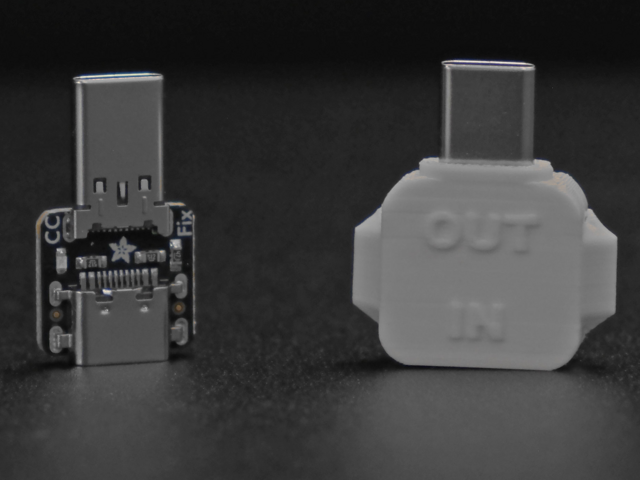
USB C CC Resistor Fixer Case
The Adafruit USB Type C CC Resistor Fixer is a handy solution for USB-C devices that fail to power up when connected to a USB-C Power Delivery port. This issue often arises from manufacturers neglecting to include the necessary 5.1K ohm configuration resistors, which can lead to inconsistent device behavior—some computers may not recognize the connection at all.

Set Up A VPN On Your Raspberry Pi
This article outlines how to set up a Virtual Private Network (VPN) on a Raspberry Pi, focusing on two popular options: WireGuard and Tailscale. WireGuard is highlighted as a fast and efficient VPN protocol that connects within a tenth of a second, making it an attractive alternative to the more traditional OpenVPN. The article links to a tutorial from PiMyLifeUp for those interested in implementing WireGuard on their device.

John Park’s CircuitPython Parsec: Fruit Jam Infrared IR Receiver
John Park's latest project introduces an infrared (IR) receiver that can control a Fruit Jam device using an IR remote control. This setup leverages CircuitPython, which is a user-friendly version of Python designed for microcontrollers, making it accessible for hobbyists and makers alike.
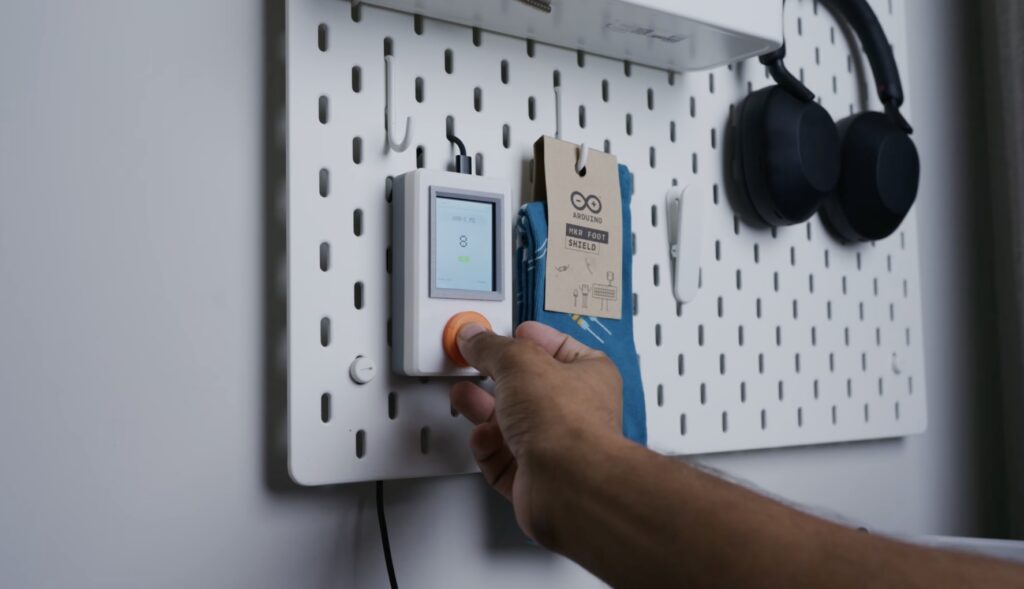
A mini inventory management system perfect your electronic components
Akashdeep Singh created a mini inventory management system tailored for electronic components, addressing the common problem of accumulating excess parts. This compact device is designed to help hobbyists and small businesses keep track of their components without the complexity of commercial systems.
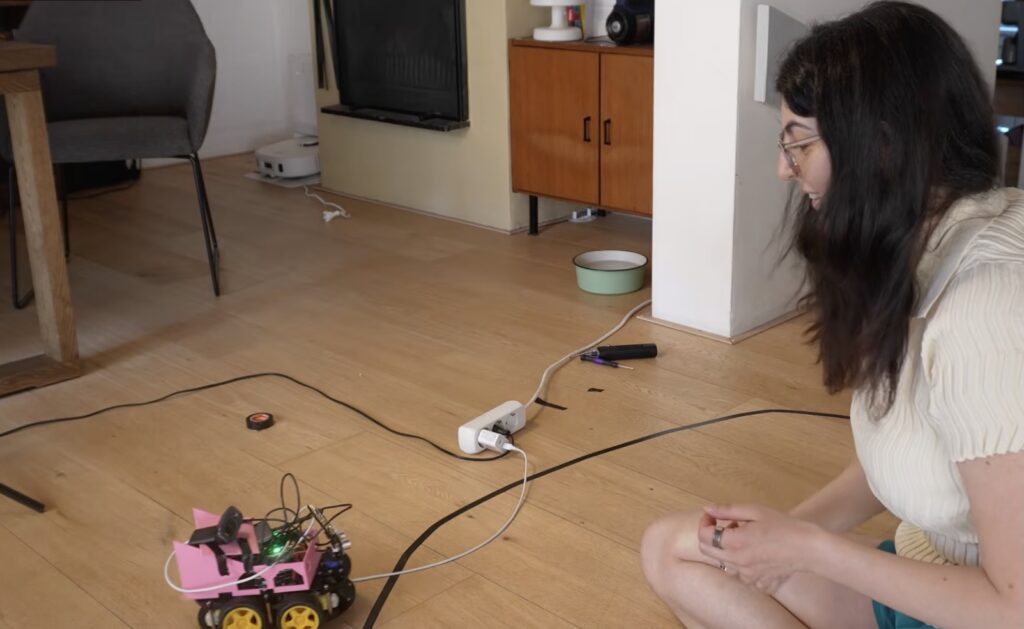
Affordable robot car kit becomes an intelligent creator-chaser
Iulia Feroli transformed a basic Elegoo robot car kit into an intelligent face-tracking robot using an Arduino UNO Q. Originally, the kit featured an Arduino UNO Rev3, which allowed for simple tasks like obstacle avoidance and line-following. However, Feroli upgraded to the UNO Q, which has a more powerful STM32 microcontroller running Linux, vastly improving the robot's capabilities.
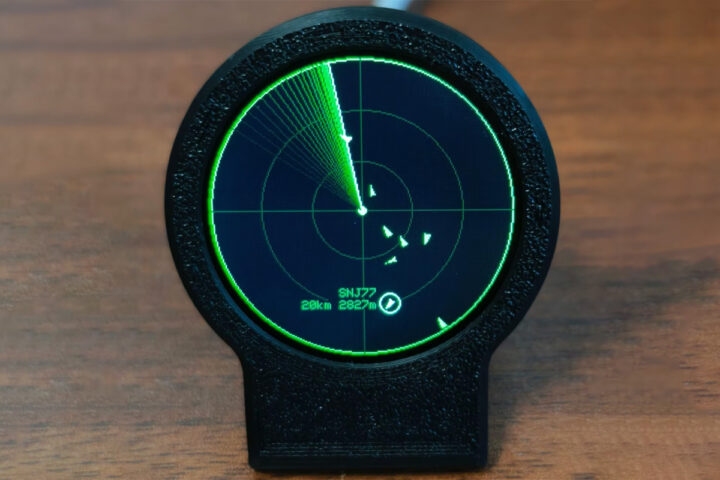
USB-C Deskradar – An ESP32-C3 ADS-B flight tracker with a 1.28-inch round display
The USB-C Deskradar is a compact ADS-B (Automatic Dependent Surveillance–Broadcast) flight tracker built around the ESP32-C3 microcontroller. It features a 1.28-inch round display that shows live aircraft positions on a sonar-style circular grid. This setup allows users to monitor flights in real-time from a specific location. The device is designed within a 3D-printed enclosure and connects via a USB Type-C port for programming.
Shorten Hardware Development Cycles by Parallelizing Firmware and PCB Design
The article discusses a method for speeding up hardware development by parallelizing firmware and printed circuit board (PCB) design using a Board Support Package (BSP). This approach allows engineers to separate the application logic from the physical routing of the hardware, which can significantly streamline the prototyping process.
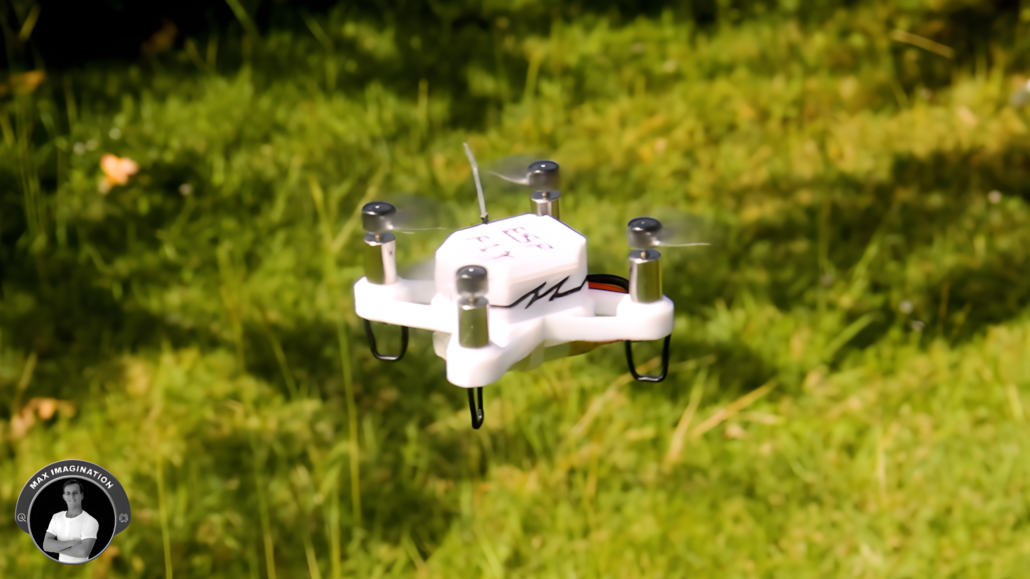
DIY Drone: From Electronics Bench to Flying ESP32 Quadcopter
The article outlines the intricacies of building a DIY quadcopter, focusing on the various components and systems that enable it to fly. While a small quadcopter might seem straightforward, it involves a complex integration of motors, sensors, firmware, and control algorithms that must work in harmony. If even one element—like a weak solder joint or a misaligned propeller—is off, the drone's performance can suffer significantly.
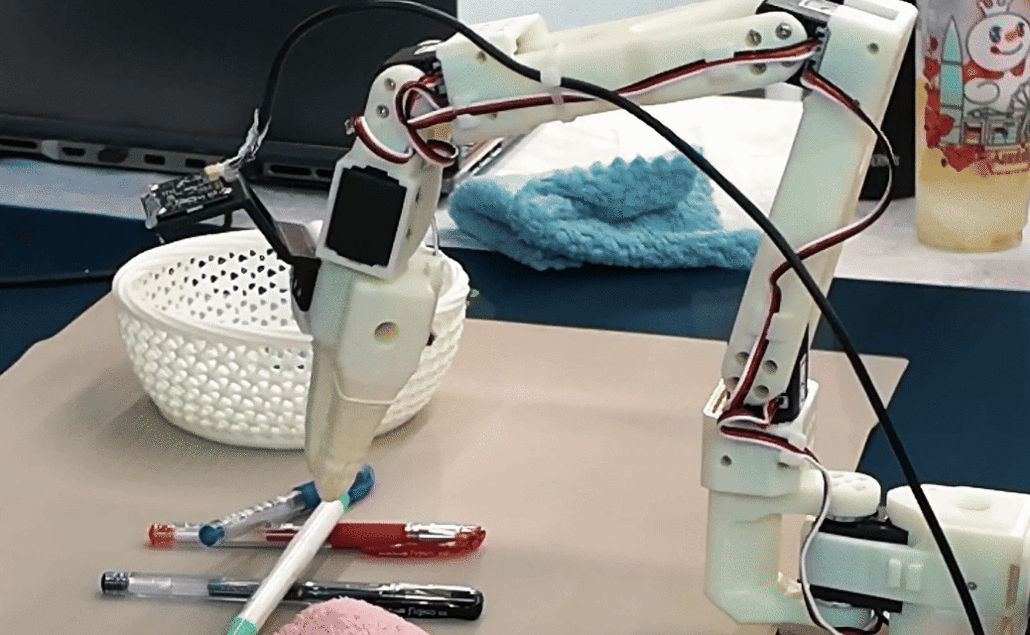
Cool SO-ARM101 Projects to Try Now: From Grasping to Imitation Learning
The article covers six hands-on projects focused on the SO-ARM101 robotic arm, which is part of the LeRobot platform. It offers a progression from basic tasks like teleoperation and dataset collection to more advanced concepts such as imitation learning and reinforcement learning, making it suitable for various skill levels. Each project is ranked by difficulty, helping you choose where to start based on your experience.
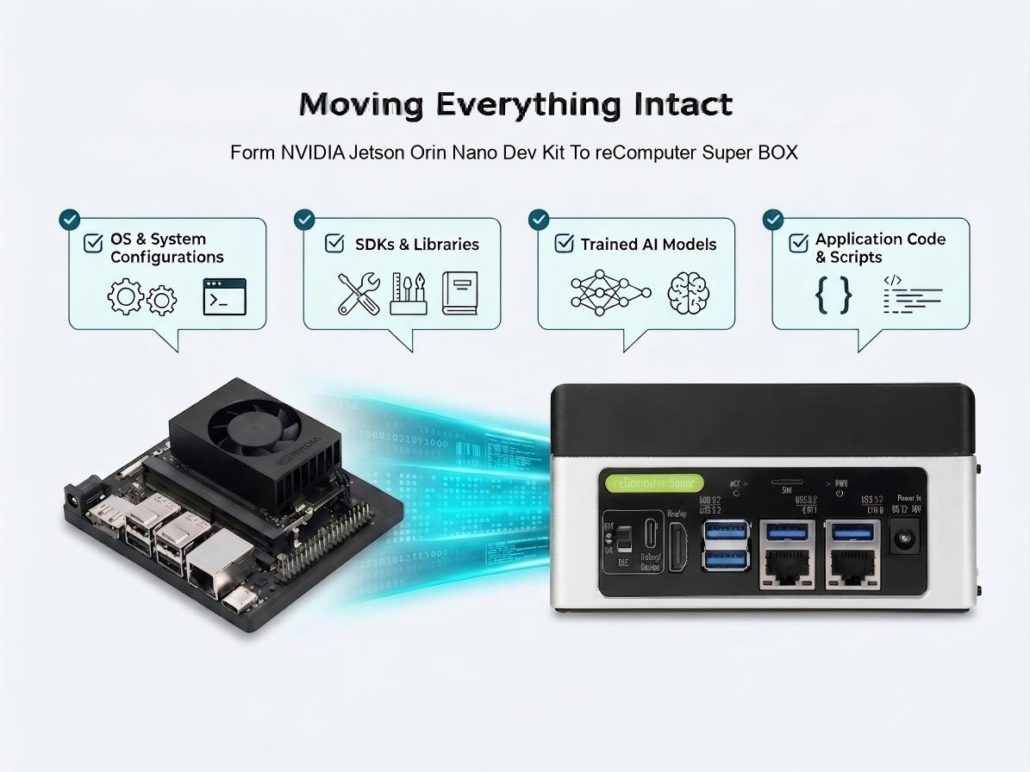
Moving Everything Intact: From Orin Nano Dev Kit to reComputer Jetson
The article discusses a new tutorial from Seeed that addresses a common challenge faced by developers using the Jetson Orin Nano Super Dev Kit: how to transition their projects smoothly to the reComputer Jetson hardware. Typically, developers have to either reflash the entire system or manually migrate only their code, which can be tedious and error-prone. The new tutorial offers a third option, allowing for complete preservation of the application's environment during the transition.
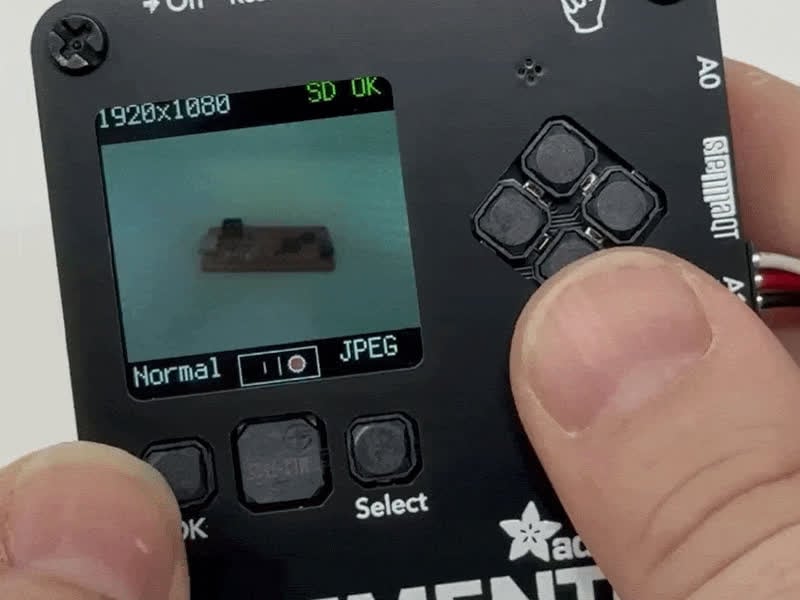
NEW GUIDE: Adding a Bubble Level to the MEMENTO Products
The article introduces a new guide for adding a customizable bubble level to the MEMENTO Python-programmable camera, making it easier to take level photos. By leveraging the built-in accelerometer in the MEMENTO camera, users can ensure their shots are straight, whether they're capturing horizontal images or top-down views. This is especially useful for preventing that annoying tilt that can ruin a perfectly good photo.

How to Deploy Local LLMs for Embedded Software Development: The Inference Stack and Honest Comparison
This article discusses the deployment of local Large Language Models (LLMs) specifically for embedded software development. The author outlines the advantages of using self-hosted LLMs, such as maintaining client confidentiality, ensuring data sovereignty, providing offline reliability, and controlling costs related to token usage. In the first part, the article sets the stage by explaining the motivations behind these models and the relevant terminology.

A Film-Free Instant Camera Powered by E Ink Cartridges
Strange Inventions has created a unique instant camera that uses E Ink cartridges instead of traditional film. This DIY project aims to capture the nostalgic experience of instant photography while eliminating the costs and waste associated with disposable film. Users can take photos, process them, and then transfer the images to removable E Ink cartridges that display the pictures permanently without needing power after the initial transfer.