Rising Edge Digital • Hardware & Embedded Systems for Software Developers
Off-Grid OCR Server Powered by iPhone · EEVblog 1751 – Oscilloscope Phase Measurement Masterclass · Patching my guitar amp's firmware
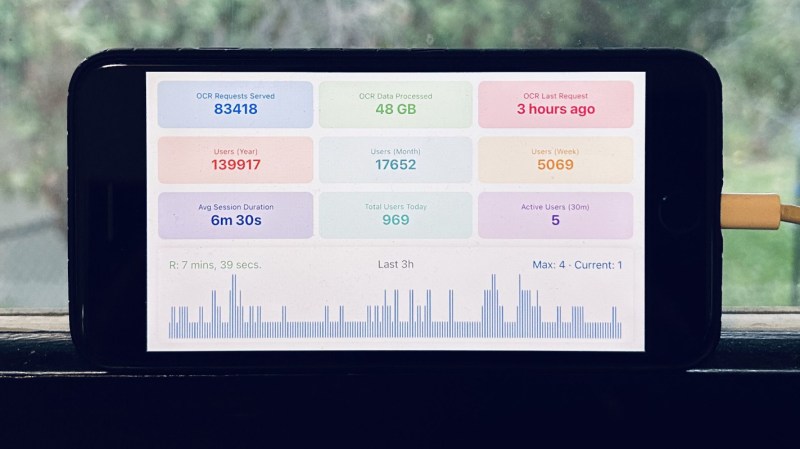
Off-Grid OCR Server Powered by iPhone
[Hemant] created an off-grid optical character recognition (OCR) server using an iPhone 8 powered entirely by solar energy. Typically, you'd expect an OCR server to require robust hardware, but the combination of this older smartphone and Apple’s Vision framework, which leverages machine learning for tasks like character recognition, makes it feasible. The iPhone’s battery serves as the initial power source, supplemented by a power bank to optimize its connection with a solar panel.
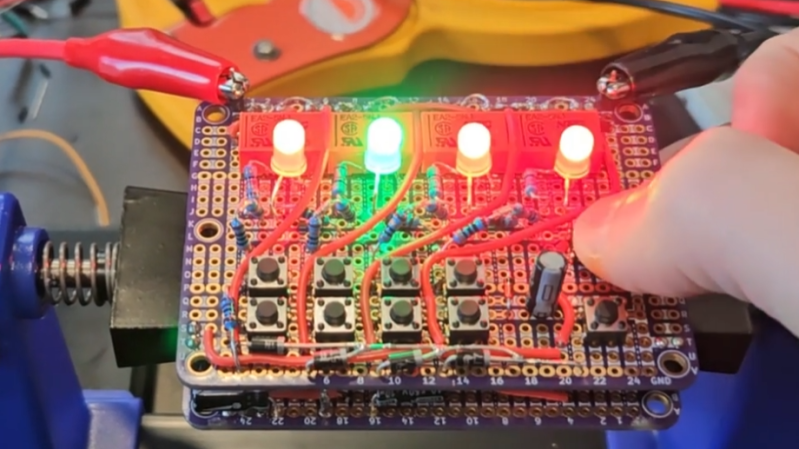
4-bit Relay Logic Counter Begs To Have Its Buttons Pushed
Agatha Mallett built a 4-bit counter using relay logic, making use of some small relays she had on hand, despite their poorly documented specifications. The project focuses on implementing D-type flip-flops with relays, which involves carefully managing the coil voltage to toggle the relay states. The counter features buttons for incrementing and clearing the count, as well as for setting or clearing individual bits, making it highly interactive.
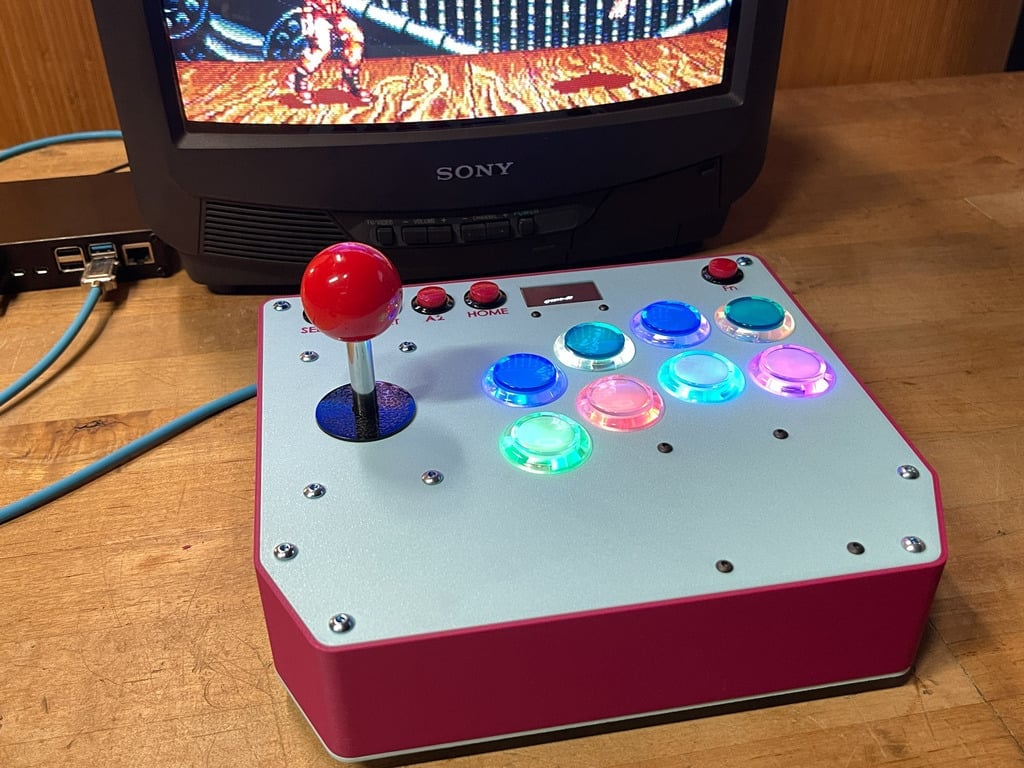
Arcade Fightstick
The article discusses building a custom arcade-style USB fightstick using an Adafruit KB2040 board and GP2040-CE firmware. This project allows you to create a fightstick that works with various gaming platforms, including Nintendo Switch, PlayStation, Xbox, and even Raspberry Pi-based RetroPie emulators, as well as PC and Mac systems.
Make a 3D Printed Camera LED Ring
The article describes how to create a DIY 3D-printed LED ring for cameras, designed to enhance macro photography without breaking the bank. The project utilizes a NeoPixel Ring, which is a type of addressable LED, along with a Trinket microcontroller from Adafruit. This setup allows you to customize the color and brightness of the lights, making it easier to achieve the perfect lighting for your shots.

John Park’s CircuitPython Parsec: LCD Character Display Custom Glyphs
John Park's latest project focuses on enhancing LCD character displays by allowing users to create custom glyphs using CircuitPython. This feature lets you define up to eight unique characters, which can be particularly useful for projects that require specific symbols or icons not available in standard character sets. The article includes a code example to get you started, making it easy to implement this functionality in your own projects.

Industrial-grade vision inspection, made accessible by the Arduino® UNO™ Q board
The article discusses the Arduino® UNO™ Q board, which makes industrial-grade vision inspection accessible and affordable. Traditional systems for inspecting products in factories are often costly and complex, but the UNO Q offers a streamlined approach. By combining a Linux environment with a microcontroller (MCU), it manages tasks like image processing, model deployment, and local data handling, all of which are essential for effective vision inspection without the high price tag.
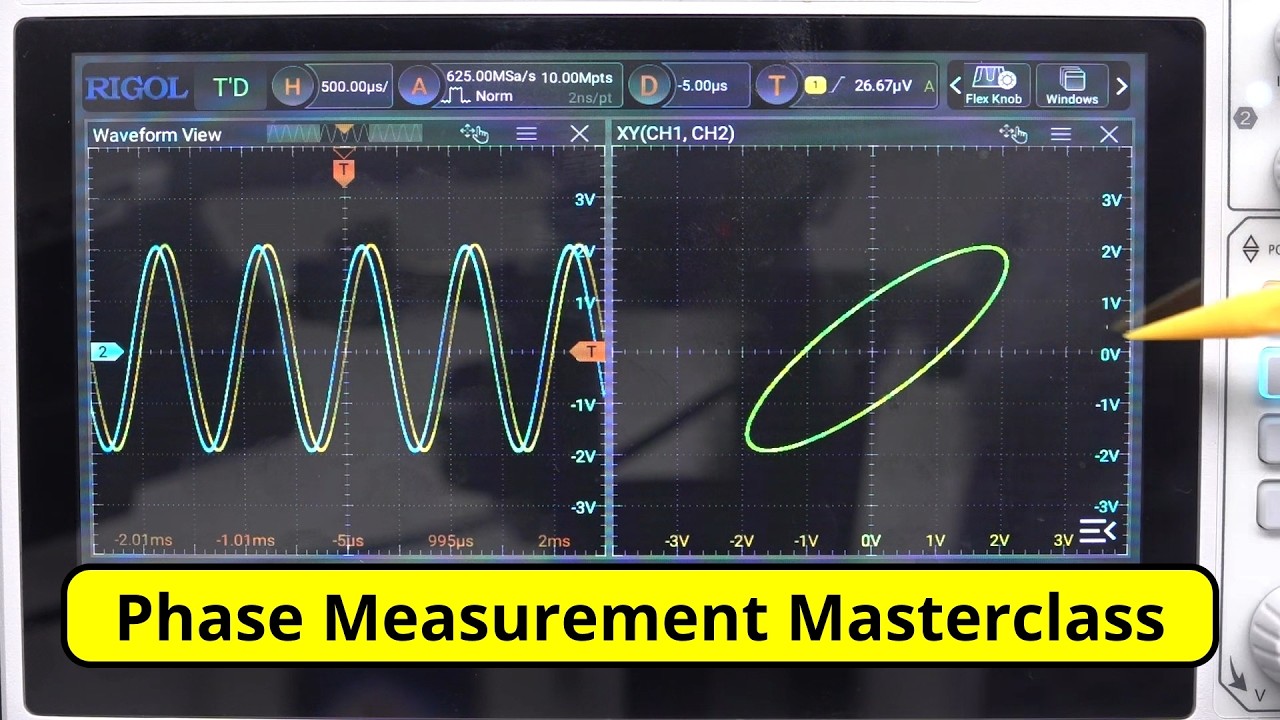
EEVblog 1751 – Oscilloscope Phase Measurement Masterclass
This article is a detailed guide on measuring phase angle using an oscilloscope, featuring five different methods. It kicks off with a basic introduction to phase angle measurement, explaining its significance in various applications. Following that, the video tutorial dives into specific techniques, starting with automated measurements and moving through manual methods like cursor and graticule measurements. It also highlights common pitfalls, particularly distinguishing between positive and negative phase angles.
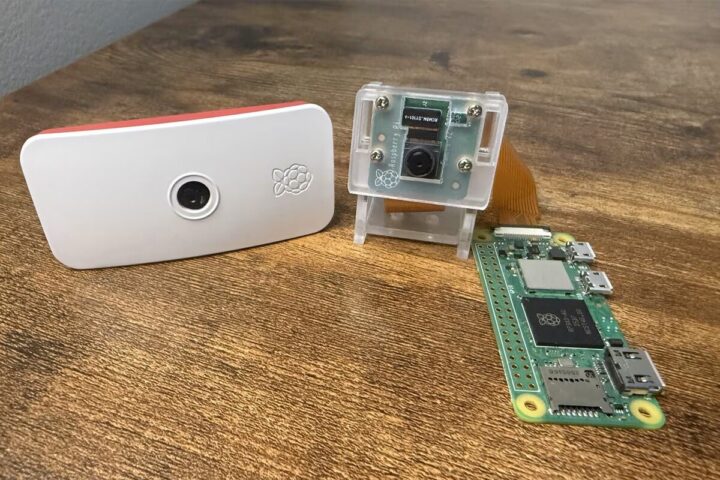
Privacy-focused, open-source Raspberry Pi Zero 2W DIY security camera offers end-to-end encryption, on-device AI
Secluso is an open-source DIY security camera system based on the Raspberry Pi Zero 2 W. It emphasizes privacy by implementing true end-to-end encryption (E2EE) and on-device artificial intelligence (AI) for detecting humans, pets, and vehicles. This project offers a compelling alternative to commercial smart home cameras, which typically send raw video feeds to proprietary clouds, raising privacy concerns.
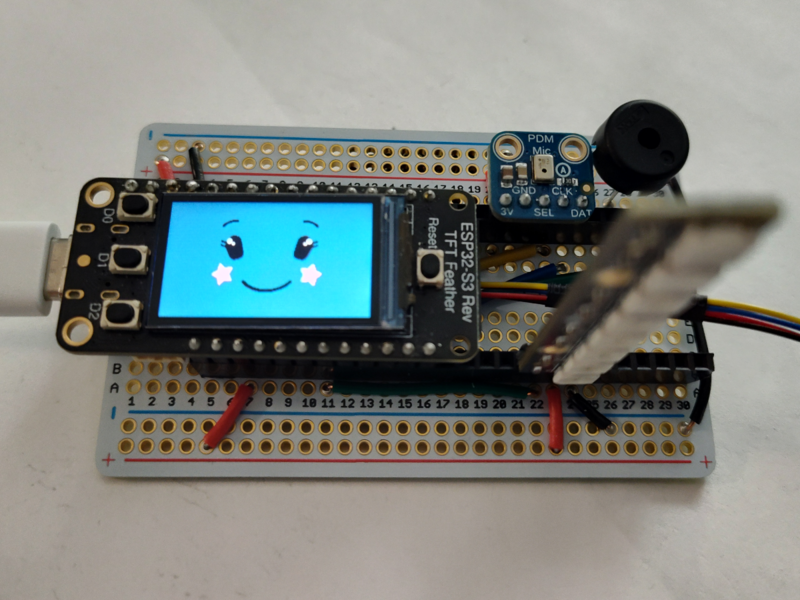
NEW LEARN GUIDE: LLM Agent Embodiment Kit
The article introduces a new learn guide for the LLM (Large Language Model) Agent Embodiment Kit, designed by Adafruit, which allows an LLM to interact with its environment using a feedback loop. This project is based on Olivia Zhu's research on creating a minimal self-perceiving embodiment for LLMs, emphasizing the need for agents to have a grounded presence in the physical world.

Semihosting with LinkServer in VS Code
Semihosting is an ARM technology that allows embedded applications to interact with a host system, enabling functionalities like console output and file input/output during debugging. This article walks you through setting up semihosting with the NXP LinkServer in Visual Studio Code (VS Code), focusing particularly on the necessary configurations in the launch.json file and how to manage terminal outputs.
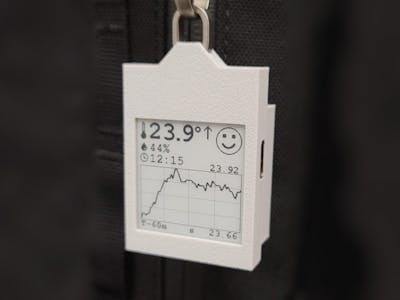
Michael Manning's "Weathergotchi" Lets You Know Exactly How Cold You Got While Camping
Michael Manning created a compact environmental data logger called the "Weathergotchi" to track temperatures during his camping trips. Frustrated by conventional temperature loggers that required smartphone apps for data access, he designed his own solution that displays real-time temperature and historical data using an electrophoretic ePaper screen.
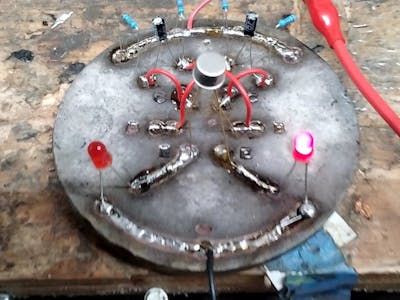
Emily Velasco's Blinky Lights Build Needs No Printed Circuit Board: It's Pottery-Tronics
Emily Velasco has created a unique circuit board using ceramics and a copper-based glaze, moving away from the traditional fiberglass substrate. Inspired by a European hacker collective, she experimented with clay and glazes, discovering that she could solder to her custom-made ceramic boards. This innovative approach involves creating a basic astable multivibrator circuit, which powers two blinking lights.
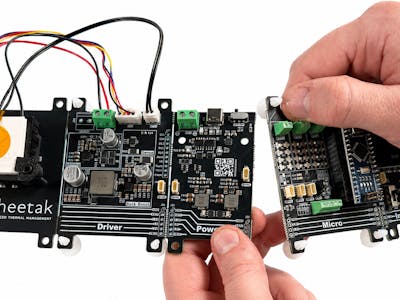
Beat the Heat with the Modular CryoSnap Dev Kit
The CryoSnap Thermoelectric Dev Kit, designed by Sheetak, is a modular development board aimed at helping engineers manage thermal systems more efficiently. This kit offers a collection of components that let users quickly assemble and control a complete thermal management solution. Once validated, these modules can be integrated into final product designs, streamlining the development process.
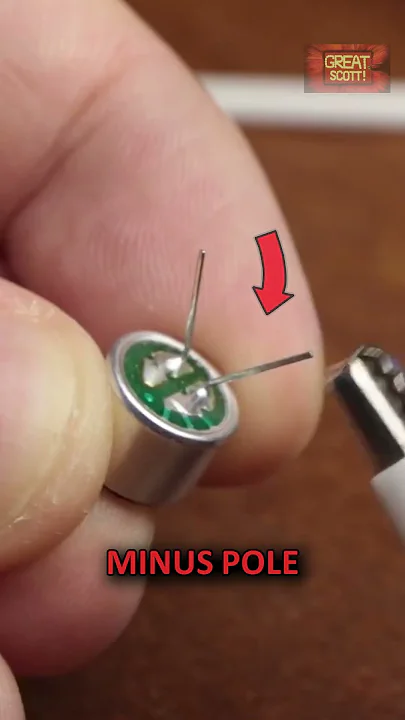
I broke my Mic... So I Built One!!
In this video, the creator shares their experience of building a microphone after breaking their original one. They walk through the design process, detailing the components used, which include a diaphragm, a preamplifier circuit, and a few other essential parts. The build relies on basic electronics principles, making it accessible even for those who may not have extensive backgrounds in hardware engineering.
Patching my guitar amp's firmware
The article discusses the process of patching the firmware of a guitar amplifier to enhance its performance and add new features. The author shares their experience with the specific model of the amp and the steps taken to successfully update the firmware, including the tools and software used.
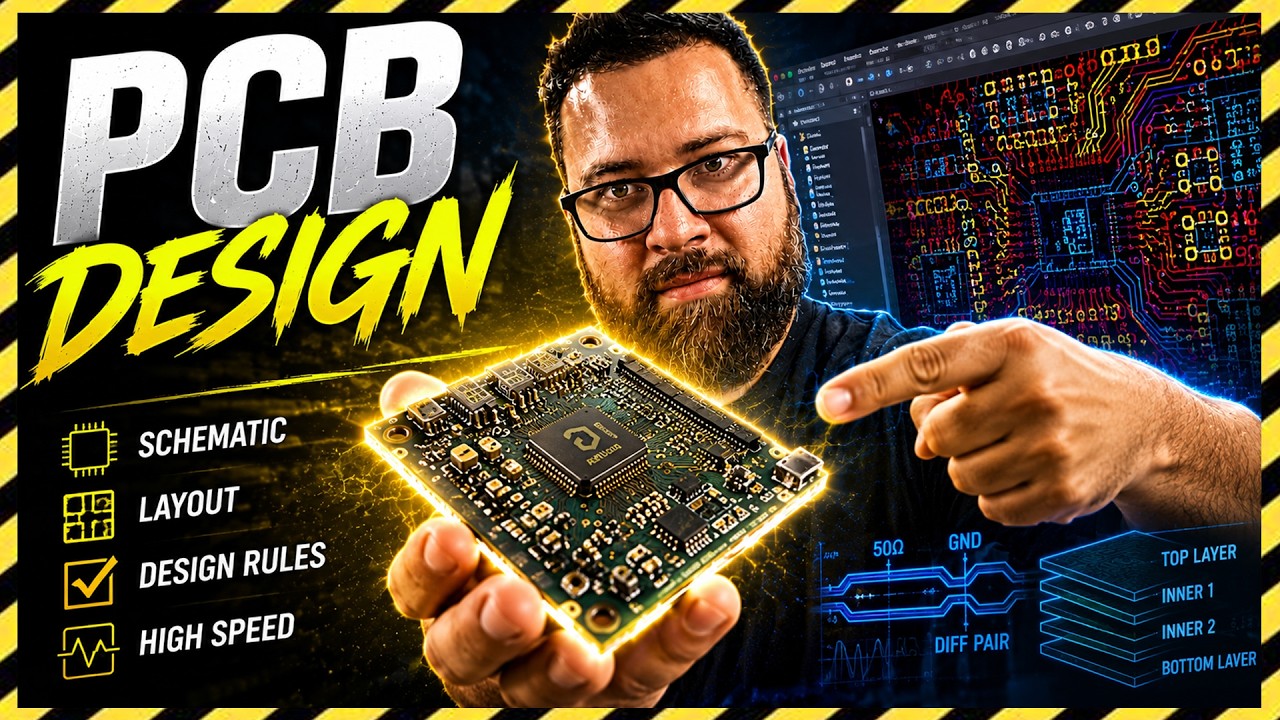
How I make my PCBs? Start to Finish
The video tutorial provides a comprehensive guide on designing printed circuit boards (PCBs) from scratch, specifically tailored for an Arduino-based spot welder project. It uses KiCad, a free and open-source PCB design software, to illustrate the entire process, from creating electronic circuits to producing the final board.