Rising Edge Digital • Hardware & Embedded Systems for Software Developers
Power Control for a Busy Workbench · Making a Poor Man’s Polaroid · 48×32, a 1536 LED game device
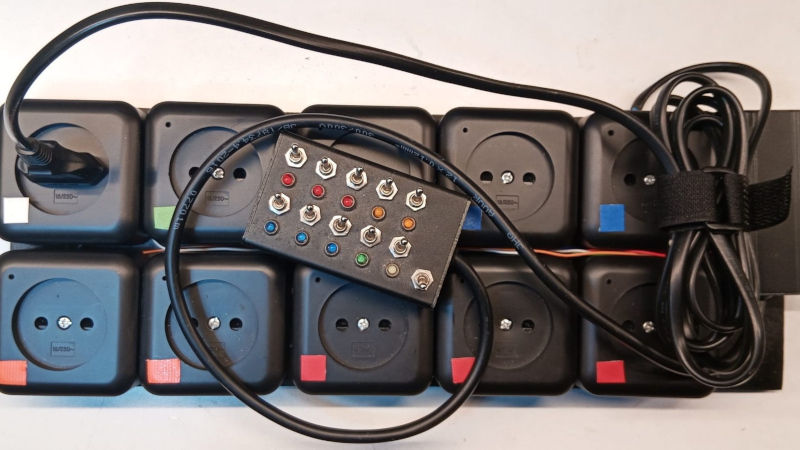
Power Control for a Busy Workbench
[Jeroen Brinkman] created a multi-way switch box to manage the power needs of his busy workbench. This project goes beyond a simple power strip; it incorporates microcontrollers to control relays, allowing each toggle switch to manage individual sockets. Additionally, it features status LEDs for visual feedback and a master switch for centralized control.
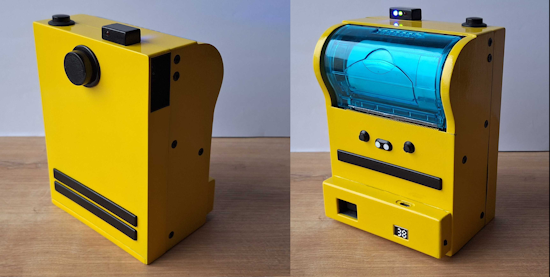
Making a Poor Man’s Polaroid
The Poor Man's Polaroid is a DIY instant camera project that combines a Raspberry Pi Zero with a camera and a small thermal printer, similar to the ones used for printing receipts. While the photo quality doesn't match that of traditional Polaroid film, the results have their own quirky appeal. The project involves 3D printing the necessary parts and using Python to handle the code.

48×32, a 1536 LED game device
Jacques Mattheij created a game device using a 48×32 LED display, made by combining six 32×8 addressable LED panels. This project arose from a desire to shift his children's focus from passive gaming on their smartphones and laptops to something more interactive and creative. He used an Arduino R4 as the main controller along with standard wiring and connectors to assemble the hardware.

Orbigator is an open-source, physical satellite tracker
Orbigator is an open-source satellite tracker that allows you to physically follow satellites, like the International Space Station (ISS), in real-time. Built around the Raspberry Pi Pico 2 and equipped with precision DYNAMIXEL servos, it offers continuous tracking without the need to reset or unwind, thanks to its innovative rotating globe design.
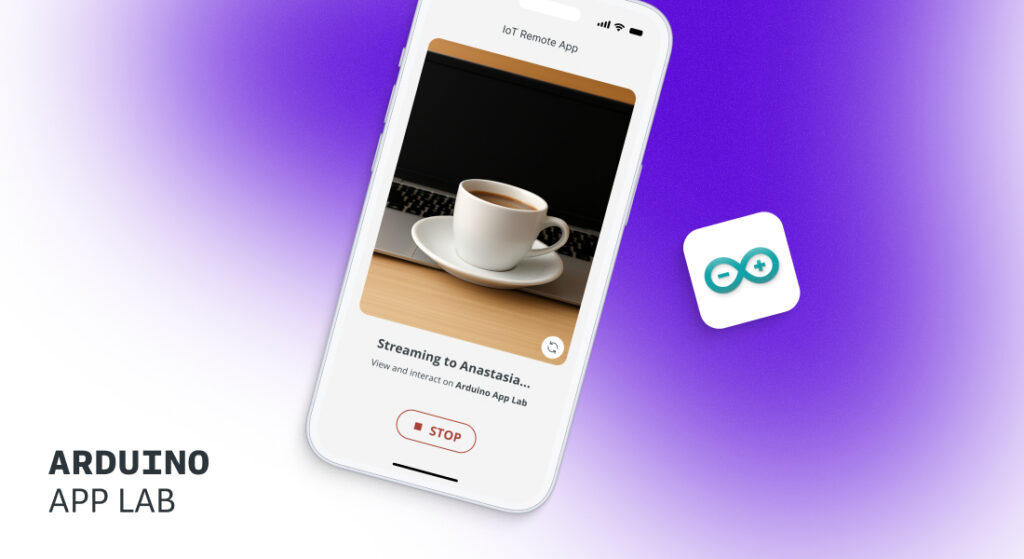
Turn your smartphone into a real-time vision input for Arduino® UNO™ Q
The Arduino IoT Remote App has introduced a feature that allows you to use your smartphone as a real-time camera input for the Arduino UNO Q board. This means you can stream high-resolution video directly from your phone to the board without needing any additional hardware, cloud setup, or cables. It simplifies the process of integrating computer vision into your projects, enabling faster prototyping.

Doomscroll without walking into poles with this handy device
The DOOMSCROLLER 3000 is a creative device designed to help smartphone users avoid walking into obstacles while engrossed in their screens. Created by Dylan Benzekry, this gadget attaches to your phone and utilizes sensors to detect nearby obstacles like poles and walls. When an obstacle is detected, it alerts the user with blinking lights and an audible alarm, guiding them to navigate safely without needing to look up.

Flashing Yocto Images from MacOS
The article provides a step-by-step guide on how to flash Yocto images from a MacBook, primarily for those working with embedded systems. The author walks through the installation of `bmaptool`, a utility designed to copy disk images efficiently, using Homebrew. The specific commands for installing the tool and finding the target device are included, helping readers navigate the macOS terminal easily.

NEW GUIDE: MIDI Breath Controller
Adafruit has released a guide on building a MIDI breath controller using the BMP585 air pressure sensor. This sensor is designed to measure air pressure changes, and in this project, it connects to a tube that captures breath input. The setup involves a QT Py RP2040 microcontroller running CircuitPython, which translates the pressure readings into MIDI Continuous Controller (CC) messages.
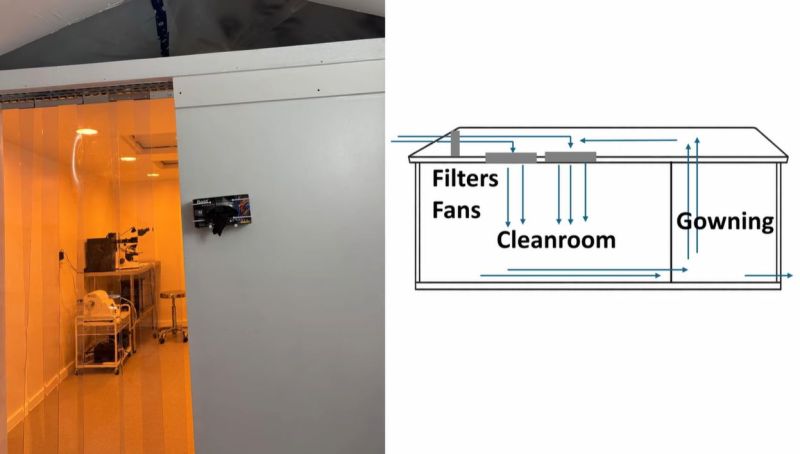
Building a Class 100 Semiconductor Cleanroom Inside a Shed
[Dr. Semiconductor] transformed a typical garden shed into a Class 100 cleanroom suitable for semiconductor manufacturing. This project showcases that the principles of cleanroom design apply just as effectively in a backyard setting as they do in high-tech fabrication facilities. The key components include HEPA (High-Efficiency Particulate Air) filtration and maintaining positive air pressure, which keeps contaminants out.
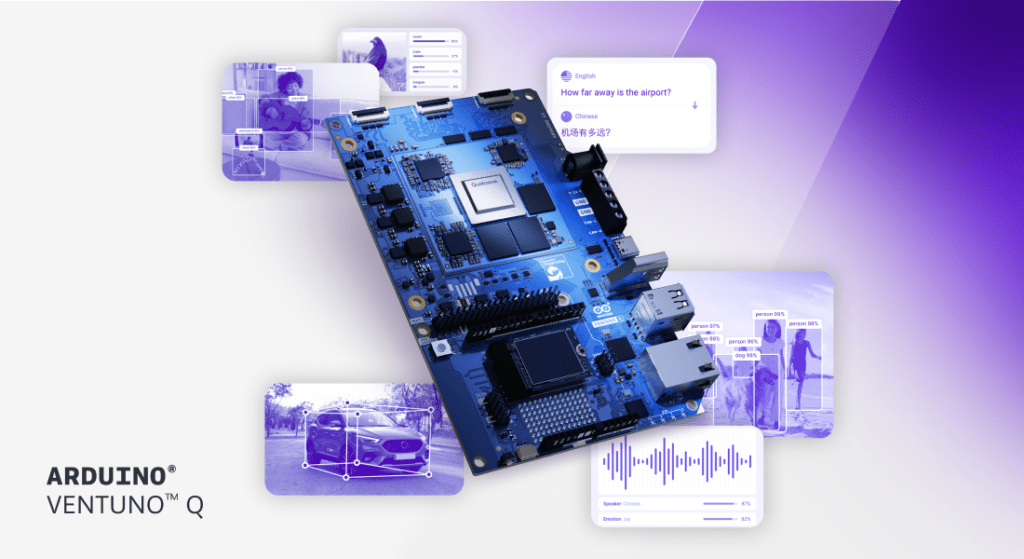
Introducing Arduino® VENTUNO™ Q: your new AI, robotics, and actuation platform!
Arduino has unveiled the VENTUNO Q, a new single-board computer designed for AI, robotics, and actuation. This board features a dual-brain architecture that includes a Qualcomm Dragonwing IQ8 Series processor, which is optimized for AI tasks with NPU (Neural Processing Unit) acceleration, and an STM32H5 microcontroller for real-time control. With 16 GB of RAM and 64 GB of expandable storage, it’s built to handle complex multitasking while maintaining low-latency performance.

Exploring the ocean with Raspberry Pi–powered marine robots
MDM Team is developing autonomous marine robots powered by the Raspberry Pi Compute Module 4, aimed at facilitating underwater exploration and environmental monitoring. These robots, which include autonomous surface vehicles (ASVs) like Cariddi and micro-autonomous underwater vehicles (AUVs) like Stok, are designed to operate without human intervention, using advanced sensors and onboard computing for navigation and data collection.
Cornell students’ 2025 Pico projects
Cornell University's Electrical and Computer Engineering students recently showcased their projects built around the Raspberry Pi Pico, a compact and versatile microcontroller. In the course "Digital Systems Design Using Microcontrollers," students create innovative and often playful applications using the RP2040 chip found in the Pico boards.
Build Your Own Clock With Analog Dials, Part 2
This article delves into the design of a unique clock that uses analog ammeters to display both time and temperature. It focuses on the second circuit crucial for timekeeping, detailing how it integrates with the overall clock system. The project leverages basic electronic components and principles to create an engaging and functional timepiece.
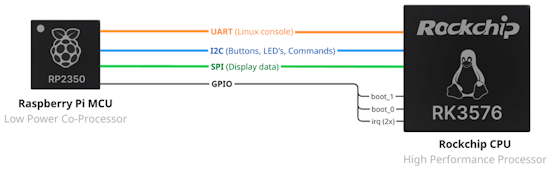
Opening the Flipper One source code repositories step by step
Flipper R&D has begun releasing the source code for the Flipper One device, starting with the MCU (Microcontroller Unit) firmware. This initial repository is now available on GitHub and can be found at the link provided in the article. The Flipper One features a dual-processor architecture, integrating both a low-power MCU and a high-performance Linux CPU.

Diagnosing a Mysterious Fault with a Commodore 1541 Disk Drive
The article details the troubleshooting process of a faulty Commodore 1541 floppy disk drive, which was exhibiting a strange behavior: the activity LED blinked just once on power-up while the motor kept spinning. This confusing symptom prompted a deeper investigation into potential undocumented error codes, as the documented codes for this drive start at two flashes.
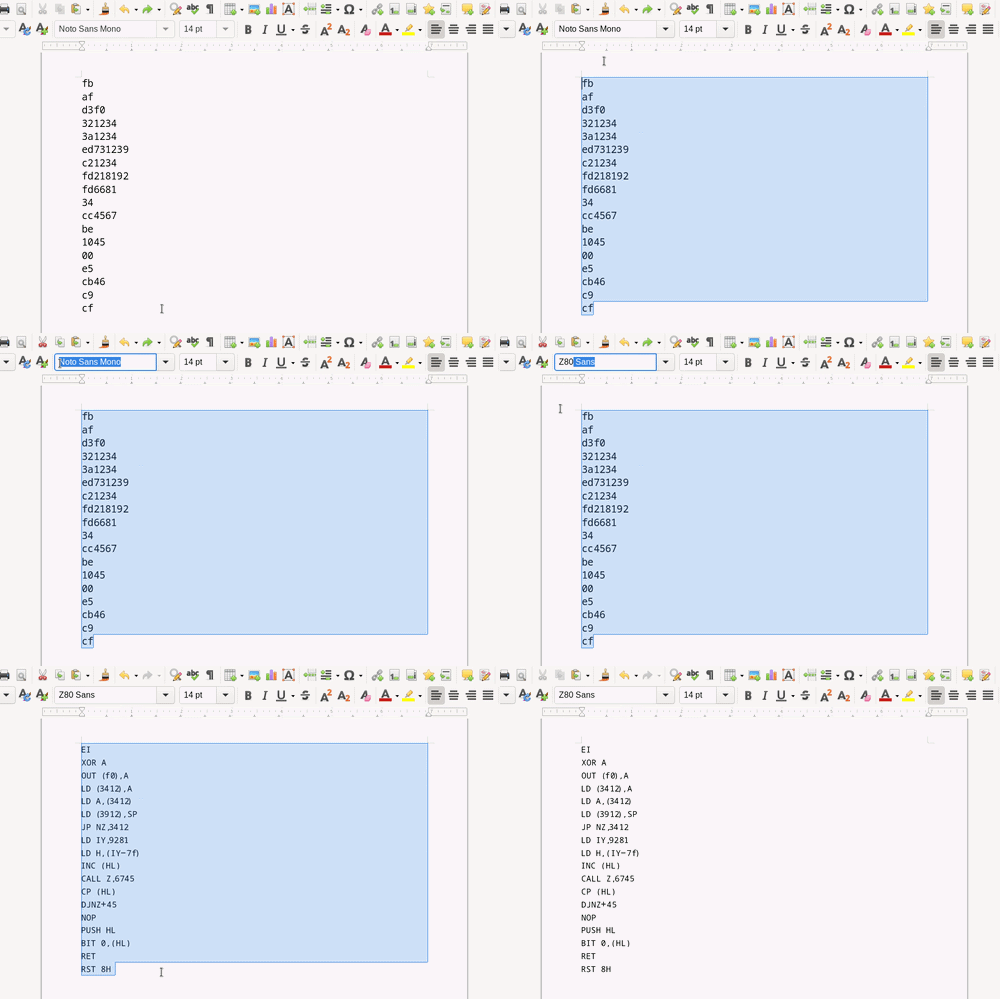
Disassemble Z80 instructions by changing the font
Nevesnunes on GitHub has created a unique font that allows users to disassemble Z80 (Zilog Z80) instructions simply by changing the typeface. This innovative approach utilizes OpenType's Glyph Substitution Table (GSUB) and Glyph Positioning Table (GPOS) to convert sequences of hexadecimal characters directly into readable Z80 assembly code.