Rising Edge Digital • Hardware & Embedded Systems for Software Developers
Control Your Smart Home With Trek-Inspired Comm Badge · ICYMI – Adafruit IoT Monthly · Arduino UNO Q solves the classic resistor pile issue
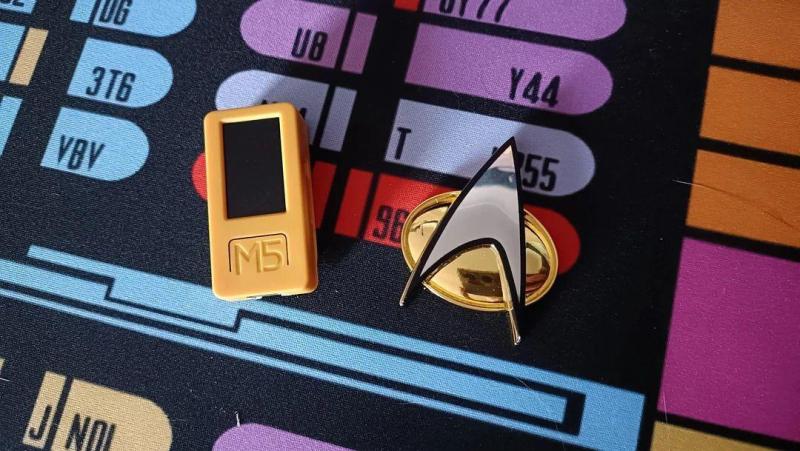
Control Your Smart Home With Trek-Inspired Comm Badge
[SpannerSpencer] created a smart home control device inspired by the iconic Comm Badge from *Star Trek: The Next Generation*. This project integrates a metal comm badge with an M5StickC PLUS2, an ESP32 development kit, allowing for a unique and nostalgic way to manage smart home commands without relying on constant voice activation. The M5Stick is worn under the shirt, with its magnet holding the badge in place, while the badge itself functions as an input device.

3D Printed Dragon Lamp
This article covers a fun project where you can create a 3D printed Dragon Lamp inspired by Game of Thrones, featuring a detailed dragon model with the Night King riding on its back. The design is crafted by the 3Demon team and includes a hollow flame that fits over a light bulb, printed in translucent filament to help diffuse the light from LEDs.

ICYMI – Adafruit IoT Monthly: Accidental Antennas, Hardware Catalog, and more!
The February 2026 issue of Adafruit's IoT Monthly newsletter covers a range of interesting projects and updates in the Internet of Things (IoT) space. One highlight is a novel approach to antenna design using a cluster of Nvidia B200 GPUs that allows for innovative, brute-force exploration of antenna configurations. This could open up new possibilities for hardware engineers looking to create more effective antennas.
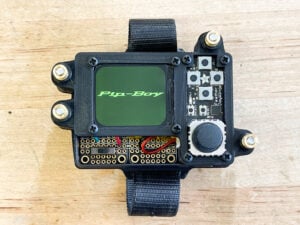
Pip-Boy 2040 Wrist-Mounted Prop Guide
The article discusses a guide for building a Pip-Boy 2040, a wrist-mounted prop inspired by the Fallout video game series. This project utilizes the Feather RP2040 microcontroller and CircuitPython, allowing you to create a compact and stylish wrist-computer that can be used for cosplay or everyday wear.

Make a T³ Time Triangle Thing with Adafruit 1.2″ 8×8 LED Matrix, Currently on Sale!
This article introduces a fun project called the T³ Time Triangle Thing, which utilizes Adafruit's 1.2″ 8×8 LED Matrix. This mini LED matrix is currently on sale, making it an ideal choice for hobbyists looking to create a unique physics-based hourglass gadget.
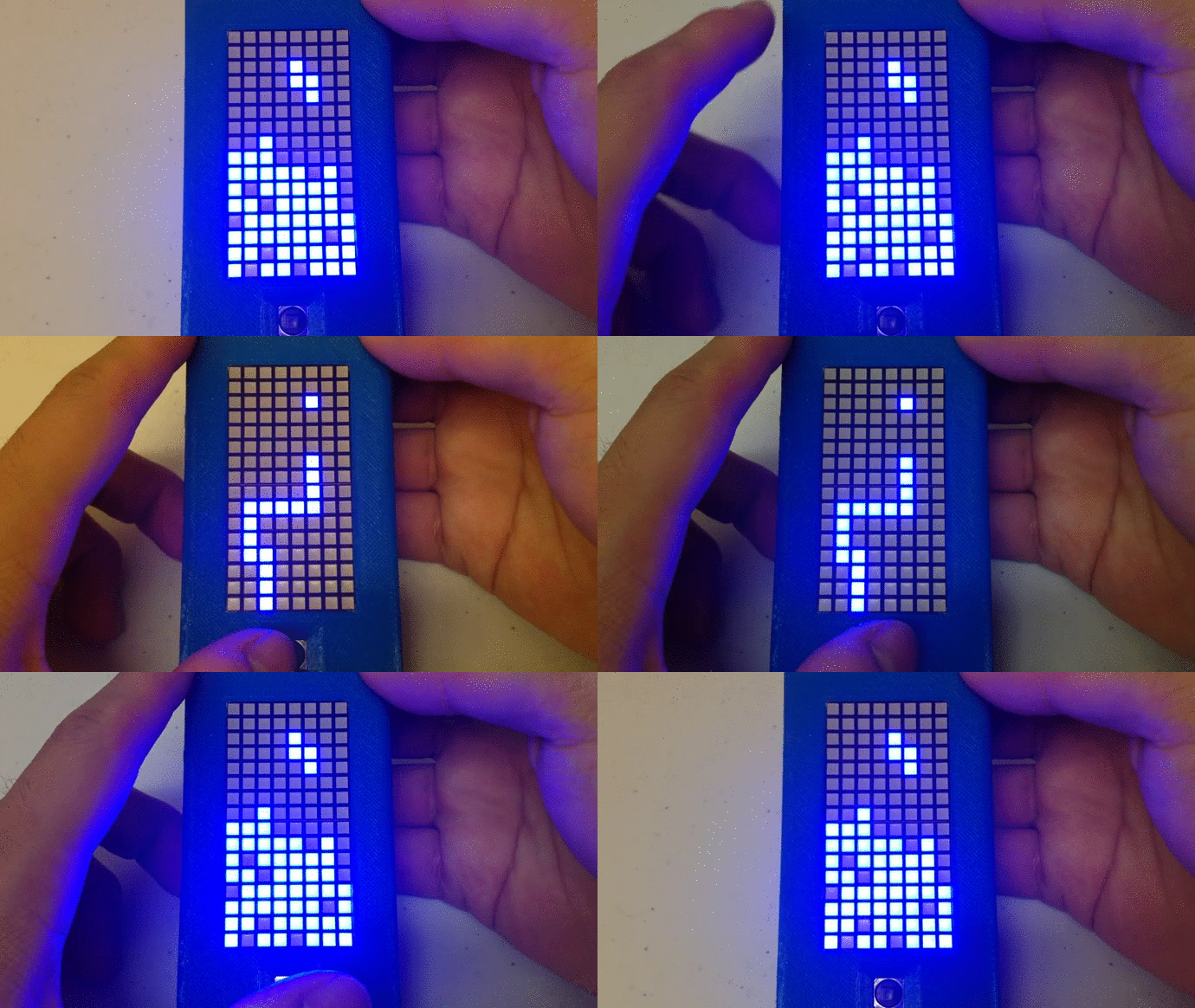
Make a DIY Pocket LED Gamer – Tiny Tetris!
The article details a DIY project for building a pocket-sized LED gaming device called Tiny Tetris. This handheld console lets you play classic games like Tetris and Snake, as well as a simple paint program. You can navigate through the game options using left and right buttons, and once you select a game, you can tweak settings like brightness while holding down the center button.
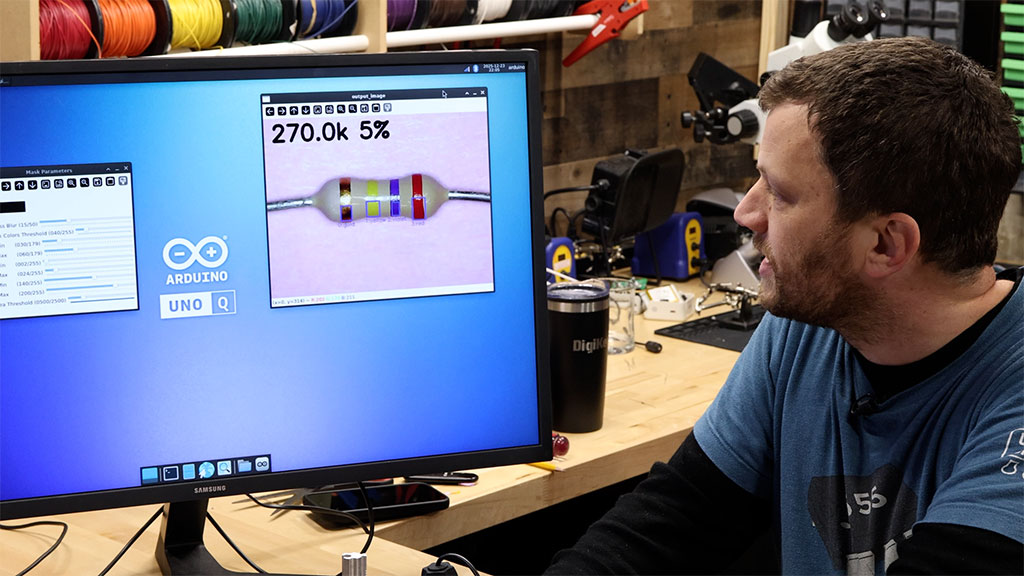
Arduino UNO Q solves the classic resistor pile issue
The Arduino UNO Q has been transformed into a clever resistor sorting machine by Zach Hipps, tackling the common problem of managing loose resistors. Instead of sifting through a messy bin, users can simply present a resistor to a camera connected to the UNO Q. The system analyzes the resistor’s color bands to determine its resistance value, making it easy to sort them back into their respective groups.
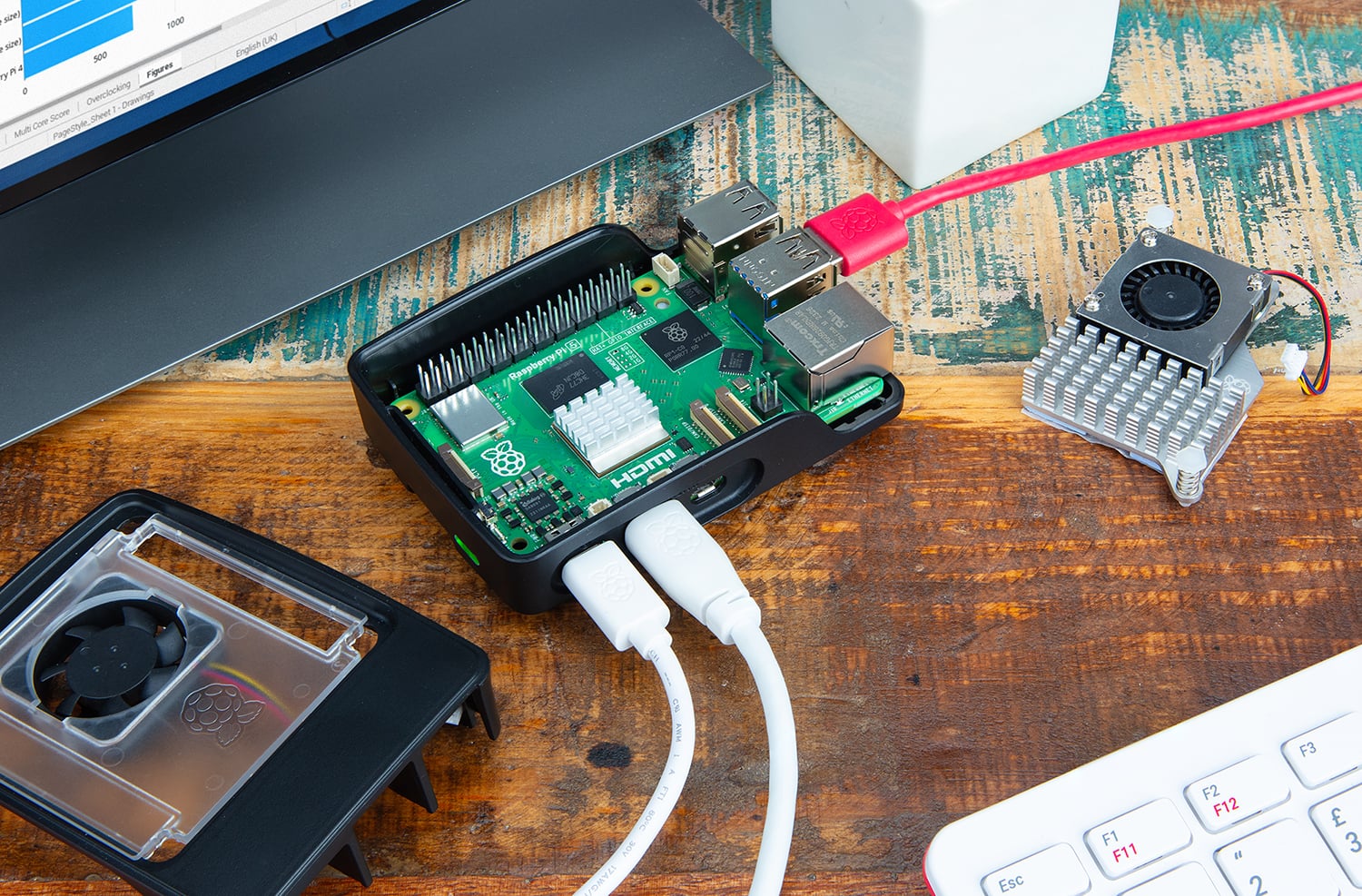
Turn your Raspberry Pi into an AI agent with OpenClaw
OpenClaw is an open-source AI agent that enhances traditional chatbots by allowing them to perform tasks and actions instead of just responding to prompts. While generative AI tools like ChatGPT can simulate conversation and generate text, they typically require users to execute actions themselves. OpenClaw changes this dynamic by enabling an AI to interact with tools, run commands, and manage workflows autonomously.

EEVblog 1735 – Power Rail Probing & Oscilloscope DC Offset EXPLAINED
This article from EEVblog dives into the nuances of measuring DC power rail waveforms using oscilloscopes, particularly focusing on the offset control feature. It compares various probing methods, including Active Probes, Passive Probes, Zero Ohm (Z0) Probes, and specialized DC Power Rail Probes. The video provides practical insights into selecting the right probe for high-bandwidth measurements while discussing the potential pitfalls of input referred offset.
John Park’s CircuitPython Parsec: Trellis Wordle Scoreboard
John Park's latest project involves creating a pixel-art scoreboard for the popular game Wordle using the NeoTrellis, a hardware platform designed for interactive projects, along with CircuitPython, a version of Python tailored for microcontrollers. This project showcases how to integrate fun design elements into a simple game scorekeeper while also providing a practical example of using hardware in a creative way.
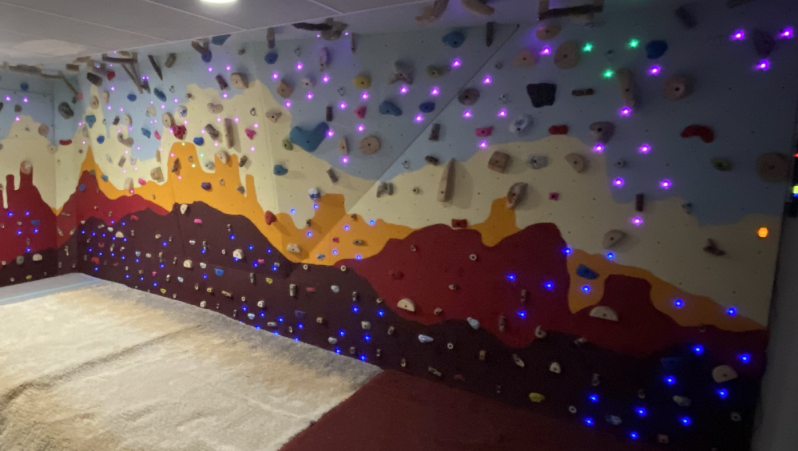
Building An Interactive Climbing Wall
[Superbender] has created an interactive climbing wall that combines a traditional climbing structure with colorful LED lighting and engaging games. The wall measures 10 meters long and 2.5 meters high, featuring a wooden frame covered in climbing holds. The electronic setup includes an Arduino Due, which manages the LED displays and buttons, while an Arduino Nano adds sound effects. To control the system from a distance, [Superbender] incorporated a 433 MHz remote.
LIVE! 3D Hangouts with Noe and Pedro
Adafruit recently launched a new project featuring an LED Shoji lamp that utilizes the Circuit Playground Express microcontroller. This lamp is designed to be both functional and visually appealing, offering a modern twist on traditional Japanese shoji screens. The accompanying guide provides step-by-step instructions for building the lamp, making it accessible for hobbyists looking to incorporate LED lighting into their projects.
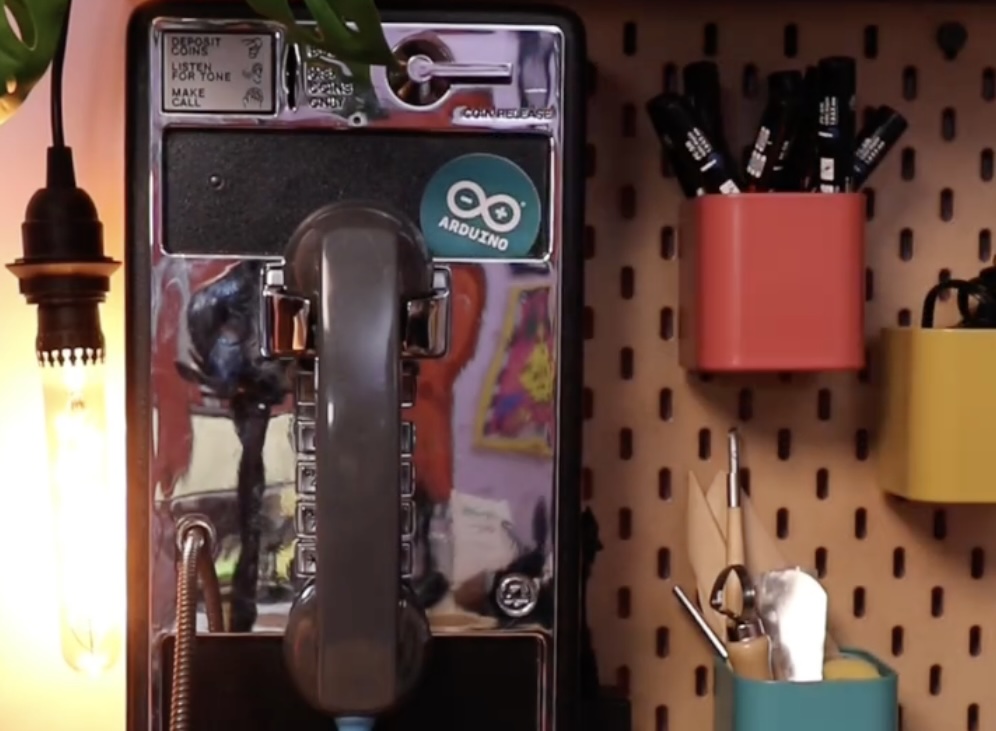
This musical payphone rings on rainy days
Estefannie has created a unique musical payphone that rings on rainy days to lift her spirits. With payphones becoming increasingly rare, she salvaged one from a surplus pile and set out to transform it into a jukebox-like device. Using an Arduino UNO Q, she programmed the payphone to read key presses and play different songs based on the number dialed, adding sounds like dial tones for an authentic touch.
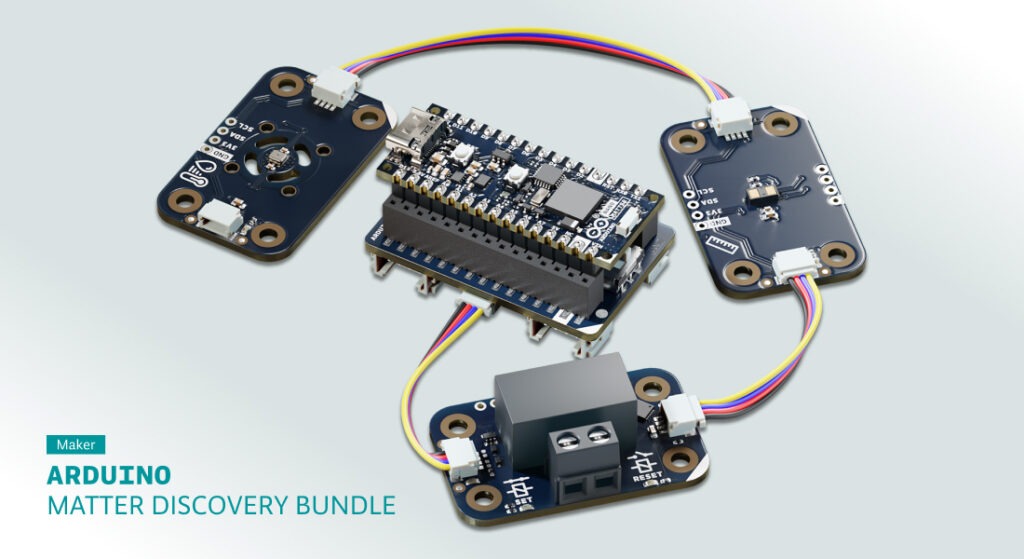
The new Arduino® Matter Discovery Bundle™ is everything you need to learn, experiment, and build with Matter!
The new Arduino® Matter Discovery Bundle is now available and aims to help users learn and build projects using the Matter protocol, which facilitates seamless communication between smart home and Internet of Things (IoT) devices from different manufacturers. This open-source protocol, developed by the Connectivity Standards Alliance, simplifies the smart home ecosystem by providing a universal “language” for devices, making it easier for both developers and users to integrate and manage their devices.
When and why you might need the Raspberry Pi AI HAT+ 2
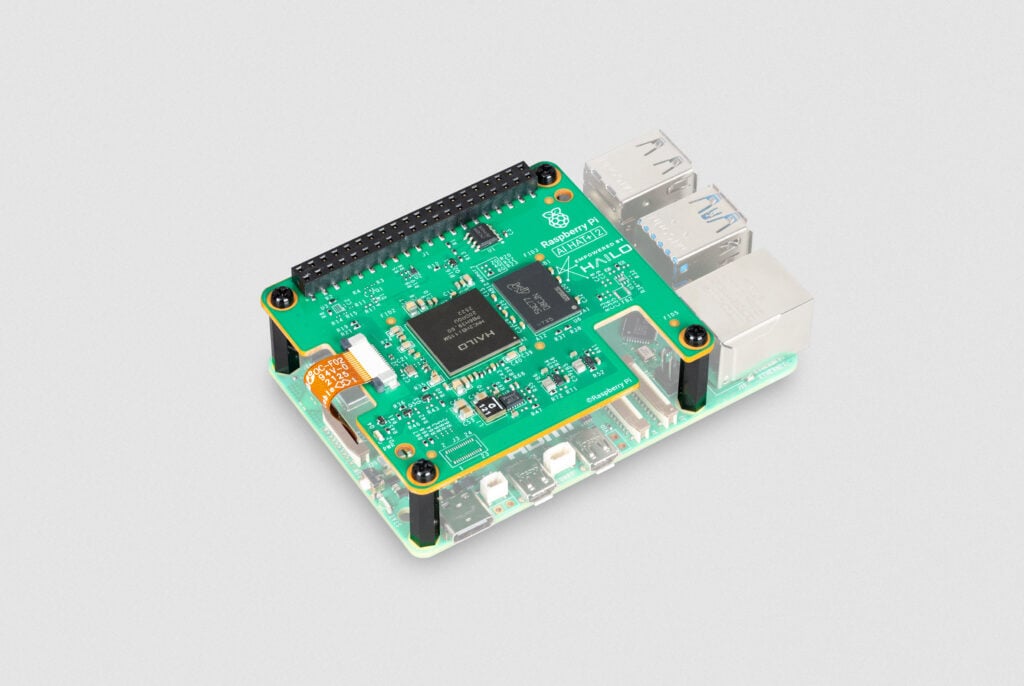
The Raspberry Pi AI HAT+ 2 is a new add-on for the Raspberry Pi 5, featuring a Hailo-10H AI accelerator that delivers up to 40 TOPS of inference performance and includes 8GB of dedicated LPDDR4X memory. This hardware is designed for efficient on-device generative AI applications, emphasizing low power consumption, no need for cloud connectivity, and maximum data privacy, making it suitable for edge devices.
Convenience Gone Wrong: A C++ auto Story
The article discusses a frustrating debugging experience the author had while working with C++ and the `auto` keyword. While revisiting a driver for a sensor, he encountered incorrect readings that turned out to be caused by a simple mistake: he forgot to include an ampersand (`&`) when declaring an `auto` variable. This oversight resulted in a local copy of a calibration data structure being created, which was then destroyed at the end of the function, leaving the actual calibration data empty.
Inkplate 13SPECTRA 13.3-inch E-ink Spectra smart color display supports Arduino, MicroPython, ESPHome (Crowdfunding)
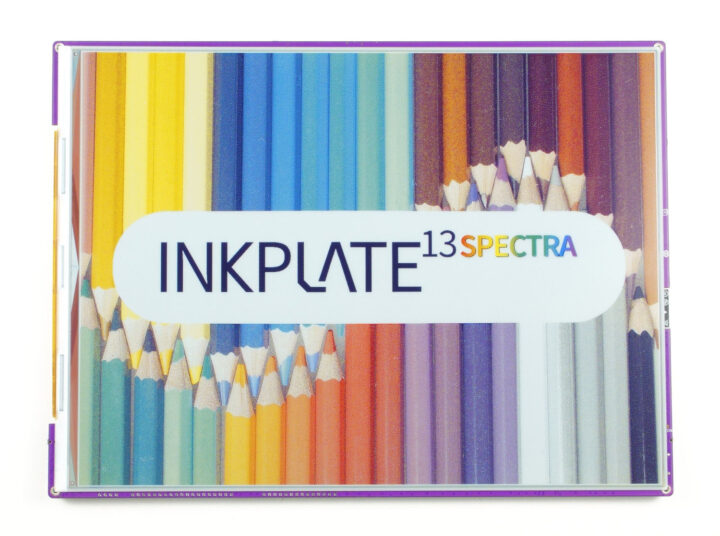
The Inkplate 13SPECTRA is a new 13.3-inch E-Ink color display developed by Soldered Electronics, based on the ESP32-S3 WiFi and Bluetooth System on Chip (SoC). It features a resolution of 1600 x 1200 and includes a variety of connectivity options, such as a microSD card slot for storage, a USB-C port for power and data, and multiple expansion connectors for further development.
Stop Ironing 3D Prints
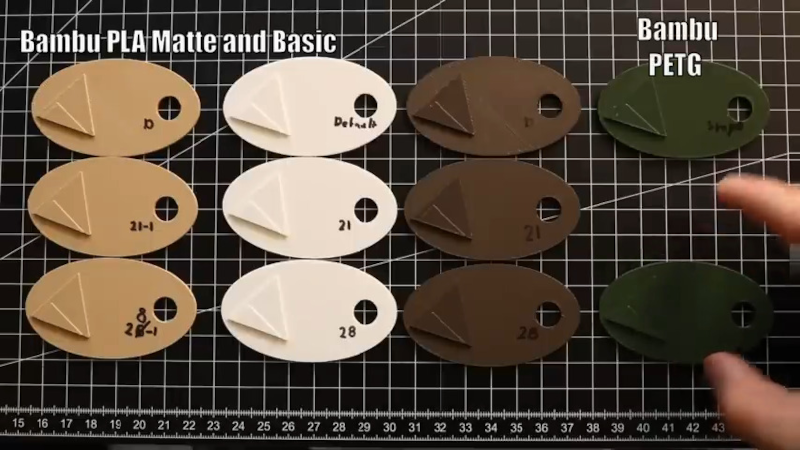
The article discusses an alternative approach to achieving smooth surfaces on 3D printed parts without relying on the traditional "ironing" technique. Instead of having the print head drag across the top layer and apply additional material, [Make Wonderful Things] uses statistical analysis to find optimal settings that can ensure a smooth finish from the start.

ICYMI Python on Microcontrollers Newsletter: MicroPython AI Disclosure, Overclocking, Teensy’s Story and More!
This week’s Python on Microcontrollers Newsletter highlights several interesting updates in the world of MicroPython and CircuitPython. One significant change is MicroPython's new requirement for AI disclosure on every pull request. Contributors must now specify whether they used generative AI tools in their code, which aims to maintain transparency and quality in contributions. This move reflects a growing trend in software projects to navigate the implications of AI-generated content.
Dynamic CPU Power Management with cpufreq and schedutil
The article discusses how the cpufreq subsystem in the Linux kernel, particularly its advanced governor called schedutil, enables efficient Dynamic Voltage and Frequency Scaling (DVFS). This technology allows the operating system to adjust CPU frequency and voltage dynamically based on the workload, optimizing power consumption and performance.