Rising Edge Digital • Hardware & Embedded Systems for Software Developers
ESP32 Hosts SolarPunk Message Board · Arduino App Lab 0.7 · TagTinker Lets You Hack Electronic Shelf Labels
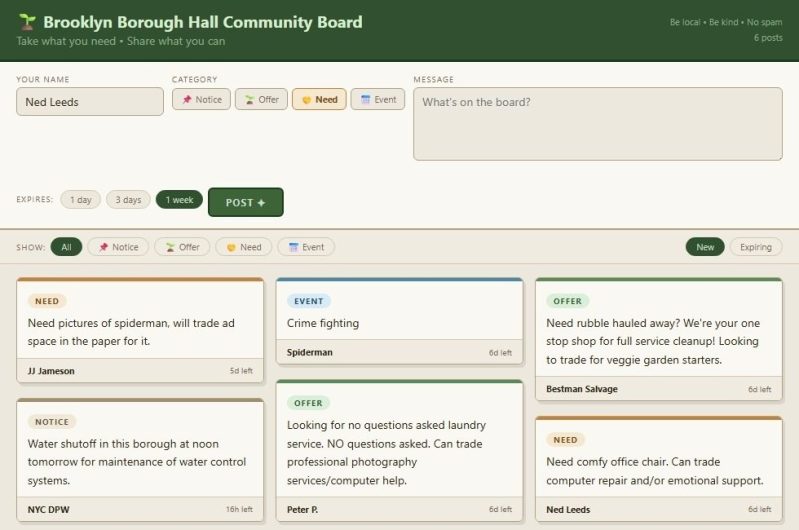
ESP32 Hosts SolarPunk Message Board
Victor Frost has created an ESP32-based device that serves as a local community message board, embodying the Solarpunk philosophy of renewable energy and community focus. While it resembles a lantern, it functions as a web server that users can access through its own wireless network. The setup uses a captive portal, similar to public Wi-Fi logins, to direct nearby users to the message board, making it a modern take on the community center corkboard.
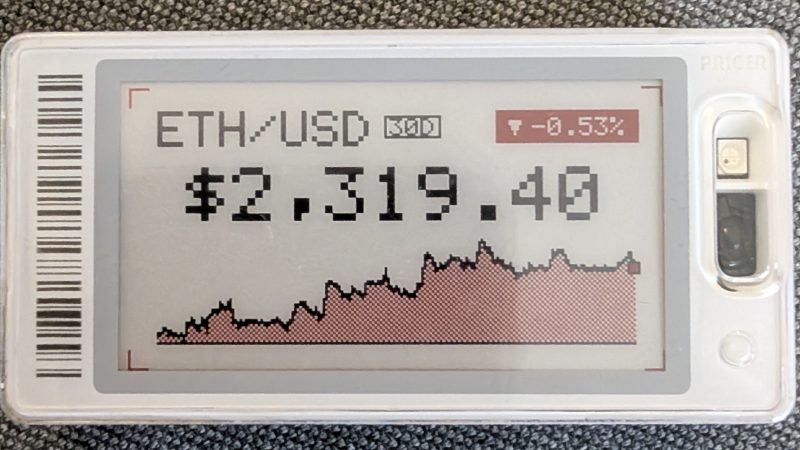
TagTinker Lets You Hack Electronic Shelf Labels
TagTinker is a new application designed for the Flipper Zero device that allows users to interact with electronic shelf labels (ESLs) via infrared communication. These ESLs are e-paper displays used in retail to show product prices and information, and they typically receive updates wirelessly. The app was developed by [i12bp8], building on prior research by [furrtek] that uncovered the protocols these devices use for communication.
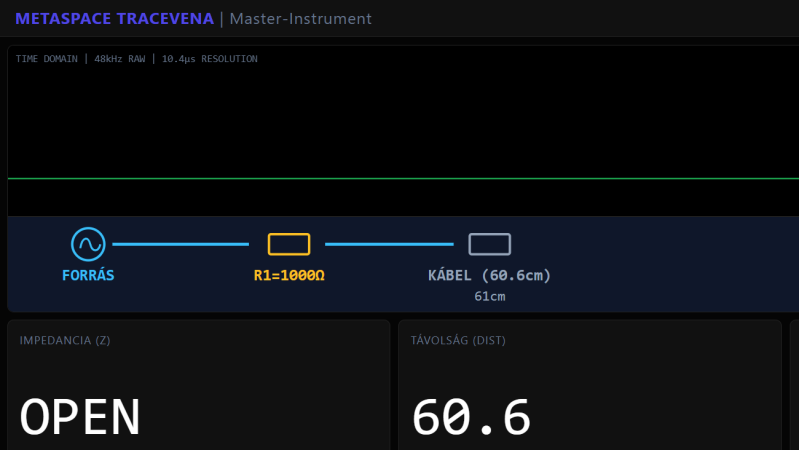
TDR For Auto Diagnostics Done On The Cheap
A time domain reflectometer (TDR) is a handy tool for diagnosing faults in wiring harnesses, but they can be prohibitively expensive for many DIY mechanics. László Szőke has developed an innovative, low-cost alternative using a C-Media USB audio device to send out sine waves instead of the traditional short electric pulses. This method allows users to measure the length of the wire and detect breaks by analyzing the phase shift of the reflections.
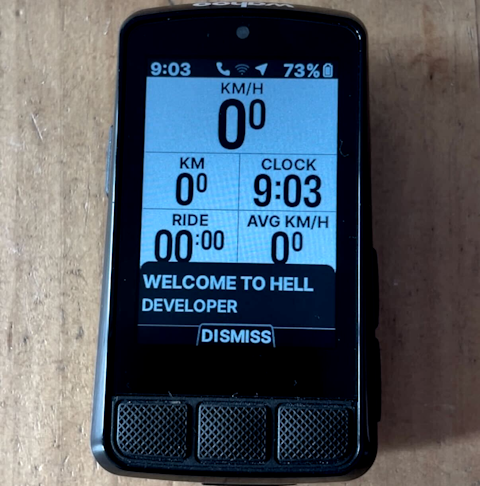
A broken bike sync led to reverse engineering Wahoo’s hidden debug mode
Noah Clements faced a frustrating issue when his Wahoo ELEMNT Bolt v3 cycling computer stopped syncing with its companion app. This prompted him to dive into reverse engineering, where he analyzed Bluetooth packets and decompiled the device's Android APK. His efforts led him to uncover a hidden developer menu, humorously titled “WELCOME TO HELL DEVELOPER,” which opened the door to a wealth of information about the device's functionality.

From the Adafruit Learning System: EPCOT Spaceship Earth with WLED
This article from the Adafruit Learning System details a project that lets you create a cool IoT NeoPixel lamp inspired by EPCOT’s Spaceship Earth. The build utilizes a QT Py ESP32 PICO, which is a compact microcontroller, along with a NeoPixel BFF Driver to control the RGB LED strips. The project is powered by WLED, a tool that simplifies creating dynamic lighting effects.
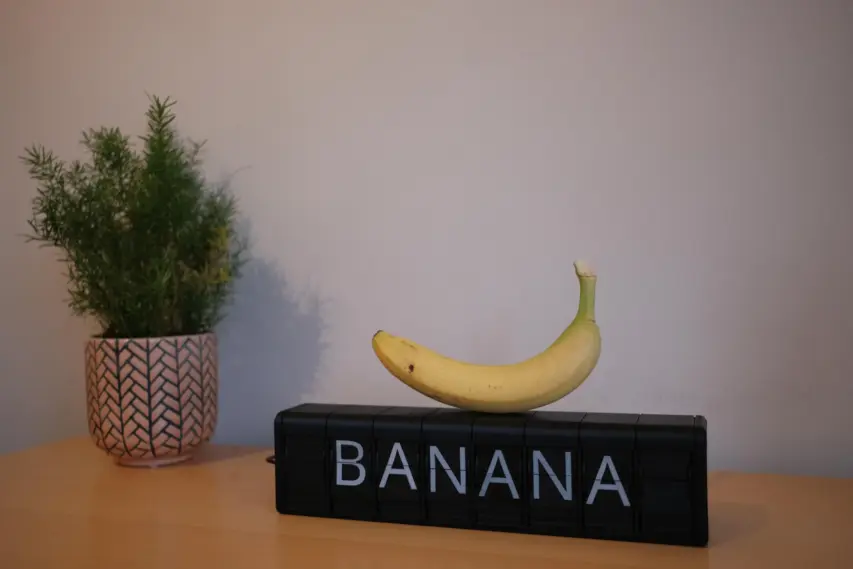
Making a Split Flap Display
A split flap display is a nostalgic and visually appealing way to present information, often reminiscent of old train station signs. In a recent project, Adam G Makes shared his build process, which is based on a design by Instructables user MorganManly. The project utilizes modular 3D-printed components and programming from GitHub user scottbez1, who has provided code to control the display.
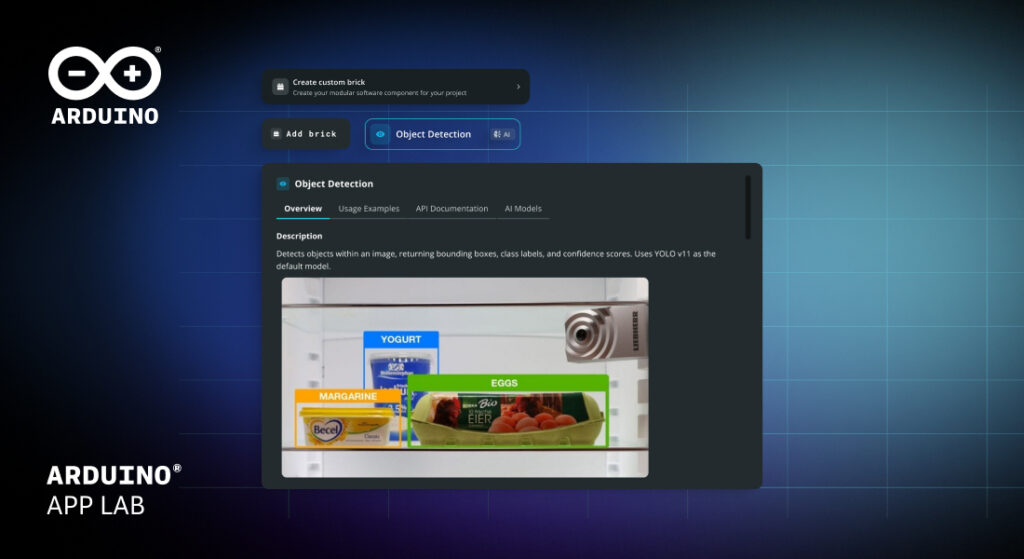
Arduino® App Lab 0.7: Custom Bricks are here!
Arduino App Lab 0.7 has just rolled out a significant update, introducing Custom Bricks that allow users to create modular software components for their projects. This addition enhances the flexibility of the Arduino UNO Q by enabling the development of reusable features that simplify complex tasks. The update also comes with revamped documentation to help newcomers navigate the App Lab more intuitively.

MiciMike’s open-source drop-in PCB converts Google Home Mini into a local voice assistant (Crowdfunding)
The MiciMike Home Mini Drop-In PCB is an open-source mainboard upgrade designed specifically for the 1st Gen Google Home Mini. This replacement board transforms the smart speaker into a fully local voice assistant that operates without relying on cloud services. It’s built on the ESP32-S3 microcontroller and features the XMOS XU316 audio processor, enabling on-device wake word detection, echo cancellation, and noise suppression using two MEMS microphones.
John Park’s CircuitPython Parsec: Smooth Noise Road
John Park's latest project showcases how to create smooth noise using the CircuitPython_Noise library. This library, developed by Todbot, allows users to generate various noise patterns which can be useful in audio projects or generative art. John provides a clear example in his article along with a link to a code snippet that demonstrates how to implement this in your own projects.
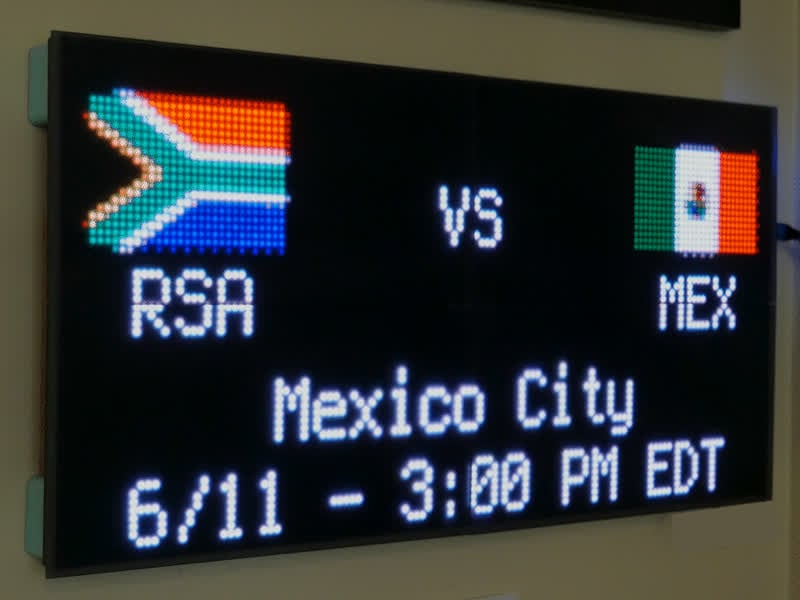
NEW GUIDE: LED Matrix FIFA World Cup Scoreboard
Adafruit has released a guide for building an LED matrix display scoreboard specifically for the FIFA World Cup. This project utilizes a Matrix Portal S3, which is a microcontroller designed for driving LED matrices and runs on CircuitPython. The display pulls data from the ESPN API to show real-time game information, including team names, flags, location, and match times.
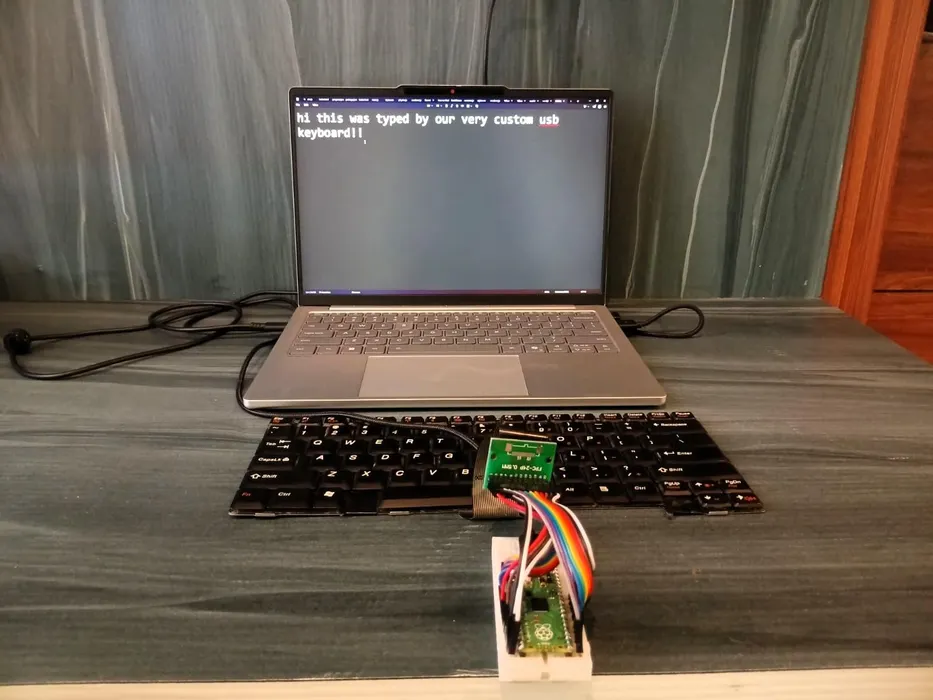
How to Reverse-Engineer Almost Any Keyboard Matrix With Raspberry Pi Pico
The article discusses a practical tutorial by a maker named thanishurs31, showing how to reverse-engineer keyboard matrices using a Raspberry Pi Pico with CircuitPython. This method allows users to scan the entire keyboard matrix, identifying which pins correspond to rows and columns, while also accommodating various board types like diode-protected N-key rollover boards and simple membrane keyboards. The process culminates in generating a clean JSON map that represents the keyboard’s structure.
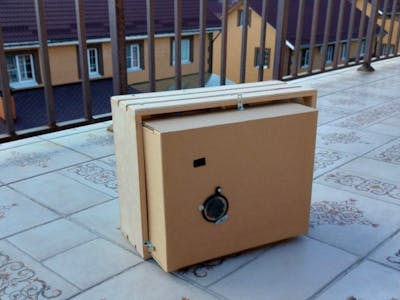
Boris Homiakov's One-Pixel Camera Takes Eight-Hour Exposures — "Developed" in a Spreadsheet
Boris Homiakov has created an ultra-simple digital camera that uses a single photoresistor as its image sensor. This camera captures images one pixel at a time by moving the photoresistor along two axes, effectively functioning like a primitive scanner. Instead of the complex sensor arrays found in modern cameras, Homiakov's design relies on the photoresistor's ability to vary resistance based on light exposure, recording brightness at each point to build a complete image.

This Ultra-Compact Raspberry Pi Project Squeezes an ePaper Cyberdeck Into an Altoids Mint Tin
A maker known as "Verde" has created an ultra-compact cyberdeck powered by a Raspberry Pi Zero W, housed inside an Altoids mint tin. The project features a three-color ePaper display, which is energy-efficient and easily readable in sunlight, though it has slower refresh rates compared to traditional screens. Verde chose the Altoids tin not only for its portability but also for the challenge it brings in terms of space and design, opting for an external antenna due to the metal casing.

This $30 Project Puts You in the Driver’s Seat of an RC Car
This project showcases how to build a first-person view (FPV) remote-controlled (RC) car for under $30, allowing users to experience driving from the car's perspective. The setup uses the Seeed Studio XIAO ESP32-S3 Sense, which integrates processing power and a camera module on a single board. This compact design streams live video while controlling the car, eliminating the need for extra components.
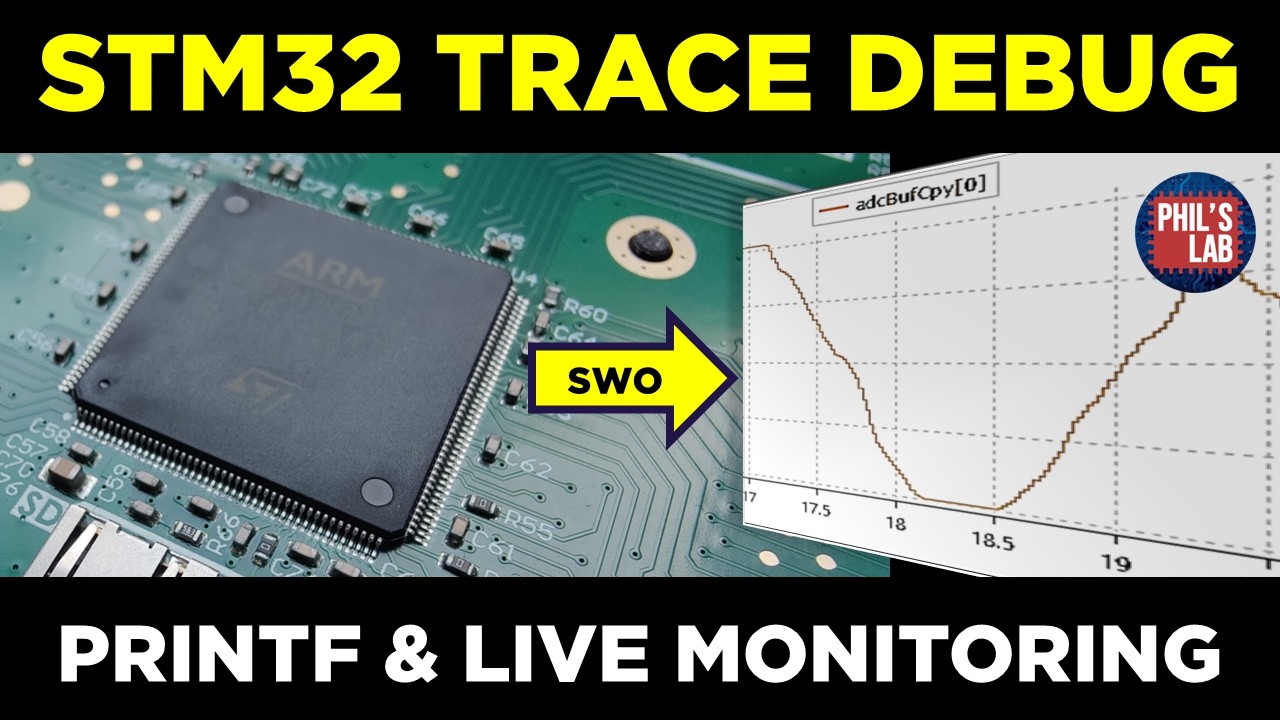
Debugging, Logging, and Monitoring via SWO Trace (STM32 ITM & DWT) - Phil's Lab #173
The article focuses on using Serial Wire Output (SWO) for debugging, logging, and monitoring in STM32 microcontroller projects, specifically through the Instrumentation Trace Macrocell (ITM) and Data Watchpoint and Trace (DWT) features. It provides a practical guide on setting up SWO with STM32CubeIDE and demonstrates how to send data, like variable values, using the ITM. The video walks through configuring the environment, enabling SWV (Serial Wire Viewer), and utilizing multiple ITM ports for effective debugging.