Rising Edge Digital • Hardware & Embedded Systems for Software Developers
Amaze! Amaze! Speak with Rocky · Raspberry Pi Pico Mechanical Keyboard · Raspberry Pi Powered C-3PO Head
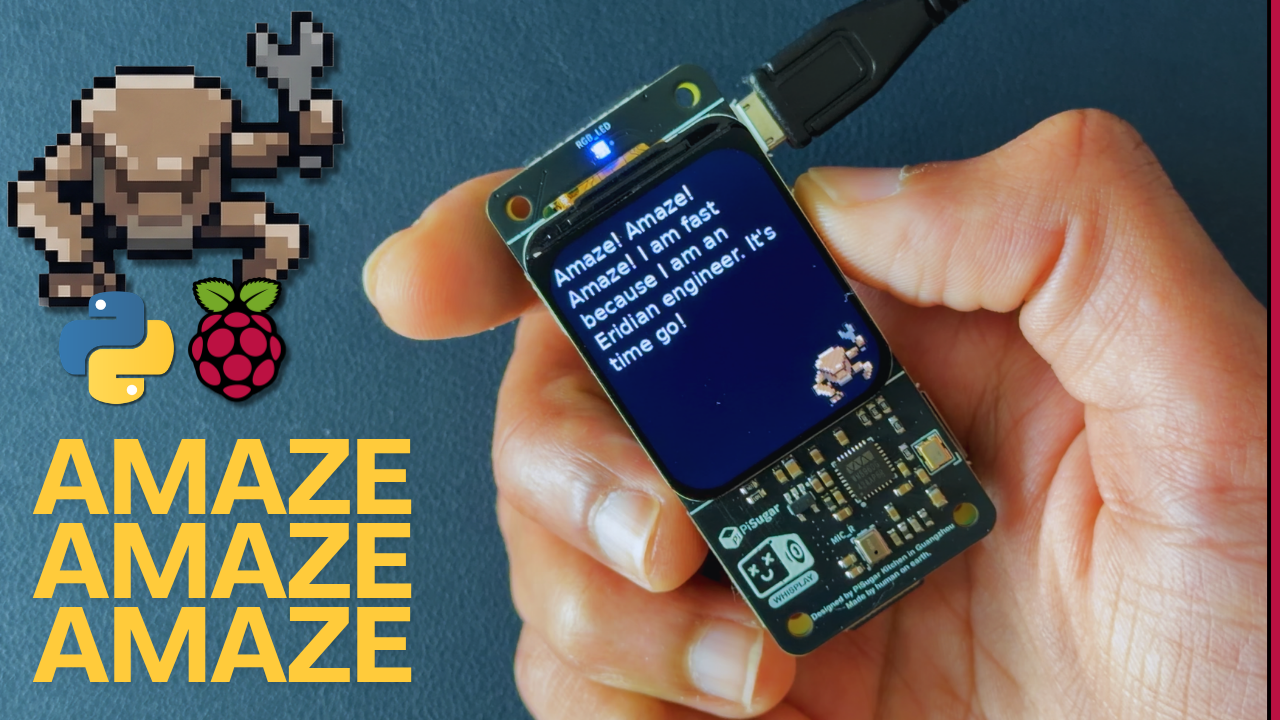
Amaze! Amaze! Speak with Rocky
A maker named Lahiru Maramba has created a physical version of Rocky, the alien engineer from Andy Weir's novel *Project Hail Mary*, using a Raspberry Pi Zero and a Whisplay hat. The project is powered by a local large language model (LLM) called Gemma 4, which runs on a MacBook Air. Maramba focused on getting Rocky's voice just right by programming a series of friendly tones in Python.
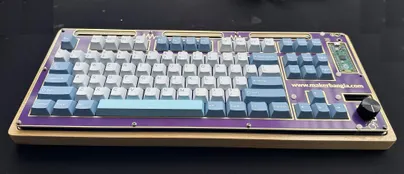
Raspberry Pi Pico Mechanical Keyboard
The article delves into a project by a maker named taifur, who created a custom mechanical keyboard called ClickPico using a Raspberry Pi Pico. This project showcases how enthusiasts can leverage this affordable microcontroller to design a fully functional keyboard tailored to their preferences.
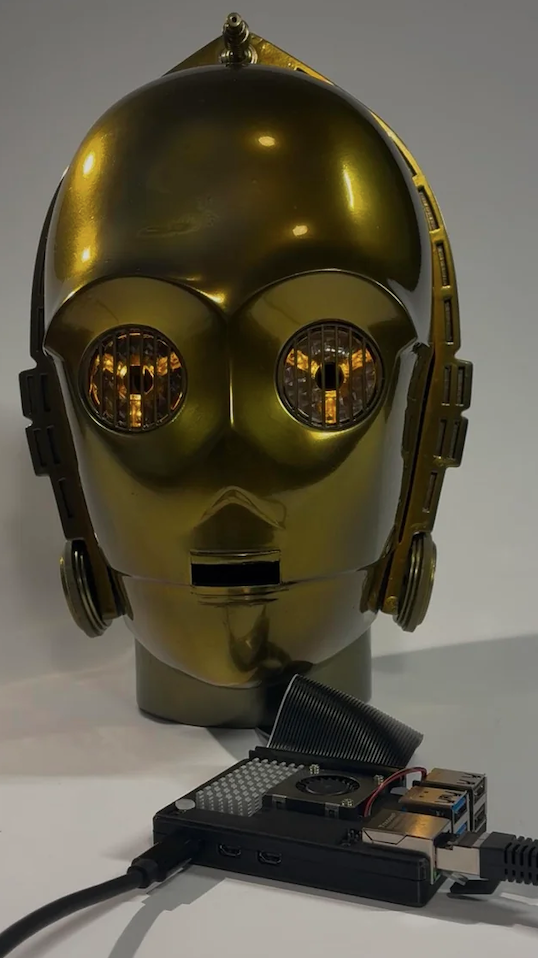
Raspberry Pi Powered C-3PO Head
Samuel Potozkin created an impressive interactive C-3PO head powered by a Raspberry Pi, allowing users to engage in real-time conversations with the droid. This project combines both hardware and meticulous prop-building techniques, including finishing 3D printed parts to achieve a realistic metallic appearance.

Brick streamlines inspections on a budget
Alejandro Vazquez created "Brick," an open-source embedded device aimed at simplifying inspections across various industries. This compact, handheld unit is designed for inspectors to easily carry and use. With Brick, users can take photos, flag any issues, and generate inspection reports—all without relying on expensive proprietary systems.
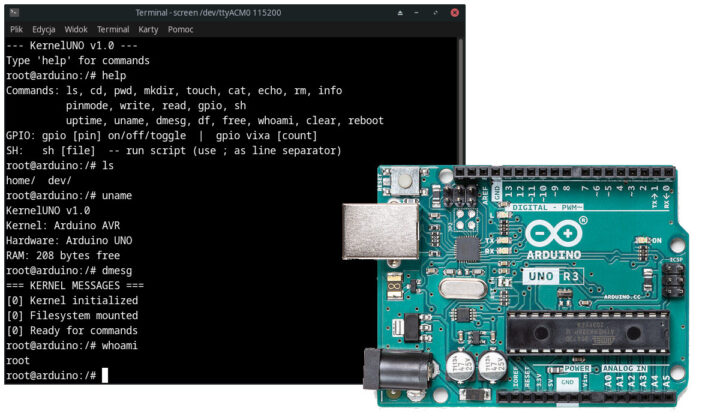
KernelUNO – A lightweight OS for Arduino UNO with a Linux-like shell
KernelUNO is a lightweight operating system designed specifically for the Arduino UNO, offering a Linux-like shell experience with 546 lines of code. It requires an Arduino UNO R3 or a compatible board with a Microchip ATmega328P microcontroller, along with a USB cable for programming. For those interested in testing the GPIO (General Purpose Input/Output) commands, a few LEDs and resistors can enhance the experience.
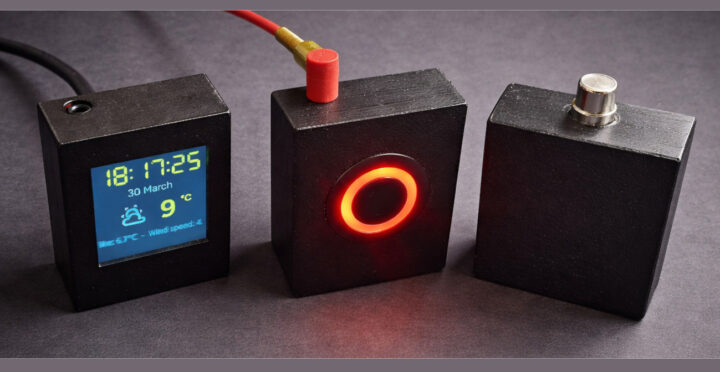
DIY Sendspin audio receiver supports multi-room audio synchronization, integrates with Home Assistant
The SendspinZero is a DIY audio receiver that allows you to set up multi-room audio systems using open-source components. It’s built around a Waveshare ESP32-S3-Zero board, which is an affordable microcontroller, and it can be assembled with off-the-shelf parts that total around $10. The design includes a 3D printed enclosure, and while the core functionality is about audio playback, it also supports features like displaying album art on a screen and controlling sound-activated lights, which are expected to be added soon.

Tutorial: Creating Self-Contained MCUXpresso SDK Projects
The article explains how to create self-contained projects using the NXP MCUXpresso Software Development Kit (SDK) with the 'New Project Wizard' in Visual Studio Code. It emphasizes the importance of organizing your project to eliminate absolute paths and local dependencies, which helps make your project portable and easier to manage.
I Stopped Testing Embedded Systems by Hand. Here's What Replaced It.
The article discusses a shift in how embedded systems testing is approached, moving away from manual testing methods toward automation. The author describes the tedious routine of connecting to a board, executing commands, and logging outputs, which is a common practice for many engineers. This manual process can be time-consuming and error-prone, especially as projects grow in complexity.

Natya Vidhan Biswas' Upcycled Beetel Phone Is Now a Slick Spotify Stream Selector
Natya Vidhan Biswas has transformed an old Beetel M59 landline phone into a modern music control device for Spotify. While cleaning, Biswas stumbled upon the neglected phone and decided to repurpose it rather than toss it. Using an Espressif ESP32 microcontroller, he interfaced the phone's keypad matrix to create a remote for music streaming.
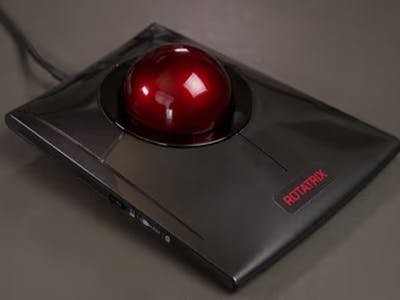
The Hardware Hack That Makes 3D Modeling Intuitive
David Liu has created an innovative input device called Rotatrix, designed to enhance 3D modeling by making navigation more intuitive. Traditional input devices like keyboards and mice are not well-suited for 3D environments, often resulting in a cumbersome workflow that disrupts creativity. Liu's solution, inspired by existing devices like the SpaceMouse, is a modified trackball that simplifies the user experience.

Mehrdad Majzoobi's Raspberry Pi NFC Add-On Works Even When the Pi Is Powered Off
Mehrdad Majzoobi has developed an open-hardware near-field communication (NFC) add-on for Raspberry Pi that can function even when the board is powered off. This add-on, part of his Ubo Pod project, utilizes the NXP NT3H2211W0FT1 NFC chip, which offers both active and passive operation modes. In passive mode, it can harvest energy from a reader to communicate, making it useful for applications like tap-based payments without needing the Raspberry Pi to be on.
From Milliseconds to 26 Nanoseconds: How a $20 eBay SFP Module Beat My Entire NTP Setup
The article discusses how a $20 Small Form-factor Pluggable (SFP) module from eBay dramatically improved the author's Network Time Protocol (NTP) setup, achieving time synchronization accuracy of just 26 nanoseconds. The author compares this performance to traditional methods that typically provide time synchronization in milliseconds, highlighting the significant advantage of using this specific hardware.
I Built A Wireless Dactyl Manuform (2024)
The article details the creation of a wireless Dactyl Manuform keyboard, a popular ergonomic mechanical keyboard design known for its split layout and customizable key mapping. The author walks through the entire assembly process, from sourcing components to soldering the necessary parts, emphasizing the use of wireless technology for a cleaner workspace.
i found an old telephone and made it control spotify
The article discusses a project where the author repurposed an old telephone to control Spotify. Using a Beetel model landline phone, they integrated it with a Raspberry Pi, enabling the classic device to interact with modern streaming technology. The project involved wiring the phone to the Raspberry Pi’s GPIO (General-Purpose Input/Output) pins, allowing the phone's buttons to send signals to control playback functions like play, pause, and skip.