Rising Edge Digital • Hardware & Embedded Systems for Software Developers
Using a Fiber Laser to Etch 0.1 mm PCB Traces · A dual-core audio engine for the Raspberry Pi RP2040 · Use an Arduino UNO R4’s DAC as a signal generator
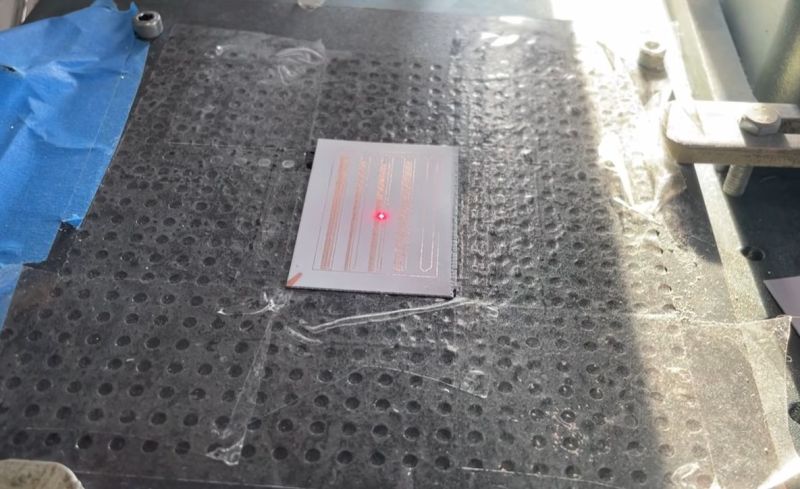
Using a Fiber Laser to Etch 0.1 mm PCB Traces
The article discusses an innovative approach to creating high-resolution printed circuit boards (PCBs) using a fiber laser. [Giangix] has been experimenting with etching 0.1 mm traces on thin copper-clad boards, a task that typical DIY methods struggle to achieve with the same precision as commercial production lines. By employing a 20 Watt fiber laser and a custom vacuum table to secure the boards, [Giangix] is able to engrave the chemical resist layer with impressive accuracy.
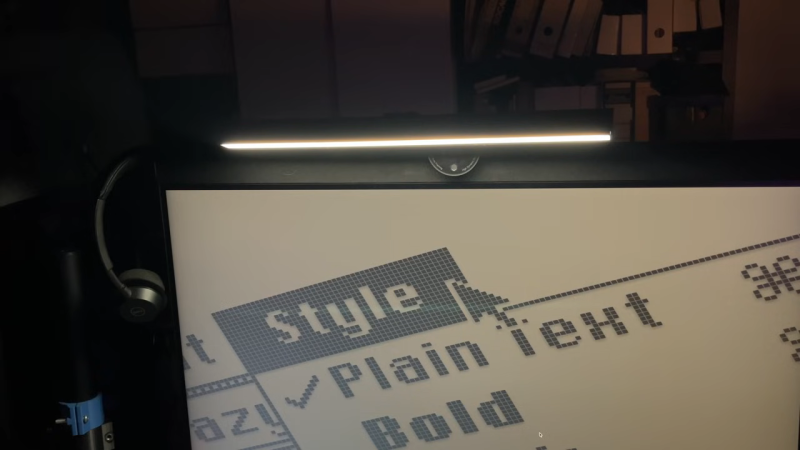
Building a Monitor Light Bar for Better Productivity
Jade built a custom monitor light bar designed to improve productivity and reduce eye strain during long work sessions. The setup utilizes an ESP32 microcontroller to manage the lighting, which consists of LED strips that can emit both warm and cold white light. A rotary encoder allows for manual brightness adjustment, and the entire system can integrate with Home Assistant, a popular home automation platform.
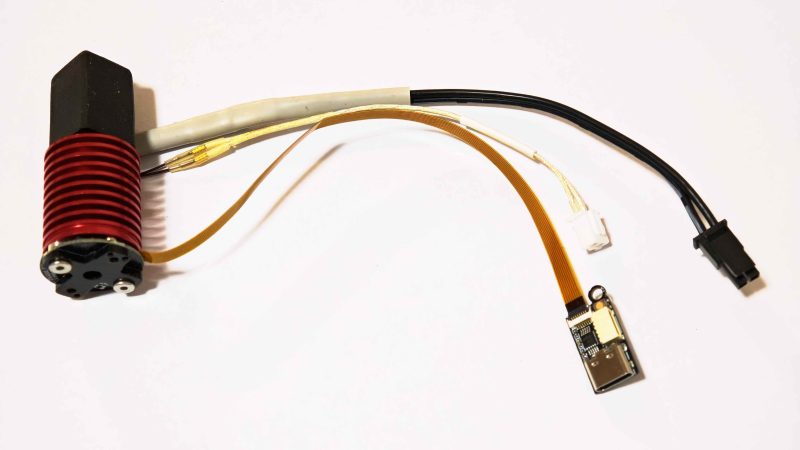
Direct Pressure Advance Measurement For Fast Calibration
This article highlights a new automated pressure advance calibration tool developed by [markniu], designed to streamline the calibration process for 3D printers. Pressure advance (PA) is crucial for achieving high-quality prints, as it compensates for the pressure of the molten plastic in the hotend, which can lead to issues like oozing and blobbing. Traditional methods of calibrating PA often involve lengthy calibration prints, but this new approach measures pressure directly, making the process quicker and more efficient.
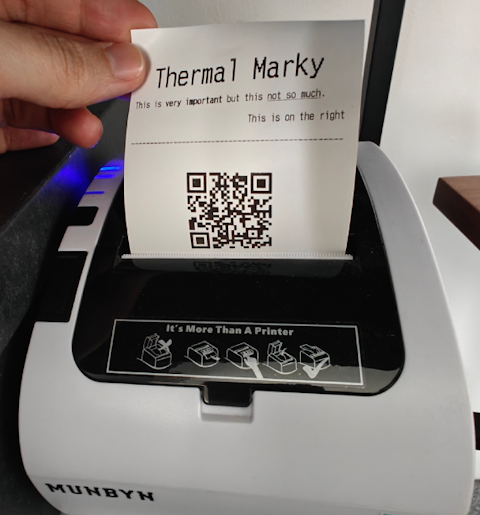
Control your thermal printer using Markdown
ThermalMarky is a new tool designed to help you take control of your thermal receipt printer using Markdown, making it easier to create formatted printouts. It supports essential Markdown features like headers, bold, and lists, along with some enhanced formatting options such as custom alignment tags, horizontal lines, and QR codes. The tool also includes a straightforward Web UI for a better user experience and built-in editor shortcuts.
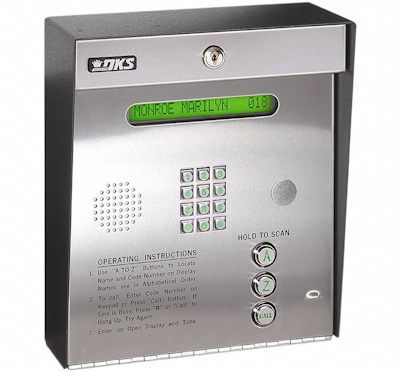
Discreetly modding an apartment intercom to work with Apple Home
Jack Hogan shares a project where he modified a standard apartment intercom system to integrate with Apple Home using an ESP32 relay board. The original intercom had become non-functional due to a lack of cellular service, which prompted the need for a more reliable solution for allowing guests to enter the building.

Adafruit Learn Guide: Bunny Ears with MakeCode
Adafruit's guide on creating motion-reactive bunny ears is a fun project that combines the Circuit Playground Express with MakeCode, a visual programming environment. The project allows you to build a set of light-up ears that respond to movement, making them an engaging accessory for events or costumes.

Book Electronics for Kids, 2nd Edition, is out this May
The article announces the upcoming release of the second edition of *Electronics for Kids*, written by Øyvind Nydal Dahl, set to hit shelves in May. This updated version is designed to introduce young learners (ages 10 and up) to the fundamentals of electronics through a series of engaging projects. It covers essential concepts like electricity, circuit behavior, and the roles of components such as resistors and capacitors.

A dual-core audio engine for the Raspberry Pi RP2040
PicoSound is a dual-core audio engine designed specifically for the Raspberry Pi Pico, which uses the RP2040 microcontroller. The setup leverages the dual-core architecture by assigning Core1 exclusively to handle audio processing, while Core0 manages the main application tasks like graphics, input/output, calculations, or game logic. This separation helps prevent audio dropouts that can occur during heavy processing or blocking operations, ensuring continuous audio playback.
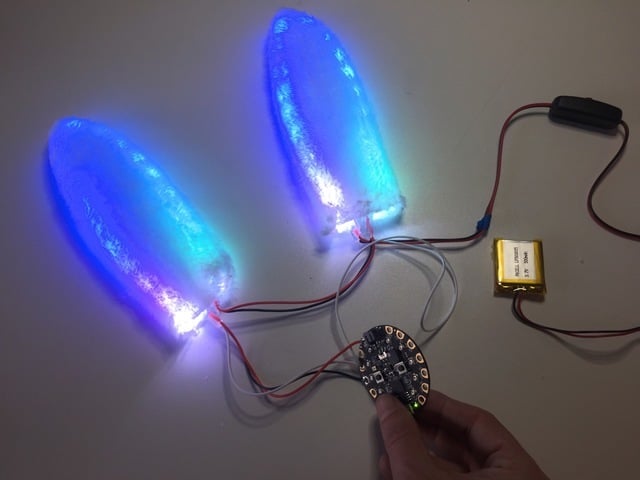
Impress Your Egg Hunters with Bunny Ears Using MakeCode
Erin St. Blaine has put together a fun project for Easter: motion-reactive bunny ears that light up, using the Circuit Playground Express and MakeCode. This project is perfect for a family activity, as it involves a bit of soldering, some hand sewing, and programming the ears to react as you hop around.
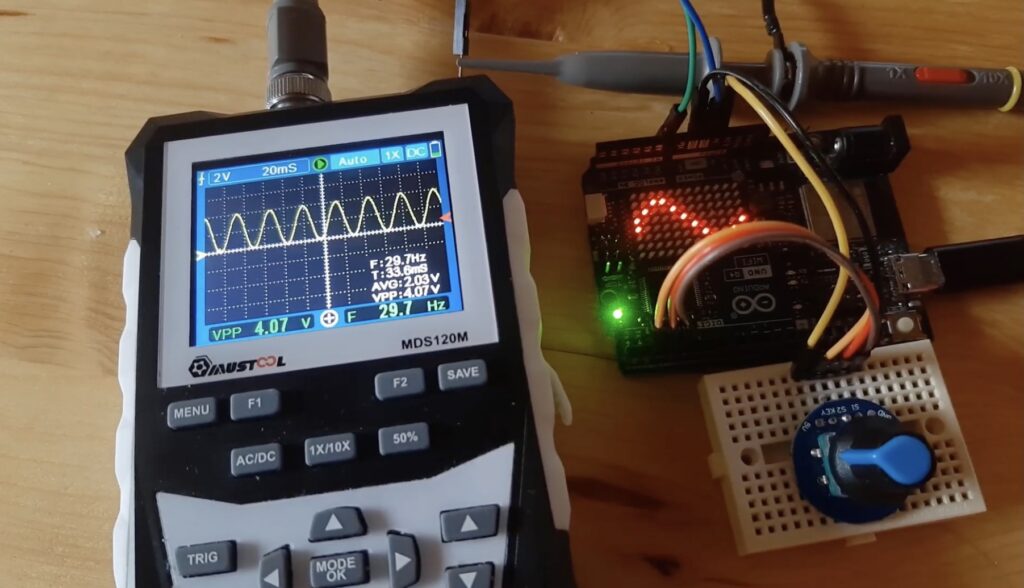
Use an Arduino UNO R4’s DAC as a signal generator
The article explains how to use the Arduino UNO R4’s built-in Digital-to-Analog Converter (DAC) as a signal generator. This is particularly handy for those who need to create signals for testing electronic components without spending a fortune on dedicated equipment. The method works with both the Arduino UNO R4 WiFi and the UNO R4 Minima models, utilizing the DAC on pin A0, which provides a smooth analog output with 12-bit resolution.

5 fun sci-fi ideas you can bring to life with Arduino
The article highlights five imaginative sci-fi projects that you can create using Arduino, showcasing how this versatile platform can bring your favorite sci-fi concepts to life. Each project combines creativity with technical skills, making them perfect for fans looking to add a unique touch to their hobbies.
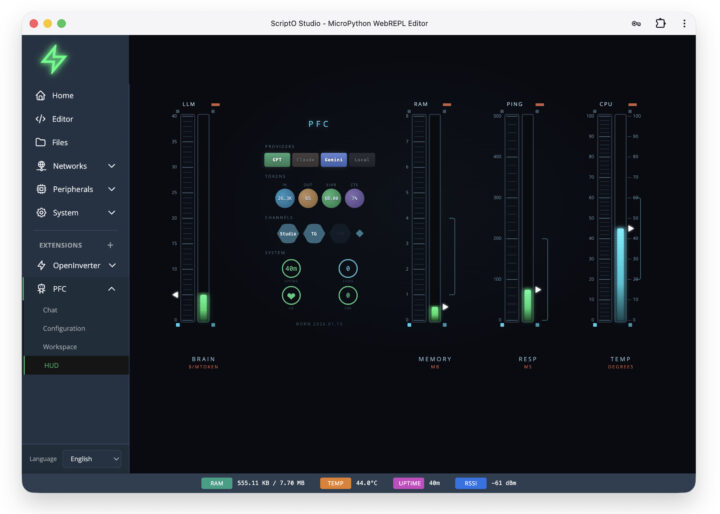
PycoClaw – A MicroPython-based OpenClaw implementation for ESP32 and other microcontrollers
PycoClaw is a new MicroPython-based implementation of the OpenClaw workspace for AI agents, designed to run on ESP32 and similar microcontrollers. Developed by Jonathan Peace, it builds on the capabilities of the earlier C-based Miniclaw, offering a "full OpenClaw-compliant agent" that connects with several large language model (LLM) providers like OpenAI and Gemini. The platform boasts features such as over-the-air (OTA) updates, battery optimization, and support for multiple interfaces, including Telegram and WebRTC.
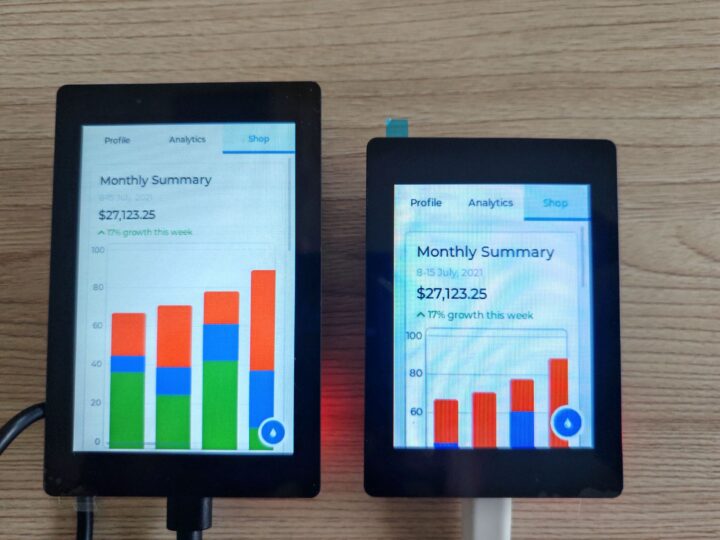
Review of Open Nextion ESP32-S3-based HMI displays with the Arduino IDE and the ESP-IDF framework
ITEAD has introduced the Open Nextion line of HMI (Human-Machine Interface) displays, which are based on the ESP32-S3 microcontroller. This new series includes the ONX3248G035 with a 3.5-inch screen and the ONX2432G028 with a 2.8-inch screen. Unlike the original Nextion displays that rely on a dedicated software editor and UART communication, these new models integrate everything into one package, handling display control and wireless connectivity directly through the ESP32-S3.

Constructing a Solar-Powered Snake Robot
The article details a project for building a solar-powered snake robot that operates without a battery. The design uses basic electronic components and features a 3D-printed chassis, making it accessible for hobbyists and makers interested in robotics and renewable energy.
John Park’s CircuitPython Parsec: Trellis MIDI Velocity Meter
John Park's latest project is a USB MIDI velocity visualizer built using CircuitPython and the Neotrellis, a versatile matrix keypad designed for various applications. The project showcases how to visualize MIDI (Musical Instrument Digital Interface) velocity data through a matrix of illuminated buttons, making it easier for musicians to see how hard they are playing each note.
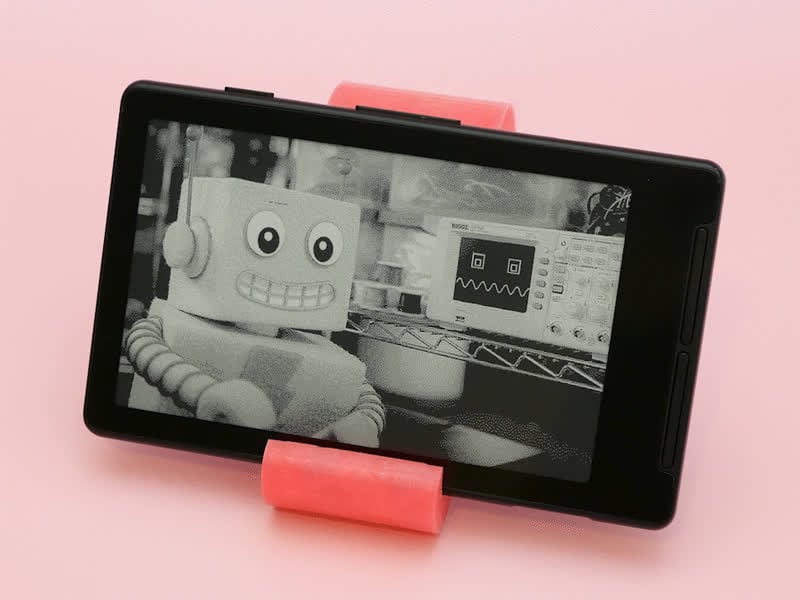
NEW GUIDE: on the Xteink X4 eReader
The article discusses how to run CircuitPython on the Xteink X4 eReader, a compact and slim device powered by the ESP32-C3 microcontroller. This eReader features a USB port that allows for serial communication over JTAG (Joint Test Action Group), which simplifies the process of loading alternative firmware without needing to dismantle the device.

NEW LEARN GUIDE: Adafruit TCS3430 / TCS34303 Ambient Tri-Stimulus Color Sensor Products
The Adafruit TCS3430 / TCS34303 is an ambient light tri-stimulus color sensor that offers a modern alternative to traditional RGB sensors. Instead of using RGB wavelengths, it employs CIE XYZ sensors along with an infrared (IR) diode, allowing for more accurate color matching to established color spaces. This sensor operates at specific wavelengths—437nm (X1), 574nm (X2), 537nm (Y), and 434nm (Z)—and requires users to calibrate it against a known color space analyzer for their specific applications.

NEW GUIDE: Adafruit STCC4 and SHT41 CO2, Temperature & Humidity Sensor
The Adafruit STCC4 is a compact sensor designed to measure CO₂ levels, along with temperature and humidity. It stands out because it uses thermal conductivity (TC) for gas measurement, a method that relies on the thermal properties of gases rather than traditional techniques like Non-Dispersive Infrared (NDIR) or photoacoustic methods. This makes it versatile enough to fit into various enclosures, making it ideal for a range of projects.
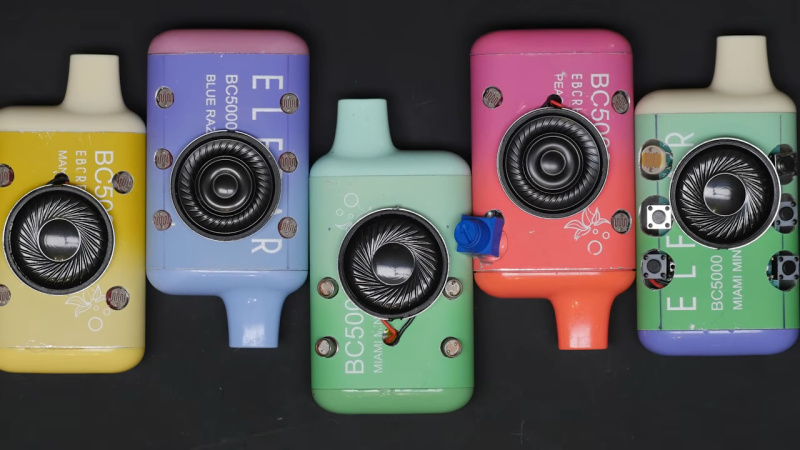
Disposable Vape Becomes Breath-Activated Synth
A maker named Becky Stern has transformed a disposable vape into a breath-activated synthesizer. Starting with an ElfBars BC5000 vape, she repurposed key components like the lithium polymer (LiPo) battery, USB charging board, and a low-pressure sensor. These parts were integrated with a 555 timer circuit, which generates sound based on the resistance of six photoresistors that detect light changes.

Adafruit IO Map Block Gets an Update – Multi-feed Support, Tooltips, Paths, and Click-to-Publish
Adafruit has updated its Map Block feature for Adafruit IO Dashboards, enhancing its capabilities for Internet of Things (IoT) projects. Previously limited to displaying data from a single sensor, the Map Block can now show up to five feeds simultaneously. Each feed can be customized with different colors and icons, which is particularly useful for mobile projects like weather stations or drones that gather data from multiple sensors along a path.
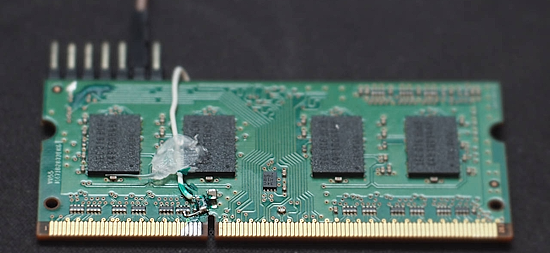
Can you get root with only a cigarette lighter?
David Buchanan explores an unconventional method of gaining root access to a system using just a cigarette lighter. He focuses on the concept of fault injection, which involves deliberately inducing errors in hardware to exploit vulnerabilities. By targeting the DDR (Double Data Rate) bus—the connection between DRAM (Dynamic Random-Access Memory) and the rest of the computer—he designed an experiment that utilizes an antenna wire to capture electromagnetic interference.
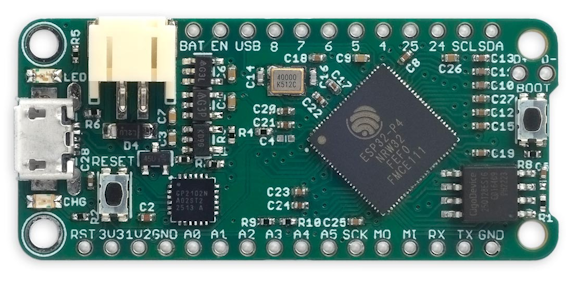
An ESP32-P4 board in the Feather form factor
David Johnson-Davies has created a new microcontroller board based on the ESP32-P4 processor, designed in the Feather form factor. This board features a dual-core RISC-V processor that runs at speeds up to 400 MHz and comes equipped with 768 KB of on-chip SRAM, 32 MB of on-chip PSRAM, and the option for up to 32 MB of external flash storage.
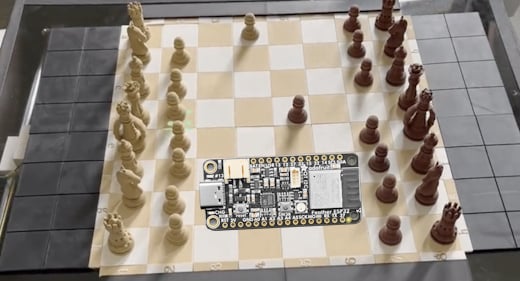
An unofficial MicroPython port of the Sunfish Chess Engine
The article introduces an unofficial port of the Sunfish Chess Engine, called micropython-uSunfish, developed by GitHub user fizban99. This version is designed to run on MicroPython, a lightweight implementation of Python for microcontrollers, and has been tested specifically on the ESP32-S3 microcontroller. However, it’s not very demanding in terms of memory, meaning it should also work well on the standard ESP32.
Ultimate Guide to Connecting 3D Printed Parts | Pins, Fins, Slots, & Snaps
This article provides a comprehensive guide on how to effectively connect 3D printed parts using various techniques. It focuses on reliable methods that don't rely on perfect tolerances or complex support structures, which can often lead to weak connections. The video features practical designs like diamond pegs, slab-and-slot joints, spring-loaded T-slots, snap fits, and advanced locking tabs, showcasing their advantages over traditional connectors.

Hugging Face’s Reachy Mini is an open-source AI robot for your computer or Raspberry Pi CM4
Hugging Face has introduced the Reachy Mini, an open-source AI robot aimed at developers and hobbyists who want to interact with physical environments. This compact robot comes equipped with a camera, four microphones, and a speaker, and is capable of movement due to its six degrees of freedom head and nine servo motors that allow it to rotate and wave its antennas. There are two models available: the Reachy Mini Lite, which connects to Mac, Linux, and Windows computers, and the Reachy Mini Wireless, which operates autonomously on a Raspberry Pi Compute Module 4 (CM4) and includes WiFi, Bluetooth, and battery support.

ICYMI Python on Microcontrollers Newsletter: AI Helping Your Development While Arduino T&Cs Grow Onerous and More!
This week's Python on Microcontrollers newsletter dives into how artificial intelligence (AI) can enhance your development process without taking over. The focus is on practical applications, such as GitHub's new feature that scans for sensitive files in your code before you accidentally upload them, helping you avoid data leaks. The newsletter also highlights tools that connect your oscilloscope to your computer for better debugging with MicroPython, as well as AI's role in reviewing and documenting your projects.
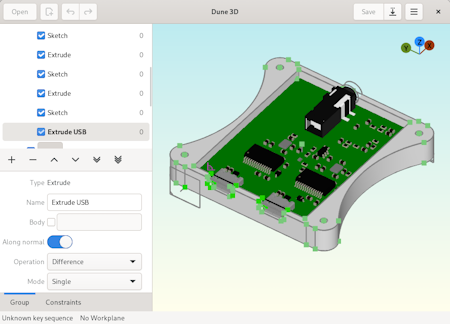
Dune 3D – parametric 3D CAD supporting STEP import/export, fillets and chamfers
Dune 3D is a new open-source parametric 3D CAD application that allows users to import and export STEP files, as well as create fillets and chamfers in their designs. It was developed out of a need for a more user-friendly CAD tool, particularly for designing 3D-printed enclosures for electronics projects. The creator found existing options like FreeCAD and Solvespace lacking in certain areas, such as user experience and essential features.

New: Remote updates on Raspberry Pi Connect
Raspberry Pi Connect has introduced a new feature that allows users to perform remote updates on their Raspberry Pi devices, making it easier to keep software up-to-date without needing to be physically present. This capability is particularly useful since it works behind firewalls and doesn't get disrupted by changes in IP addresses. While users can still update their devices through the usual methods, the remote over-the-air updates enable them to initiate updates without opening a Connect session, and even if the device is off, it will grab the update once it goes online.

Enabling MediaTek M7902 WiFi and Bluetooth drivers on Ubuntu 24.04 the easy way
The article discusses how to enable the MediaTek MT7902 WiFi 6E and Bluetooth 5.x drivers on Ubuntu 24.04. These drivers have recently been added to the mainline Linux kernel, specifically in version 7.0, which is great news for users of laptops like the ASUS Vivobook 16 that utilize this chipset. However, some users have been waiting for nearly two years for these drivers, prompting a user named "hmtheyboy154" to backport the drivers to work with older Linux kernel versions from 6.6 to 6.19.
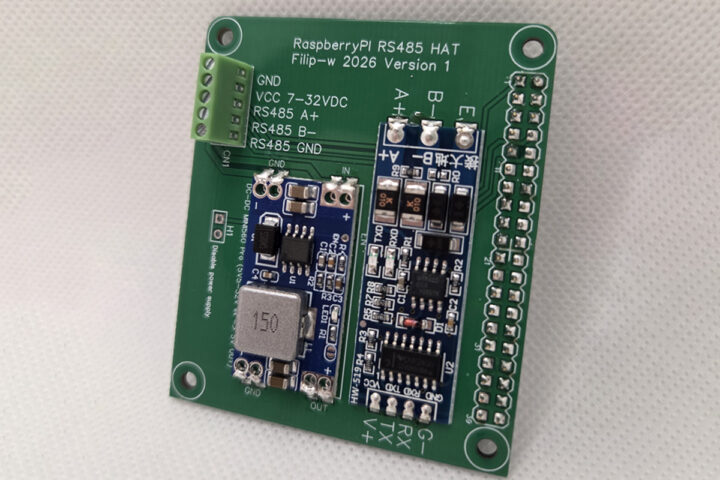
Industrial RS-485/Modbus Raspberry Pi HAT works with OpenPLC, supports 7V-32V DC input
The Industrial RS-485/Modbus HAT is a new hardware accessory for Raspberry Pi boards, developed by EngineElectronicAccessories in Sweden. This HAT is tailored for industrial automation and monitoring applications, particularly in conjunction with the OpenPLC open-source programmable logic controller suite. It features an onboard RS-485 transceiver, which allows for robust long-distance communication, and includes protection against electrical transients with a TVS (Transient Voltage Suppressor) diode.