Rising Edge Digital • Hardware & Embedded Systems for Software Developers
Simple D-STAR Transceiver Uses Inexpensive Hardware · Raspberry Pi Pico projects · Adapting the SpaceOrb 360 Controller for USB
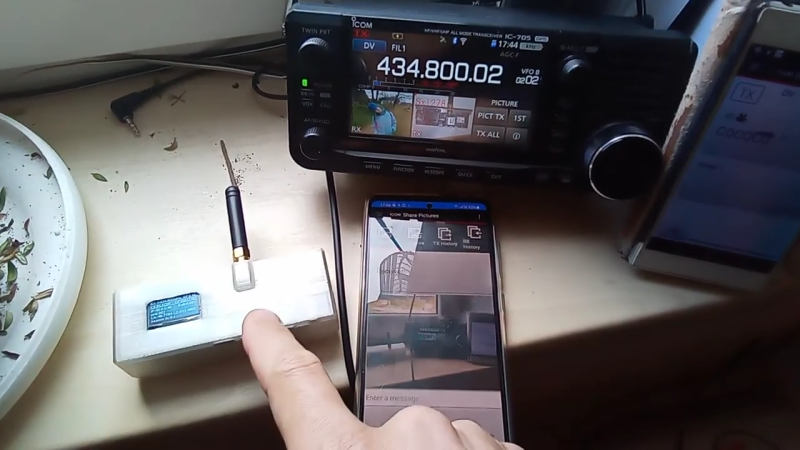
Simple D-STAR Transceiver Uses Inexpensive Hardware
[Yeckel] has developed a simple D-STAR (Digital Smart Technologies for Amateur Radio) transceiver using affordable hardware, specifically the LilyGO TTGO T-Beam. This ESP32-based development board incorporates an SX1278 radio module and a GPS receiver, and it features a web interface for easy configuration. The project, called D-StarBeacon, allows for low-speed data transmission, making it possible to send text messages, GPS coordinates, and even images without needing a full-fledged radio setup.
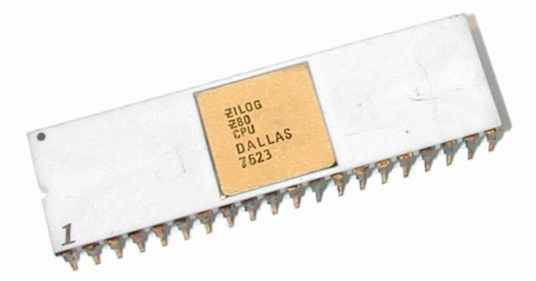
Implementing a clear room Z80 / ZX Spectrum emulator with Claude Code
Salvatore Sanfilippo, known as antirez, has developed a "clean room" emulator for the Z80 microprocessor and the ZX Spectrum, along with an emulator for CP/M. This approach emphasizes building the emulator from scratch based on high-level specifications rather than reverse engineering existing software. Antirez drafted a markdown document outlining the emulator's goals, such as executing complete instructions at once and accurately tracking clock cycles, which is particularly important for mimicking the ZX Spectrum's memory access behaviors.
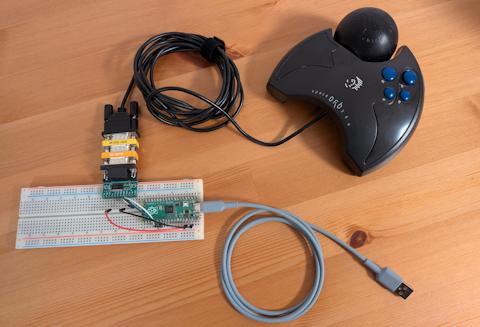
Adapting the SpaceOrb 360 Controller for USB
Jacek Fedoryński has developed a project that retrofits the SpaceOrb 360 controller for modern USB use, allowing it to work with contemporary software and operating systems. This adaptation enables two main functionalities: it can simulate a 3Dconnexion SpaceMouse Pro for software like Fusion, 3ds Max, and SolidWorks, or it can function as a six-axis generic joystick suitable for games such as Descent.
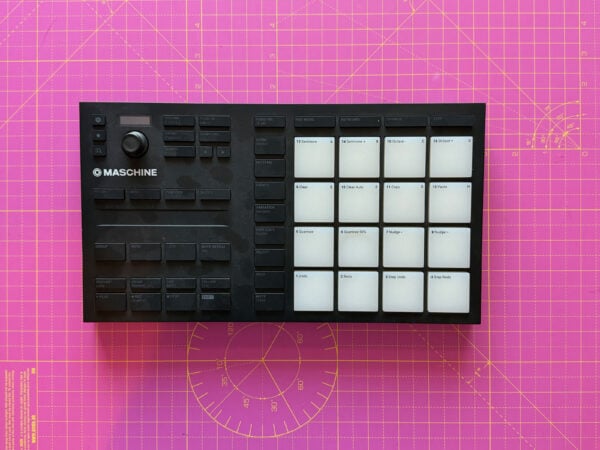
How to repair the Mashine Mikro MK3 Pads
The article provides a practical guide on repairing the touch pads of the Maschine Mikro MK3 MIDI controller. The author shares their personal experience with a malfunctioning pad, specifically PAD# 8, which wasn’t triggering consistently despite showing a MIDI signal in the Control Editor app. After determining it was a hardware issue, they decided to document the repair process since they couldn't find a specific tutorial for the Mikro version.
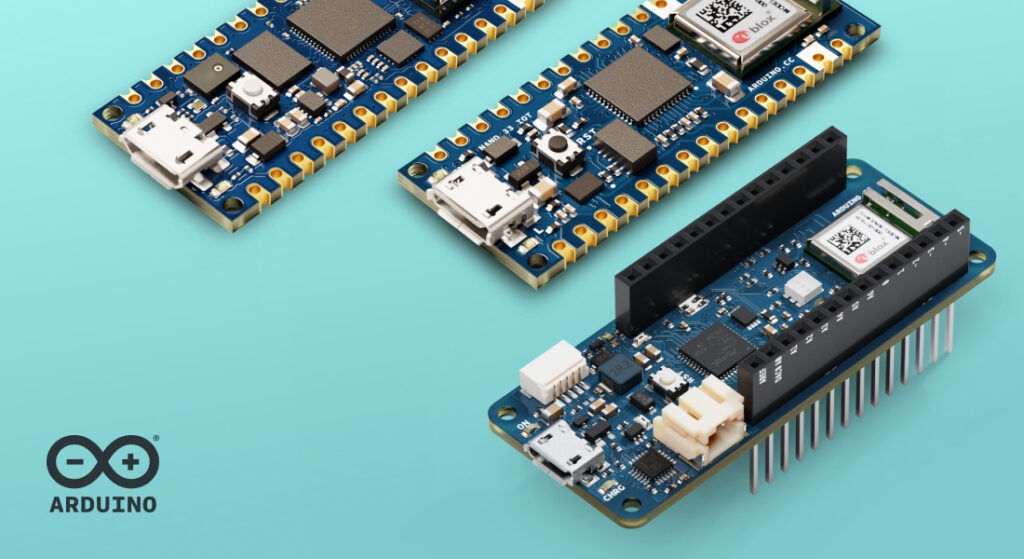
You can now use Wi-Fi® and Bluetooth® LE simultaneously on Arduino NINA-based boards! Here’s how
Arduino has announced a significant update for boards using the NINA-W102 module, like the MKR WiFi 1010, Nano RP2040 Connect, and Nano 33 IoT. Users can now run Wi-Fi and Bluetooth Low Energy (Bluetooth LE) simultaneously in the same sketch. Previously, due to hardware limitations, you had to choose one or the other, but this update eliminates that restriction, allowing for more versatile IoT applications.
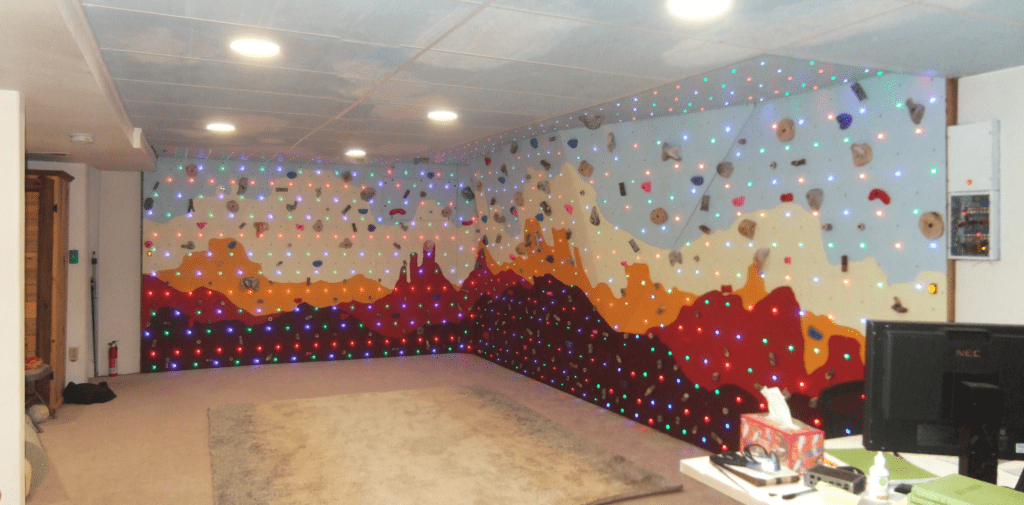
Turning a climbing wall into an interactive game
Superbender transformed an indoor climbing wall into an interactive game to keep training sessions engaging. The wall isn’t very tall, but it wraps around two sides of a room and includes various holds, allowing climbers to explore different routes. To add a gaming element, Superbender integrated LEDs and buttons that indicate which paths are available and set goals for climbers.

From theory to hardware: Cristian Castro Lagos on control engineering with Arduino
Cristian Castro Lagos is an electronics engineer specializing in control engineering, focusing on making theoretical concepts applicable to physical systems. He has a decade of experience in the industry and teaches at the Pontificia Universidad Católica de Valparaíso in Chile. His work emphasizes the importance of bridging the gap between control theory and real-world hardware, where issues like noise and actuator limits often complicate implementation.
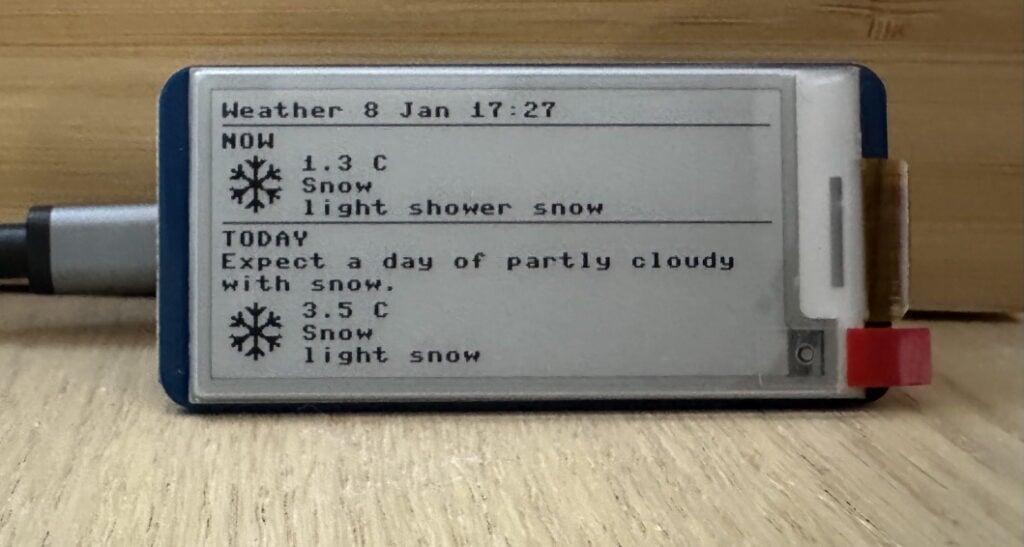
Raspberry Pi Pico projects
The article highlights various projects that can be built using the Raspberry Pi Pico, a compact and affordable microcontroller board designed for low-power applications. It features several models, including the Pico W with wireless capabilities, making it versatile for different types of projects. Key features include analogue inputs and programmable input/output (PIO) state machines that help with handling tasks efficiently.

Build Your Own Clock With Analog Dials, Part 1
This article outlines a project that repurposes old analog ammeters into a functioning clock with the added feature of displaying ambient temperature. The creator shows how these vintage devices can be transformed using basic electronic components and a microcontroller, providing a unique blend of retro aesthetics and practical functionality.
John Park’s CircuitPython Parsec: NeoTrellis MIDI Keyboard
John Park created a USB MIDI keyboard using the Neotrellis, a flexible keypad designed for music projects, and programmed it with CircuitPython, which is a version of Python tailored for microcontrollers. The project is well-documented, and he provides a code example that shows how to set up the keyboard functionality effectively.
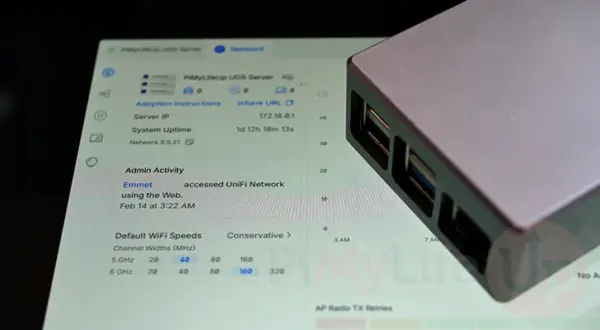
Running UniFi OS Server on the Raspberry Pi
The article discusses how to run UniFi OS Server on a Raspberry Pi, providing a straightforward guide for setting up this self-hosted network controller solution. UniFi OS Server is designed to offer the capabilities of the official UniFi hardware without the need to own one, making it an attractive option for those wanting to manage their network at home.

Making a 286 Think It’s Alive Again
Nagy Krisztián has revived an Intel 286 CPU by creating a simulated system using a Raspberry Pi Pico. With just 68 pins to manage, the project involved wiring the CPU to the microcontroller, which emulates the other components the 286 expects to communicate with. The setup includes a PLCC-68 socket, an adapter PCB, a breadboard, and MCP23S17 logic expanders to increase I/O capability.
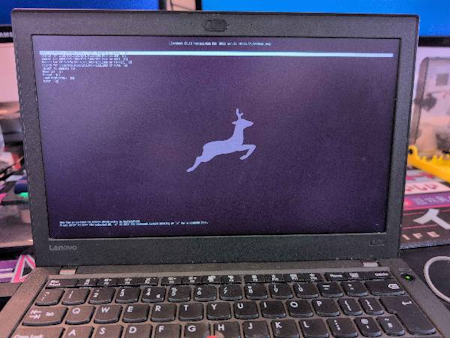
Coreboot has been ported to the Thinkpad X270
Coreboot, an open-source firmware project aimed at replacing proprietary BIOS firmware, has been successfully ported to the Lenovo ThinkPad X270. The detailed process of this porting effort is documented by Kat at dork.dev, showcasing the steps taken to adapt Coreboot for this specific laptop model.
3D Printed Lithophane Lampshade – Tutorial
This article provides a tutorial on creating a 3D printed lithophane lampshade, using free online design software called itslitho.com and an IKEA STRÅLA table lamp base. The process involves converting any image into a lithophane, which can then be integrated into a custom lampshade, making it a unique decorative piece for your home or a thoughtful gift.
How RFID Labels Could Help Tackle $540B Food Waste Losses in 2026
RFID (Radio Frequency Identification) labels are being highlighted as a potential solution to significantly reduce food waste, which is expected to cost the retail food sector around $540 billion by 2026. These labels can track food items throughout the supply chain, providing real-time data on their freshness and expiration dates. By improving visibility, retailers and consumers can make better decisions about inventory management and consumption, ultimately reducing the amount of food that goes to waste.

M5Stack Unit PoE-P4 – A tiny PoE-powered ESP32-P4 development kit with MIPI DSI/CSI and USB-C connectors
The M5Stack Unit PoE-P4 is a compact development kit powered by Power over Ethernet (PoE) and based on the ESP32-P4NRW32 system-on-chip (SoC). It features a 10/100 Mbps Ethernet PHY and supports the IEEE 802.3at standard, allowing it to receive both power and data through a single cable. This kit includes interfaces for MIPI DSI (Display Serial Interface) and MIPI CSI (Camera Serial Interface), making it versatile for various applications.