Rising Edge Digital • Hardware & Embedded Systems for Software Developers
Wired to Wireless · Joypad OS universal game controller firmware · USB gadget mode in Raspberry Pi OS
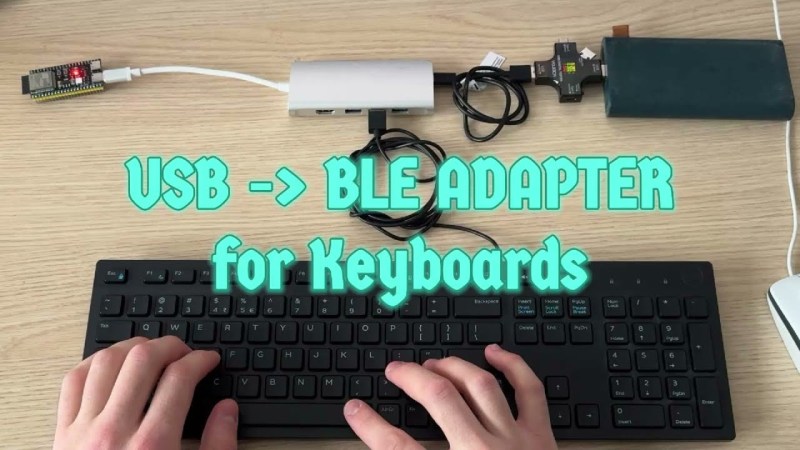
Wired to Wireless: ESP32 Gives Your USB Keyboard Bluetooth
Imagine taking your trusty USB keyboard and transforming it into a Bluetooth-enabled device, allowing you to type wirelessly on your smartphone or tablet. This is precisely what the ESP32-S3 microcontroller accomplishes in a recent project by [KoStard]. By bridging the gap between wired and wireless technology, this innovative setup enhances the versatility of your keyboard and expands its usability across various devices, making it a significant advancement for anyone looking to integrate hardware with existing tools.

John Park’s CircuitPython Parsec: Circuit Playground Bluefruit iPhone Intervalometer
Imagine capturing the perfect shot with your iPhone without needing to press the shutter button yourself. John Park's latest project, the Circuit Playground Bluefruit iPhone Intervalometer, leverages the power of CircuitPython to turn your smartphone into a remote camera. This innovative tool not only simplifies photography but also serves as a fantastic introduction to the world of hardware development for software engineers. Understanding how to integrate software and hardware opens up a realm of possibilities, allowing you to create unique and interactive projects that merge both disciplines.

Joypad OS universal game controller firmware
Joypad OS is an open-source universal game controller firmware that enables developers to create adapters allowing game controllers to be used across different gaming platforms. Imagine being able to connect an Xbox 360 controller to a GameCube—this is the kind of compatibility Joypad OS brings to the table. This project is spearheaded by Robert Dale Smith, known for his extensive work on various Adafruit guides. Joypad OS serves as a foundational layer for developers looking to extend the capabilities of game controllers, making it a significant asset in the realm of embedded systems.
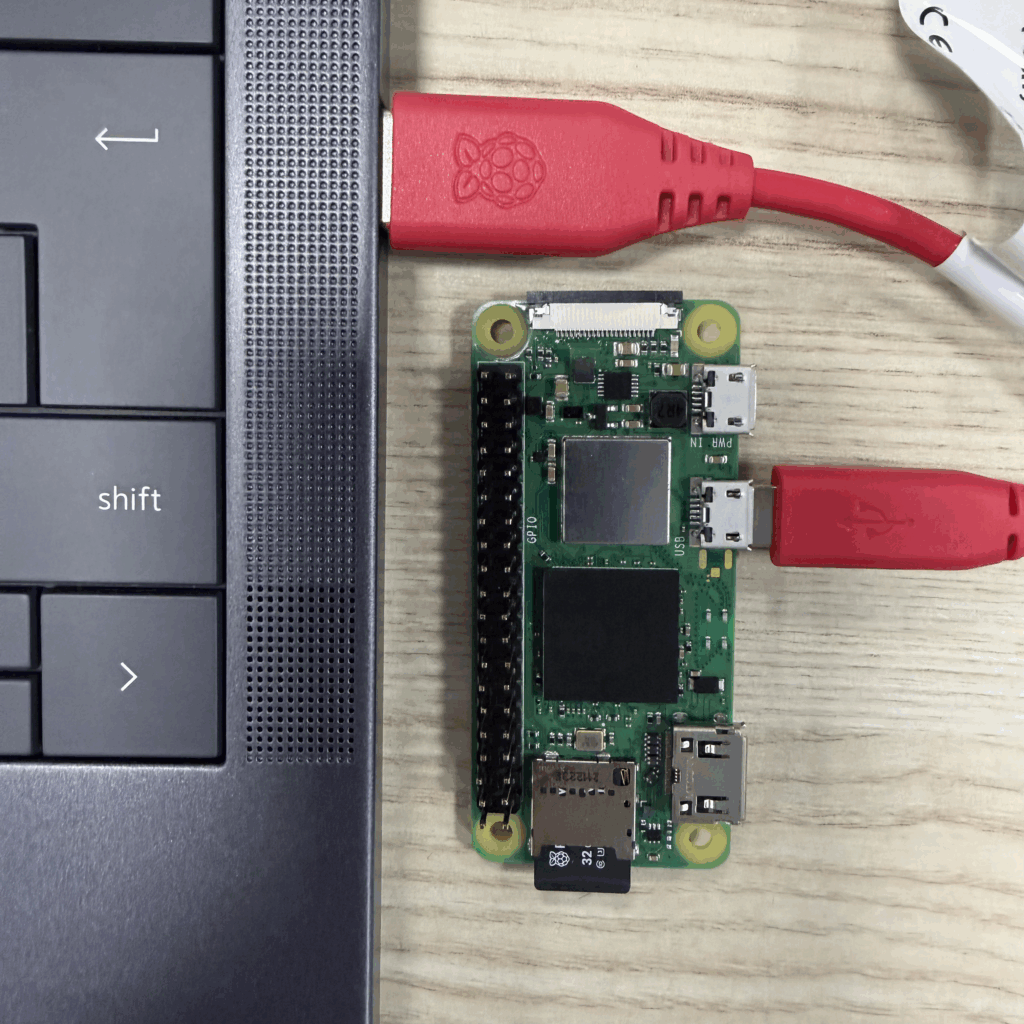
USB gadget mode in Raspberry Pi OS: SSH over USB
Have you ever found yourself in a hotel room with no Ethernet ports or dealing with a Wi-Fi network that refuses to cooperate? If you're a software developer working with Raspberry Pi or other single-board computers, you understand the frustration of getting your device connected while on the go. Fortunately, a new feature in Raspberry Pi OS—USB gadget mode—streamlines the process of establishing a direct connection between your Raspberry Pi and laptop, allowing for seamless SSH access over USB. This means no more tedious Wi-Fi setups or IP address hunting; just plug in and get to work.

John Park’s Workshop — LIVE TODAY 1/22/26
If you’re a software developer looking to dip your toes into the world of hardware, John Park’s live workshop is a fantastic opportunity to see real-time project development and gain hands-on insights. Scheduled for today at 4 PM ET / 1 PM PT, this interactive session brings together the best of both worlds—software and hardware—allowing developers to explore embedded systems through engaging projects and live demonstrations. Think of it as a coding bootcamp, but for hardware enthusiasts, where you get to see the intricacies of hardware come alive before your eyes.
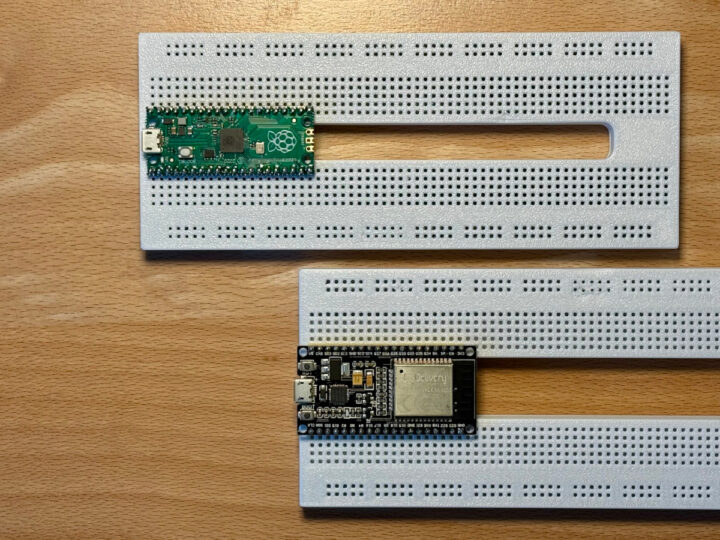
3D printed breadboards optimized for Raspberry Pi Pico and ESP32 boards
In the evolving world of hardware development, the integration of 3D printing with traditional prototyping tools like breadboards offers an exciting innovation for developers looking to dive into embedded systems. The article discusses the creation of 3D printed breadboards specifically optimized for popular microcontroller boards, the Raspberry Pi Pico and the ESP32. This development is significant because it addresses common frustrations faced by developers: lack of space and usability when connecting components to these boards on standard breadboards.
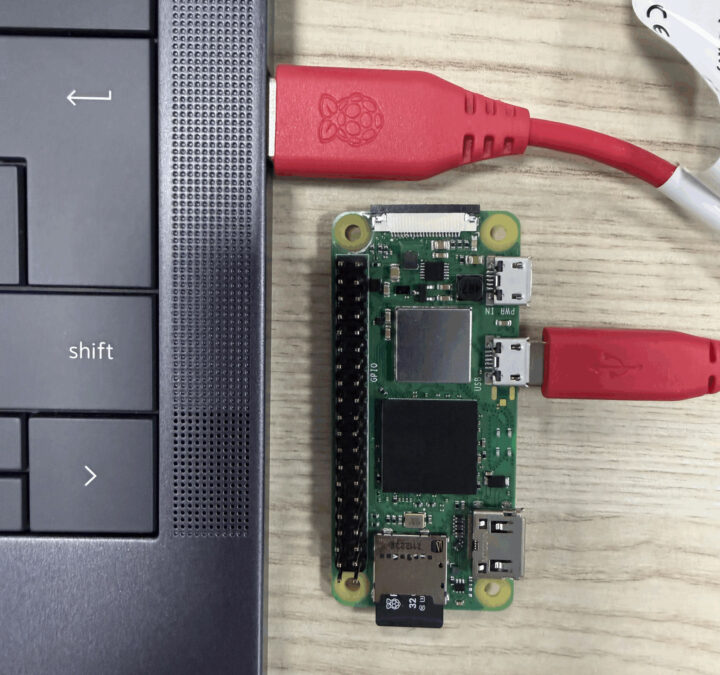
Raspberry Pi OS adds easier USB gadget mode support
Raspberry Pi OS Trixie has introduced an exciting feature that makes it easier for developers to utilize USB gadget mode, allowing seamless connections between Raspberry Pi boards and PCs over USB without the need for additional networking hardware. This is significant because it simplifies the development process for embedded systems, effectively transforming the Raspberry Pi into a USB Ethernet device. With the new rpi-usb-gadget package, developers can focus more on their projects and less on the complexities of networking setup.
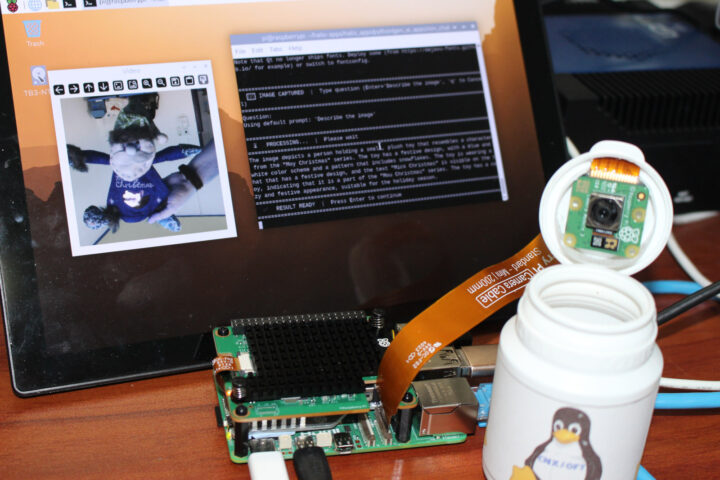
Raspberry Pi AI HAT+ 2 review – A 40 TOPS AI accelerator tested with Computer Vision, LLM, and VLM workloads
The Raspberry Pi AI HAT+ 2 is an exciting new hardware accessory that brings enhanced AI capabilities to the Raspberry Pi ecosystem. With its impressive 40 TOPS (Tera Operations Per Second) performance, this AI accelerator is designed for running complex machine learning tasks, particularly in the realms of computer vision and natural language processing. For software developers venturing into hardware and embedded systems, this device represents a significant opportunity to merge software innovation with hardware capabilities, effectively bridging the gap between coding and physical computing.
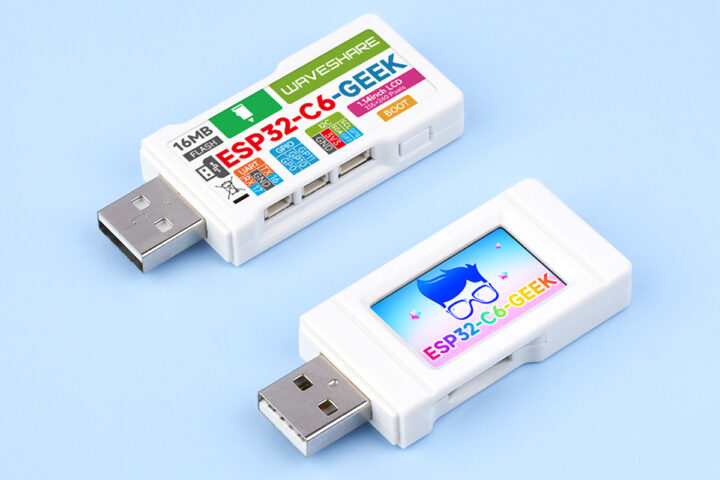
Waveshare ESP32-C6-GEEK – A USB flash drive-like ESP32-C6 development board
The Waveshare ESP32-C6-GEEK is an exciting development board that resembles a USB flash drive, yet packs a punch with its powerful ESP32-C6 wireless MCU. This board is significant because it bridges the gap between software development and hardware applications, particularly in the Internet of Things (IoT) realm. With support for advanced wireless protocols like Wi-Fi 6 and Bluetooth LE, alongside compatibility with Zigbee and Thread, the ESP32-C6-GEEK is poised to enable developers to create innovative and connected devices that are efficient and responsive.

The Defunct Scooter Company, and the Default Key
In the world of embedded systems and hardware, lessons can be learned from unexpected places. The story of the defunct Estonian scooter company Äike highlights the importance of security in IoT devices and the implications of poor design decisions when manufacturers go out of business. With the app and cloud services for these scooters no longer functioning, a developer took it upon themselves to reverse engineer the scooter's system, leading to a significant discovery that underscores the need for better practices in hardware security.

A 1970s Electronic Game
What happens when a traditional board game company decides to venture into the realm of electronic gaming? In the case of the UK-based Waddingtons in 1978, the outcome was the Waddingtons 2001 "The Game Machine," an early attempt at merging classic board game mechanics with electronic technology. This intriguing piece of gaming history serves as both a nostalgic artifact and a source of inspiration for modern developers venturing into hardware and embedded systems. Understanding the principles behind such innovations can offer valuable insights into the evolution of gaming technology and user experience.

I reverse engineered the iPhone Pocket
In a fascinating exploration of innovation, the article dives into the reverse engineering of Apple’s iPhone Pocket, showcasing the intersection of technology and creativity. This endeavor, shared by the YouTube channel KnitFactoryImpl, emphasizes the ability to dissect and recreate a commercially successful product using vintage technology. For software developers, this not only highlights the engineering principles behind hardware design but also illustrates the relevance of understanding hardware in an increasingly integrated tech landscape.
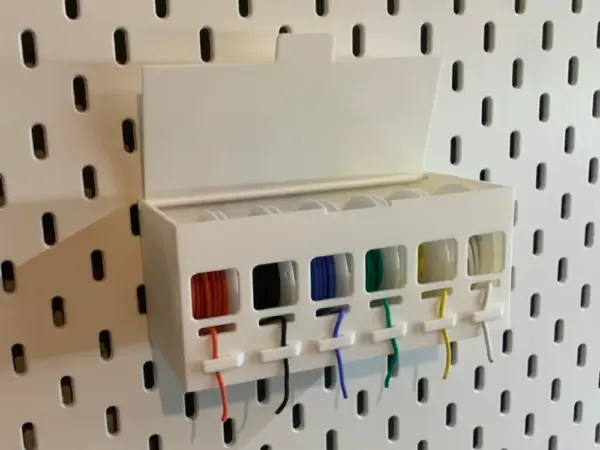
IKEA SKÅDIS Wire Spool Holder – with Flip-Open Lid
If you’re a software developer venturing into the world of hardware and embedded systems, you might find yourself grappling with the chaos of wires in your workspace. The article on the IKEA SKÅDIS Wire Spool Holder presents a practical solution to this common problem, showcasing how a simple 3D printed holder can help you organize your wire spools neatly. This is a significant step toward creating a more efficient environment for your electronic projects, much like how organizing your codebase can streamline your software development process.
Nordic’s Integrated SoC to Simplify Edge AI for Battery-Powered IoT
In the ever-evolving landscape of the Internet of Things (IoT), Nordic Semiconductor has introduced a groundbreaking System-on-Chip (SoC) designed to marry edge AI capabilities with battery efficiency. This new SoC integrates an Axon Neural Processing Unit (NPU) and Neuton models, making it an attractive solution for developers looking to implement on-device AI in IoT applications. The significance of this innovation lies in its ability to deliver ultra-low-power performance while maintaining rapid inference times, which is critical for battery-powered devices that need to operate efficiently without frequent recharges.
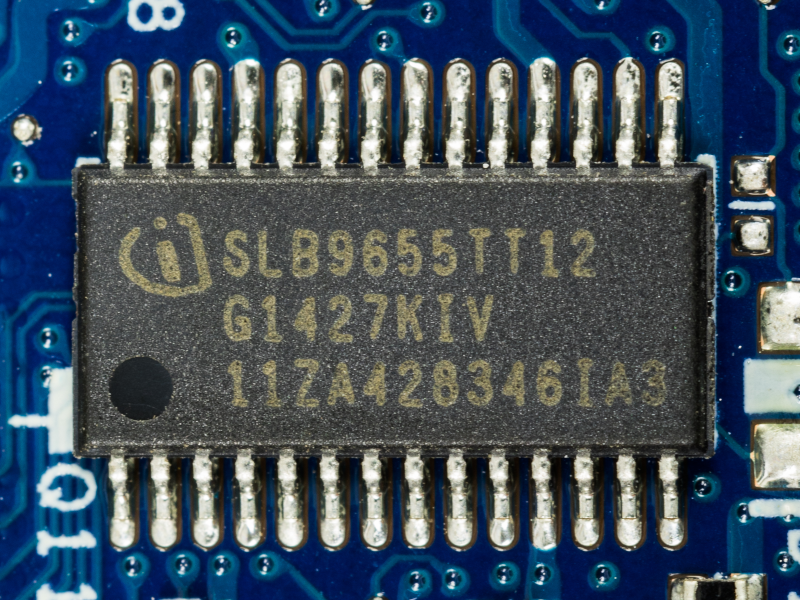
Embedded TPM: Watch Out!
In the rapidly evolving world of embedded systems, understanding the role of Trusted Platform Modules (TPM) is becoming increasingly crucial, especially for software developers venturing into hardware. TPMs are security devices that ensure the integrity of devices, much like how software developers use checksums or hashes to verify data integrity in their applications. With modern operating systems, like Windows, requiring TPM for installation, knowledge of these modules is essential for anyone working with hardware, particularly if you aim to repurpose consumer electronics.
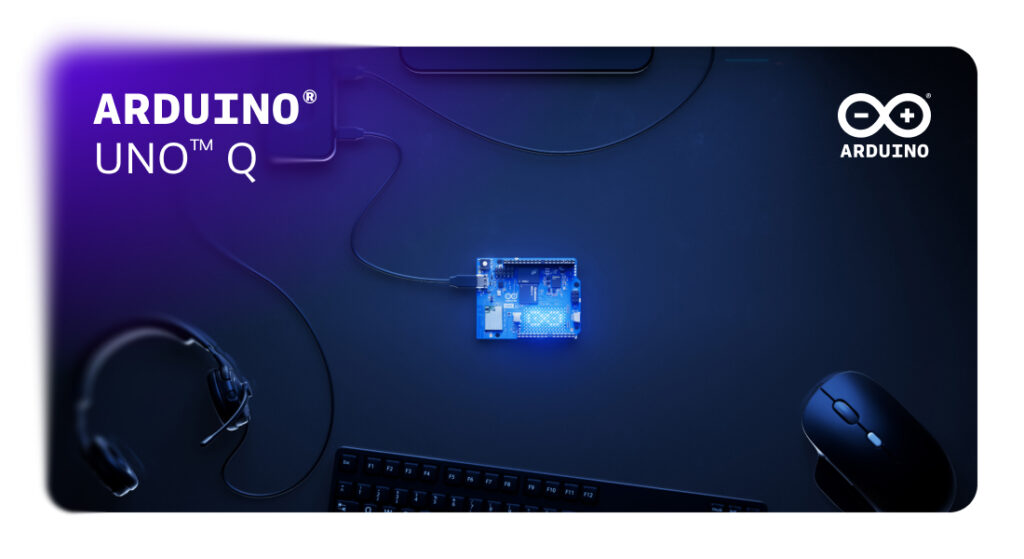
Arduino UNO Q is now available with 4GB RAM and 32GB storage!
The newly launched Arduino UNO Q variant with 4GB of RAM and 32GB of storage represents a significant leap forward for developers venturing into hardware and embedded systems. This upgrade allows software developers to create more complex applications and take on ambitious projects while maintaining the user-friendly experience that Arduino is known for. With its dual brain architecture, combining a Qualcomm Dragonwing QRB2210 microprocessor with an STM32U585 microcontroller, the Arduino UNO Q is designed to bridge high-performance computing with real-time control.
ESPHome 2026.1.0 optimizes memory usage on ESP32/ESP8266, adds Zigbee support on nRF52, WiFi roaming, and more
ESPHome 2026.1.0 is an exciting release that brings significant enhancements to the popular open-source firmware, particularly for developers working with embedded systems like ESP32 and ESP8266. This update is especially important as it introduces memory optimizations, improved security features, and new support for Zigbee on Nordic Semi's nRF52 platform. These improvements not only enhance the functionality of existing devices but also pave the way for more reliable and efficient home automation solutions, making it crucial for developers to stay updated on these advancements.
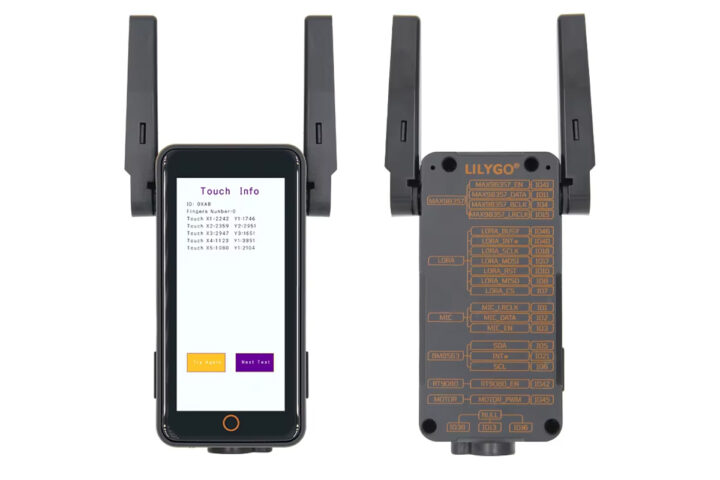
LilyGO T-Display S3 Pro LR1121 devkit adds Sub-GHz and 2.4GHz LoRa, audio support
The LilyGO T-Display S3 Pro LR1121 is an exciting new development kit that marries software development with hardware innovation. With its dual-band LoRa connectivity and integrated audio capabilities, this board opens up a world of possibilities for building versatile embedded systems. Think of it as a software developer's playground, where you can experiment with wireless communication and audio processing, much like creating a robust API that allows different software components to interact seamlessly.
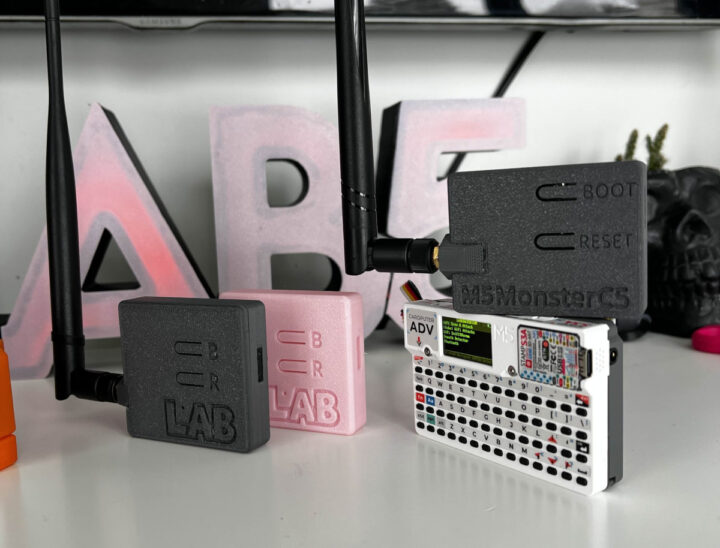
M5MonsterC5 hacking tool adds ESP32-C5 and 5 GHz Wi-Fi 6 support to M5Stack Cardputer ADV and Tab5
Imagine being able to extend your software development skills into the realm of hardware and embedded systems with a tool that empowers you to conduct wireless security research. The M5MonsterC5, a newly developed hacking tool, is designed to work seamlessly with M5Stack Cardputer ADV and Tab5, leveraging the powerful ESP32-C5 chip and supporting the latest Wi-Fi 6 technology. This combination opens up a world of possibilities for developers looking to bridge the gap between software and hardware, enabling them to experiment with cutting-edge wireless protocols and security methodologies.

EnviroGo ESP32-S3 wearable environmental monitor features 7 sensors (Crowdfunding)
The EnviroGo ESP32-S3 wearable environmental monitor is an exciting development for those venturing into the world of hardware and embedded systems. This device is not just a gadget; it is a comprehensive tool that tracks various environmental factors, including volatile organic compounds (VOCs), UV index, temperature, humidity, air pressure, light, and motion. For software developers, this represents an opportunity to transition their skills from coding to creating real-world applications that can monitor and analyze environmental data, much like how software applications track user interactions or system performance.
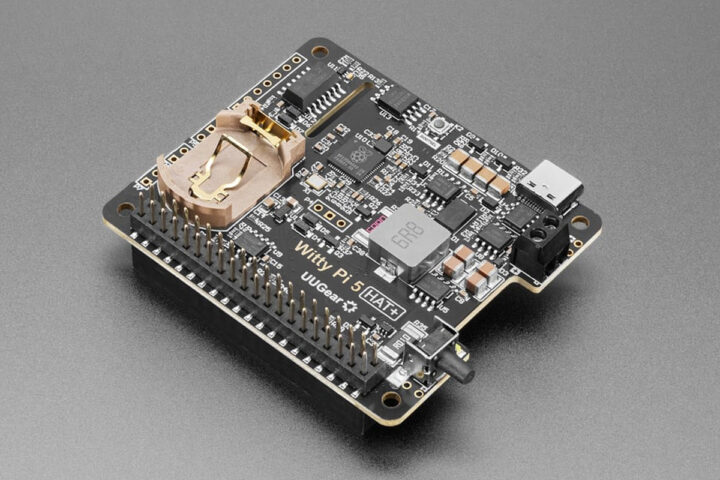
Witty Pi 5 HAT+ – A Raspberry Pi RP2350-based power scheduler with time, temperature, and voltage-based triggers
The Witty Pi 5 HAT+ is a game-changer for developers venturing into the realm of hardware and embedded systems. This innovative power scheduler board, designed specifically for the Raspberry Pi, utilizes an RP2350 microcontroller to automate power management tasks based on time, temperature, and voltage triggers. For software developers, understanding this technology is crucial, as it not only enhances the functionality of Raspberry Pi projects but also bridges the gap between software logic and real-world hardware control. Imagine being able to schedule when your devices power on or off, akin to setting up cron jobs for server tasks, but in the physical world.
Scaling Edge AI: Hardware and Software from Prototype to Deployment
Edge AI represents a significant shift in how artificial intelligence is utilized, moving computation closer to where data is generated. This shift is no longer limited to large tech companies; businesses of all sizes can now harness the power of Edge AI to improve efficiency and drive innovation. By balancing hardware performance with software optimization, organizations can implement AI applications that offer immediate benefits while laying the groundwork for future advancements. For software developers, understanding this ecosystem is key to leveraging Edge AI effectively.

ICYMI Python on Microcontrollers Newsletter: Python and CircuitPython in 2026, Fake Raspberry Pi Picos on AliExpress and More!
In the ever-evolving world of embedded systems, staying updated with the latest developments in Python on microcontrollers is crucial for software developers transitioning into hardware. The latest newsletter from Adafruit highlights exciting advancements and emerging issues, making it a must-read for those looking to deepen their understanding of Python and CircuitPython in 2026. With an audience of over 12,000 subscribers, this newsletter serves as a reliable source for insights that can enhance your journey into hardware programming.

Spin up virtual machines instantly with exe.dev
In today’s fast-paced development environment, having instant access to virtual machines can be a game changer for software developers diving into hardware and embedded systems. exe.dev offers a subscription service that allows you to spin up virtual machines with persistent disks almost instantaneously. This means you can focus on your project rather than managing infrastructure, just like you would with a cloud-based IDE that abstracts away server management.

The Python on Microcontrollers Newsletter: subscribe for free
If you're a software developer dipping your toes into the world of hardware and embedded systems, the Python for Microcontrollers Newsletter is a fantastic resource that can help bridge that gap. Think of it as your weekly sprint review, but instead of just code, you get insights into how Python is being utilized in the realm of microcontrollers and single-board computers like the Raspberry Pi. This newsletter serves as a hub for all things Python on hardware, ensuring you stay updated on the latest trends, projects, and innovations in this rapidly evolving field.

Florida Museum biological specimens and cultural heritage objects
In the world of technology, the intersection of software and hardware is where innovation thrives. The Florida Museum's initiative to digitize biological specimens and cultural heritage objects through 3D printing highlights the importance of this crossover. By making these models available for download on platforms like MorphoSource, the museum not only preserves valuable data but also opens up a realm of possibilities for developers interested in hardware applications. This initiative is a testament to how physical artifacts can be represented in the digital realm, creating a bridge between disciplines that traditionally operate in silos.
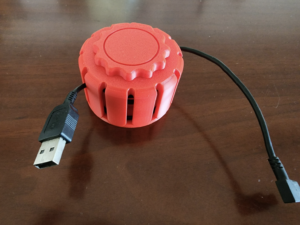
Power (Data) Cable Spooler
Imagine a world where your tangled cables are neatly organized, much like well-structured code. The Power Data Cable Spooler project presented by user_3883476995 on Makerworld is a perfect example of how combining hardware with creativity can enhance everyday life. This 3D-printed spooler not only addresses a common frustration—excess wire length—but also serves as an excellent introduction to the intersection of design and functionality in hardware projects, making it a valuable endeavor for any software developer looking to expand their skill set into embedded systems.
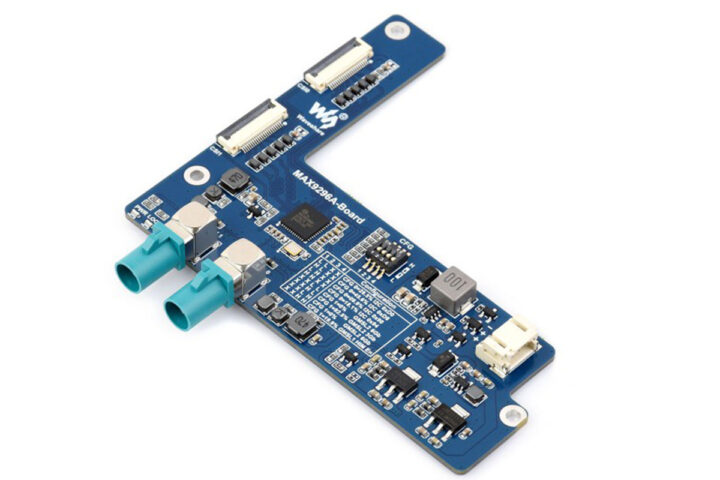
2-channel GMSL camera adapter board supports Raspberry Pi 5 and NVIDIA Jetson Orin Nano/NX
The 2-channel GMSL camera adapter board is an exciting development for software developers venturing into the world of hardware and embedded systems. This adapter, designed for use with the Raspberry Pi 5 and NVIDIA Jetson Orin Nano/NX, allows for high-speed, low-latency video transmission—an essential requirement for applications like robotics, autonomous vehicles, and advanced imaging systems. By bridging the gap between software applications and hardware capabilities, this board opens up new possibilities for developers looking to integrate sophisticated camera technologies into their projects.
Case Study: An AI-enabled ADAS SoC
In the ever-evolving landscape of modern technology, the integration of artificial intelligence (AI) into hardware systems has become a game-changer, particularly in the realm of Advanced Driver Assistance Systems (ADAS). The case study of Faraday's AI-enabled ADAS System-on-Chip (SoC) demonstrates how a 624 million-gate design achieves impressive performance metrics, including 2 GHz processing speed and a focus on functional safety compliance (FuSa). For software developers venturing into the world of hardware and embedded systems, understanding this intersection of AI and hardware design is not just relevant; it's essential for staying competitive in the tech industry.

The Python on Microcontrollers Newsletter: subscribe for free
If you're a software developer venturing into the world of hardware and embedded systems, you'll want to pay attention to the "Python for Microcontrollers" Newsletter. This resource is a treasure trove for those looking to bridge the gap between coding and hardware interaction. Much like following a well-curated GitHub repository, subscribing to this newsletter will keep you updated on the latest advancements and projects involving Python on microcontrollers and single-board computers like the Raspberry Pi. The focus on Python, a language many developers are already familiar with, makes this transition smoother and more intuitive.
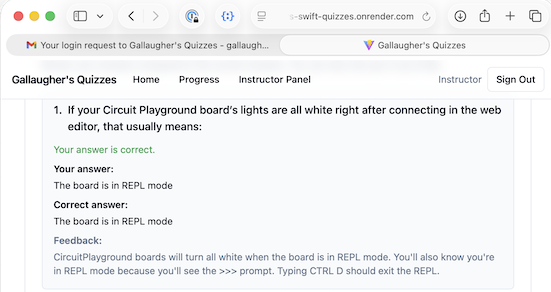
Making a quiz program for CircuitPython & Circuit Playground questions
Are you a software developer looking to bridge the gap between your coding skills and the exciting world of hardware? If so, the recent blog post from Adafruit about a quiz program for CircuitPython and the Circuit Playground is a fantastic resource. This initiative not only enhances learning for students but also provides a hands-on opportunity for developers to engage with embedded systems in a meaningful way, much like developing a user-friendly application that supports its users' learning journey.

The Python on Microcontrollers Newsletter: subscribe for free
In the evolving landscape of technology, the intersection of software and hardware is more critical than ever, especially for developers looking to expand their skill set into the realm of embedded systems. The Python for Microcontrollers Newsletter is a must-have resource for developers interested in leveraging Python in their hardware projects. This weekly newsletter offers a concise and informative summary of the latest trends, events, and projects related to Python on microcontrollers and single-board computers like the Raspberry Pi. It's an invaluable tool for staying updated without the clutter of ads or spam.